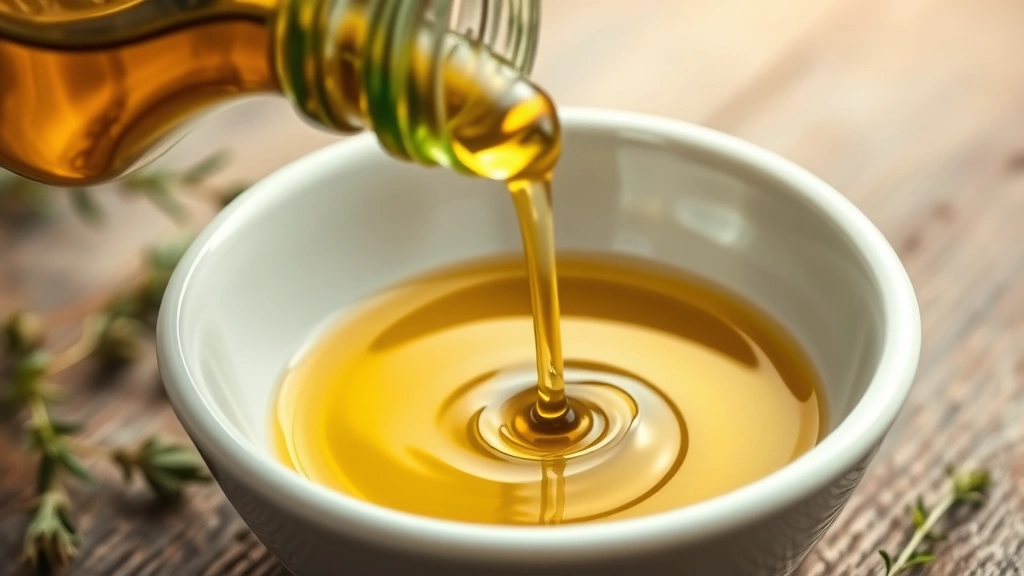
Olive Oil for Weight Loss? Nutritionist Tips
Olive oil has long been celebrated as a cornerstone of the Mediterranean diet, but can this golden liquid actually help you lose weight? The answer is more nuanced than a simple yes or no. While olive oil is calorie-dense at 120 calories per tablespoon, emerging research suggests that when consumed strategically, it may support your weight loss goals through improved satiety, metabolic function, and overall dietary quality. Understanding the best time to drink olive oil for weight loss and how to incorporate it properly into your routine can transform this pantry staple from a potential calorie trap into a genuine weight management tool.
The key to leveraging olive oil for weight loss isn’t about drinking it by the spoonful or adding unlimited amounts to every meal. Instead, it’s about timing, portion control, and understanding how this fat interacts with your digestive system and hunger hormones. Many people are surprised to learn that certain times of day and specific preparation methods can significantly amplify olive oil’s weight loss benefits. This comprehensive guide reveals exactly how nutritionists recommend using olive oil strategically to enhance your weight loss journey while maintaining optimal health.
How Olive Oil Supports Weight Loss
The relationship between olive oil and weight loss centers on several physiological mechanisms that nutritionists have documented through clinical research. Extra virgin olive oil contains polyphenols and monounsaturated fats that work synergistically to promote satiety—the feeling of fullness that prevents overeating. When you feel satisfied longer, you naturally consume fewer calories throughout the day, creating the caloric deficit necessary for sustainable weight loss.
One of the most significant benefits relates to how olive oil influences your hunger hormones. The fat in olive oil triggers the release of cholecystokinin (CCK), a hormone that signals your brain that you’re full. This is particularly powerful when consumed before meals, as it can reduce your overall food intake by up to 20 percent according to research published in the American Journal of Clinical Nutrition. Additionally, olive oil’s polyphenols have been shown to have anti-inflammatory properties, which can improve metabolic health and reduce weight-related inflammation.
The Mediterranean diet, which emphasizes olive oil as a primary fat source, has consistently demonstrated weight loss and metabolic benefits in large-scale studies. Unlike refined oils and trans fats, olive oil doesn’t trigger the same blood sugar spikes that lead to energy crashes and cravings. This stability in energy levels helps prevent the cycle of hunger, overeating, and weight gain that plagues many dieters. Furthermore, olive oil supports better insulin sensitivity, meaning your body uses glucose more efficiently rather than storing it as fat.
Best Time to Consume Olive Oil for Weight Loss
Timing matters significantly when using olive oil as a weight loss tool. The optimal window is 15-30 minutes before your main meals, particularly lunch and dinner. This timing allows the fat to trigger satiety signals before you begin eating, naturally reducing portion sizes and calorie intake. Some nutritionists recommend consuming half to one tablespoon of high-quality extra virgin olive oil during this pre-meal window for maximum effect.
Morning consumption also holds merit, though for different reasons. Taking olive oil with breakfast—either drizzled over oatmeal, mixed into a smoothie, or as part of a balanced meal—can stabilize blood sugar throughout the morning and reduce mid-morning cravings. This is particularly beneficial if you struggle with the 10 AM hunger surge that derails many weight loss efforts. The fat content helps slow gastric emptying, keeping food in your stomach longer and maintaining steady energy levels.
Avoid consuming olive oil immediately after meals or as a standalone snack, as this simply adds calories without the satiety benefit. The timing advantage disappears when olive oil arrives after your meal has already triggered fullness signals. Similarly, consuming it late at night, particularly after 7 PM, offers minimal weight loss advantage since your metabolic rate slows naturally in the evening. Your body is less efficient at processing and utilizing the energy from late-night fats, making it more likely to store them as body fat.
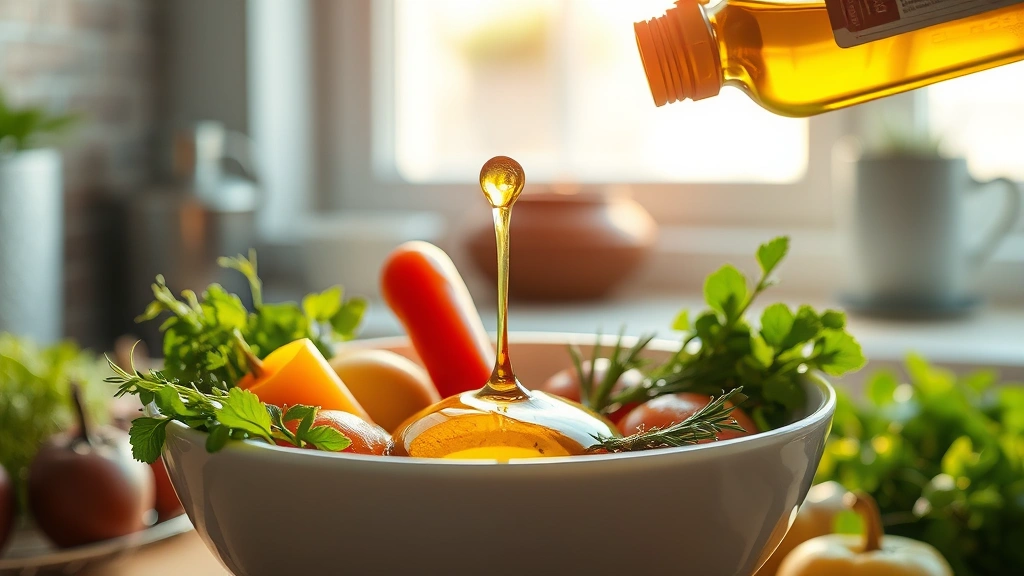
” alt=”Golden olive oil being drizzled into a white bowl with fresh vegetables and herbs, morning sunlight streaming through kitchen window”>
Optimal Timing Strategies for Maximum Results
Creating a strategic timing protocol amplifies olive oil’s weight loss potential. The pre-breakfast strategy involves consuming one tablespoon of extra virgin olive oil mixed with warm lemon water 15 minutes before breakfast. This combination not only triggers satiety but also aids digestive function and may enhance fat metabolism. The citric acid in lemon also helps your body better absorb the beneficial compounds in olive oil.
The pre-lunch approach targets the afternoon energy crash that typically occurs between 2-4 PM. By consuming olive oil before lunch, you create prolonged satiety that extends well into the afternoon, reducing the temptation to snack on high-calorie foods. This is particularly effective when combined with lean proteins and high-fiber foods, which work synergistically with olive oil to maximize fullness signals.
For evening meals, the pre-dinner protocol works especially well for people who struggle with nighttime eating or who tend to eat larger portions at dinner. Consuming olive oil 20 minutes before dinner allows your appetite-suppressing hormones to activate before you sit down to eat. This can reduce your dinner calorie intake by 200-300 calories without requiring willpower or restriction—you simply feel full sooner.
The strategic salad dressing approach deserves special attention because it combines multiple benefits. Using olive oil-based dressing on vegetables before your main course serves dual purposes: it increases vegetable intake (which boosts satiety through fiber) while triggering fat-related fullness signals. This approach is less about “drinking” olive oil and more about consuming it in a nutritionally dense context that maximizes weight loss benefits.
Portion Control Guidelines and Caloric Considerations
Understanding portion sizes is absolutely critical when using olive oil for weight loss, since it’s one of the most calorie-dense foods at 120 calories per tablespoon. More isn’t better—in fact, excessive olive oil consumption can quickly sabotage your weight loss goals. The recommended amount for weight loss purposes is one-half to one tablespoon per serving, consumed strategically rather than liberally throughout the day.
A practical approach involves measuring your olive oil carefully, ideally using a tablespoon or a small drizzle bottle that helps you control portions. Many people underestimate how much olive oil they’re consuming when they free-pour it onto salads or into cooking pans. This “invisible” calorie consumption can easily add an extra 300-500 calories daily, completely negating any weight loss benefits. Using a food scale or measuring spoon removes the guesswork and ensures you’re staying within your calorie targets while still receiving olive oil’s satiety benefits.
Consider your total daily fat intake when incorporating olive oil strategically. If you’re consuming weight loss shakes or other fat-containing foods, you need to account for olive oil within your overall macronutrient plan. A balanced approach might look like: one-half tablespoon with breakfast, one-half tablespoon before lunch, and one tablespoon as salad dressing at dinner—totaling two tablespoons daily, or 240 calories. This fits comfortably within most weight loss meal plans while providing meaningful satiety benefits.
Incorporating Olive Oil Into Your Weight Loss Diet
Practical integration of olive oil into your weight loss routine requires creativity and planning. Beyond simple drizzling, consider these evidence-based methods: mix one tablespoon of extra virgin olive oil with warm water and a squeeze of lemon, consuming this 15 minutes before breakfast to jumpstart your metabolism and reduce breakfast portion sizes. This simple ritual costs mere pennies and requires less than one minute to prepare.
For those using weight loss smoothies, adding one-half tablespoon of olive oil transforms the nutritional profile. The fat slows down the absorption of carbohydrates in your smoothie, preventing blood sugar spikes and extending satiety. This is particularly effective with smoothies containing protein and fiber, creating a nutritionally complete meal that keeps you satisfied for 4-5 hours.
Incorporate olive oil into meal replacement shakes for weight loss using the same principle—one-half tablespoon provides fat-soluble vitamins and enhances the satiating effect of the shake without dramatically increasing calories. This approach is particularly useful for people following structured meal replacement protocols who want to enhance their results.
Create olive oil-based vinaigrettes using a simple ratio: three parts olive oil to one part vinegar or lemon juice, plus herbs and spices. Use this on large salads consumed before your main course—the vegetables provide fiber and volume for satiety, while the olive oil triggers fat-related fullness signals. This combination is particularly powerful for weight loss because you’re eating large quantities of low-calorie food (vegetables) while also consuming compounds that suppress appetite.
Common Mistakes to Avoid When Using Olive Oil
The biggest mistake people make is treating olive oil as a “free” food that can be consumed without caloric consideration. Some weight loss advocates suggest drinking olive oil by the spoonful or adding it liberally to every meal, which can actually increase daily calorie intake by 500+ calories. This completely undermines weight loss efforts and explains why some people see no results despite incorporating olive oil into their routine.
Another critical error involves consuming olive oil at the wrong times. Drinking it after meals, as a standalone snack, or as a late-night supplement provides calories without the satiety benefit. Your hunger hormones have already responded to the meal you’ve eaten, so additional fat calories simply add to your daily total without suppressing appetite. Timing truly is everything when using olive oil strategically for weight loss.
Many people also make the mistake of using low-quality olive oil or refined versions that have been stripped of their beneficial polyphenols. Extra virgin olive oil offers significantly more weight loss benefit than light or pure olive oil because it retains the compounds responsible for satiety and metabolic improvements. Paying slightly more for quality ensures you’re getting the functional benefits that justify the calorie investment.
Failing to combine olive oil with other weight loss strategies represents another missed opportunity. Olive oil works best as part of a comprehensive approach that includes adequate protein intake, plenty of fiber from vegetables and whole grains, regular physical activity, and proper hydration. Expecting olive oil alone to create weight loss, without addressing overall calorie intake or lifestyle factors, sets you up for disappointment.
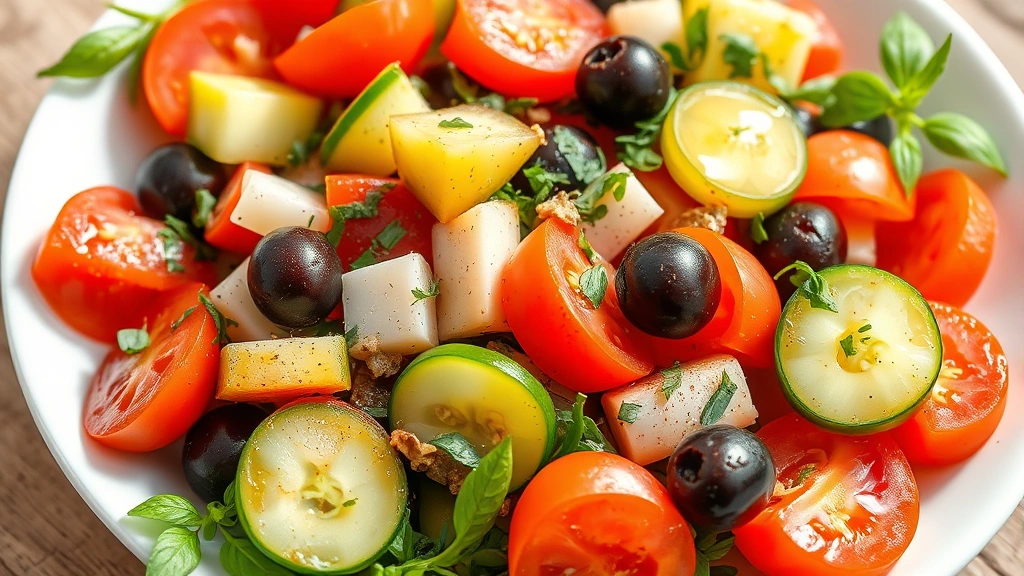
” alt=”Vibrant Mediterranean salad with fresh tomatoes, cucumbers, olives, and herbs, drizzled with golden olive oil in natural daylight”>
Combining Olive Oil With Other Weight Loss Strategies
The most effective weight loss approach combines olive oil’s satiety benefits with other evidence-based strategies. If you’re interested in PCOS weight loss strategies, olive oil fits perfectly into the anti-inflammatory, whole-food approach that benefits people with this condition. The polyphenols in olive oil help reduce the chronic inflammation associated with PCOS while supporting hormonal balance.
Pair olive oil consumption with tracking your progress effectively to monitor how this intervention affects your results. Some people experience dramatic appetite reduction and weight loss acceleration when they time olive oil consumption optimally, while others notice more subtle benefits. Individual variation is normal and depends on factors like baseline insulin sensitivity, overall diet quality, and genetic predisposition.
Combine pre-meal olive oil consumption with adequate protein intake to maximize satiety and preserve muscle mass during weight loss. Protein and fat work synergistically to suppress appetite hormones and maintain metabolic rate. A meal combining 20-30 grams of protein with one-half tablespoon of olive oil creates sustained fullness that supports calorie reduction without deprivation.
Integrate olive oil into a fiber-rich diet that emphasizes whole grains, legumes, vegetables, and fruits. The combination of fiber and fat slows gastric emptying more effectively than either nutrient alone, extending the satiety window and reducing overall calorie intake. This approach also supports digestive health and provides the micronutrients necessary for sustained weight loss and optimal health.
Consider the role of weight loss motivation when implementing any new dietary strategy. The ritualistic aspect of consuming olive oil before meals can serve as a powerful psychological tool, creating a mindful eating practice that enhances weight loss. The few minutes you spend preparing and consuming olive oil with water and lemon become a moment of intention-setting that supports your overall weight loss commitment.
According to the American Heart Association, replacing saturated fats with monounsaturated fats like those in olive oil supports cardiovascular health while facilitating weight loss. This dual benefit means you’re not just losing weight—you’re improving your overall health profile simultaneously. Research from the CDC on nutrition and weight management confirms that dietary patterns emphasizing whole foods and healthy fats show superior long-term weight loss outcomes compared to restrictive, low-fat approaches.
FAQ
What’s the best time to drink olive oil for weight loss?
The optimal timing is 15-30 minutes before your main meals, particularly breakfast, lunch, or dinner. Consuming one-half to one tablespoon of extra virgin olive oil in this window triggers satiety hormones before you begin eating, naturally reducing portion sizes and overall calorie intake. Morning consumption with warm lemon water or as part of breakfast also provides excellent results for stabilizing blood sugar and reducing cravings throughout the day.
Can I drink olive oil straight, or should I mix it with something?
While you can consume olive oil straight, mixing it with warm water and lemon juice makes it more palatable and may enhance its benefits. The warm water activates digestive enzymes, while lemon aids nutrient absorption and supports liver function. Some people prefer mixing it into smoothies, salad dressings, or soups rather than consuming it as a standalone shot.
How much olive oil should I consume daily for weight loss?
One to two tablespoons daily is the optimal amount for weight loss purposes—roughly 120-240 calories. This amount provides meaningful satiety benefits without excessive calorie consumption. More than two tablespoons daily typically adds calories without additional weight loss benefit and may impede your progress. Remember that olive oil used in cooking counts toward your daily total.
Does the type of olive oil matter for weight loss?
Yes, significantly. Extra virgin olive oil contains the highest concentration of polyphenols and beneficial compounds that support satiety and metabolic health. Light, pure, or refined olive oils have been processed to remove these compounds, reducing their weight loss effectiveness. Invest in quality extra virgin olive oil from reputable producers for maximum results.
Will olive oil alone cause weight loss without diet changes?
No. Olive oil works best as part of a comprehensive weight loss approach that includes calorie awareness, adequate protein and fiber intake, regular physical activity, and healthy lifestyle habits. Olive oil enhances weight loss by improving satiety and reducing overall calorie intake, but it cannot overcome excessive calorie consumption or sedentary lifestyle.
Can I use olive oil if I have digestive issues?
Most people tolerate olive oil well, but those with certain digestive conditions should start with small amounts (one-quarter tablespoon) and gradually increase. If you have gallbladder issues or fat malabsorption problems, consult a healthcare provider before using olive oil strategically for weight loss. For most people, the digestive benefits of olive oil (improved gut motility, better nutrient absorption) outweigh any concerns.
Is timing olive oil consumption more important than the amount I consume?
Both matter, but timing provides the primary weight loss benefit. Consuming olive oil before meals triggers satiety hormones and reduces food intake, while consuming it after meals simply adds calories. However, consuming excessive amounts at the right time still adds too many calories and can impede weight loss. The ideal approach combines proper timing with appropriate portion control.


