
Table of Contents
Introduction
Ever catch yourself wondering if there’s actually a “right” time to eat for weight loss? Turns out, there is—and it’s not just about what’s on your plate. When you eat can be just as powerful as what you eat when it comes to shedding those stubborn pounds.
Here’s what’s fascinating: your body has its own internal schedule. Your metabolism, energy levels, and fat-burning capabilities all follow this natural rhythm. When you sync your meals with your body’s clock, weight loss becomes less of an uphill battle. Sure, calories matter, but timing? That’s the secret sauce many people miss. If you’re already focusing on nutrition (like exploring weight loss and high protein diet strategies), adding smart timing takes your results to the next level. And if you’re using weight loss and fitness apps, you can track both what and when you eat—talk about accountability!
The science behind this is pretty cool. When you eat at the right times, you’re essentially programming your hormones to work with you, not against you. Think insulin and ghrelin—those hunger and satisfaction signals that can make or break your diet. Get the timing right, and suddenly you’re not fighting constant cravings or late-night snack attacks. This is where methods like weight loss with intermittent fasting really shine, combining strategic eating windows with fasting periods to reset your metabolism. Plus, when you’re working on overall health—including things like how to maintain healthy blood pressure—proper meal timing becomes part of a bigger wellness picture.
Now, before you start panicking about completely overhauling your eating schedule, breathe. The key is consistency, not perfection. Small, gradual changes work better than dramatic overnight shifts. (Trust me, your body will thank you for the gentle approach.) That’s where solid tips for meal planning come in handy—they help you ease into new timing without feeling like you’re turning your life upside down. Whether you’re a breakfast person who needs that morning fuel or someone who prefers lighter evening meals, there’s a timing strategy that fits your lifestyle.
What You’ll Learn in This Guide
Ready to discover when to eat for maximum weight loss? We’re going to walk through everything you need to know, from the science behind meal timing to practical strategies you can start using today.
- Understanding the Impact of Meal Timing: Why your body’s internal clock is your secret weapon for weight loss, and how to work with it instead of against it.
- Optimal Meal Times for Breakfast, Lunch, and Dinner: The eating windows that research suggests work best for melting fat while keeping your energy steady all day long.
- The Role of Intermittent Fasting: How strategic fasting periods can supercharge your weight loss by improving insulin sensitivity and naturally controlling your appetite.
- Practical Tips for Meal Scheduling and Consistency: Real-world strategies for shifting your eating times gradually, managing hunger, and making these changes stick for life.
What you’ll find here isn’t just theory—it’s a practical roadmap. We’ll start with the fascinating science of how your metabolism actually works, then move into actionable strategies you can implement right away.
By the time we’re done, you’ll understand exactly how to time your meals to work with your body’s natural fat-burning cycles. No more fighting against your biology. You’ll also get the inside scoop on different intermittent fasting approaches and which one might be perfect for your lifestyle and goals.
But here’s what I’m most excited to share: the practical stuff. How to plan your meals, handle hunger during eating windows, and stay consistent without feeling like you’re on some impossible diet. If you’re ready to stop struggling with when to eat and start using timing as your weight loss superpower, you’re in the right place.
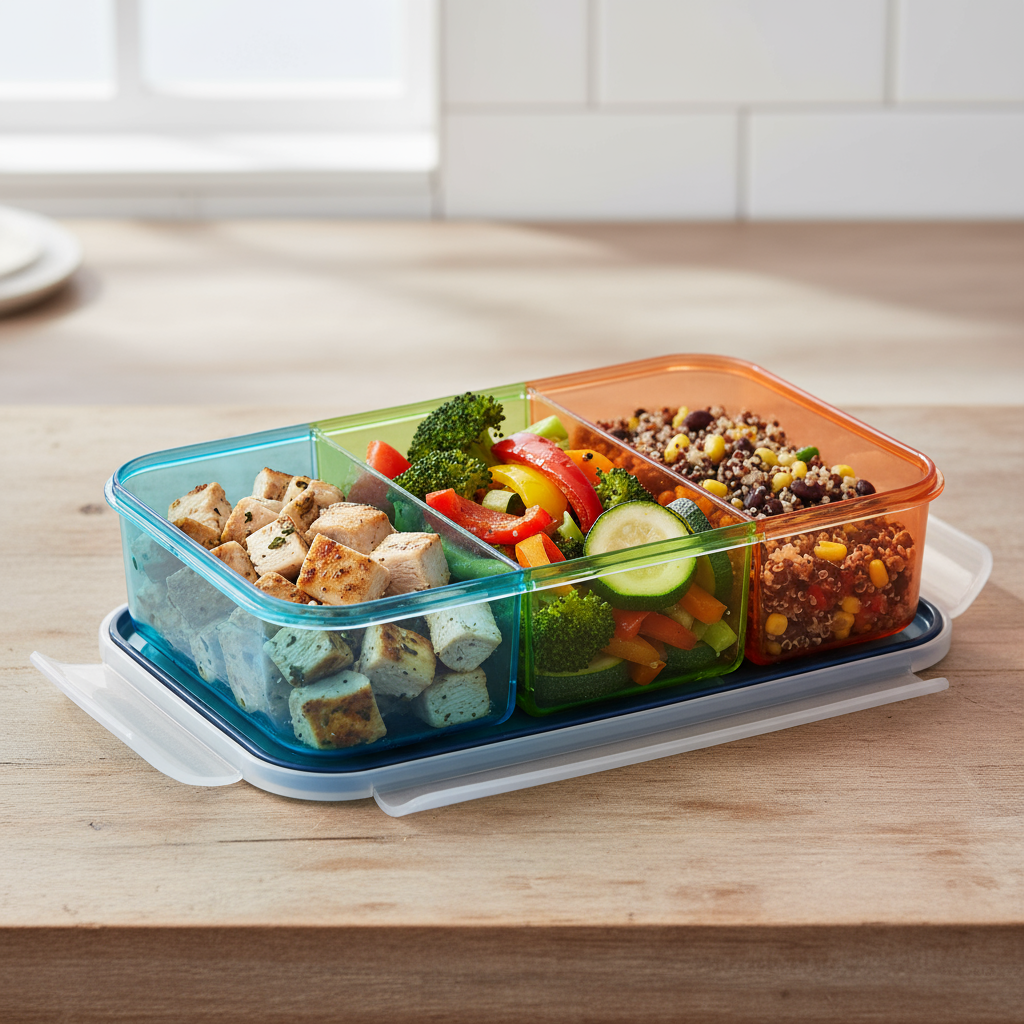
Here’s something most people don’t realize: when you eat might be just as important as what you eat when it comes to losing weight. Seriously. While we’re all obsessing over calories and macros (and trust me, those matter too), we’re often completely ignoring the timing piece of the puzzle. Your body’s metabolism isn’t some static machine—it’s more like a sophisticated orchestra that plays different tunes throughout the day. And when you time your meals right? That’s when the magic happens. We’re going to walk through exactly how meal timing affects your metabolism, share the optimal eating windows that actually work for weight loss, and give you practical ways to make this work in your real life. Because let’s be honest—knowing the theory is one thing, but making it stick? That’s where most of us struggle.
How Eating Time Affects Metabolism
Your metabolism is way more complex than you might think. It’s not just burning calories—it’s this intricate dance of chemical reactions that responds to when you fuel your body. And here’s where it gets interesting: your metabolism actually has a rhythm. Scientists call it chronenutrition, which sounds fancy but basically means your body expects food at certain times of day. When you eat late at night or skip meals randomly? You’re essentially throwing off this internal rhythm, and your body responds by storing more fat and burning less efficiently. Think of it like trying to sleep when someone keeps changing your bedtime—your body just can’t adapt properly.
Now, let’s talk hormones for a second (because they’re running the show here). When you eat affects insulin, ghrelin, and leptin—the big three that control your hunger and how your body uses energy. Mess with the timing, and these hormones get confused. You end up hungrier, your blood sugar goes on a roller coaster, and fat storage kicks into overdrive. But here’s the cool part: when you eat earlier in the day, your body actually burns more calories just digesting that food. It’s called the thermic effect, and it’s basically free calorie burning. Want to see how this pairs with exercise? Check out this guide on weight loss and resistance training to understand how metabolism benefits from combining smart meal timing with strength workouts. Late-night eating? Your digestive system is basically clocking out for the day, so those calories are more likely to get stored as fat. And if you’re curious about putting together meals that work with your timing strategy, this resource on healthy meal plans for weight loss can help you create the perfect combination.
Key Aspects of Eating Time and Metabolism
Let’s break down the main factors that make meal timing such a game-changer:
- Circadian Rhythms and Metabolic Efficiency: Your body has an internal clock that’s been fine-tuned over millions of years. When you eat during daylight hours, your insulin sensitivity is at its peak, meaning you process food more efficiently and store less fat.
- Hormonal Regulation and Appetite Control: Consistent meal times train your hunger hormones to behave predictably. Ghrelin (your hunger hormone) and leptin (your “I’m full” hormone) work better when they know what to expect.
- Thermic Effect of Food and Energy Expenditure: Your body works harder to digest food during the day compared to nighttime. It’s like getting a metabolism bonus just for eating at the right time.
- Interaction with Fasting and Eating Windows: Strategic fasting periods (like intermittent fasting) teach your body to become more flexible with fuel sources, making it easier to burn stored fat when food isn’t available.
Getting these metabolic principles down gives you a solid foundation for timing your meals strategically. Ready to dive into the specifics? Let’s look at exactly when you should be eating for maximum fat loss.
Optimal Meal Times for Weight Loss
Okay, so when should you actually eat? The research is pretty clear on this one, though it might surprise you how much timing matters. Breakfast really is important—but not for the reasons your grandmother told you. Eating within a couple hours of waking up jump-starts your metabolism and keeps your blood sugar stable all day long. Skip it, and you’re setting yourself up for intense cravings later (ever notice how skipping breakfast leads to that 3 PM vending machine raid?). Lunch works best sometime between noon and 2 PM, when your digestive fire is strongest. And dinner? Earlier is better—ideally finishing up 2-3 hours before bed so your body can focus on repair instead of digestion while you sleep.
Here’s where intermittent fasting comes into play beautifully. Instead of eating from morning until night, you compress your eating into a smaller window—often 8 hours or less. This extends your overnight fast, which is when your body really gets into fat-burning mode. But here’s the thing: you don’t have to go extreme to see benefits. Even shifting dinner an hour earlier can make a difference. Want to maximize your results? Pairing smart meal timing with adequate protein intake can amplify everything we’ve talked about. Protein keeps you fuller longer and preserves muscle while you’re losing fat. This comprehensive guide on weight loss and high protein diet shows you exactly how to combine quality nutrition with strategic timing for the best results.
Key Aspects of Optimal Meal Timing
Here’s what you need to focus on when planning your eating schedule:
- Early Breakfast Importance: Eating soon after you wake up signals to your body that it’s time to start burning fuel efficiently. It’s like turning on your metabolic engine for the day.
- Midday Meal Timing: Your digestive system is strongest around midday, making lunch the perfect time for your largest meal. This keeps your energy steady and prevents those afternoon energy crashes.
- Early Dinner Benefits: Finishing dinner earlier gives your body time to properly digest before sleep, reduces late-night snacking temptations, and often leads to better sleep quality too.
- Intermittent Fasting Synergy: Condensing your eating into a specific window amplifies all these benefits while making calorie control almost automatic. It’s like putting your weight loss on cruise control.

Here’s what you need to know about meal timing for weight loss: it’s not just about what you eat or how much—it’s about when. Your body has its own internal clock, and when you work with it instead of against it, amazing things happen. We’ve covered how breakfast kickstarts your metabolism (and why skipping it might backfire), how lunch during those peak midday hours keeps your energy steady, and why an earlier dinner is your secret weapon for better sleep and fat burning.
Now, let’s talk about intermittent fasting. When you combine it with smart meal timing? That’s where the magic happens. You’re not just compressing your eating window—you’re giving your body extended periods to actually burn through stored fat. Plus, we walked through those practical strategies for making changes without feeling miserable. Because let’s be honest, if you’re constantly fighting hunger and cravings, you’re not going to stick with it. The key is making gradual adjustments, tracking what works for you, and staying hydrated along the way.
Ready to put this into action? Start small. Have breakfast within two hours of waking up. Schedule lunch between noon and 2 PM when your digestive system is firing on all cylinders. And here’s the big one—finish dinner at least 2-3 hours before bed. Your body will thank you for it. Want to take things further? Check out our weight loss and resistance training guide to see how strength training fits into your timing strategy. High-protein foods are going to be your best friend here too—our weight loss and high protein diet guide breaks down exactly why. If you’re a tech person like me, you’ll love the tools in our weight loss and fitness apps guide for tracking everything seamlessly. And when meal planning feels overwhelming (it happens to all of us), these meal planning tips will save your sanity.
Look, I get it—weight loss can feel like an uphill battle. But here’s the thing: you’re not fighting your body anymore. You’re working with it. These aren’t quick fixes or magic bullets. They’re sustainable strategies that actually make sense when you understand how your metabolism really works. Start with one small change today. Maybe it’s eating breakfast an hour earlier, or moving dinner up by 30 minutes. Whatever feels doable for you right now. Because the best plan is the one you’ll actually follow. You’ve got the knowledge—now trust yourself to use it.
Frequently Asked Questions
-
Is there a best time of day to eat for everyone?
- Meal timing varies depending on individual lifestyles, metabolic rates, and health conditions. Personalizing your schedule based on how your body responds is key.
-
Can skipping breakfast help with weight loss?
- Skipping breakfast works for some intermittent fasting approaches but isn’t effective for everyone. It’s important to choose what fits your metabolism and hunger cues.
-
How does intermittent fasting affect weight loss?
- Intermittent fasting limits eating windows, improving insulin sensitivity and promoting fat burning, which supports sustainable weight loss.
-
What if I eat late at night?
- Eating late disrupts metabolic rhythms and may increase fat storage, making weight loss more difficult. Early dinners are generally recommended.
-
How important is consistency in meal timing?
- Consistency helps regulate hunger hormones, supports metabolic efficiency, and fosters sustainable weight management over time.