
Optimal Berberine Timing? Nutritionist Insights on Best Time to Take Berberine for Weight Loss
Berberine has emerged as one of the most researched natural compounds for metabolic support and weight management. This alkaloid, found in plants like goldenseal and barberry, has gained significant attention in the wellness community for its potential to influence blood sugar regulation, insulin sensitivity, and overall metabolic health. However, many people asking about the best time to take berberine for weight loss don’t realize that timing can substantially affect how effectively this supplement works within your body.
The question of optimal berberine timing isn’t just about convenience—it’s about maximizing bioavailability and aligning supplementation with your body’s natural rhythms and eating patterns. Research suggests that when you take berberine, how often you take it, and what you consume alongside it can all influence its effectiveness for weight loss and metabolic support. This comprehensive guide explores what nutritionists and researchers have discovered about berberine timing, dosing protocols, and how to integrate this supplement into a sustainable weight loss strategy.
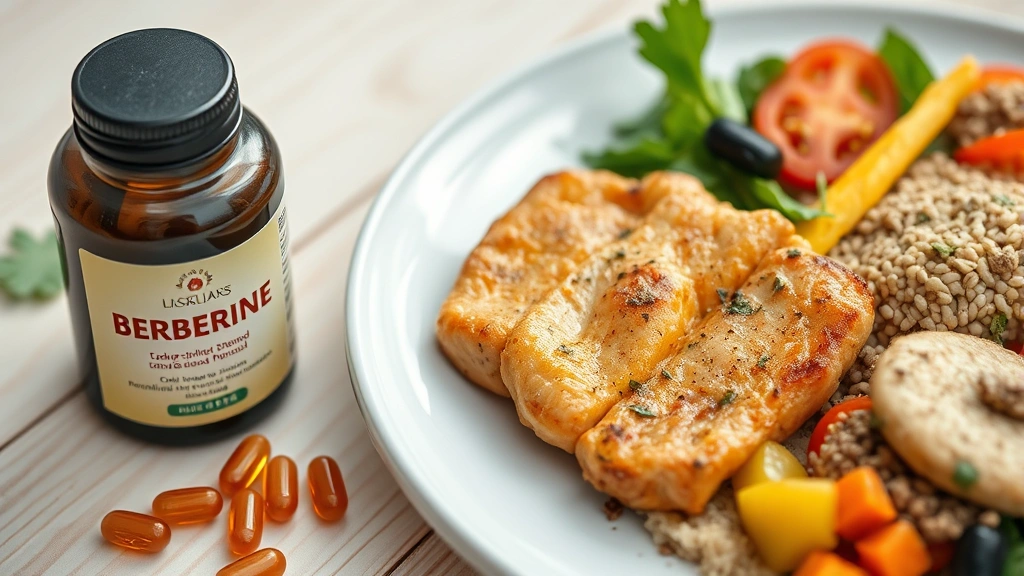
Understanding Berberine and Its Metabolic Effects
Before diving into timing strategies, it’s essential to understand how berberine actually works in your body. Berberine is a plant alkaloid that has been used in traditional Chinese and Ayurvedic medicine for centuries. Modern scientific research has validated many traditional uses, particularly regarding metabolic regulation.
According to research published in clinical nutrition journals, berberine activates an enzyme called AMP-activated protein kinase (AMPK), sometimes called the metabolic master switch. This activation triggers several beneficial cascades: improved glucose uptake by cells, enhanced insulin sensitivity, increased fat oxidation, and modulation of gut bacteria composition. These mechanisms make berberine theoretically valuable for weight loss, particularly for individuals struggling with insulin resistance or metabolic syndrome.
Studies have shown berberine can help regulate blood sugar levels, reduce inflammation markers, and support healthy cholesterol profiles. A landmark study found that berberine’s effects on metabolic markers were comparable to some pharmaceutical interventions, though it works through natural mechanisms. However, berberine has relatively low bioavailability—meaning your body doesn’t absorb all of what you consume. This is precisely why timing and protocol matter significantly.

Best Time of Day to Take Berberine
Nutritionists generally recommend taking berberine with meals, specifically with your largest or most carbohydrate-dense meals of the day. This timing strategy serves multiple purposes. First, taking berberine with food significantly improves absorption rates. Studies show that berberine taken with meals has substantially better bioavailability than berberine taken on an empty stomach. The digestive process and presence of food in your gastrointestinal tract enhance the compound’s uptake into your bloodstream.
Second, and equally important, consuming berberine with meals—particularly meals containing carbohydrates—positions the supplement to work when it’s needed most. Since berberine helps regulate glucose metabolism and insulin response, taking it alongside carbohydrate-containing foods allows it to exert its blood sugar-moderating effects right when your body is processing those carbohydrates. This timing amplifies berberine’s potential benefit for preventing blood sugar spikes and supporting insulin sensitivity.
Most nutritionists recommend taking berberine with breakfast and dinner, or with lunch and dinner if you prefer a twice-daily protocol. Morning dosing can support healthy blood sugar response throughout the day and may provide sustained energy benefits. Evening dosing helps moderate any carbohydrate intake from dinner and can support overnight metabolic processes. Some research suggests that spreading doses throughout the day maintains more consistent AMPK activation than taking a single large dose.
If you’re following a specific meal timing strategy or intermittent fasting protocol, adjust your berberine timing accordingly. The principle remains: take berberine when you’re eating, ideally with meals containing carbohydrates or proteins that trigger digestive activity.
Berberine Dosing Schedule for Weight Loss
The typical berberine dosing protocol studied in clinical research involves 500mg taken two to three times daily, totaling 1000-1500mg per day. This dosing schedule, divided throughout the day, appears more effective than single-dose protocols. Dividing your berberine intake optimizes absorption and maintains steadier metabolic support.
A common research-backed protocol involves:
- 500mg with breakfast (ideally with a meal containing complex carbohydrates)
- 500mg with lunch (optional, particularly if you want maximum metabolic support)
- 500mg with dinner (with your largest or most carbohydrate-dense meal)
Some individuals find that starting with a lower dose—such as 500mg once or twice daily—and gradually increasing helps minimize digestive adjustments. Berberine can affect gut bacteria composition, which sometimes causes temporary digestive changes. A gradual approach allows your system to adapt more comfortably.
Duration matters too. Most clinical studies examining berberine for weight loss used protocols lasting 8-12 weeks minimum, with many extending 3-6 months. This timeframe allows sufficient time to observe metabolic changes and weight loss results. Short-term supplementation provides limited benefit; berberine works best as part of a consistent, long-term protocol.
Food Interactions and Meal Timing
The type of food you consume with berberine influences both absorption and effectiveness. Berberine’s fat-soluble nature means consuming it with dietary fat can enhance absorption. A meal containing healthy fats—olive oil, nuts, avocado, or fatty fish—alongside your berberine dose optimizes bioavailability.
However, berberine is most metabolically useful when paired with carbohydrate-containing meals because that’s when your body needs glucose regulation support most. Ideally, your berberine doses should coincide with meals containing both carbohydrates and some healthy fat. This combination provides the absorption advantage while positioning berberine to support blood sugar management when it matters most.
Consider pairing berberine with high-fiber foods for weight loss, which naturally support metabolic health and create an synergistic effect. Fiber slows carbohydrate absorption, which complements berberine’s blood sugar-regulating mechanisms. Meals combining berberine, fiber-rich vegetables, lean protein, and healthy fats create an optimal metabolic environment for weight loss support.
Avoid taking berberine with calcium supplements or calcium-rich foods immediately before or after dosing, as calcium can reduce berberine absorption. If you take calcium supplements, separate them by at least 2-3 hours from berberine doses. Similarly, certain medications and supplements may interact with berberine, so consult with a healthcare provider about your specific situation.
Combining Berberine with Exercise and Hydration
Berberine’s metabolic benefits amplify significantly when combined with regular physical activity. The supplement enhances glucose uptake and insulin sensitivity—mechanisms that exercise also triggers. Taking berberine before or with meals consumed before exercise creates a synergistic effect. Some research suggests that berberine may enhance the metabolic adaptations from exercise training.
Consider timing your berberine doses strategically around your workout schedule. Taking berberine with a pre-workout meal can prime your metabolic machinery for exercise. The supplement’s AMPK activation may enhance fat oxidation during your workout, potentially improving exercise efficiency for weight loss. Post-workout, another berberine dose with your recovery meal supports the anabolic and metabolic processes triggered by training.
Learn more about optimizing your overall fitness strategy by reading about best time of day to exercise for weight loss, which provides complementary timing strategies for maximum metabolic benefit.
Hydration status directly influences berberine metabolism and effectiveness. Adequate water intake supports kidney function, which processes and excretes berberine metabolites. Additionally, weight loss and water intake work together synergistically—proper hydration supports metabolic function, enhances exercise performance, and helps your body efficiently process supplements like berberine.
Aim for adequate daily hydration (typically half your body weight in ounces, adjusted for activity level and climate) to support berberine metabolism and overall weight loss efforts. Some research suggests that combining berberine with consistent hydration and regular movement creates a more comprehensive metabolic support protocol than berberine alone.
Consistency and Long-Term Protocol
Perhaps the most important timing consideration is consistency. Berberine’s benefits accumulate over time through consistent daily use. Taking berberine sporadically or irregularly won’t produce meaningful metabolic changes. The supplement needs to be part of your daily routine, taken at the same times each day, to maintain steady AMPK activation and metabolic support.
Setting specific times for berberine doses—such as with breakfast at 7am and dinner at 6pm—creates a sustainable habit. Many people find success using meal times as their trigger for remembering berberine supplementation. When berberine becomes as automatic as eating, consistency naturally follows.
The synergistic approach to weight loss involves combining berberine timing with other evidence-based strategies. Your berberine protocol should complement a comprehensive approach including healthy meal plans for weight loss, regular physical activity, adequate sleep, and stress management. Berberine is a tool within a larger system, not a standalone solution.
Research indicates that individuals who combine berberine supplementation with dietary improvements and exercise experience significantly better weight loss results than those using berberine alone. This suggests that timing berberine with your overall lifestyle practices—meals, workouts, hydration, and sleep schedule—optimizes its effectiveness.
Safety Considerations and Potential Side Effects
While berberine is generally well-tolerated, timing and dosing affect how your body responds. The most common side effects include digestive changes—bloating, constipation, or diarrhea—particularly when beginning supplementation. These effects often relate to berberine’s influence on gut bacteria composition. Starting with lower doses and gradually increasing helps minimize these adjustments.
Taking berberine with food reduces digestive side effects compared to empty stomach consumption. This is another reason nutritionists recommend the meal-based timing protocol. The food buffers your digestive system while improving absorption simultaneously.
Berberine may lower blood sugar levels, which is beneficial for weight loss but requires monitoring if you take diabetes medications or have blood sugar regulation concerns. If you’re on medications affecting blood sugar, glucose, or cholesterol metabolism, consult a healthcare provider before starting berberine supplementation. Similarly, berberine may interact with certain medications, particularly those metabolized by the liver.
Pregnant and nursing women should avoid berberine, as safety in these populations hasn’t been established. Individuals with hypotension (low blood pressure) should monitor their response, as berberine may have modest blood pressure-lowering effects in some people.
The quality and purity of berberine supplements vary significantly between manufacturers. Choose supplements from reputable companies that provide third-party testing documentation. This ensures you’re receiving a genuine, uncontaminated product at the stated dosage. Timing an inferior product won’t produce the research-supported benefits.
If you experience persistent side effects, unusual symptoms, or have underlying health conditions, consult a registered dietitian or healthcare provider before continuing berberine supplementation. Professional guidance ensures you’re using berberine safely and appropriately for your individual circumstances.
IMAGE_2
Beyond berberine, comprehensive weight loss support involves addressing cardiovascular health, strength training, and nutritional completeness. Consider exploring resources on how to improve cardiovascular health to understand how aerobic fitness supports metabolic health and weight loss sustainability. Additionally, best exercises for core strengthening provides complementary strength training strategies that enhance metabolic function when combined with berberine supplementation.
IMAGE_3
FAQ
What is the absolute best time to take berberine for weight loss?
The optimal time is with your largest or most carbohydrate-dense meals, typically lunch and dinner. This timing maximizes absorption while positioning berberine to support blood sugar regulation when your body needs it most. Taking berberine with food significantly improves bioavailability compared to empty stomach consumption.
Can I take berberine on an empty stomach?
While technically possible, empty stomach consumption is not recommended. Berberine has poor bioavailability on an empty stomach, meaning your body absorbs less of it. Additionally, empty stomach consumption increases the likelihood of digestive side effects. Always take berberine with meals for optimal absorption and tolerability.
How long does berberine take to show weight loss results?
Most clinical studies required 8-12 weeks of consistent supplementation to observe meaningful metabolic changes and weight loss. Some individuals notice improvements in energy, digestion, or blood sugar stability within 2-4 weeks, but significant weight loss typically requires 3+ months of consistent use combined with dietary and lifestyle modifications.
Should I take berberine with breakfast, lunch, or dinner?
The most effective protocol involves taking berberine with two meals daily—typically breakfast and dinner, or lunch and dinner. This divides your daily dose, maintaining more consistent metabolic support. Choose meals that naturally contain carbohydrates and some healthy fat. If following intermittent fasting, time berberine doses with your eating windows.
Does berberine interact with food or other supplements?
Berberine works best with meals containing both carbohydrates and healthy fats. Avoid taking berberine simultaneously with calcium supplements, as calcium reduces berberine absorption. Separate these by 2-3 hours. Berberine may interact with certain medications, particularly those affecting blood sugar or liver function. Consult a healthcare provider about your specific situation.
Can I take berberine before or after workouts?
Yes, timing berberine doses around workouts can enhance metabolic benefits. Taking berberine with a pre-workout meal primes your metabolism for exercise. Post-workout, another dose with your recovery meal supports metabolic adaptation from training. This strategy leverages both berberine’s and exercise’s metabolic effects.
What dosage and schedule do nutritionists recommend?
Research supports 500mg taken two to three times daily with meals, totaling 1000-1500mg per day. A common protocol is 500mg with breakfast and 500mg with dinner. Some people include a midday dose. Start with lower doses if new to berberine, gradually increasing to assess tolerance and allow digestive adaptation.
How does berberine compare to weight loss medications?
Berberine works through natural metabolic mechanisms—primarily AMPK activation—rather than appetite suppression like some medications. Clinical research shows berberine’s effects on blood sugar and metabolic markers rival some pharmaceutical interventions, but it typically produces more modest weight loss. Berberine works best combined with dietary and lifestyle changes rather than as a standalone solution.
Is berberine safe for long-term daily use?
Yes, berberine appears safe for long-term supplementation based on clinical research. Studies have examined berberine use for 3-6 months without serious adverse effects. However, individual responses vary. Those with underlying health conditions, taking medications, or pregnant/nursing should consult healthcare providers. Quality supplements from reputable manufacturers ensure safety and efficacy.


