
Top Menopause Weight Loss Pills? Expert Reviewed
Menopause brings significant hormonal shifts that can make weight management feel like an uphill battle. Many women experience increased appetite, slower metabolism, and changes in how their body distributes fat—particularly around the midsection. If you’re struggling with menopause-related weight gain, you’re not alone. Approximately 80% of women gain weight during the menopausal transition, with an average gain of 5 pounds over a 5-year period.
The question of whether weight loss pills can help during menopause is complex and deserves a thoughtful, evidence-based answer. This comprehensive guide reviews the best options available, explains how they work, and helps you make informed decisions alongside your healthcare provider. We’ll explore prescription medications, over-the-counter supplements, and lifestyle strategies that actually work for menopausal weight loss.
Understanding Menopause Weight Gain
The hormonal changes during menopause directly impact your metabolism and weight. Estrogen plays a crucial role in regulating appetite, body temperature, and how your body stores fat. When estrogen levels decline, your body becomes more efficient at storing fat and less efficient at burning it. Additionally, progesterone decreases, which can increase hunger and cravings.
Beyond hormones, menopause coincides with natural aging processes. Your basal metabolic rate decreases by approximately 2-8% per decade after age 30, meaning you burn fewer calories at rest. Muscle mass also declines without intentional strength training, further reducing calorie expenditure. Sleep quality often deteriorates during menopause due to hot flashes and night sweats, and poor sleep is linked to weight gain and increased hunger hormones.
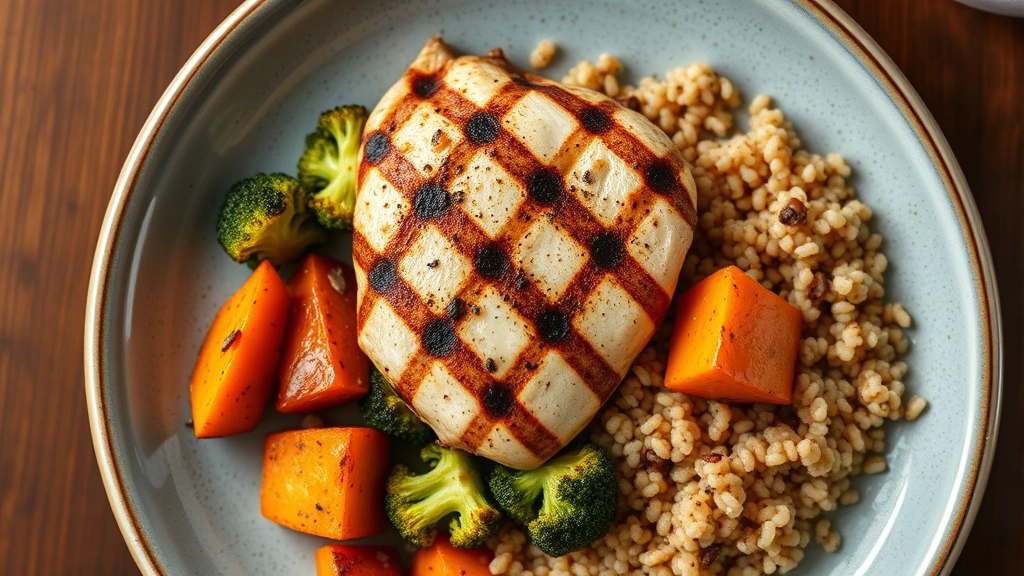
Understanding these biological changes is essential before considering any weight loss intervention. Pills alone cannot overcome the fundamental metabolic shifts happening in your body. The most effective approach combines medication (if appropriate), dietary changes like focusing on best vegetables for weight loss, exercise, and lifestyle modifications.

FDA-Approved Prescription Weight Loss Medications
If lifestyle changes alone haven’t produced results, your doctor might recommend FDA-approved weight loss medications. These are the most rigorously tested options available.
Phentermine (Adipex-P, Lomaira)
Phentermine is a sympathomimetic amine that suppresses appetite and increases energy expenditure. It’s been used for decades and has a well-established safety profile when used appropriately. For menopausal women, phentermine can be effective for short-term weight loss (12 weeks or less), though some physicians prescribe it off-label for longer periods under careful monitoring.
How it works: Phentermine stimulates the central nervous system, reducing hunger signals and boosting metabolism. Many women report increased energy, which can help with exercise adherence.
Effectiveness: Studies show average weight loss of 5-10 pounds over 12 weeks, though results vary significantly.
Considerations: Not suitable for women with heart conditions, high blood pressure, or those taking certain medications. Can cause insomnia, anxiety, and increased heart rate.
Orlistat (Xenical, Alli)
Orlistat works differently than phentermine—it’s a lipase inhibitor that prevents your intestines from absorbing about 30% of dietary fat. This makes it one of the few options available over-the-counter at lower doses.
How it works: Blocks fat digestion in the gastrointestinal tract, reducing overall calorie absorption. Requires a low-fat diet to minimize side effects.
Effectiveness: Modest results, with average weight loss of 2-3 pounds more than diet alone over six months.
Considerations: Can cause oily spotting, urgency to have bowel movements, and frequent stools. Generally well-tolerated with minimal systemic side effects.
GLP-1 Receptor Agonists (Ozempic, Wegovy, Mounjaro)
These medications have revolutionized weight loss treatment. Originally developed for diabetes management, GLP-1 agonists have shown remarkable effectiveness for weight loss in recent clinical trials. Research from the National Institutes of Health demonstrates average weight loss of 15-22% of body weight with semaglutide (Wegovy) over 68 weeks.
How they work: Mimic glucagon-like peptide-1, a hormone that regulates appetite and blood sugar. They increase feelings of fullness, slow gastric emptying, and reduce hunger signals in the brain.
Effectiveness: Among the most effective weight loss medications available, with sustained results when continued.
Considerations: Expensive, require weekly injections, potential side effects include nausea, vomiting, and gastrointestinal issues. There’s also debate about weight regain after discontinuation. Not yet extensively studied specifically in menopausal women, though no contraindications exist.
Phendimetrazine (Bontril)
Similar to phentermine but with slightly different pharmacology. Some patients respond better to phendimetrazine if phentermine hasn’t worked or caused unacceptable side effects.
How it works: Sympathomimetic amine that suppresses appetite and increases metabolism.
Effectiveness: Comparable to phentermine, with average weight loss of 5-10 pounds over 12 weeks.
Considerations: Similar contraindications and side effects as phentermine. Limited long-term safety data.
Expert Tip: Prescription weight loss medications work best when combined with structured diet and exercise programs. Studies show that medication alone typically results in weight regain within months of discontinuation if lifestyle changes aren’t maintained.
Popular Over-the-Counter Supplements
Many over-the-counter supplements claim to support weight loss during menopause. The evidence for most is limited, but some show modest promise.
Conjugated Linoleic Acid (CLA)
CLA is a naturally occurring fatty acid found in dairy and beef. Some research suggests it may help reduce body fat while preserving lean muscle mass.
Evidence: Mixed results in studies, with some showing modest fat loss of 1-2 pounds over 12 weeks. Effects are generally small and variable.
Caffeine and Green Tea Extract (EGCG)
Caffeine increases metabolism and fat oxidation, while EGCG (epigallocatechin gallate) from green tea has antioxidant properties. The combination may provide modest metabolic benefits.
Evidence: Moderate evidence supports a 2-3% increase in fat oxidation with regular consumption. Research published in the American Journal of Clinical Nutrition shows consistent but modest effects across multiple studies.
Caution: May cause jitteriness, sleep disruption, and anxiety—particularly problematic during menopause when sleep quality is already compromised.
Glucomannan (Soluble Fiber)
This soluble fiber from the konjac plant absorbs water and expands in your stomach, promoting fullness. It’s relatively safe and may help with appetite control.
Evidence: Moderate evidence for modest weight loss when combined with calorie restriction.
Important: Must be taken with adequate water to prevent choking or intestinal blockage. Not suitable for women with swallowing difficulties.
Conjugated Estrogen Supplements
Some supplements claim to contain plant-based estrogens (phytoestrogens) from sources like red clover and black cohosh. Marketing suggests these might offset menopause weight gain.
Evidence: The North American Menopause Society notes limited evidence for phytoestrogens’ effects on weight loss. While they may help with hot flashes and mood, weight loss benefits are not well-established.
Natural Approaches and Lifestyle Strategies
The most sustainable weight loss during menopause comes from lifestyle modifications. These approaches have the strongest evidence base and no significant side effects.
Dietary Interventions
What you eat matters profoundly during menopause. Focus on whole foods, adequate protein, and consistent meal timing. Incorporating smoothies for weight loss recipes can help you maintain nutrition while reducing calories. Protein is particularly important during menopause because it supports muscle maintenance, improves satiety, and has a higher thermic effect than carbohydrates or fats.
Target: 1.2-1.6 grams of protein per kilogram of body weight daily. For a 150-pound woman, this equals approximately 80-110 grams of protein daily.
Consider trying weight loss with intermittent fasting, which some menopausal women find helpful for appetite regulation, though it’s not suitable for everyone.
Exercise and Physical Activity
Exercise is non-negotiable for menopausal weight management. Combine resistance training with cardiovascular exercise.
Resistance Training: 2-3 times weekly to preserve and build muscle mass. Best exercises for core strengthening are particularly valuable as menopausal weight gain often accumulates around the abdomen.
Cardiovascular Exercise: 150 minutes of moderate-intensity activity weekly, or weight loss and interval training for more efficient calorie burning.
Why it works: Exercise improves insulin sensitivity, which deteriorates during menopause. It also helps regulate appetite hormones and improves sleep quality.
Sleep Optimization
Poor sleep during menopause directly increases weight gain risk. Hot flashes and night sweats disrupt sleep, raising cortisol and ghrelin (hunger hormone) while lowering leptin (satiety hormone).
Strategies: Keep your bedroom cool (65-68°F), use moisture-wicking bedding, avoid caffeine after 2 PM, and consider discussing sleep aids with your doctor if hot flashes are severe.
Stress Management
Cortisol elevation from chronic stress promotes abdominal fat storage. Menopause often coincides with high-stress life periods (aging parents, career changes, empty nest). Meditation, yoga, and consistent relaxation practices are invaluable.
Combining Pills with Diet and Exercise
The most successful weight loss approaches integrate multiple strategies. Research consistently shows that medication combined with behavioral interventions produces superior results compared to medication or lifestyle changes alone.
Optimal approach:
- Start with lifestyle modifications: structured diet and exercise program
- If results plateau after 3-6 months, consider adding medication under medical supervision
- Continue dietary and exercise habits while taking medication
- Plan for long-term adherence—medication is most effective as an ongoing tool, not a temporary fix
For meal planning, healthy slow cooker recipes for weight loss can simplify preparation and ensure consistency. The convenience of prepared meals reduces reliance on processed foods.
Key Finding: According to the CDC, combining behavioral therapy with medication produces weight loss of 10-15% of body weight, compared to 5-10% with medication alone.
Safety Considerations and Side Effects
Before starting any weight loss medication, understand potential risks and side effects specific to menopausal women.
Cardiovascular Concerns
Menopausal women have increased cardiovascular disease risk due to declining estrogen. Some weight loss medications (particularly sympathomimetic amines like phentermine) increase heart rate and blood pressure. Medical clearance is essential before starting these medications.
Drug Interactions
Many menopausal women take hormone replacement therapy (HRT), antidepressants (for mood and hot flashes), or other medications. Weight loss pills can interact with these. Always disclose all medications to your prescribing physician.
Gastrointestinal Side Effects
Orlistat and GLP-1 agonists commonly cause GI issues. For women already experiencing menopausal digestive changes, this can be problematic.
Mental Health Considerations
Sympathomimetic medications can worsen anxiety or trigger mood changes. Menopause already increases depression and anxiety risk—careful monitoring is necessary.
Bone Health
Rapid weight loss during menopause can accelerate bone density loss, a particular concern as osteoporosis risk increases. Adequate protein intake and resistance training become even more critical when taking weight loss medications.
When to Consult Your Doctor
Schedule a consultation with your healthcare provider before starting any weight loss medication or supplement if you have:
- History of heart disease, high blood pressure, or arrhythmias
- Thyroid disorders or taking thyroid medication
- Mental health conditions like anxiety or depression
- Type 2 diabetes or prediabetes
- Kidney or liver disease
- History of eating disorders
- Uncontrolled high blood pressure
- Pregnancy or breastfeeding (though unlikely during menopause, still relevant for some)
Your doctor can assess whether medication is appropriate, which option suits your health profile best, and monitor for side effects during treatment.
Consider requesting a referral to a registered dietitian who specializes in menopause nutrition. The Academy of Nutrition and Dietetics can help you find qualified professionals in your area. A dietitian can create a personalized nutrition plan that complements any medication you’re taking.
FAQ
Are weight loss pills safe during menopause?
FDA-approved prescription medications are generally safe when prescribed appropriately by a healthcare provider familiar with your medical history. However, menopausal women require careful evaluation due to increased cardiovascular risk and potential interactions with HRT or other medications. Over-the-counter supplements have varying safety profiles—some are well-tolerated, while others may worsen menopausal symptoms like anxiety or sleep disruption.
How much weight can I expect to lose with medication?
Results vary significantly based on the medication, your individual metabolism, and adherence to diet and exercise. Prescription medications typically produce 5-10 pounds of additional weight loss over 12 weeks compared to diet and exercise alone. GLP-1 agonists are more effective, averaging 15-22% body weight loss over 68 weeks. Over-the-counter supplements typically produce minimal additional weight loss (1-3 pounds).
Will I regain weight after stopping medication?
Weight regain is common if lifestyle changes aren’t maintained. Studies show that without continued diet and exercise modifications, most weight loss from medication is regained within 12 months of discontinuation. This is why combining medication with permanent lifestyle changes is essential.
Can I take weight loss pills while on hormone replacement therapy?
Some combinations are safe, while others require careful monitoring. Your prescribing physician needs to know about all HRT medications you’re taking. Generally, most weight loss medications can be used alongside HRT, but dosage adjustments or additional monitoring might be necessary.
How long can I safely take weight loss medication?
This depends on the medication. Phentermine is typically prescribed for 12 weeks or less due to tolerance development and potential dependence. GLP-1 agonists can be used long-term. Discuss duration with your doctor based on your specific medication and health status. Regular follow-up appointments ensure the medication continues to be appropriate and effective.
What’s the best weight loss pill for menopause specifically?
There’s no single “best” pill for all menopausal women. The most appropriate choice depends on your medical history, current medications, side effect tolerance, and personal preferences. GLP-1 agonists show the most impressive results but are expensive and require injections. Phentermine is effective and affordable but requires careful cardiovascular monitoring. Orlistat is safest but least effective. Work with your healthcare provider to determine the best option for your situation.
Should I try diet and exercise alone first?
Yes, most medical organizations recommend starting with lifestyle modifications. These produce sustainable results, improve overall health beyond weight loss, and have no side effects. If after 3-6 months of consistent effort you haven’t achieved desired results, medication can be added to accelerate progress. This stepped approach is evidence-based and reduces unnecessary medication exposure.
Can supplements replace prescription medications?
Over-the-counter supplements have much more modest effects than prescription medications. If lifestyle changes alone haven’t worked and your doctor recommends medication, supplements alone are unlikely to be sufficient. However, supplements can complement a comprehensive weight loss program that includes diet, exercise, and sometimes prescription medication.


