
Top Weight Loss Shakes? Nutritionist Picks for Effective Results
Finding the best weight loss shakes can feel overwhelming with countless options flooding the market. Whether you’re looking to replace meals, boost protein intake, or support your weight management journey, selecting a shake that aligns with your nutritional needs and goals is crucial. As a nutrition-focused content creator, I’ve researched extensively to help you understand what makes certain shakes effective for weight loss and which ones nutritionists actually recommend.
Weight loss shakes serve multiple purposes in a comprehensive wellness strategy. They can provide portion-controlled nutrition, reduce hunger between meals, support metabolic rate improvements, and deliver essential nutrients when used strategically. However, not all shakes are created equal. Some contain excessive sugar, artificial ingredients, or insufficient protein to support sustainable weight loss. This guide breaks down what nutritionists look for and which products genuinely deliver results.
What Makes a Weight Loss Shake Effective
The most effective weight loss shakes share several key characteristics that distinguish them from regular protein drinks. Protein content should be substantial—typically 20-30 grams per serving—to promote satiety and preserve lean muscle mass during calorie reduction. This is especially important because when you’re losing weight, your body can break down muscle tissue along with fat if protein intake is insufficient.
Beyond protein, successful weight loss shakes contain minimal added sugars (ideally under 5 grams) and rely on sugar alcohols or natural sweeteners instead. They should include fiber to support digestive health and promote feelings of fullness longer. Nutritionists also prioritize shakes with whole food-based ingredients rather than long lists of artificial additives, fillers, or unrecognizable chemicals.
The calorie profile matters significantly. Most effective weight loss shakes range from 150-250 calories per serving, making them suitable for meal replacement or substantial snacks. However, context is important—a 300-calorie shake might be appropriate if you’re combining it with best cardio exercises for weight loss as part of a structured program.
Micronutrient density is another crucial factor. The best shakes aren’t just calorie-counting tools; they’re nutrition delivery systems. They should provide meaningful amounts of vitamins, minerals, and beneficial compounds that support overall health during your weight loss journey.
Top Nutritionist-Recommended Shakes
Orgain Organic Protein Shake consistently ranks high among nutritionists’ recommendations. These shakes contain 20 grams of organic plant-based protein, include fiber for digestive support, and use stevia and monk fruit for sweetening rather than artificial sweeteners. With only 1-2 grams of sugar and around 150 calories, they’re genuinely useful for weight management. The ingredient list reads like actual food, which many registered dietitians appreciate.
Isopure Zero Carb appeals to those following lower-carbohydrate approaches to weight loss. With 20 grams of protein and truly zero carbohydrates, these shakes are very low in calories and contain no sugar. They’re particularly useful as post-workout nutrition or between-meal hunger management without derailing your caloric goals.
Premier Protein Shakes offer 30 grams of protein per serving with only 1 gram of sugar and 160 calories. Nutritionists appreciate the high protein-to-calorie ratio, which maximizes satiety without excess calories. They’re widely available and reasonably priced, making them accessible for long-term use.
Fairlife Core Power provides 20-42 grams of protein depending on the version, with real milk-based ingredients and minimal additives. The high protein content supports muscle preservation during weight loss, and the lack of artificial sweeteners appeals to those seeking cleaner nutrition.
Vega Protein Powder (when mixed with appropriate liquids) delivers plant-based options for those avoiding dairy. With 20 grams of protein and added greens, it supports broader nutritional needs beyond simple protein supplementation.
For those seeking weight loss peptides combined with shake formulations, some advanced products incorporate peptide technology for enhanced satiety and metabolic support, though these represent a premium category.
Protein Content and Satiety
Protein is the most satiating macronutrient, meaning it keeps you feeling full longer than carbohydrates or fat. When selecting weight loss shakes, prioritize those with at least 20 grams of protein per serving. Research published in nutrition journals consistently demonstrates that higher protein intake supports weight loss through multiple mechanisms: increased thermogenesis (calories burned during digestion), preservation of lean muscle mass, and reduced hunger hormones.
The type of protein matters as well. Whey protein isolate absorbs quickly and provides all essential amino acids, making it excellent for post-workout nutrition. Plant-based proteins like pea, hemp, and brown rice proteins work well for those with dairy sensitivities, though they may require blending multiple sources for complete amino acid profiles. Casein protein digests slowly, providing sustained satiety over several hours—an advantage for meal replacement.
The interaction between protein and other nutrients enhances satiety further. A shake containing 25 grams of protein, 5 grams of fiber, and healthy fats from MCT oil or nuts will keep you satisfied longer than a shake with only protein. This is why examining the complete nutritional profile, rather than focusing on protein alone, matters for real-world weight loss success.
Understanding your personal response is important too. Some people find shakes adequately filling; others experience renewed hunger shortly after. If you’re in the latter category, look for shakes with higher fiber content or consider adding fiber supplements to extend satiety duration.
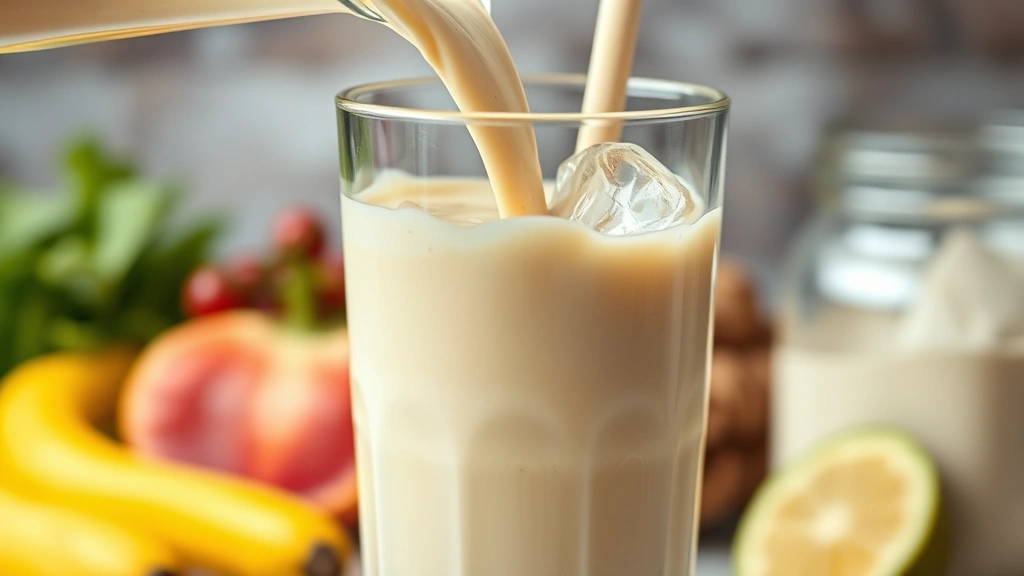
Ingredient Quality Matters
The rise of ingredient transparency in nutrition has revealed that many commercial shakes contain questionable additives. Artificial sweeteners like aspartame, sucralose, and acesulfame potassium remain legal and common, but many nutritionists recommend limiting them. While not inherently harmful, some people report digestive sensitivity or continued sweet cravings when consuming artificial sweeteners regularly.
Natural sweetener alternatives like stevia, monk fruit, and sugar alcohols (erythritol, xylitol) offer better options for most people. These provide sweetness without calories or blood sugar impact, supporting weight loss goals without the drawbacks some associate with artificial options.
Watch for thickeners and stabilizers like gums and cellulose. While generally safe, excessive amounts can cause bloating or digestive discomfort in sensitive individuals. Quality shakes use minimal thickening agents.
The presence of added oils and fats should be intentional. Medium-chain triglycerides (MCTs) from coconut oil are metabolically useful and support satiety. However, some shakes add vegetable oils primarily for mouthfeel and shelf stability—these offer less nutritional benefit.
Vitamin and mineral fortification varies significantly. Better shakes include bioavailable forms of nutrients (like methylcobalamin for B12 rather than cyanocobalamin) and meaningful quantities—not just token amounts to list on the label. Check that iron, calcium, and vitamin D levels support your individual needs, especially if you’re relying on shakes for significant portions of your nutrition.
For those concerned about weight loss and insulin resistance, ingredient selection becomes even more critical. Shakes with low glycemic impact and balanced macronutrients help prevent blood sugar spikes that can worsen insulin resistance.
How to Use Shakes for Maximum Results
Meal replacement strategy is crucial for effectiveness. Using shakes to replace one high-calorie meal daily can create consistent calorie deficit without requiring you to restrict all meals. However, completely replacing solid food with shakes long-term may reduce adherence and nutritional diversity. Most nutritionists recommend using shakes for 1-2 meals daily maximum, supplemented with whole foods.
The timing of shake consumption affects results. Post-workout shakes provide rapid protein delivery when muscles are primed for growth and repair. Between-meal shakes prevent excessive hunger that leads to poor food choices. Evening shakes with casein protein support overnight muscle recovery and morning satiety.
Consider customizing commercial shakes to enhance their effectiveness. Adding a tablespoon of chia seeds increases fiber and omega-3 fatty acids. Blending with vegetables like spinach adds micronutrients and volume without substantial calories. Adding healthy fats from avocado or nut butter increases satiety and nutrient absorption.
Hydration support is often overlooked. Weight loss and water intake work synergistically—adequate hydration supports metabolism, reduces hunger confusion, and aids nutrient transport. Consuming shakes as part of a hydration strategy, rather than as your entire fluid intake, supports overall weight loss.
Consistency matters more than perfection. Using an effective shake daily provides more benefit than using an optimal shake sporadically. Find options you genuinely enjoy, so you maintain the habit.
Combining Shakes with Other Strategies
Weight loss shakes are tools within a broader strategy, not magic solutions. Combining shakes with high protein recipes for weight loss ensures you’re not relying solely on convenient nutrition. Whole foods provide fiber, phytochemicals, and satiety signals that shakes, despite their benefits, cannot fully replicate.
Exercise amplifies results significantly. The combination of protein shakes and regular physical activity preserves lean muscle during weight loss and supports metabolic health. Whether you’re doing best cardio exercises for weight loss or strength training, adequate protein from shakes supports recovery and adaptation.
Sleep quality and stress management shouldn’t be overlooked. Shakes alone cannot overcome poor sleep or chronic stress, which independently drive weight gain and metabolic dysfunction. View shakes as one component of comprehensive wellness.
Behavioral strategies determine long-term success. Tracking your intake, identifying hunger patterns, and understanding your personal response to different shakes helps optimize results. Some people thrive with meal replacement; others find it unsustainable. Customizing your approach matters more than following generic advice.
For those interested in advanced approaches, how to improve metabolic rate through nutrition, exercise, and lifestyle factors works synergistically with shake supplementation. Understanding your metabolism helps you choose shakes that support your individual physiology rather than following one-size-fits-all recommendations.
FAQ
Are weight loss shakes safe for long-term use?
Quality weight loss shakes are safe for long-term use when used appropriately—typically as meal replacements or supplements rather than your entire nutrition. However, relying exclusively on shakes eliminates whole foods’ benefits, including diverse micronutrients, fiber variety, and satiety signals. Most nutritionists recommend using shakes for 1-2 meals daily while eating balanced whole foods for other meals.
Can I lose weight with shakes alone?
Yes, shakes can support weight loss through calorie reduction, but sustainability is questionable long-term. Weight loss fundamentally requires consuming fewer calories than you expend. Shakes can facilitate this through portion control and reduced hunger. However, most people regain weight when returning to previous eating patterns. Combining shakes with behavioral changes, whole food nutrition, and exercise produces better long-term results.
What’s the difference between protein shakes and weight loss shakes?
Protein shakes focus on delivering protein for muscle building and recovery, often with higher calorie counts (250-400 calories). Weight loss shakes emphasize satiety with moderate calories (150-250), higher fiber, lower sugar, and ingredients supporting appetite control. Some products serve both purposes, but their primary design differs based on intended use.
Should I choose plant-based or dairy-based shakes?
Both can support weight loss effectively. Dairy-based shakes typically provide complete amino acid profiles and higher bioavailability. Plant-based shakes work well for those with dairy sensitivities and align with certain dietary philosophies. Choose based on your tolerance, preferences, and nutritional needs rather than assuming one is inherently superior.
How many shakes can I drink daily?
Most nutritionists recommend limiting shakes to 1-2 daily maximum. Consuming more eliminates whole foods’ nutritional diversity and behavioral satisfaction. If you’re considering more than two shakes daily, consult a registered dietitian to ensure you’re meeting all nutritional needs appropriately.
Do weight loss shakes actually work?
Yes, when used as part of a calorie-controlled approach. Research from CDC nutrition research confirms that meal replacement shakes support weight loss comparable to traditional dieting. However, they’re tools supporting adherence to calorie goals—not metabolic magic. Success depends on consistent use combined with overall lifestyle choices.


