
Yogurt has earned its place as a breakfast staple and snack favorite, but not all yogurts are created equal when it comes to weight loss. If you’re searching for the best yogurt for weight loss, you’ve probably noticed the overwhelming variety lining grocery store shelves—from creamy Greek yogurt to fruit-flavored cups to plant-based alternatives. The truth is, choosing the right yogurt can meaningfully support your weight loss journey, but understanding what makes a yogurt effective requires looking beyond marketing claims.
As a nutritionist specializing in weight management, I’ve guided countless clients through yogurt selection, and the science is clear: certain yogurts deliver superior protein content, lower sugar levels, and beneficial probiotics that support satiety and digestive health. In this guide, I’ll break down exactly which yogurts nutritionists recommend, what to look for on nutrition labels, and how to incorporate yogurt strategically into a weight loss plan that actually works.
Why Yogurt Works for Weight Loss
Yogurt’s effectiveness for weight loss stems from several science-backed mechanisms. First, yogurt is a high-protein food that promotes satiety, meaning it keeps you feeling full longer than many other snacks. A single serving of Greek yogurt can contain 15-20 grams of protein, which increases thermogenesis—the calories your body burns during digestion—and reduces overall calorie intake throughout the day.
Second, quality yogurt contains live and active cultures (probiotics) that support gut health. Research published in major nutrition journals has shown that a healthy gut microbiome is associated with better weight management outcomes and improved metabolic function. The probiotics in yogurt help maintain a balanced digestive system, which can reduce bloating and support more efficient nutrient absorption.
Third, yogurt provides essential nutrients including calcium, vitamin B12, and iodine without excessive calories when you choose the right varieties. Unlike many processed snacks, yogurt offers nutritional density—meaning you get substantial nutrients per calorie consumed. This matters enormously when you’re in a caloric deficit, as your body needs adequate micronutrients to function optimally.
Finally, yogurt’s versatility allows it to fit into virtually any eating pattern. Whether you follow low-carb approaches, Mediterranean-style nutrition, or balanced macronutrient plans, yogurt can be incorporated strategically. This flexibility makes it easier to maintain consistency, which is the single most important factor in achieving lasting weight loss.

Top Yogurt Picks for Weight Loss
Greek Yogurt (Plain, Non-Fat or 2% Fat): This is consistently the top recommendation from registered dietitians for weight loss. Plain Greek yogurt contains roughly double the protein of regular yogurt—typically 15-20 grams per 6-ounce serving—while keeping sugar and calories minimal. Look for brands like Fage, Chobani, or store-brand versions. The key is selecting plain varieties; flavored versions often contain 15-25 grams of added sugar per serving.
Icelandic Skyr: Similar to Greek yogurt but with even higher protein content (18-25 grams per serving), Icelandic skyr is technically a dairy product rather than true yogurt, but it delivers exceptional weight loss benefits. Brands like Siggi’s are widely available and contain minimal added sugars. The thicker consistency and higher protein make it particularly satisfying.
Regular Plain Yogurt (Non-Fat or Low-Fat): While not as protein-dense as Greek yogurt, plain regular yogurt still supports weight loss when unsweetened. It contains 8-10 grams of protein per serving and offers excellent probiotic benefits. This option works well for people who find Greek yogurt too thick or tangy.
Cottage Cheese: Though not technically yogurt, cottage cheese deserves mention as it delivers comparable or superior weight loss benefits. With 25-30 grams of protein per cup and minimal carbohydrates, cottage cheese is exceptionally satiating. Recent research has highlighted cottage cheese as an underrated weight loss tool.
Plant-Based Yogurts (Soy-Based): For those avoiding dairy, soy yogurt offers the most complete protein profile among plant-based options, typically containing 6-10 grams per serving. Coconut and almond yogurts are lower in protein and less effective for weight loss, though they can work if combined with additional protein sources.
Greek Yogurt vs. Regular Yogurt
The difference between Greek and regular yogurt comes down to processing. Greek yogurt is strained to remove excess whey, concentrating the protein while reducing carbohydrates and lactose. This straining process is why Greek yogurt contains nearly twice the protein and significantly fewer carbs than regular yogurt.
For weight loss specifically, Greek yogurt’s advantages are substantial. The higher protein content triggers greater satiety hormones, meaning you’ll feel satisfied longer and eat fewer calories throughout the day. Studies have shown that high-protein dairy products are particularly effective for weight loss because they preserve lean muscle mass during caloric restriction—something lower-protein foods cannot accomplish.
However, regular yogurt isn’t a poor choice; it’s simply less concentrated in protein. If you prefer the thinner consistency or tanginess of regular yogurt, you can still achieve weight loss results by selecting plain, unsweetened varieties and potentially adding your own protein source (like seeds or nuts). The most important factor is choosing unsweetened versions and consuming appropriate portions.
When comparing specific brands, pay attention to the protein-to-carbohydrate ratio. Ideally, you want at least 2 grams of protein for every 1 gram of carbohydrate. This ratio ensures you’re getting meaningful satiating benefits. Many flavored yogurts have ratios closer to 1:3, which makes them ineffective for weight management.
Reading Yogurt Labels Like a Pro
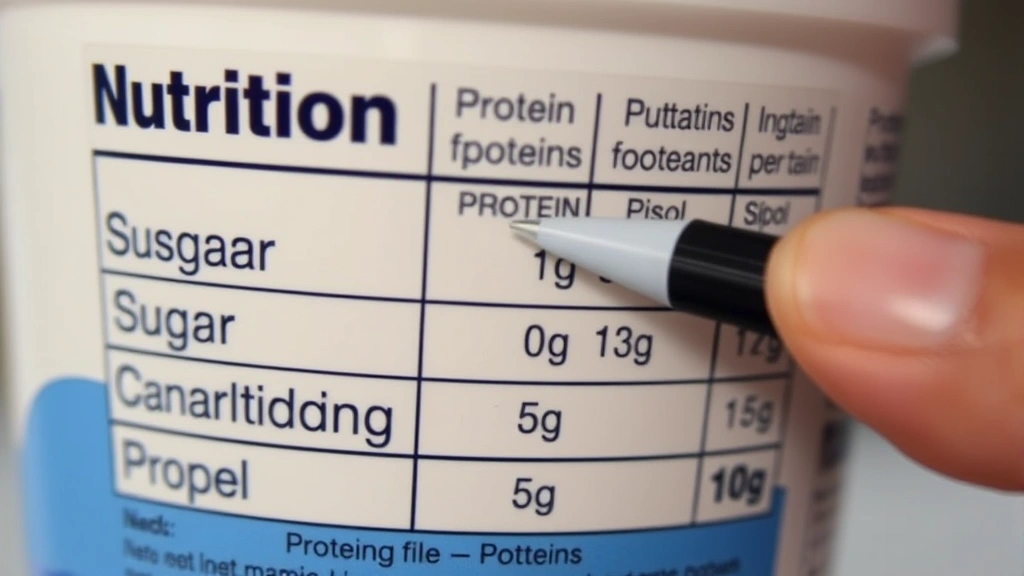
Label literacy is crucial because marketing claims often mislead consumers. Here’s exactly what to examine:
- Protein Content: Aim for at least 10 grams per serving in Greek yogurt, 8+ grams in regular yogurt. This threshold ensures meaningful satiety benefits.
- Added Sugar: This is the most critical number. Look for yogurts with less than 5 grams of added sugar per serving. Many “healthy” yogurts contain 20+ grams, equivalent to several teaspoons of added sugar. Check the ingredient list to distinguish between natural lactose and added sugars.
- Total Carbohydrates: Aim for 10-15 grams per serving in Greek yogurt. Higher carb counts often indicate added sugars or thickening starches.
- Fat Content: Don’t fear fat. Full-fat yogurt isn’t inherently problematic for weight loss; in fact, the fat increases satiety and helps absorb fat-soluble vitamins. Choose based on preference, but understand that non-fat and full-fat versions can both support weight loss if sugar is controlled.
- Live and Active Cultures: Look for the “Live & Active Cultures” seal, which indicates the yogurt contains beneficial probiotics. Avoid yogurts labeled as “heat-treated” after fermentation, as this kills the beneficial cultures.
- Ingredient List: The simpler, the better. Quality yogurt should contain only milk, cultures, and possibly salt. Avoid products with modified corn starch, gelatin, or numerous additives.
A practical strategy: compare nutrition labels side-by-side for your preferred brands. You’ll quickly identify which options deliver the best protein-to-sugar ratio. Many store brands offer excellent values comparable to premium brands.
How to Use Yogurt in Your Weight Loss Plan
Strategic Timing: While timing isn’t everything for weight loss, consuming yogurt as a breakfast or mid-morning snack can be particularly effective. Eating protein-rich foods earlier in the day helps regulate appetite hormones and reduces evening cravings. A serving of Greek yogurt with berries and a small handful of almonds makes an excellent breakfast that keeps you satisfied until lunch.
**Portion Control:** A standard serving is 6-8 ounces (roughly one-half to three-quarters of a cup). While yogurt is nutritious, it still contains calories, and excess calories prevent weight loss. Pre-portioning yogurt into containers helps prevent mindless overeating directly from the container.
Smart Toppings: Plain yogurt can taste bland, but don’t reach for flavored varieties. Instead, add your own toppings: fresh berries (rich in fiber and antioxidants), ground flaxseed, chia seeds, or a small portion of granola. These additions add flavor and nutrition while keeping you in control of total sugar intake. A tablespoon of raw almonds adds crunch and satisfying fat without excessive calories.
Protein Pairing: Combine yogurt with other protein sources for balanced snacks. A small Greek yogurt with a hard-boiled egg or 1 ounce of cheese creates a complete protein snack that’s exceptionally satiating. This approach is particularly valuable during the afternoon slump when energy crashes trigger snacking urges.
Incorporating into Meals: Use plain yogurt as a substitute for sour cream on baked potatoes, in marinades for lean proteins, or as a base for homemade salad dressings. These applications add protein and probiotics to meals without introducing excess sugars.
Overnight Oats Base: Mix plain Greek yogurt with rolled oats, unsweetened almond milk, and chia seeds for an overnight preparation that can be consumed the next morning. This method creates a high-protein, high-fiber breakfast that supports weight loss through extended satiety.
Common Yogurt Mistakes to Avoid
Mistake #1: Choosing Flavored Varieties This is the most common error. Flavored yogurts are essentially desserts disguised as breakfast foods. A single serving can contain 20-30 grams of added sugar—more than a candy bar. The marketing around “natural flavors” and “real fruit” is misleading. Always choose plain varieties and add your own flavor.
Mistake #2: Ignoring Portion Sizes Even healthy foods contribute to weight gain when consumed in excess. Many people eat two or three servings of yogurt without realizing it. Read labels carefully and use measuring cups initially to understand appropriate portions.
Mistake #3: Treating Yogurt as a Dessert Some people consume flavored yogurt as an evening treat, which defeats the weight loss purpose. Yogurt works best as a meal or structured snack, not as a substitute for managing sweet cravings. If you crave sweets, address the underlying cause rather than using yogurt as a band-aid solution.
Mistake #4: Overlooking the Ingredient List Some yogurts contain stabilizers, thickeners, and artificial sweeteners that may interfere with weight loss or digestive health. Simpler is better. If you cannot pronounce an ingredient, it’s likely unnecessary.
Mistake #5: Assuming All Probiotics Are Equal Not all yogurts contain meaningful quantities of live cultures. Some products have minimal CFUs (colony-forming units), offering minimal health benefits. Look for specific strain names like L. acidophilus or B. lactis.
Mistake #6: Not Combining with Exercise While yogurt supports weight loss through nutrition, resistance training amplifies weight loss results by preserving and building muscle mass. Yogurt’s protein becomes especially valuable when paired with consistent strength training.
Combining Yogurt with Exercise
Yogurt’s high protein content makes it particularly valuable for people engaging in regular exercise. When combined with strength training, adequate protein preserves lean muscle during weight loss, ensuring that lost weight comes primarily from fat rather than muscle tissue.
Post-workout nutrition is especially important. Consuming yogurt within 1-2 hours after strength training provides amino acids that repair muscle fibers and support adaptation. A serving of Greek yogurt with fruit provides both protein and carbohydrates, supporting muscle recovery and glycogen replenishment.
For people pursuing weight loss, this matters significantly. Preserving muscle mass maintains metabolic rate, meaning you burn more calories at rest. This is why people who lose weight through diet alone often experience metabolic slowdown, while those combining diet with resistance training maintain better long-term metabolic health.
Additionally, staying properly hydrated while exercising enhances performance and recovery. Yogurt’s water content contributes modestly to daily hydration, though it shouldn’t replace plain water intake.
For sustainable weight management, maintaining weight loss requires consistent nutrition and exercise habits. Yogurt fits elegantly into this framework as a convenient, nutrient-dense food that supports both immediate weight loss and long-term maintenance.
Furthermore, tracking progress through body measurements alongside scale weight reveals that exercise-supported weight loss produces superior body composition changes. As you lose fat while preserving muscle, your appearance improves more dramatically than scale weight alone suggests.
FAQ
Is Greek yogurt better than regular yogurt for weight loss?
Greek yogurt is generally superior for weight loss due to its higher protein content (typically 15-20 grams versus 8-10 grams per serving), which increases satiety and reduces overall calorie intake. However, plain regular yogurt can also support weight loss when unsweetened and consumed in appropriate portions. The key difference is that Greek yogurt delivers greater satiating benefits per serving.
How much yogurt should I eat daily for weight loss?
One to two servings (6-16 ounces total) daily is appropriate for most people. This provides substantial protein and probiotic benefits without excessive calories. More than this may contribute unnecessary calories unless you’re adjusting other food intake accordingly. Individual needs vary based on total calorie requirements and activity level.
Can I eat yogurt if I’m lactose intolerant?
Many people with lactose intolerance tolerate yogurt well because the fermentation process breaks down much of the lactose. Additionally, Icelandic skyr contains even less lactose than regular yogurt. If dairy remains problematic, soy-based yogurt offers the best protein content among plant-based alternatives. Testing individual tolerance is important.
Should I choose full-fat or non-fat yogurt?
Both can support weight loss. Full-fat yogurt increases satiety through fat content and doesn’t negatively impact weight loss when sugar is controlled. Non-fat yogurt contains fewer calories but may feel less satisfying. Choose based on personal preference and satiety response. The most important factor is selecting unsweetened varieties regardless of fat content.
What’s the best yogurt brand for weight loss?
Fage, Siggi’s, and Chobani are consistently recommended by nutritionists, but store brands often offer identical nutrition at lower cost. The brand matters less than the nutrition label. Compare protein content, added sugar, and ingredient simplicity. Many store-brand Greek yogurts deliver superior nutrition per dollar compared to premium brands.
Can yogurt help with belly fat specifically?
While no food targets fat loss in specific areas, the high protein and probiotic content in quality yogurt supports overall fat loss and improved metabolic health. Some research suggests that dairy protein may have modest advantages for reducing visceral fat (deep belly fat), though overall calorie deficit remains the primary driver of fat loss.
Is yogurt good for weight loss if I have diabetes?
Plain, unsweetened yogurt is appropriate for most people managing diabetes because it’s low in added sugar and provides protein that slows blood sugar spikes. Greek yogurt is particularly beneficial due to lower carbohydrate content. Always verify with your healthcare provider, as individual needs vary based on medications and blood sugar management approach.


