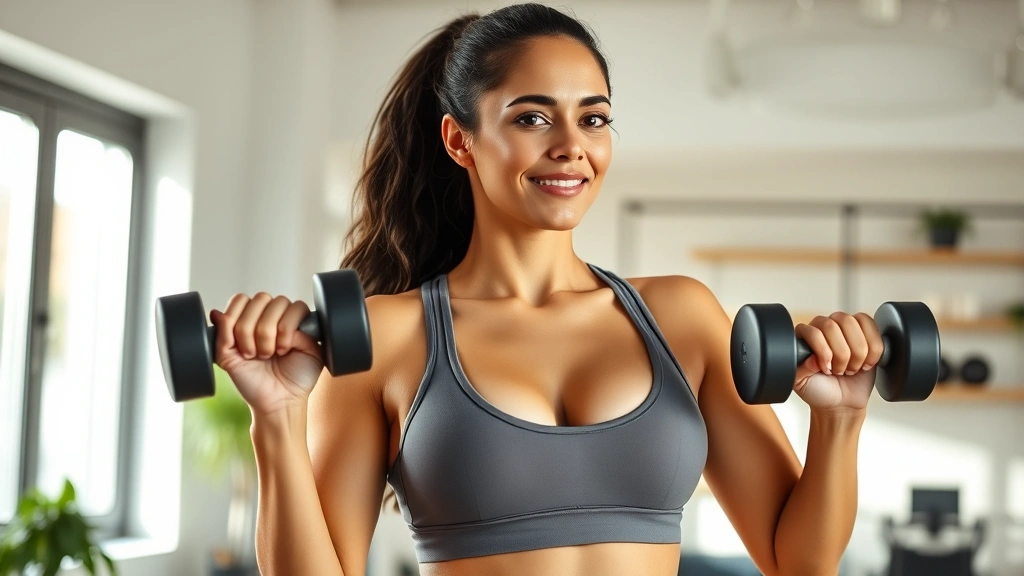
Do Breasts Shrink After Weight Loss? Expert Insights on Body Changes
Weight loss is a significant achievement that transforms your body in multiple ways. However, many people—particularly women—have concerns about how their breasts will change during this journey. The question “do breasts shrink after weight loss?” is more common than you might think, and it deserves a comprehensive, science-based answer. Understanding the biological reasons behind breast changes can help you prepare mentally and physically for your transformation.
Breast tissue composition plays a crucial role in determining how your chest will respond to weight loss. Unlike some other body parts, breasts contain a mixture of glandular tissue, connective tissue, and fat. When you lose weight, the fat cells throughout your body—including those in your breasts—naturally decrease in size and number. This physiological process is inevitable, but the extent of change varies significantly from person to person based on genetics, age, starting weight, and the rate of weight loss.
This comprehensive guide explores everything you need to know about breast changes after weight loss, including prevention strategies, what to expect, and how to maintain your confidence throughout your transformation.
How Breast Composition Affects Weight Loss Changes
To understand whether breasts shrink after weight loss, you must first understand breast anatomy. Breasts are not primarily muscle tissue; they consist of approximately 50% glandular tissue (responsible for milk production) and 50% fatty tissue, with connective tissue providing support and structure. This composition means that when you reduce overall body fat through weight loss, your breasts are inevitably affected.
The glandular tissue remains relatively stable during weight loss, but the surrounding adipose (fat) tissue diminishes. This is why breast size reduction is one of the most noticeable changes people experience. The amount of reduction depends heavily on how much fat was stored in the breast tissue before weight loss began. Women with naturally larger breasts composed primarily of fatty tissue may notice more significant changes than those with smaller breasts or more glandular composition.
It’s important to note that this isn’t a negative process—it’s simply your body responding naturally to caloric deficit. Many people pursuing weight loss smoothies or other dietary approaches are prepared for general body changes but may be surprised by breast-specific changes. Understanding this process helps normalize the experience and reduces unnecessary anxiety.
Research from the American Academy of Physician Assistants indicates that breast tissue responds to hormonal fluctuations and body composition changes throughout a woman’s life. Weight loss represents one significant trigger for these changes, alongside aging, hormonal cycles, and pregnancy.

Why Do Breasts Shrink During Weight Loss?
The mechanism behind breast shrinkage during weight loss is straightforward from a physiological perspective. When you create a caloric deficit—whether through weight loss on keto diet approaches or other methods—your body mobilizes stored fat for energy. This process affects all adipose tissue throughout your body, including the breasts.
Hormonal changes also play a role. Estrogen, which influences breast tissue development and maintenance, can fluctuate during significant weight loss. Rapid weight loss may cause more pronounced hormonal shifts, potentially accelerating breast changes. This is why the rate of weight loss matters—gradual weight loss typically results in less dramatic changes than rapid weight loss.
Additionally, the loss of fat volume affects skin elasticity in the breast area. As fat diminishes, the skin may not retract completely, potentially leading to sagging or changes in breast shape. This is where preventive measures become particularly valuable. The relationship between overall body changes and breast appearance is interconnected, which is why understanding how to prevent loose skin during weight loss is essential for maintaining your appearance throughout your transformation.
Factors That Influence Breast Changes
Genetics represent the primary determinant of how your breasts will respond to weight loss. Your genetic predisposition determines breast composition, skin elasticity, and how your body distributes fat. If your mother or close female relatives experienced significant breast changes during weight loss, you may experience similar patterns.
Age and Skin Elasticity significantly impact how well your breast skin adapts to volume loss. Younger women typically have more elastic skin that can better accommodate changes, while older women may experience more noticeable sagging. Collagen production naturally decreases with age, making skin less resilient.
Rate of Weight Loss matters considerably. Losing weight gradually—approximately one to two pounds per week—allows your skin time to adjust. Rapid weight loss, sometimes achieved through semaglutide weight loss near me treatments or extreme dieting, can result in more pronounced breast changes and potential sagging.
Starting Weight and BMI influence the extent of changes. Individuals with higher starting weights may experience more significant breast volume loss. However, this doesn’t mean smaller people won’t notice changes—many do, simply because the percentage change is more noticeable on a smaller frame.
Hormonal Status affects breast tissue directly. Women approaching or in menopause may experience additional breast changes due to declining estrogen levels combined with weight loss effects. Similarly, hormonal contraceptive use can influence breast tissue composition and how it responds to weight loss.
Lifestyle Factors including smoking, sun exposure, and hydration status all affect skin elasticity and how your breasts appear during weight loss. These modifiable factors deserve attention throughout your weight loss journey.
Prevention Strategies for Maintaining Breast Volume
While you cannot completely prevent breast changes during weight loss, several evidence-based strategies can help minimize unwanted effects and maintain better aesthetics throughout your transformation.
Gradual Weight Loss Approach remains the most effective strategy. Aiming for one to two pounds per week allows your skin time to gradually adjust to changing body composition. This measured approach also supports better long-term results compared to crash dieting. Sustainable approaches like Mounjaro weight loss reviews show that moderate, consistent weight loss produces better overall outcomes.
Proper Bra Support is non-negotiable during weight loss. Well-fitting, supportive bras help maintain breast appearance and provide necessary support as tissue changes. Many women need to be refitted for bras every 10-15 pounds of weight loss, as cup size and band size both change. Proper support reduces stress on Cooper’s ligaments—the connective tissue that supports breast structure.
Strength Training and Upper Body Exercise can help. While exercise cannot prevent fat loss in the breast area, strengthening the pectoral muscles underneath breast tissue can create better definition and support. Exercises like push-ups, chest presses, and resistance training help build the foundation supporting your breasts.
Hydration and Nutrition support skin elasticity. Drinking adequate water—typically at least 8-10 glasses daily—helps maintain skin hydration and elasticity. Consuming sufficient protein supports collagen production and skin health. Nutrients like vitamin C, vitamin E, and zinc all contribute to skin integrity during significant body changes.
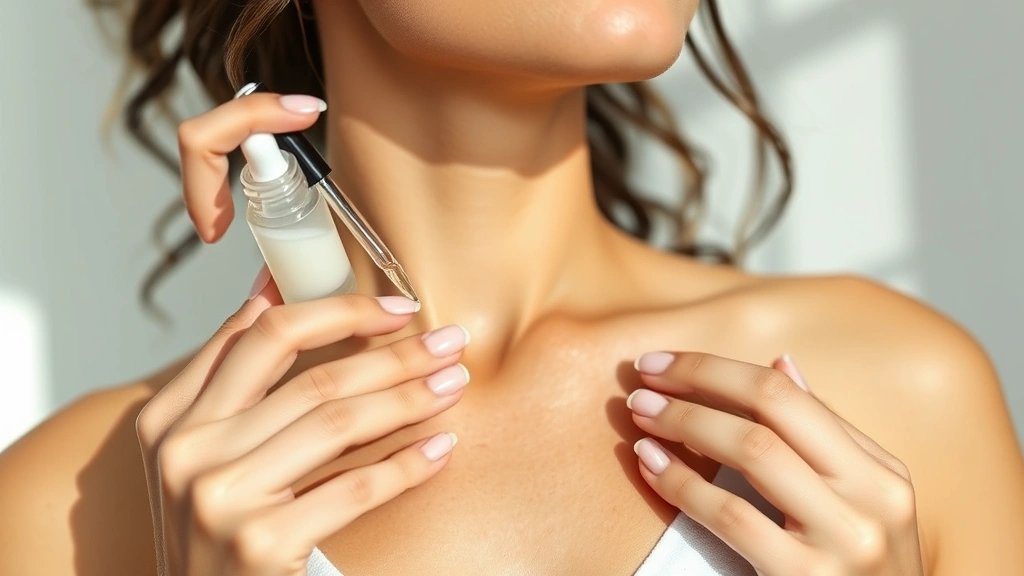
Moisturizing and Skincare specifically targeting the chest area can help. Using moisturizers with retinol, hyaluronic acid, or peptides may support skin elasticity. While topical treatments cannot prevent all changes, they can help optimize skin health during your transformation.
Nutrition and Breast Health During Weight Loss
Your nutritional approach during weight loss directly impacts how your breasts and skin respond to body composition changes. Rather than pursuing extreme caloric restriction, focus on nutrient-dense eating patterns that support overall health and skin quality.
Protein Intake deserves special attention. Adequate protein—approximately 0.8-1.0 grams per pound of goal body weight—supports collagen synthesis and helps maintain skin elasticity. Protein also promotes satiety, making weight loss easier to sustain long-term without extreme measures.
Healthy Fats support hormone production and skin health. Rather than eliminating all fat, include sources like avocados, nuts, seeds, and fatty fish rich in omega-3 fatty acids. These fats support hormonal balance and skin integrity during weight loss.
Antioxidant-Rich Foods protect skin cells from oxidative stress. Berries, leafy greens, and colorful vegetables provide vitamins and minerals that support skin health. These foods also support overall metabolic health during weight loss.
Hydration cannot be overstated. Water supports skin elasticity, nutrient transport, and overall metabolic function. Proper hydration helps your skin maintain plumpness and elasticity as you lose weight.
The Academy of Nutrition and Dietetics, the leading organization for registered dietitians, emphasizes that sustainable weight loss combined with proper nutrition produces the best aesthetic and health outcomes.
Exercise Considerations for Breast Support
Exercise during weight loss offers multiple benefits, including improved cardiovascular health, better metabolic function, and enhanced body composition. However, certain exercise considerations specifically relate to breast health and appearance.
High-Impact Exercise Support becomes increasingly important during weight loss. As breast tissue changes, proper sports bra support during running, jumping, or other high-impact activities protects remaining breast tissue and prevents discomfort. Many women need to upgrade their sports bra support as their body changes.
Pectoral Strengthening provides foundational support. Chest exercises like push-ups, dumbbell presses, and cable flyes strengthen the pectoralis major and minor muscles that lie beneath breast tissue. Strong chest muscles create better definition and can make breasts appear more lifted.
Posture Improvement through exercise yields immediate aesthetic benefits. Strengthening your back, shoulders, and core through exercises like rows, lat pulldowns, and planks improves posture, making your breasts appear higher and more defined regardless of size changes.
Consistency Over Intensity matters for long-term results. Regular, moderate exercise combined with proper nutrition produces better sustainable results than extreme fitness regimens. This approach supports gradual weight loss, which minimizes breast-related changes.
Skincare and Elasticity During Your Journey
Skin elasticity represents one of the most controllable factors affecting how your breasts appear during weight loss. While genetics determine your baseline elasticity, proactive skincare can optimize what you have.
Retinol and Retinoids represent some of the most evidence-based skincare ingredients for improving skin elasticity. These vitamin A derivatives stimulate collagen production and increase cell turnover. Starting with lower concentrations and gradually increasing strength helps your skin adapt.
Hyaluronic Acid draws moisture into the skin, plumping it and improving appearance. This ingredient works best when applied to slightly damp skin and sealed with a moisturizer.
Peptides support collagen structure and can help improve skin firmness over time. Many advanced moisturizers and serums include peptide complexes specifically designed to support skin elasticity.
Vitamin C Serums provide antioxidant protection and support collagen synthesis. Applying vitamin C in the morning helps protect your skin from daily environmental stressors.
Sunscreen Protection is absolutely essential. UV damage breaks down collagen and elastin, reducing skin elasticity. Using SPF 30 or higher daily on your chest area prevents additional damage that would compound the effects of weight loss.
Massage and Dry Brushing may provide mild benefits by improving circulation to the area. While not a substitute for other interventions, these techniques feel good and may provide modest improvements in skin appearance.
When to Consider Professional Consultation
For many people, the breast changes accompanying weight loss are minimal and acceptable. However, some individuals experience more significant changes that affect their confidence or comfort. Understanding when professional consultation is appropriate helps you make informed decisions about your body.
Dermatologists can assess your skin elasticity and recommend professional treatments like microneedling, radiofrequency therapy, or laser treatments that stimulate collagen production. These treatments can improve skin tightness and appearance.
Plastic Surgeons can discuss surgical options if significant sagging or volume loss affects your body image. Options range from breast lifts to implants, and consultations help you understand realistic expectations and outcomes.
Registered Dietitian Nutritionists can optimize your nutrition during weight loss to support skin health and overall body composition. They can also help you adjust your approach if you’re experiencing unexpected changes.
Primary Care Physicians should be informed of significant body changes, particularly if they affect your mental health or confidence. They can provide referrals to appropriate specialists and ensure your weight loss approach supports overall health.
It’s important to remember that considering professional consultation doesn’t indicate failure—it represents informed self-care. Many people successfully lose weight using approaches like before and after pictures weight loss documentation combined with professional guidance to achieve their goals.
FAQ
Do all women experience breast shrinkage during weight loss?
Most women experience some degree of breast change during weight loss, but the extent varies significantly. Some women notice minimal changes, while others experience more pronounced effects. Genetics, starting weight, age, and rate of weight loss all influence whether changes are noticeable.
How much will my breasts shrink if I lose weight?
There’s no universal answer, as breast composition varies individually. On average, women lose approximately one cup size for every 15-20 pounds of weight loss, but this varies considerably. Some women notice changes with just 10 pounds lost, while others maintain size through 30+ pounds of weight loss.
Can I prevent breast sagging during weight loss?
You cannot completely prevent all changes, but you can minimize sagging through gradual weight loss, proper bra support, strength training, excellent skincare, and adequate nutrition. These strategies together produce the best aesthetic outcomes.
Is rapid weight loss worse for breasts than gradual weight loss?
Yes, rapid weight loss typically produces more pronounced breast changes and increased risk of sagging because your skin has insufficient time to gradually adjust. Gradual weight loss—one to two pounds weekly—allows your skin to adapt more effectively.
Should I wear a sports bra during weight loss?
Absolutely. Proper sports bra support is crucial during weight loss, especially if you exercise regularly. Good support protects breast tissue, prevents discomfort, and reduces stress on Cooper’s ligaments. You may need to get refitted every 10-15 pounds of weight loss.
Can exercise help maintain breast size during weight loss?
Exercise cannot prevent fat loss in breast tissue, but it can strengthen underlying pectoral muscles to improve appearance and provide better support. Chest exercises combined with overall fitness create better definition and can make breasts appear more lifted.
What role do hormones play in breast changes during weight loss?
Hormones like estrogen directly influence breast tissue. Significant weight loss can cause hormonal fluctuations that affect breast tissue composition. This is why the rate of weight loss and overall hormonal health matter during your transformation.
Are there non-surgical treatments for breast sagging after weight loss?
Yes, several non-surgical options exist, including radiofrequency treatments, microneedling, laser therapy, and advanced skincare protocols. These treatments stimulate collagen production and can improve skin tightness. Results are typically modest but can make a noticeable difference when combined with excellent skincare.
When should I consider surgical options?
If significant breast sagging or volume loss substantially affects your body image and confidence, consulting a plastic surgeon can help you understand your options. Many people are satisfied with their results after a breast lift or augmentation following significant weight loss. This is a personal decision based on your goals and comfort level.
How does age affect breast changes during weight loss?
Younger women typically experience less sagging during weight loss due to better skin elasticity. Older women may notice more pronounced changes because collagen production naturally decreases with age. However, proactive skincare and lifestyle measures can help optimize results at any age.


