
Can Anemia Cause Weight Loss? Doctor Explains
Anemia is a condition that affects millions of people worldwide, yet many don’t fully understand how it impacts their overall health and body weight. If you’ve been experiencing unexplained weight loss alongside fatigue, weakness, or shortness of breath, anemia might be playing a role. The relationship between anemia and weight loss is more complex than a simple cause-and-effect scenario, involving multiple physiological mechanisms that can significantly influence your metabolism and appetite.
In this comprehensive guide, we’ll explore whether anemia can cause weight loss, the underlying mechanisms at work, and what you need to know about managing both conditions effectively. Understanding this connection is crucial for anyone concerned about their health, particularly if you’re experiencing symptoms that suggest anemia might be affecting your weight.
Understanding Anemia and Its Types
Anemia occurs when your body doesn’t have enough healthy red blood cells or hemoglobin to carry oxygen efficiently throughout your body. Hemoglobin is the protein in red blood cells responsible for transporting oxygen from your lungs to tissues and organs. When hemoglobin levels drop below normal ranges, your cells don’t receive adequate oxygen, leading to a cascade of physiological effects.
There are several types of anemia, each with different causes and implications for weight management. Iron-deficiency anemia is the most common type worldwide and develops when your body lacks sufficient iron to produce hemoglobin. Vitamin B12 deficiency anemia occurs when you can’t absorb or consume enough B12, essential for red blood cell formation. Folate-deficiency anemia results from insufficient folic acid intake or absorption. Hemolytic anemia happens when red blood cells are destroyed faster than your body can replace them. Aplastic anemia is a serious condition where bone marrow fails to produce adequate blood cells.
Each type presents unique challenges for weight management because they affect different metabolic pathways and nutrient absorption mechanisms. Understanding which type of anemia you have is essential for addressing both the anemia and any associated weight changes.
The Connection Between Anemia and Weight Loss
Yes, anemia can cause weight loss, though the mechanism isn’t always straightforward. The relationship between anemia and weight loss involves several interconnected factors that affect appetite, energy expenditure, and nutrient absorption. When your body lacks sufficient oxygen-carrying capacity, it triggers compensatory mechanisms that can lead to unintended weight loss.
One primary mechanism involves reduced energy and appetite suppression. When anemia develops, your body struggles to meet basic metabolic demands. Many people with anemia experience severe fatigue, which reduces physical activity and overall energy expenditure. However, paradoxically, anemia can also suppress appetite through multiple pathways. The hormonal changes associated with chronic illness and oxygen deprivation can decrease ghrelin (the hunger hormone) while increasing satiety signals.
Additionally, anemia often accompanies underlying conditions that independently cause weight loss. For example, chronic inflammatory diseases, gastrointestinal disorders affecting nutrient absorption, cancer, and autoimmune conditions frequently present with both anemia and unintended weight loss. The anemia in these cases is a symptom of the underlying disease rather than the primary cause of weight loss.
The severity of weight loss correlates with anemia severity and duration. Mild anemia might cause minimal weight changes, while moderate to severe anemia can result in significant weight loss, particularly if accompanied by loss of appetite or underlying malabsorption issues.
How Anemia Affects Your Metabolism
Anemia fundamentally alters your metabolic rate through oxygen deprivation at the cellular level. Your cells require adequate oxygen to efficiently produce ATP (adenosine triphosphate), the energy currency that powers all metabolic processes. When hemoglobin levels drop, oxygen delivery becomes compromised, forcing your body to work harder to meet basic energy demands.
Basal metabolic rate changes represent one significant metabolic consequence of anemia. Some research indicates that severe anemia can increase metabolic rate as your body attempts to compensate for reduced oxygen availability. However, this increased metabolic demand often exceeds caloric intake due to concurrent appetite suppression, creating a caloric deficit that drives weight loss.
Anemia also affects your body’s ability to utilize nutrients efficiently. Iron, B12, and folate deficiencies—common causes of anemia—are themselves critical for optimal metabolic function. Iron is essential for oxygen transport and energy production. B12 plays crucial roles in DNA synthesis, neurological function, and energy metabolism. Folate is necessary for cell division and protein synthesis. When these nutrients are deficient, metabolic efficiency declines significantly.
The fatigue associated with anemia reduces physical activity, which might seem like it would decrease energy expenditure. However, the body’s compensatory mechanisms during anemia often result in net weight loss because the reduced caloric intake and potential metabolic inefficiencies outweigh any decrease from reduced movement.
Your body also experiences altered hormone regulation with anemia. Cortisol levels may increase due to physiological stress, potentially affecting fat distribution and muscle maintenance. Thyroid function can be impacted, particularly with iron deficiency, since iron is necessary for thyroid hormone synthesis.
Nutritional Deficiencies and Body Composition
The nutritional deficiencies underlying anemia directly impact body composition and weight loss patterns. When you develop anemia from iron deficiency, your body not only struggles with oxygen transport but also loses the ability to maintain muscle mass effectively. Iron is crucial for myoglobin synthesis, the protein that stores oxygen in muscle tissue. Without adequate iron, muscles become fatigued more easily, leading to reduced physical activity and potential muscle loss.
B12 deficiency anemia presents additional metabolic complications. B12 is essential for proper protein synthesis and methylation reactions that regulate metabolism. People with B12 deficiency often experience neurological symptoms including neuropathy, which can further reduce physical activity levels. The weight loss associated with B12 deficiency frequently includes significant muscle loss rather than fat loss, which is metabolically unfavorable.
Folate deficiency affects cell division and growth, impacting your body’s ability to maintain and repair tissues. This can lead to accelerated muscle catabolism during anemia. If you’re interested in optimizing your nutritional intake, exploring weight loss smoothies formulated with iron-rich ingredients and adequate protein can help address both anemia and weight management simultaneously.
The malabsorption issues that cause many forms of anemia also impair absorption of other critical nutrients including calcium, vitamin D, and protein. This creates a cascading nutritional deficit that accelerates weight loss while compromising bone density and muscle integrity. Long-term anemia without treatment can lead to serious body composition changes that are difficult to reverse.
Protein intake becomes particularly important when managing anemia-related weight loss. high protein shakes for weight loss can provide easily absorbable protein while supplying additional iron and B vitamins if fortified appropriately. Selecting the right best milk for weight loss as a base for these shakes ensures you’re getting bioavailable calcium and additional micronutrients.
Symptoms That Warrant Medical Attention
While unexplained weight loss can result from numerous conditions, certain symptom combinations suggest anemia might be responsible. Persistent fatigue remains the most common anemia symptom, often described as overwhelming tiredness that doesn’t improve with rest. This fatigue distinguishes anemia-related weight loss from intentional weight loss, where energy levels typically improve.
Shortness of breath during normal activities indicates your body isn’t receiving adequate oxygen. When combined with weight loss, this suggests anemia may be contributing to your symptoms. Dizziness or lightheadedness, particularly when standing quickly, reflects reduced oxygen delivery to your brain and suggests moderate to severe anemia.
Pale skin, nail beds, and mucous membranes occur because reduced hemoglobin means less red pigmentation in blood vessels near the skin surface. Cold hands and feet result from your body prioritizing oxygen delivery to vital organs, reducing peripheral circulation. Frequent infections can indicate that anemia accompanies an immune system disorder or malabsorption issue.
Unusual cravings for non-food items (pica), such as ice, dirt, or starch, frequently occur with iron-deficiency anemia and signal severe deficiency. Sore or swollen tongue suggests B12 or folate deficiency. Numbness or tingling in extremities indicates potential B12 deficiency affecting nerve function.
If you’re experiencing unexplained weight loss alongside any of these symptoms, consulting a healthcare provider becomes essential. Anemia is easily diagnosed through blood tests and highly treatable once identified.

Dietary Strategies for Managing Anemia
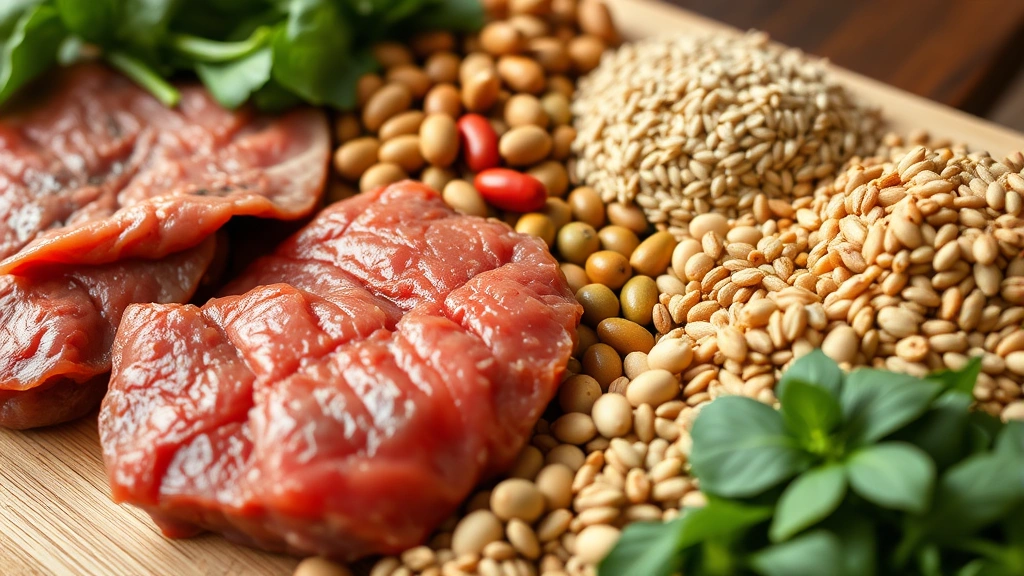
Managing anemia through nutrition requires strategic food choices that maximize iron, B12, and folate absorption. Iron-rich foods include red meat, poultry, fish, legumes, fortified cereals, and dark leafy greens. However, iron absorption depends on whether you’re consuming heme iron (from animal sources, highly absorbable) or non-heme iron (from plant sources, less absorbable). Combining non-heme iron sources with vitamin C dramatically improves absorption—for example, eating beans with tomatoes or spinach with citrus.
B12 sources are primarily animal-based: meat, fish, poultry, eggs, and dairy products. Vegans and vegetarians should consider fortified plant-based foods or supplements, as B12 deficiency is common in these populations. Folate-rich foods include leafy greens, legumes, asparagus, Brussels sprouts, and fortified grains.
Avoiding substances that inhibit nutrient absorption is equally important. Calcium, caffeine, and tannins (in coffee and tea) can reduce iron absorption, so consume these separately from iron-rich meals. Certain medications and digestive issues can impair nutrient absorption, requiring medical management alongside dietary changes.
For those managing weight while treating anemia, best frozen meals for weight loss can provide convenient, nutritionally balanced options that support anemia treatment. Look for meals emphasizing lean proteins, iron-rich vegetables, and adequate calories to prevent further weight loss.
If you’re struggling with motivation during your health journey, reading inspirational quotes weight loss motivation resources can provide psychological support. However, remember that with anemia, the goal isn’t necessarily weight loss but rather addressing the underlying deficiency while maintaining healthy body composition.
When to Seek Professional Help
Medical evaluation becomes necessary when you experience unexplained weight loss, particularly if accompanied by anemia symptoms. A healthcare provider can order blood tests to determine your hemoglobin and hematocrit levels, iron stores, B12 levels, and folate concentrations. These tests identify the specific type of anemia and guide treatment decisions.
According to the CDC’s nutrition and anemia resources, anemia affects approximately 3 million Americans, yet many cases remain undiagnosed. Early identification prevents serious complications and allows for timely intervention.
Registered dietitians specializing in medical nutrition therapy can develop personalized dietary plans addressing both anemia and weight management. The Academy of Nutrition and Dietetics provides resources for locating credentialed professionals in your area.
Certain situations require immediate medical attention: severe fatigue preventing normal function, chest pain or severe shortness of breath, loss of consciousness, or weight loss exceeding 10 pounds unintentionally over three months. These symptoms suggest moderate to severe anemia requiring urgent evaluation.
For medication-related anemia management, consult your physician before starting any supplements or medications like topiramate dosage for weight loss or other pharmaceuticals, as these can interact with anemia treatment or worsen nutrient absorption.
Research published in major medical journals demonstrates that early anemia diagnosis and treatment significantly improve quality of life and prevent long-term complications. The National Institutes of Health maintains comprehensive anemia research databases documenting treatment efficacy and outcomes.
FAQ
Can anemia alone cause significant weight loss?
Moderate to severe anemia can cause weight loss, typically 5-15 pounds, through reduced appetite and metabolic changes. However, significant weight loss (20+ pounds) usually indicates additional underlying conditions. Consult your healthcare provider to identify all contributing factors.
How long does it take to regain weight after treating anemia?
Weight regain timeline varies based on anemia severity, treatment response, and underlying causes. Most people notice improved appetite within 2-4 weeks of appropriate treatment. Gradual weight regain typically occurs over 2-3 months as energy levels normalize and nutrient absorption improves.
Will iron supplements alone resolve anemia-related weight loss?
Iron supplementation addresses iron-deficiency anemia but won’t resolve weight loss if other nutritional deficiencies or underlying conditions exist. Comprehensive treatment addressing all deficiencies and any contributing diseases produces better outcomes. Work with healthcare providers to ensure complete treatment.
Can anemia cause weight loss in children?
Yes, anemia in children can cause growth delays and weight loss, particularly if chronic and untreated. Children with anemia often display reduced appetite, fatigue affecting play and activity, and developmental delays. Pediatric anemia requires prompt medical evaluation and treatment.
Is weight loss from anemia dangerous?
Unintentional weight loss from anemia can be concerning because it often reflects muscle loss and nutritional depletion rather than fat loss. This compromises immune function, bone density, and overall health. Treating anemia promptly prevents complications from prolonged weight loss.
Should I try to gain weight while treating anemia?
A healthcare provider or registered dietitian should guide weight management during anemia treatment. The goal is typically maintaining healthy weight while treating the deficiency, not forcing weight gain if your body hasn’t fully recovered. Allow appetite to naturally normalize with appropriate treatment.


