Senior Cat Weight Loss Tips: Vet Recommended Strategies for Aging Felines
As cats age, maintaining a healthy weight becomes increasingly important for their quality of life and longevity. Senior cats—typically those over 7 years old—face unique challenges when it comes to weight management, from metabolic changes to reduced activity levels and shifting nutritional needs. Excess weight in older cats can exacerbate joint problems, diabetes, heart disease, and other age-related conditions that already threaten their wellbeing. The good news is that with proper guidance from your veterinarian and strategic lifestyle adjustments, you can help your senior feline achieve and maintain a healthier weight.
Weight loss in senior cats requires a different approach than it does for younger animals. Their bodies are less forgiving of rapid weight loss, their metabolism has slowed considerably, and they may have existing health conditions that complicate the process. This comprehensive guide explores veterinarian-recommended strategies specifically designed for aging cats, helping you navigate the complexities of feline weight management with compassion and scientific backing.
Understanding Senior Cat Obesity and Health Risks
Obesity in senior cats represents one of the most preventable yet widespread health issues affecting aging felines today. According to veterinary research, approximately 50-60% of cats in developed countries are overweight or obese, with senior cats representing a significant portion of this statistic. Understanding why weight management matters for your aging cat is the first step toward implementing effective solutions.
When cats carry excess weight into their senior years, the consequences can be severe and multifaceted. Extra body fat doesn’t simply sit passively—it actively produces inflammatory compounds that accelerate aging processes and increase disease risk. Senior cats with obesity are at substantially higher risk for developing or worsening type 2 diabetes, a condition that becomes increasingly common with age. Excess weight also places tremendous strain on aging joints, intensifying arthritis and reducing mobility, which creates a frustrating cycle where pain leads to less movement, leading to more weight gain.
Cardiovascular health deteriorates more rapidly in overweight senior cats, and respiratory function can become compromised as excess abdominal fat restricts lung expansion. Additionally, overweight cats experience increased anesthetic risk during necessary veterinary procedures, complications during illness recovery, and shortened lifespans compared to their lean counterparts. The relationship between weight loss and metabolic health applies to cats as much as humans, making weight management a critical intervention for extending and improving senior feline life quality.
Working with Your Veterinarian on a Weight Loss Plan
Before implementing any weight loss strategy for your senior cat, scheduling a comprehensive veterinary consultation is absolutely essential. Your veterinarian will perform a thorough physical examination, assess your cat’s current body condition score, and potentially recommend diagnostic testing to identify underlying health issues that might complicate weight loss efforts. This professional assessment prevents potentially harmful approaches and ensures your plan aligns with your individual cat’s medical needs.
During your veterinary visit, discuss your cat’s complete medical history, current medications, and any behavioral or dietary quirks that might affect weight loss success. Your vet will help you establish realistic weight loss goals—typically 1-2% of body weight per week is considered safe for cats—and create a timeline that accounts for your senior cat’s slower metabolism. Request specific feeding recommendations, including calorie targets and appropriate food types, as well as guidance on monitoring progress and recognizing warning signs of problems.
Many veterinarians recommend consulting with a board-certified veterinary nutritionist for senior cats with complex medical situations or those not responding to initial interventions. These specialists can formulate customized nutrition plans that address weight loss while managing diabetes, kidney disease, or other concurrent conditions. Your veterinary team becomes your partner in this process, providing accountability, adjusting strategies as needed, and ensuring your senior cat’s safety throughout the weight loss journey.
Nutritional Adjustments for Older Cats
Senior cats require a fundamentally different nutritional approach than younger animals, and weight loss efforts must account for these changing needs. As cats age, their protein requirements actually increase despite lower overall calorie needs—a counterintuitive but scientifically established fact. Senior cats need adequate protein to preserve muscle mass during weight loss, which becomes increasingly difficult without deliberate nutritional planning. High-quality, easily digestible protein sources help maintain lean body mass while supporting immune function and overall vitality.
The composition of weight loss food matters significantly for senior cats. Rather than simply reducing calories across the board, focus on foods with higher protein percentages and lower carbohydrate content. Many commercial senior cat foods are formulated with these principles in mind, offering appropriate calorie levels while maintaining nutritional completeness. Look for foods listing meat or fish as primary ingredients rather than grain fillers, as these provide superior protein quality and bioavailability for aging digestive systems.
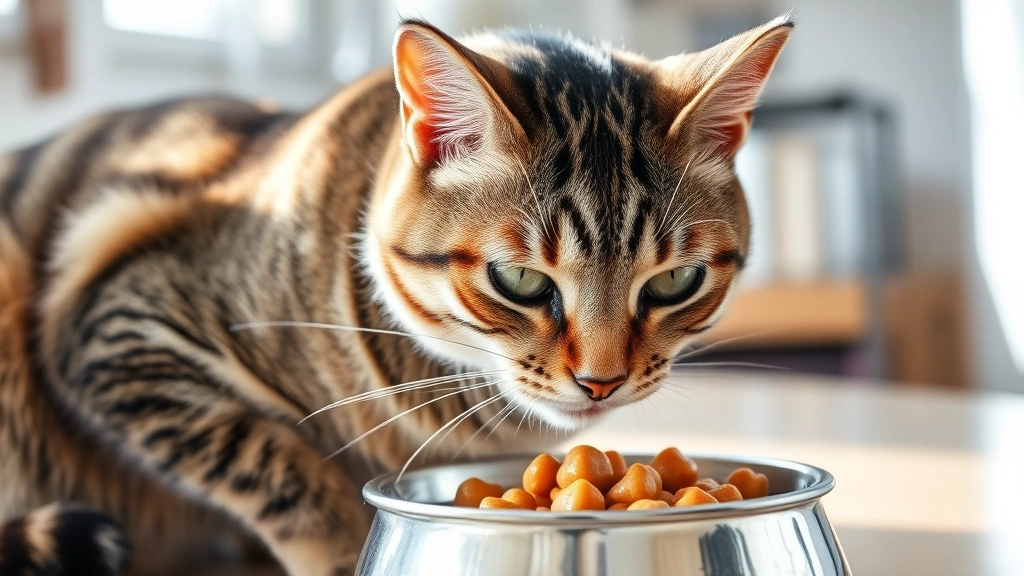
Wet or canned food often works better than dry kibble for senior cats undergoing weight loss, for several reasons. Moisture content promotes hydration, particularly important for aging cats prone to kidney issues. Wet food typically provides better satiety on fewer calories, helping your cat feel satisfied despite reduced portions. Additionally, senior cats with dental disease or reduced jaw strength often prefer the softer texture of canned food, ensuring they consume adequate nutrition without pain or difficulty.
Consider incorporating prescription weight loss diets if your veterinarian recommends them. These specialized formulations are specifically engineered for feline weight loss, with optimized nutrient ratios, enhanced fiber content for satiety, and appropriate calorie levels. While more expensive than standard food, prescription diets often produce better results and include veterinary monitoring, making them worthwhile investments for serious weight loss efforts in senior cats.
Portion Control and Feeding Schedules
Portion control represents the most critical factor in senior cat weight loss, yet it’s often the most challenging aspect for devoted cat owners to implement. Your veterinarian will calculate appropriate daily calorie targets based on your cat’s current weight, goal weight, age, and activity level. Once you have this number, measure food precisely using a kitchen scale rather than eyeballing portions—this accuracy makes the difference between meaningful weight loss and frustrating plateaus.
Transitioning to measured portions requires patience and consistency. Many cats have become accustomed to free-feeding or generous portions and will protest initially when food becomes limited. Implement changes gradually, reducing portions over several weeks rather than making dramatic cuts that trigger stress and behavioral problems. Your cat may vocalize complaints or seem hungry—remember that cats are excellent manipulators and their perceived hunger often exceeds their actual caloric needs.
Feeding schedules influence weight loss success significantly. Rather than leaving food available constantly, establish specific feeding times—typically two or three meals daily for senior cats. Scheduled feeding allows better portion control, helps regulate metabolism, and creates structure that many cats find comforting. Some cats respond well to meal-based feeding with set mealtimes and food removal after 20-30 minutes, while others do better with slightly smaller portions available for longer periods. Work with your veterinarian to determine the schedule that works best for your senior cat’s temperament and lifestyle.
Address the common problem of multi-cat households by feeding cats separately if possible, ensuring each cat receives appropriate portions without competition or theft. Senior cats often need encouragement to eat adequate amounts despite weight loss goals, while younger housemates might attempt to consume extra food. Feeding in different rooms or using microchip-activated feeders prevents these complications and ensures accurate calorie tracking.
Increasing Activity and Increasing Exercise
While nutrition drives weight loss, increased activity amplifies results and provides additional health benefits for senior cats. Aging cats naturally become less active due to arthritis, reduced energy, and changing behavioral patterns, creating a sedentary lifestyle that promotes weight gain and physical decline. Gentle, age-appropriate exercise combats this tendency while improving mobility, maintaining muscle mass, and enhancing overall quality of life.
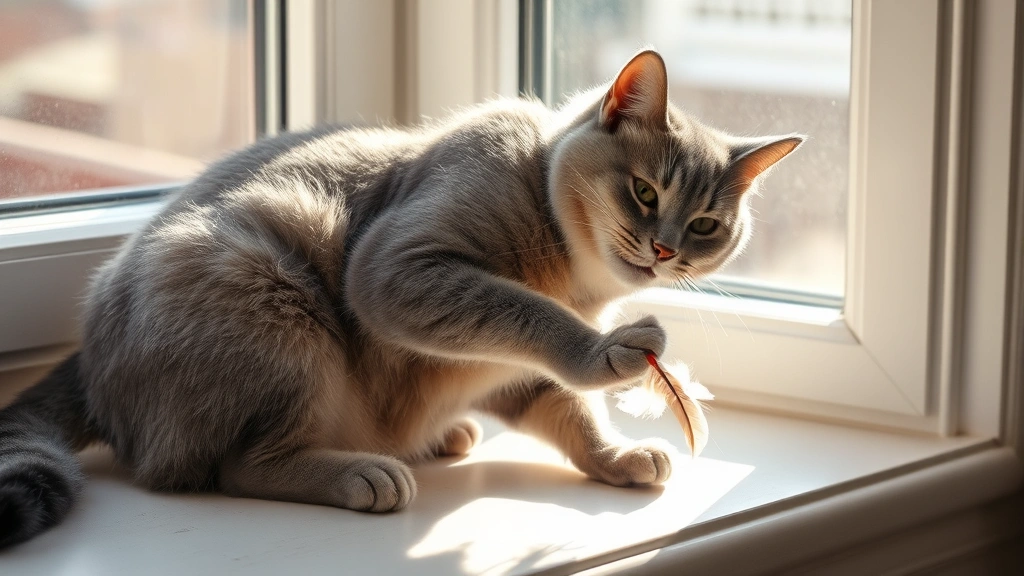
For senior cats, exercise should be low-impact and tailored to individual capabilities. Interactive play sessions using toys on strings or wands allow cats to engage their hunting instincts without excessive joint stress. Keep play sessions brief—5-10 minutes several times daily works better than one long session that might exhaust an aging cat. Rotate toy types to maintain interest: feather wands, laser pointers (used cautiously), balls, and crinkle toys appeal to different cats and stimulate different movement patterns.
Environmental enrichment encourages natural movement throughout the day without requiring formal exercise sessions. Place food and water bowls in different locations, requiring your cat to walk between them. Install cat trees or shelves at varying heights—cats naturally jump and climb when furniture accommodates these behaviors. Window perches provide mental stimulation as cats watch outdoor activity, and window birds feeders offer entertainment that motivates movement. Some senior cats enjoy supervised outdoor time in enclosed patios or with harnesses and leashes, providing environmental enrichment and natural activity.
Pain management becomes essential for increasing activity in arthritic senior cats. Discuss pain relief options with your veterinarian—medications, supplements, or other interventions may be necessary to make movement comfortable enough for your cat to participate in exercise. A cat in pain simply won’t move, making pain control a prerequisite for successful activity-based weight loss strategies.
Managing Underlying Health Conditions
Senior cats frequently have concurrent health conditions that complicate weight loss efforts and require careful management. Diabetes represents the most common complication, as obesity and weight loss are intimately connected to insulin sensitivity. Fortunately, significant weight loss can actually reverse diabetes in some cats, particularly those diagnosed early. Work closely with your veterinarian to monitor blood glucose levels as your cat loses weight—insulin dosages often need adjustment as weight decreases.
Kidney disease affects many senior cats and requires special nutritional considerations during weight loss. While protein is essential for preserving muscle mass, some cats with kidney disease need modified protein levels to prevent kidney stress. Your veterinarian or a board-certified veterinary nutritionist can help balance these competing needs, ensuring your cat achieves weight loss safely despite kidney limitations. Similarly, cats with hyperthyroidism, heart disease, or other conditions need individualized approaches that address both the primary condition and weight management.
Arthritis pain significantly impacts a senior cat’s ability to exercise and maintain activity levels necessary for weight loss. If your cat seems reluctant to move or shows signs of pain, discuss pain management options with your veterinarian before expecting increased activity. Medications, supplements like glucosamine or omega-3 fatty acids, or environmental modifications like heated beds and accessible litter boxes can dramatically improve mobility and willingness to move. The connection between pain management and successful weight loss cannot be overstated—addressing pain removes a major barrier to progress.
Monitor liver and kidney function throughout the weight loss process through periodic blood work. Rapid weight loss can stress these organs, and baseline values help your veterinarian identify problems early. Regular monitoring also allows adjustment of medications or nutritional protocols if complications arise, keeping your senior cat safe throughout the weight loss journey.
Monitoring Progress and Adjusting Strategies
Regular monitoring ensures your weight loss strategy remains effective and allows timely adjustments when progress stalls. Weigh your senior cat at home weekly using a consistent scale and method—weigh yourself, then weigh yourself holding the cat, and subtract the difference. Record weights in a log to track trends over time. Weight naturally fluctuates day-to-day due to water retention and food in the digestive system, so focus on monthly trends rather than daily variations.
Beyond numbers on a scale, assess your cat’s body condition using a standardized scoring system. A healthy senior cat should have ribs that are easily felt but not visibly prominent, a waist visible from above, and an abdominal tuck when viewed from the side. Your veterinarian can teach you to assess body condition score, providing a more meaningful measure of progress than weight alone, particularly for cats with significant muscle loss or fluid retention.
Expect weight loss to slow as your cat approaches goal weight—this is normal physiology, not failure. Initial rapid loss includes water weight and comes from calorie restriction; later, slower loss represents actual fat loss, which is the goal. If progress completely stalls despite adherence to the plan, consult your veterinarian. Underlying conditions like hyperthyroidism, medication side effects, or metabolic changes might require plan adjustments.
Behavioral changes during weight loss deserve attention. Some cats become irritable or demanding when food portions decrease, while others show improved energy and playfulness as weight decreases. Most cats adjust to new feeding schedules within a few weeks. If your cat seems genuinely distressed or shows signs of stress-related illness, discuss modifications with your veterinarian—forcing weight loss at the expense of emotional wellbeing isn’t appropriate for senior cats.
Celebrate non-scale victories alongside numerical progress. As your senior cat loses weight, you’ll likely notice increased activity, improved mobility, better litter box habits, and enhanced overall vitality. These quality-of-life improvements often matter more than the final number on the scale. Many cat owners report that their senior cats seem years younger after achieving healthy weights—renewed playfulness, better grooming habits, and improved social engagement transform their daily experience.
FAQ
How much weight should a senior cat lose per week?
Veterinarians typically recommend weight loss of 1-2% of body weight per week for senior cats. For a 15-pound cat, this means losing approximately 0.15-0.30 pounds weekly, or roughly 0.6-1.2 pounds monthly. This gradual approach prevents metabolic stress, preserves muscle mass, and proves more sustainable than rapid weight loss. Your veterinarian will establish specific targets based on your individual cat’s health status and circumstances.
Can senior cats lose weight on regular cat food?
While weight loss is theoretically possible on regular cat food through portion control alone, specialized weight loss or senior formulas typically produce better results. These foods are specifically formulated with higher protein, increased fiber for satiety, and optimized nutrient ratios that support weight loss while meeting senior nutritional needs. However, portion-controlled regular food can work if your cat has food allergies or refuses prescription diets—consult your veterinarian about the best approach for your situation.
What if my senior cat refuses to eat less food?
Cats refusing reduced portions is common but manageable. Implement changes gradually over 2-3 weeks rather than making abrupt cuts. Try dividing daily portions into more frequent, smaller meals that feel more satisfying. Switch to wet food, which often provides greater satiety on fewer calories. Increase meal-time enrichment and play to distract from food demands. If your cat truly seems distressed, discuss alternative strategies with your veterinarian—forced hunger can trigger stress-related illness in senior cats.
How long does senior cat weight loss typically take?
Timeline depends on the amount of weight your cat needs to lose and individual metabolic factors. A senior cat needing to lose 3-4 pounds might take 6-12 months to reach goal weight at safe, gradual rates. This extended timeline allows for sustainable lifestyle changes, metabolic adaptation, and preservation of muscle mass. Patience is essential—rapid weight loss creates health problems, while gradual loss supports long-term success and improved quality of life.
Should I use supplements or special treats during weight loss?
Discuss any supplements with your veterinarian before starting, as some interact with medications or existing conditions. Most senior cats undergoing weight loss should avoid treats entirely, as even small amounts significantly impact calorie totals. If treats are important for medication administration or behavioral management, use very small amounts of low-calorie options like single-ingredient freeze-dried meat, counting these calories in daily totals. Some veterinarians recommend using a portion of daily food as “treats” during training, maintaining overall calorie goals while providing reward satisfaction.


