Weight Loss Cereals? Nutritionist Approved Choices
Starting your day with the right breakfast can set the tone for your entire weight loss journey. Many people assume cereals are off-limits when trying to lose weight, but the truth is more nuanced. Certain cereals can actually support your goals when you choose wisely and understand what makes a cereal weight-loss friendly.
The key difference between cereals that help and those that hinder weight loss comes down to three critical factors: fiber content, added sugars, and protein levels. A bowl of sugary cereal can spike your blood glucose, leave you hungry within an hour, and derail your calorie goals. Conversely, a thoughtfully chosen cereal paired with protein-rich toppings becomes a nutritious foundation for sustainable weight management.
This guide walks you through everything you need to know about selecting and enjoying cereals as part of a balanced weight loss plan. Whether you’re looking to incorporate them into your weight loss smoothie routine or enjoy them as a standalone breakfast, understanding cereal nutrition empowers better choices.
What Makes a Cereal Weight Loss Friendly
Not all cereals are created equal when it comes to supporting weight loss. Nutritionists and registered dietitians consistently identify several characteristics that distinguish weight-loss friendly cereals from their less beneficial counterparts.
Fiber Content: The gold standard is at least 3 grams of fiber per serving, though 5+ grams is optimal. Fiber promotes satiety, stabilizes blood sugar, and supports healthy digestion. When you feel fuller longer, you’re less likely to reach for snacks between meals, making fiber one of the most important nutrients in any weight loss cereal.
Added Sugar: Look for cereals with less than 6 grams of added sugar per serving. Many commercial cereals contain 12-15 grams, which is nearly half your daily recommended limit before you’ve even finished breakfast. Excess sugar triggers insulin spikes that promote fat storage and energy crashes.
Protein Content: Aim for cereals containing at least 6-8 grams of protein per serving. Protein increases thermogenesis (the energy your body uses to digest food) and enhances feelings of fullness. This is why pairing cereal with high protein diet strategies works so effectively.
Whole Grains: Cereals made from whole grains retain more nutrients and fiber than refined versions. Look for “100% whole grain” on the label, with whole grains listed as the first ingredient.
Calorie Density: Weight loss friendly cereals typically contain 100-150 calories per cup. This allows you to enjoy a satisfying portion without excessive calorie intake.
According to research published by the Centers for Disease Control and Prevention, reducing added sugar intake is one of the most impactful dietary changes for weight management. Cereals represent a significant source of hidden sugars in the American diet, making smart selection crucial.
Top Nutritionist Approved Cereals
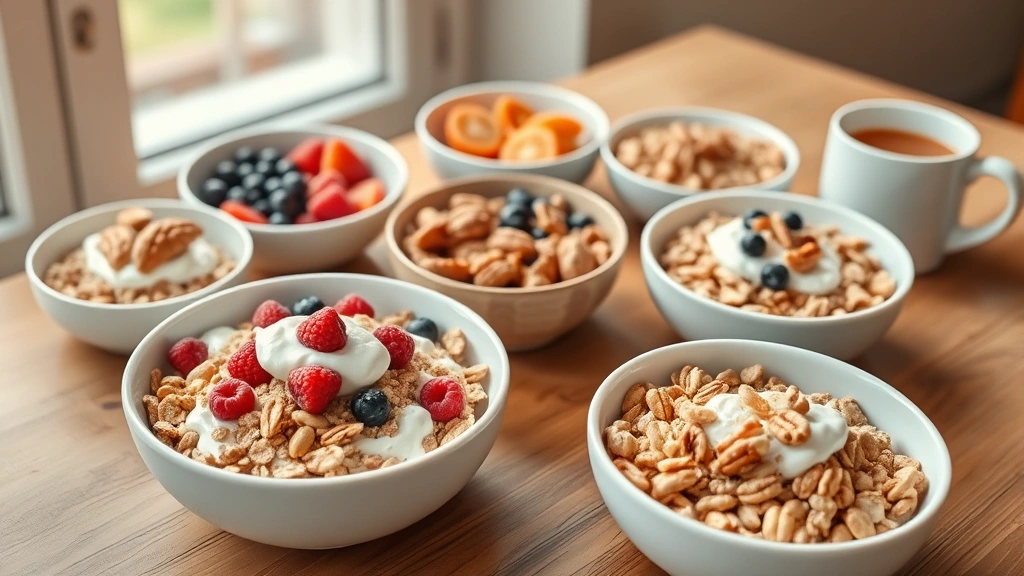
Several cereals consistently receive endorsement from nutrition professionals for their weight loss supportive profiles.
Kashi GoLean Crunch: With 9 grams of protein and 8 grams of fiber per serving, this cereal delivers impressive satiety. At 140 calories and just 6 grams of sugar, it checks all the boxes. The combination of soy protein and whole grains makes it particularly effective for sustained energy.
Nature’s Path Organic SmartBran: Providing 8 grams of fiber and minimal added sugars, this cereal supports digestive health and weight loss simultaneously. The organic certification appeals to health-conscious consumers seeking cleaner ingredient lists.
Cheerios (Original): Sometimes the classic choice is the best. Original Cheerios contain just 1 gram of sugar and 3 grams of fiber per serving at 100 calories. While not high in protein independently, they pair beautifully with Greek yogurt or milk for a complete breakfast.
Special K Protein: Designed specifically with weight management in mind, this cereal provides 10 grams of protein and 3 grams of fiber at 110 calories per serving. The higher protein content makes it particularly satiating.
Bob’s Red Mill Organic Bran Cereal: At 5 grams of fiber per serving with no added sugar, this cereal appeals to those seeking minimal processing and maximum nutritional density. The nutty flavor satisfies cravings without excess calories.
Cascadian Farm Organic Granola (Low Fat): While traditional granola tends toward high calories and sugar, Cascadian Farm’s lower-fat version provides a more balanced option at 180 calories with 3 grams of fiber and 4 grams of protein per serving.
How to Build a Weight Loss Cereal Bowl
Selecting a good cereal is only half the equation. How you build your bowl determines whether breakfast supports or undermines your weight loss goals.
Step 1: Choose Your Base: Start with one of the nutritionist-approved cereals mentioned above. Pour a measured serving (typically ¾ to 1 cup, depending on the cereal).
Step 2: Select Your Liquid: Unsweetened almond milk (30 calories per cup) is an excellent choice for weight loss. It adds minimal calories while providing a creamy texture. Skim milk works well if you prefer dairy, offering additional protein at 80 calories per cup. Avoid sweetened milk alternatives, which can add 30-50 calories and unnecessary sugars.
Step 3: Add Protein: This is where many people miss an opportunity. Greek yogurt (plain, non-fat), cottage cheese, or protein powder transforms your bowl from adequate to exceptional. Just 2-3 tablespoons of Greek yogurt adds 7-10 grams of protein, dramatically improving satiety. This aligns with research on protein’s role in weight loss.
Step 4: Include Fresh Fruit: Berries are ideal—they’re low in calories, high in fiber, and nutrient-dense. A handful of blueberries adds only 20-30 calories while boosting antioxidants and flavor. Sliced banana provides creaminess and potassium but watch portions; half a medium banana is sufficient.
Step 5: Finish with Healthy Fats (Optional): A small sprinkle of ground flaxseed or chia seeds adds omega-3 fatty acids and extra fiber without significantly increasing calories. Keep this to 1 tablespoon maximum, as these seeds are calorie-dense.
A perfectly balanced weight loss cereal bowl looks like this: 1 cup cereal + ¾ cup unsweetened almond milk + 3 tablespoons Greek yogurt + ½ cup berries = approximately 200-250 calories with 15+ grams of protein and 7+ grams of fiber. This breakfast keeps you satisfied until lunch.
Portion Control and Serving Sizes
Portion control represents one of the most overlooked aspects of using cereals for weight loss. A single serving of most cereals ranges from ¾ cup to 1 cup, yet many people pour 2-3 cups into their bowl without measuring.
Investing in a simple measuring cup transforms your breakfast. Pouring blind typically results in 50-100% more cereal than intended. This seemingly small mistake adds 100-200 calories daily, which compounds to 7-14 pounds of weight gain annually.
Use these strategies to maintain appropriate portions:
- Measure your cereal for the first two weeks until you develop visual calibration
- Use a smaller bowl, which makes standard servings appear more generous
- Pre-portion individual bags or containers if you struggle with self-regulation
- Set a rule: never eat directly from the box
- Track your breakfast in a food app initially to build awareness
Many people find that increasing the volume of their bowl through added liquid, yogurt, and fruit makes the standard portion feel more satisfying. The psychological impact of a full bowl shouldn’t be underestimated in weight loss success.
Comparing Cereals: Reading Labels Like a Pro
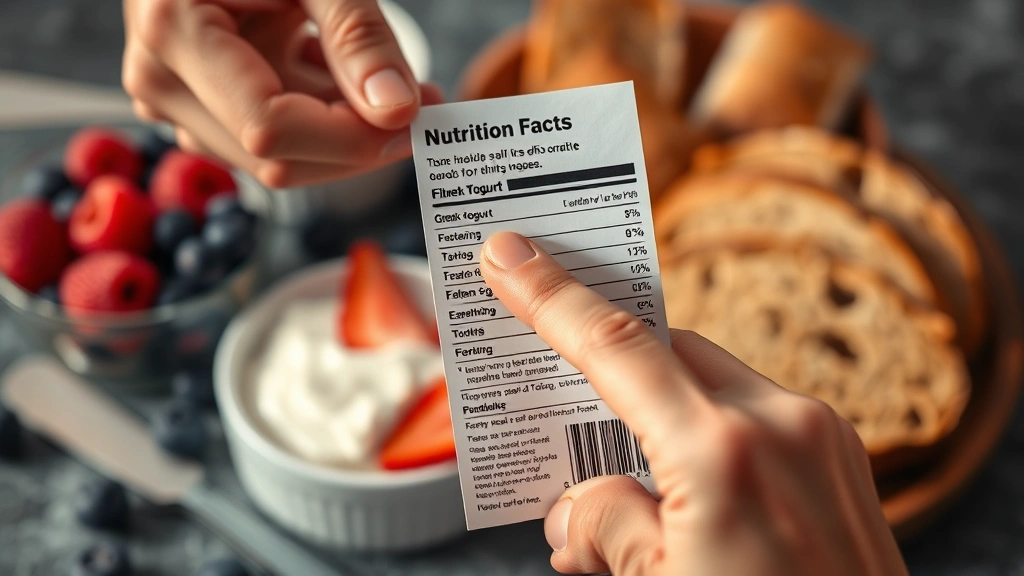
The nutrition label is your map to weight loss success. Understanding how to read it separates effective choices from marketing deception.
Start with Serving Size: Everything on the label relates to this number. Many cereals list a serving size of ¾ cup, but you might naturally pour 1.5 cups. Always multiply the label numbers by your actual serving multiplier.
Calories: For weight loss, cereals should contain 100-150 calories per standard serving. Higher-calorie cereals require portion adjustments or shouldn’t be included regularly.
Fiber: This is your primary target. Aim for at least 3 grams, preferably 5+. Fiber creates volume in your stomach, triggering satiety signals to your brain. It also stabilizes blood sugar, preventing the energy crashes that trigger unhealthy snacking.
Protein: Check both the cereal itself and plan to add protein through milk, yogurt, or other toppings. Total breakfast protein should reach 15-20 grams for optimal satiety.
Added Sugar: This is where deception often occurs. “Healthy sounding” cereals frequently contain 10-15 grams of added sugar. Remember that 4 grams equals 1 teaspoon. A cereal with 12 grams of added sugar means you’re consuming 3 teaspoons of sugar before adding fruit or sweetened milk.
Ingredients List: Whole grains should appear first. Avoid cereals with multiple added sugars listed (honey, brown sugar, cane juice, etc.). Artificial colors and flavors are optional and unnecessary.
Sodium: Keep cereal sodium under 200mg per serving. Excessive sodium promotes water retention and can increase appetite.
The Academy of Nutrition and Dietetics provides evidence-based guidance on cereal selection and weight management nutrition strategies.
Common Cereal Mistakes That Sabotage Weight Loss
Mistake 1: Choosing Granola Traditional granola, despite its health halo, contains 200+ calories per ¼ cup serving with added oils and sweeteners. Many people pour ½-¾ cup thinking they’re making a healthy choice, consuming 400-600 calories before adding milk. If granola appeals to you, use it as a topping (2 tablespoons) on yogurt rather than as your primary cereal.
Mistake 2: Adding “Healthy” Sweeteners Honey, agave, or maple syrup added to cereals completely undermines your weight loss efforts. These are pure sugar regardless of their source. If your cereal tastes bland, improve it with cinnamon, vanilla extract, or fruit rather than additional sweeteners.
Mistake 3: Pairing with Sugary Milk Alternatives Many plant-based milk options contain 5-10 grams of added sugar per cup. Vanilla or chocolate varieties are essentially liquid dessert. Always choose unsweetened versions.
Mistake 4: Skipping Protein Eating cereal with only milk leaves you hungry within 90 minutes. Adding protein-rich toppings is non-negotiable for weight loss success. This is where consulting an online weight loss doctor can provide personalized guidance.
Mistake 5: Eating Cereal Late in the Day While cereals can support weight loss at breakfast, eating them as evening snacks often leads to overeating. Evening snacking tends to be mindless and exceeds calorie needs. Reserve cereals for morning meals when you can properly portion and pair them.
Mistake 6: Not Tracking Calories Many people assume that because they chose a “healthy” cereal, they don’t need to track intake. Weight loss fundamentally requires understanding your calorie balance. Tracking breakfast cereals reveals patterns and prevents gradual calorie creep.
Pairing Cereals with Protein for Satiety
The satiety factor makes or breaks cereal’s effectiveness for weight loss. A bowl of cereal alone, regardless of its nutritional profile, won’t keep you satisfied through a morning of work or exercise.
Greek Yogurt: This is the gold standard pairing. A ½ cup of plain, non-fat Greek yogurt adds 10 grams of protein and 60 calories. The combination of cereal carbohydrates and yogurt protein creates a metabolically optimal breakfast. The creamy texture also improves the eating experience.
Cottage Cheese: Often overlooked, cottage cheese provides 12-14 grams of protein per ½ cup with minimal calories. Its chunky texture contrasts interestingly with cereal. Some people find it unusual but quickly grow to prefer it for its superior satiety.
Protein Powder: Vanilla or unflavored protein powder mixes seamlessly into cereal bowls. A standard scoop adds 20-25 grams of protein with minimal calories. This approach works particularly well when combined with weight loss smoothies or mixed into milk before adding cereal.
Milk Selection: Choose milk that contributes protein. Skim milk provides 8 grams per cup. Fairlife or other protein-enhanced milk options provide 13 grams per cup, making them exceptional choices. Soy milk offers 7 grams per cup if you prefer plant-based options.
Nuts and Seeds: While not traditional protein sources, a small handful of almonds or walnuts (about 1 ounce) adds 6 grams of protein and 160 calories. This works best with lower-calorie cereals to keep total breakfast calories reasonable.
Research from the National Center for Biotechnology Information demonstrates that protein consumption at breakfast significantly reduces overall daily calorie intake by improving satiety and reducing subsequent snacking.
Budget Friendly Weight Loss Cereal Options
Weight loss doesn’t require expensive specialty products. Many budget-friendly cereals support your goals effectively.
Store Brand Options: Most grocery store chains offer private-label versions of popular cereals at 30-40% lower cost. Kroger’s Simple Truth, Walmart’s Great Value, and Target’s Good & Gather lines provide quality options. Compare nutrition labels rather than assuming brand-name superiority.
Cheerios: Original Cheerios remain one of the most affordable weight-loss friendly cereals. At approximately $3-4 per box, they provide excellent value. The minimal sugar and reasonable calories make them a smart budget choice.
Store Brand Bran Cereals: Generic bran cereals typically cost $2-3 per box and deliver impressive fiber content. While less exciting than branded options, they perform admirably for weight loss when paired with flavorful toppings.
Oatmeal: Steel-cut or rolled oats cost pennies per serving and provide excellent fiber and satiety. While technically not a cereal, they function similarly in your breakfast rotation and deserve consideration.
Buying Strategies: Purchase cereals on sale and stock up. They last months in airtight containers. Generic brands of nutritionally identical cereals reduce costs by 40-50%. Buying in bulk from warehouse clubs like Costco or Sam’s Club offers additional savings.
Weight loss success doesn’t require financial sacrifice. Strategic shopping and label comparison ensure you find effective options within your budget. For comprehensive guidance on affordable weight loss options, including budget-friendly supplements, explore additional resources.
FAQ
Can I eat cereal every day for weight loss?
Yes, you can eat cereal daily if you choose nutritionally sound options and pair them appropriately. The key is consistency and proper portions. However, variety supports better nutrition overall. Rotating cereals with oatmeal, eggs, and yogurt parfaits prevents boredom and ensures diverse nutrient intake.
What’s the best time to eat weight loss cereal?
Breakfast is ideal because you can properly portion and pair your cereal with protein. Eating cereal earlier in the day when you’re active helps you burn calories consumed. Evening cereal consumption often leads to overeating and should be avoided when possible.
Should I choose hot or cold cereal for weight loss?
Both can support weight loss. Cold cereals offer convenience, while hot cereals like oatmeal provide superior satiety for many people. The most important factor is nutritional content, not temperature. Choose based on personal preference and lifestyle.
How do I know if a cereal is truly “healthy”?
Ignore marketing claims on the front of boxes. Instead, read the nutrition label: check for less than 6 grams added sugar, at least 3 grams fiber, minimal sodium, and whole grains as the first ingredient. If a cereal meets these criteria, it’s legitimately weight-loss friendly.
Can children eat weight loss cereals?
Children have different nutritional needs than adults. While low-sugar cereals are appropriate, children need adequate calories and nutrients for growth. Consult a pediatrician before significantly restricting calories or sugar in children’s diets. The focus should be on teaching healthy habits rather than weight loss.
What if I don’t like the taste of healthy cereals?
Taste preferences adapt with exposure. Start by mixing preferred cereals with healthier options in a 50/50 ratio, gradually increasing the proportion of nutritious cereal. Add fruit, cinnamon, or vanilla extract for flavor without added sugar. Many people discover they prefer healthier cereals once their palate adjusts.
Are ancient grains cereals better for weight loss?
Ancient grain cereals (quinoa, amaranth, millet-based) can be excellent choices if they meet nutritional criteria: low added sugar, high fiber, and reasonable calories. However, they’re not inherently superior to conventional whole grain cereals. Choose based on nutrition labels rather than marketing language.
How much weight can I expect to lose eating weight loss cereals?
Weight loss depends on overall calorie deficit, not specific foods. Cereals support weight loss by helping you maintain appropriate calorie intake and feel satisfied. Realistic expectations are 1-2 pounds per week with proper nutrition and lifestyle habits. Consider measuring body composition as discussed in our guide on measuring body fat percentage for comprehensive progress tracking.
Should I completely avoid granola?
Granola can fit into a weight loss plan when used strategically. Use 2-3 tablespoons as a topping on yogurt rather than as your primary cereal. This provides the satisfying crunch and flavor you enjoy while controlling calories. Completely avoiding foods you love often leads to unsustainable restriction and eventual overconsumption.
What about cereal bars and clusters?
Cereal bars and clusters marketed as weight loss products often contain added sugars and oils despite their health positioning. They typically contain 150-200 calories per bar with minimal fiber. Whole cereals paired with fresh fruit provide better satiety and nutrition for similar calories. Reserve bars for occasional convenience rather than daily consumption.