
Coffee Weight Loss Recipe? Nutritionist Approved
Coffee has long been celebrated as more than just a morning pick-me-up. For many people pursuing weight loss goals, coffee represents a potential ally in their wellness journey. But does a simple coffee weight loss recipe actually deliver results, or is it just another health trend? The science suggests that when prepared thoughtfully, coffee can play a supportive role in your weight management strategy—though it’s important to understand how and why.
Caffeine, the primary active compound in coffee, has been extensively studied for its metabolic effects. Research shows that caffeine can temporarily increase your metabolic rate and enhance fat oxidation, meaning your body may burn more calories during physical activity. However, the key word here is “temporarily.” A single cup of coffee won’t create dramatic weight loss on its own. Instead, when combined with other evidence-based strategies like calculating your daily calorie needs and maintaining consistent exercise, coffee can be a useful component of a comprehensive approach.
What makes a coffee recipe truly effective for weight loss isn’t just the coffee itself—it’s what you add (or don’t add) to it. Many commercial coffee beverages are laden with sugar, syrups, and high-calorie creamers that can sabotage your efforts. This guide will walk you through nutritionist-approved coffee recipes and explain the science behind why they work.
How Coffee Supports Weight Loss Efforts
Understanding the mechanism behind coffee’s weight loss benefits helps you use it more strategically. Caffeine works through several pathways in your body. First, it stimulates the central nervous system, which increases alertness and energy expenditure. Second, caffeine can enhance lipolysis—the process by which your body breaks down fat stores for energy. Third, it may suppress appetite temporarily, which can help reduce overall calorie intake when you’re trying to maintain a caloric deficit.
According to research from the National Institutes of Health, caffeine consumption has been shown to increase metabolic rate by 3-11% depending on the dose and individual factors. For someone consuming 200-400mg of caffeine daily (roughly 2-4 cups of coffee), this could translate to burning an additional 20-50 calories per day. While that might sound modest, it adds up over time when combined with other lifestyle modifications.
The chlorogenic acid in coffee also deserves mention. This polyphenol has shown promise in some studies for potentially slowing carbohydrate absorption and reducing blood sugar spikes, which may help prevent energy crashes that lead to overeating. However, the amounts in a typical cup of coffee are relatively small, so don’t overestimate this effect.
It’s important to note that coffee works best as part of a broader strategy. If you’re interested in exploring additional options, understanding approaches like peptides for weight loss or low-dose naltrexone for weight loss can give you a fuller picture of available tools. However, coffee remains accessible and evidence-supported for most people.
Nutritionist-Approved Coffee Recipes
The recipes below are designed to maximize coffee’s benefits while keeping calories minimal and nutritional value high. Each serves as a foundation you can customize based on your preferences.
Recipe 1: Black Coffee with Cinnamon
Ingredients: 8 oz freshly brewed black coffee, 1/4 teaspoon ground cinnamon
Calories: 2 | Protein: 0g | Net Carbs: 0g
This is the gold standard for weight loss coffee. Black coffee provides all the metabolic benefits of caffeine without any added calories. The cinnamon adds flavor and may provide additional blood sugar stabilization benefits. Simply sprinkle cinnamon into your hot coffee and stir well.
Recipe 2: Bulletproof-Style Coffee (Modified)
Ingredients: 8 oz black coffee, 1 tablespoon grass-fed butter or ghee, 1 tablespoon coconut oil, 1 teaspoon vanilla extract
Calories: 180 | Protein: 0g | Fat: 20g
While higher in calories than black coffee, this recipe creates sustained energy and may help with appetite suppression. The fat content slows caffeine absorption, providing steadier energy without jitters. Blend thoroughly for a creamy texture. This works best as a meal replacement rather than an addition to breakfast.
Recipe 3: Protein Coffee
Ingredients: 8 oz black coffee (cooled slightly), 1 scoop vanilla protein powder (whey or plant-based), 1/2 cup unsweetened almond milk, ice
Calories: 120 | Protein: 20g | Net Carbs: 2g
Combining coffee with protein creates a more satiating drink that can help reduce hunger throughout the morning. The protein also supports muscle preservation during weight loss, which is crucial for maintaining metabolic health. Blend all ingredients until smooth.
Recipe 4: Green Coffee Extract Drink
Ingredients: 8 oz hot water, 1 teaspoon instant coffee, 1 teaspoon green coffee extract powder, 1 tablespoon fresh lemon juice
Calories: 5 | Protein: 0g | Net Carbs: 0g
Green coffee extract contains higher concentrations of chlorogenic acid than regular coffee. While research is still evolving, some studies suggest it may support weight loss more effectively than roasted coffee. The lemon juice adds flavor and vitamin C without significant calories.
Best Ingredients for Weight Loss Coffee
Not all coffee additions are created equal. Here’s what nutritionists recommend and what to avoid:
Recommended Additions
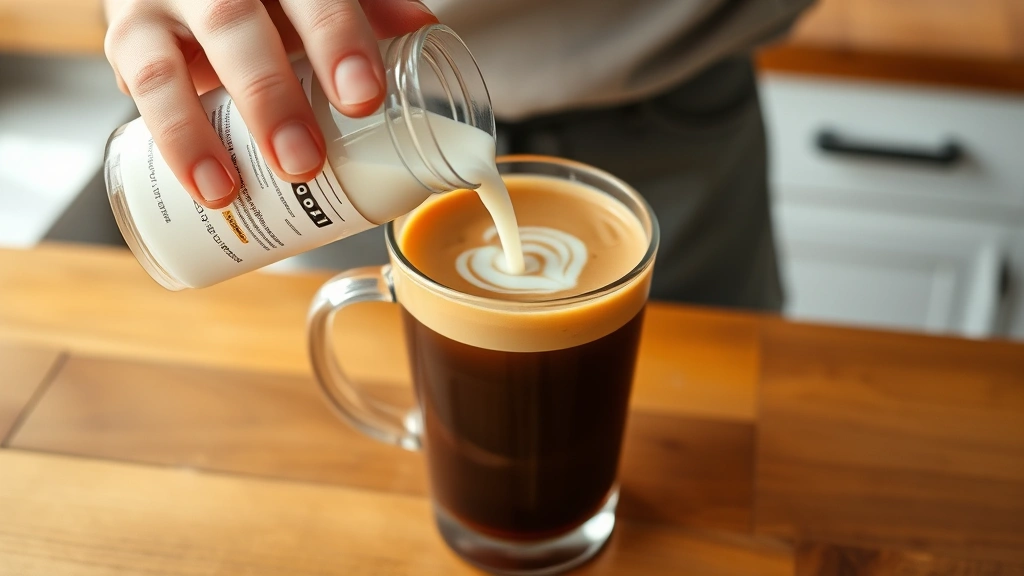
- Unsweetened almond milk: 30 calories per cup, provides creaminess without sugar
- Coconut milk (lite): 45 calories per cup, adds richness and MCTs
- Cinnamon: 0 calories, may support blood sugar control
- Vanilla extract: 0 calories, provides sweetness perception without sugar
- Unsweetened cocoa powder: 12 calories per tablespoon, adds flavor and antioxidants
- Monk fruit sweetener: 0 calories, no glycemic impact
- Stevia: 0 calories, natural sweetener option
- Grass-fed butter or ghee: Supports satiety when used in moderation
- MCT oil: 120 calories per tablespoon, may boost ketone production
Ingredients to Limit or Avoid
- Regular creamers: 20-50 calories per tablespoon with added sugars
- Flavored syrups: 10-20 calories per pump with 10+ grams of sugar
- Sweetened condensed milk: 130 calories per ounce with high sugar content
- Commercial coffee drinks: Often 200-400+ calories with excessive sugar
- Sugar or honey: Empty calories that spike blood sugar
- Whipped cream: 50+ calories per serving with minimal nutrition
The key principle is choosing additions that enhance satiety, provide nutrients, or add minimal calories without spiking blood sugar. If you’re exploring comprehensive weight loss strategies, understanding how water intake supports weight loss complements your coffee routine perfectly.
Common Mistakes That Sabotage Results
Many people unknowingly undermine their weight loss efforts through coffee choices. Being aware of these pitfalls helps you stay on track.
Mistake 1: Liquid Calories Add Up Quickly
A grande caramel macchiato from a major coffee chain contains around 240 calories and 30 grams of sugar—nearly equivalent to a full meal. When consumed daily, that’s 1,680 calories weekly just from coffee. Over a year, that could translate to 50+ pounds of weight gain. Switching to black coffee or a simple homemade recipe eliminates this problem entirely.
Mistake 2: Confusing Appetite Suppression with Actual Nutrition
While caffeine can suppress appetite temporarily, it doesn’t provide sustained nutrition. Relying on coffee as a meal replacement without sufficient protein or nutrients sets you up for nutritional deficiencies and eventual overeating. If using coffee as a breakfast substitute, ensure it contains adequate protein and healthy fats.
Mistake 3: Excessive Caffeine Intake
More caffeine doesn’t mean better results. Consuming more than 400mg daily (roughly 4 cups) can lead to jitteriness, sleep disruption, anxiety, and paradoxically, increased cortisol production, which may promote fat storage. Stick to 200-300mg daily for optimal benefits without downsides.
Mistake 4: Drinking Coffee on an Empty Stomach
For some people, black coffee on an empty stomach can increase stomach acid and cause digestive discomfort. It may also lead to a blood sugar crash, triggering cravings later. Pairing coffee with a small amount of fat or protein improves stability.
Mistake 5: Ignoring Individual Caffeine Sensitivity
Genetic variations mean some people metabolize caffeine quickly while others process it slowly. If you’re sensitive to caffeine, consuming it after 2 PM can disrupt sleep, and poor sleep sabotages weight loss efforts. Know your body’s response and adjust timing accordingly.
Timing and Frequency Guidelines
When you drink coffee matters as much as what you drink. Strategic timing maximizes benefits while minimizing downsides.
Optimal Timing
Early morning (6-8 AM): Drinking coffee shortly after waking takes advantage of your natural cortisol peak and provides energy for morning workouts. Studies show caffeine consumed 30-60 minutes before exercise can enhance fat burning and performance.
Post-meal: Consuming coffee after eating may help stabilize blood sugar spikes and improve satiety. The caffeine is less likely to cause stomach upset when consumed with food.
Mid-afternoon (2-3 PM): A second cup can combat the afternoon energy slump without interfering with sleep, provided you’re not caffeine-sensitive. This timing may prevent reaching for sugary snacks.
Frequency Recommendations
For weight loss purposes, 1-3 cups daily appears optimal based on research. This provides metabolic benefits while staying within safe caffeine limits. More than 4 cups daily may cause tolerance, where your body adapts and benefits diminish. If you consistently drink large amounts, occasional cycling (taking 2-3 days off weekly) can restore sensitivity.
Combining Coffee with Other Strategies
Coffee works best as part of a comprehensive weight loss approach. Understanding how different strategies complement each other maximizes your success.
Coffee and Exercise
Caffeine enhances endurance and strength performance, allowing you to train harder and longer. Consuming coffee 30-60 minutes before workouts may increase fat oxidation during exercise. This synergy makes the combination particularly effective.
Coffee and Calorie Deficit
Weight loss fundamentally requires consuming fewer calories than you burn. Coffee’s mild appetite-suppressing effects and metabolic boost help create and maintain this deficit more easily. However, coffee alone cannot overcome excessive calorie intake.
Coffee and Sleep
Poor sleep disrupts hunger hormones and increases cortisol, promoting weight gain. By limiting coffee after 2-3 PM and avoiding excessive amounts, you protect sleep quality, which is essential for weight loss success.
Coffee and Hydration
While coffee is caffeinated, it still contributes to daily fluid intake. However, caffeine has mild diuretic effects, so ensure you’re also drinking adequate water. Understanding how water intake supports weight loss helps you maintain proper hydration alongside your coffee routine.
Coffee and Medical Approaches
If you’re exploring medical weight loss options, coffee can complement these approaches. For example, if considering peptides for weight loss, low-dose naltrexone, or reviewing tirzepatide results, coffee provides additional metabolic support without interfering. Discuss any concerns with your healthcare provider.
Coffee and Nutritional Status
For those with specific health concerns like PCOS, understanding how different interventions work together matters. Supplements for PCOS weight loss may be used alongside coffee for enhanced results, though always consult healthcare professionals first.
FAQ
Does coffee actually help with weight loss?
Yes, but modestly. Caffeine increases metabolic rate by 3-11% and may enhance fat burning, especially during exercise. However, the effect is small—roughly 20-50 additional calories burned daily. Coffee works best as part of a broader strategy including calorie deficit, exercise, and good sleep. Research from Frontiers in Nutrition confirms coffee’s modest but measurable metabolic effects.
Is black coffee better than coffee with milk or cream?
For pure weight loss purposes, black coffee is superior because it contains virtually no calories. However, adding a small amount of unsweetened almond milk or coconut milk (30-50 calories) can improve satiety and reduce stomach upset without significantly impacting results. Avoid regular creamers and syrups, which add 50-200+ calories.
Can I drink coffee while intermittent fasting?
Black coffee (and plain tea) contain minimal calories and won’t break a fast. However, adding cream, milk, or sugar will technically break your fast. If practicing intermittent fasting, stick to black coffee, plain water, and unsweetened tea during fasting windows.
How much coffee is too much?
The FDA recommends limiting caffeine to 400mg daily for healthy adults, equivalent to about 4 cups of regular coffee. Exceeding this can cause jitteriness, anxiety, sleep disruption, and potentially counterproductive cortisol elevation. Individual sensitivity varies, so adjust based on your response.
Will my body develop tolerance to coffee’s benefits?
Yes, tolerance can develop with consistent high consumption. If you drink large amounts daily, benefits may diminish over 2-3 weeks. Cycling coffee (taking 2-3 days off weekly or every few weeks) helps maintain sensitivity and maximize metabolic benefits.
Is green coffee better than regular coffee for weight loss?
Green coffee contains higher levels of chlorogenic acid, which some research suggests may support weight loss more effectively. However, the evidence is mixed, and differences are modest. Both regular and green coffee can support weight loss when prepared without added sugars and calories.
Should I drink coffee before or after meals?
Both timing strategies offer benefits. Before meals, coffee may slightly suppress appetite. After meals, it may help stabilize blood sugar spikes and improve satiety. For most people, post-meal consumption causes less stomach upset. Experiment to find what works best for your body.
Can coffee replace breakfast?
Black coffee alone shouldn’t replace breakfast, as it provides no protein, fat, or micronutrients. However, a protein-enriched coffee recipe (with protein powder, healthy fats, and minimal carbs) can serve as a meal replacement if it contains sufficient calories and nutrients. Ensure you’re meeting daily nutritional needs overall.
Is instant coffee as effective as freshly brewed?
Instant coffee contains similar caffeine levels and can be equally effective. The primary difference is that some antioxidants may be lost during processing, but the metabolic effects remain. Choose instant varieties without added sugars or creamers.
Does adding lemon to coffee enhance weight loss?
Lemon juice adds minimal calories (about 3 per tablespoon) and provides vitamin C. While it doesn’t directly enhance weight loss, it improves flavor without adding sugar, making it easier to enjoy black coffee. Some claim acidic beverages improve digestion, though evidence is limited.


