
Is Colon Cleanse Effective for Weight Loss? MD Insights
Colon cleansing has become increasingly popular in wellness circles, with many people promoting it as a solution for weight loss and digestive health. The appeal is understandable—the promise of removing built-up toxins and excess waste sounds logical. However, the medical evidence tells a different story. As a health writer focused on evidence-based weight loss strategies, I want to provide you with what medical professionals actually know about colon cleanses and whether they deliver on their weight loss claims.
The truth is that colon cleanses can produce temporary weight loss, but this loss is neither sustainable nor indicative of real fat loss. Understanding the difference between water weight, waste elimination, and actual body composition changes is crucial for anyone serious about lasting weight management. This article breaks down the science behind colon cleansing, explains why medical doctors are skeptical, and explores what actually works for meaningful weight loss.
What Is a Colon Cleanse?
A colon cleanse, also called colonic irrigation or a detox cleanse, refers to various methods intended to remove waste and toxins from your large intestine. These methods range from over-the-counter supplements and herbal teas to professional colonics performed by practitioners. Common types include herbal supplements, fiber-based drinks, salt water flushes, and water-based colon hydrotherapy sessions.
The fundamental premise behind colon cleansing is that your digestive system accumulates harmful substances that your body cannot eliminate naturally. Proponents claim that this buildup—sometimes called “fecal matter”—causes weight gain, fatigue, and disease. However, this foundational claim lacks scientific support. Your colon is specifically designed to eliminate waste through regular bowel movements. The healthy human body has evolved sophisticated mechanisms for removing toxins without requiring external intervention.
When someone uses a colon cleanse product, they typically experience increased bowel movements and loose stools. This process removes stool from the intestines, which can show as weight loss on a scale. However, this weight loss is temporary and returns once normal eating resumes. It’s important to understand that this is not fat loss—it’s simply the movement of existing waste through your digestive system.
The Temporary Weight Loss Myth
One of the most misleading aspects of colon cleanse marketing is the promise of weight loss. Yes, you may see the number on your scale decrease after a cleanse, but this requires an honest understanding of what that number represents.
Your digestive system always contains some amount of stool and digestive material. On average, this weighs between 5 to 20 pounds depending on your diet, hydration, and individual factors. When a colon cleanse dramatically increases bowel movements, you’re emptying this contents faster than normal. The resulting weight loss is entirely from waste elimination, not from burning fat or creating a calorie deficit.
Here’s what happens: You might lose 8 pounds in two days following a colon cleanse protocol. You feel energized by the results. However, within 3-5 days of returning to normal eating, you regain that weight as new food enters your system and your digestive tract refills. This cycle teaches your body nothing about sustainable eating patterns or true weight management. It’s a temporary illusion that can actually be discouraging when the weight returns inevitably.
Real, sustainable weight loss comes from creating a calorie deficit through proper nutrition and exercise. It requires changes to your eating habits and lifestyle that last weeks and months, not days. If you’re interested in proven methods, exploring options like weight loss smoothies or cycling for weight loss provides evidence-based strategies that actually change your body composition.
Medical Evidence and Doctor Concerns
The American Gastroenterological Association and most medical professionals express significant skepticism about colon cleanses for weight loss or general health. Research published in clinical gastroenterology journals consistently fails to demonstrate that colon cleanses provide health benefits beyond what your body naturally accomplishes.
A study from the American Gastroenterological Association found no evidence that colon cleansing improves digestive health or prevents disease in people with normally functioning colons. In fact, medical literature emphasizes that your colon is highly effective at self-regulation. The mucous lining protects intestinal walls, beneficial bacteria maintain balance, and peristalsis (muscular contractions) naturally move waste through your system.
Doctors who specialize in obesity medicine and weight loss, including those affiliated with The Obesity Medicine Association, do not recommend colon cleanses as a weight management strategy. They point out that the temporary water and waste weight loss provides false hope and can distract people from implementing real behavioral changes necessary for lasting results.
Dr. Ranit Mishori, senior medical advisor for the American Academy of Family Physicians, has stated that colon cleanses can be harmful and that there’s no evidence they remove toxins or improve health. This consensus among medical professionals is important because it reflects decades of clinical observation and research.
Types of Colon Cleanses and Their Effects
Herbal Supplements and Teas: These typically contain senna, aloe, or cascara—natural laxatives that stimulate bowel movements. They produce results within hours and can cause cramping and dehydration. The weight loss from these supplements is entirely water and stool weight.
Fiber-Based Cleanses: Products like psyllium husk drinks increase fiber intake, which does support digestive health when used appropriately. However, marketed as “cleanses,” they’re simply fiber supplements. While adequate fiber is genuinely important for health, using excess fiber specifically to purge your system isn’t necessary or particularly beneficial.
Salt Water Flushes: These involve drinking salt water to trigger rapid bowel movements. They can cause electrolyte imbalances and dehydration. The weight loss is purely from fluid loss and stool elimination.
Colonic Hydrotherapy: This involves having a practitioner insert water into your colon through a tube. It’s more invasive, more expensive, and carries risks of perforation, infection, and dehydration. Medical organizations warn against this procedure outside of legitimate medical contexts like colonoscopy preparation.
None of these methods address the actual requirements for weight loss: sustained calorie reduction and lifestyle change. If you’re serious about losing weight, you’d benefit more from strategies like understanding how to prevent loose skin during weight loss, which shows you’re thinking long-term about body composition changes.

Potential Risks and Side Effects
While colon cleanses are often marketed as natural and safe, they carry real health risks that medical professionals take seriously.
- Dehydration: Colon cleanses increase fluid loss, which can lead to dehydration, electrolyte imbalances, and dizziness.
- Cramping and Abdominal Pain: Aggressive stimulation of bowel movements causes painful cramping that can last for hours.
- Disruption of Healthy Gut Bacteria: Your colon hosts beneficial bacteria essential for immune function, nutrient absorption, and digestive health. Cleanses can disrupt this delicate balance, potentially causing problems for weeks afterward.
- Intestinal Perforation: Colonics and aggressive cleansing can tear the intestinal wall, a medical emergency requiring hospitalization.
- Allergic Reactions: Some herbal cleanses contain ingredients that trigger allergic responses or interact with medications.
- Electrolyte Imbalances: Loss of sodium, potassium, and other minerals can cause heart palpitations, muscle weakness, and other serious complications.
- Rectal Bleeding: Aggressive cleansing can cause bleeding in the digestive tract.
These aren’t theoretical concerns. Emergency rooms regularly treat patients experiencing complications from colon cleanses. People with inflammatory bowel disease, Crohn’s disease, ulcerative colitis, or other digestive conditions face especially serious risks.
What Actually Works for Real Weight Loss
Instead of pursuing temporary cleanses, sustainable weight loss comes from evidence-based approaches that address your actual caloric intake and lifestyle patterns.
Calorie Deficit: Weight loss fundamentally requires consuming fewer calories than you burn. This can be achieved through dietary changes, increased physical activity, or both. A deficit of 500-750 calories per day typically produces 1-2 pounds of fat loss per week—real, lasting results.
Balanced Nutrition: Focus on whole foods: lean proteins, vegetables, fruits, whole grains, and healthy fats. These foods naturally support satiety and provide nutrients your body needs. If you’re interested in nutrition strategies, weight loss smoothies can be a practical tool when formulated with protein and whole ingredients.
Regular Exercise: Combining cardiovascular exercise with strength training produces the best results. Exercise burns calories, builds muscle (which increases resting metabolism), and provides mental health benefits. Activities like cycling for weight loss offer enjoyable, sustainable options.
Behavioral Changes: Real weight loss requires addressing eating habits, stress management, sleep quality, and emotional eating patterns. Working with registered dietitians or behavioral health specialists provides personalized guidance.
Medical Support When Needed: For some people, additional tools help. This might include weight loss injections or semaglutide weight loss options, which work by suppressing appetite and improving metabolic function—mechanisms completely different from colon cleansing.
These approaches require effort and consistency, which is why they’re less aggressively marketed than quick-fix cleanses. But they produce real results that last because they change your relationship with food and activity.
Healthy Digestion Without Cleanses
Your digestive system is remarkably self-sufficient. Supporting it doesn’t require commercial cleanses—it requires basic healthy habits.
Adequate Fiber: Consume 25-35 grams of fiber daily from vegetables, fruits, legumes, and whole grains. Fiber naturally supports regular bowel movements and feeds beneficial gut bacteria. This is genuine digestive support, not aggressive purging.
Hydration: Drink adequate water throughout the day. Proper hydration supports digestive function, prevents constipation, and aids overall health. Aim for 8-10 glasses daily, adjusted for activity level and climate.
Regular Movement: Physical activity stimulates digestive function. Even 20-30 minutes of daily movement supports normal bowel function.
Stress Management: Chronic stress impairs digestion. Practices like meditation, yoga, or simply spending time in nature support digestive health.
Adequate Sleep: Your digestive system repairs and optimizes during sleep. Consistent, quality sleep is essential for gut health.
Limit Problematic Foods: If certain foods cause bloating or digestive distress, reduce them. But this is individual—no universal list applies to everyone. Pay attention to your body’s signals.
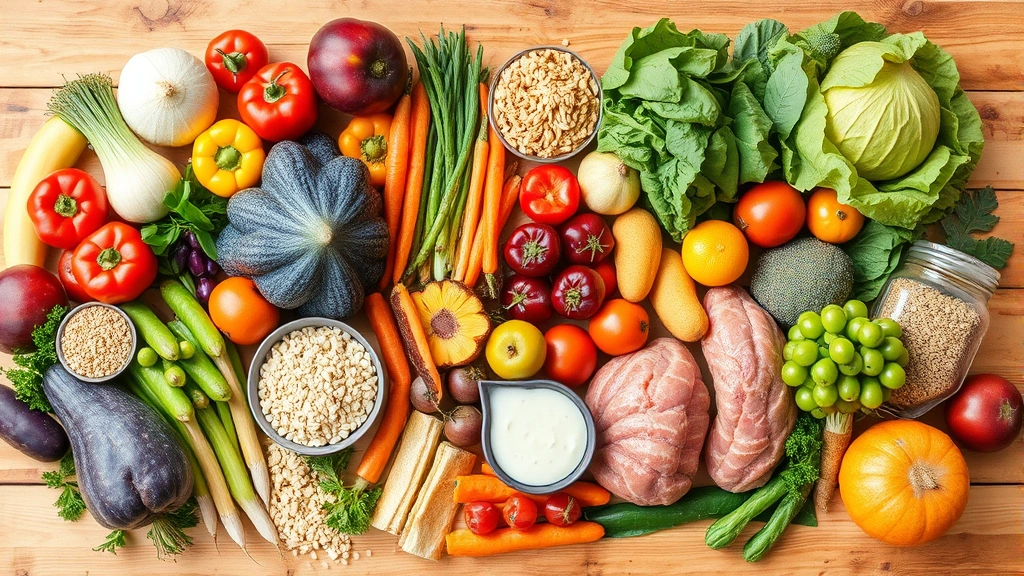
These fundamentals support genuine digestive health without the risks and temporary results of colon cleanses. Your body has evolved over millions of years to handle waste elimination. Trust that system while supporting it through healthy living.
FAQ
Can colon cleanses help me lose weight permanently?
No. Any weight loss from colon cleanses is temporary—purely from eliminating stool and water. Within days of normal eating, you regain that weight. Real, permanent weight loss requires sustained changes to calorie intake and lifestyle, not cleansing protocols.
Are colon cleanses safe?
Colon cleanses carry real health risks including dehydration, electrolyte imbalances, intestinal perforation, and disruption of beneficial gut bacteria. People with digestive disorders face especially serious risks. Medical professionals do not recommend them for general health.
Do I need a colon cleanse to be healthy?
No. Your colon naturally eliminates waste through regular bowel movements. A healthy diet with adequate fiber and water, regular exercise, stress management, and good sleep provide all the digestive support your body needs.
What’s the difference between a colon cleanse and a colonoscopy?
A colonoscopy is a medical procedure performed by doctors to screen for cancer and disease. It requires bowel preparation (similar to a cleanse) but serves a specific diagnostic purpose. Commercial colon cleanses have no medical purpose and aren’t performed by medical professionals.
If colon cleanses don’t work, what should I do for weight loss?
Focus on proven strategies: create a calorie deficit through balanced nutrition and exercise, work with a registered dietitian if possible, address behavioral eating patterns, and be consistent over weeks and months. Real weight loss takes time but produces lasting results that colon cleanses cannot achieve.
Are there any benefits to colon cleanses?
Medical research hasn’t identified health benefits from colon cleanses in people with normally functioning digestive systems. The only legitimate use is bowel preparation before medical procedures like colonoscopies, under doctor supervision.
What should I do if I’m struggling with weight loss?
Consider consulting a registered dietitian, your primary care physician, or a specialist in evidence-based weight management from the CDC. Professional guidance helps identify barriers to success and develop personalized strategies. Explore sustainable options rather than quick-fix approaches that ultimately waste time and money.


