
Colon Cleanse for Weight Loss? Expert Opinions on Safety and Effectiveness
The promise of rapid weight loss through colon cleansing has captivated millions of people searching for quick solutions to stubborn pounds. From commercial detox kits to expensive spa treatments, the colon cleanse industry generates billions annually, yet the scientific evidence supporting these practices remains surprisingly thin. Health professionals and registered dietitians consistently warn that while colon cleanses may produce dramatic initial weight loss on the scale, the results are largely temporary water and waste elimination rather than true fat loss.
Understanding what actually happens during a colon cleanse and whether it genuinely supports sustainable weight loss requires examining both the mechanism and the medical evidence. This comprehensive guide separates fact from marketing fiction, explores what experts really think about colon cleanses, and reveals the evidence-based approaches that actually work for long-term weight management.
What Is a Colon Cleanse and How Does It Work?
A colon cleanse, also called a colonic irrigation or detox cleanse, involves flushing the large intestine with liquids to remove accumulated waste and toxins. Commercial colon cleanse products come in various forms: oral supplements containing herbs, fiber, and sometimes laxatives; powdered drinks mixed with water; capsules; or professional colonic irrigation treatments administered by practitioners.
The underlying theory suggests that waste buildup in your colon creates a toxic environment that impairs digestion, slows metabolism, and contributes to weight gain. Proponents claim that removing this buildup jumpstarts weight loss and improves overall health. However, your colon already has a sophisticated self-cleaning mechanism. The intestinal lining naturally sheds and regenerates every three to five days, and normal bowel movements continuously eliminate waste.
Most commercial colon cleanses work through one of two mechanisms: osmotic laxatives that draw water into the intestines to stimulate bowel movements, or stimulant laxatives that increase intestinal muscle contractions. Some products combine fiber supplementation with herbal ingredients like senna, cascara, or aloe vera. The immediate result is increased bowel movements and, yes, weight loss on the scale—but this represents water, electrolytes, and stool, not fat tissue.
The Weight Loss Connection: What You Actually Lose
When someone completes a colon cleanse and steps on the scale to find they’ve lost five to fifteen pounds, they’re experiencing a temporary reduction in total body weight. This weight loss is almost entirely composed of water and intestinal contents, not adipose tissue (body fat). Your colon typically contains one to two pounds of stool at any given time, and aggressive cleansing can temporarily remove significantly more through dehydration.
This distinction matters tremendously for sustainable weight management. True weight loss—the kind that improves health markers like blood pressure and reduces disease risk—requires burning more calories than you consume, which leads to fat loss. The scale weight lost during a colon cleanse returns within days once you resume normal eating and drinking patterns. Studies published in medical journals confirm that colon cleanses produce no lasting weight loss or metabolic changes.
Consider the physiology: your body contains approximately 60 percent water. Aggressive bowel movements and reduced food intake during a cleanse depletes water stores, creating the illusion of significant weight loss. As soon as you rehydrate and eat normally, that weight returns. For sustainable results, explore high protein recipes for weight loss that support real fat loss through proper nutrition.
Research from obesity medicine specialists demonstrates that meaningful weight loss requires lifestyle changes: consistent calorie deficit, adequate protein intake, regular physical activity, and behavioral modifications. exercise cycle for weight loss programs combined with dietary changes produce measurable, lasting results that colon cleanses simply cannot match.
Expert Medical Opinions on Colon Cleansing
The American Gastroenterological Association and the American College of Gastroenterology have issued clear statements: healthy individuals with normal bowel function do not require colon cleansing for health or weight loss purposes. The American Gastroenterological Association emphasizes that the colon is self-cleaning and that unnecessary cleanses may disrupt beneficial gut bacteria and electrolyte balance.
Registered dietitians consistently advise against colon cleanses for weight loss. According to the Academy of Nutrition and Dietetics, sustainable weight management requires evidence-based nutrition interventions, not unproven detoxification practices. The organization notes that commercial detox products lack scientific support and may contain undisclosed ingredients or contaminants.
Dr. Brenda Powell, medical director of the Center for Functional Medicine at the Cleveland Clinic, explains that the human body has sophisticated detoxification systems: the liver filters blood, the kidneys eliminate waste products, and the digestive system processes and eliminates food. These organs function optimally when supported by adequate hydration, proper nutrition, and regular physical activity—not colon cleanses.
The National Institutes of Health has reviewed numerous studies on colon cleansing and found insufficient evidence to support its use for weight loss, disease prevention, or general wellness. Medical experts consistently recommend that people seeking weight loss work with healthcare providers to develop personalized plans addressing nutrition, activity levels, sleep quality, and stress management.
For those genuinely interested in supporting digestive health while working toward weight loss goals, incorporating best exercises for core strengthening helps improve digestion through enhanced abdominal muscle function and intestinal motility.
Potential Risks and Safety Concerns
While occasional colon cleansing might seem harmless, regular use carries documented health risks that outweigh any temporary weight loss benefits. Aggressive bowel cleansing disrupts the delicate balance of gut microbiota—the beneficial bacteria essential for digestion, immune function, and even mental health. Rebuilding a healthy microbiome after disruption takes weeks or months.
Electrolyte imbalances represent a serious concern, particularly with oral colon cleanse products or professional colonic irrigation. Excessive fluid loss through diarrhea depletes sodium, potassium, magnesium, and other minerals critical for heart rhythm, muscle function, and nerve signaling. Cases of serious electrolyte disturbances, including cardiac arrhythmias, have been documented in medical literature following aggressive colon cleansing.
Dehydration is another significant risk. Colon cleanses cause substantial water loss, and if fluid intake isn’t carefully managed, dehydration can impair kidney function, reduce cognitive performance, and trigger headaches and fatigue. People taking medications for blood pressure, diabetes, or other conditions face heightened risk from electrolyte and fluid shifts. Understanding weight loss and blood pressure: what you need to know emphasizes why medical supervision matters for anyone with existing health conditions.
Colonic irrigation procedures carry infection risks if equipment isn’t properly sterilized. Cases of intestinal perforation, though rare, have occurred during professional colonic treatments, requiring emergency surgery. Additionally, some commercial cleanse products contain undisclosed ingredients, heavy metals, or contaminants, as revealed by independent testing organizations.
Repeated colon cleansing can lead to dependence on laxatives for normal bowel function, a condition called cathartic colon. The intestinal muscles lose their ability to contract naturally, making normal elimination increasingly difficult without chemical stimulation. This dependency develops particularly with stimulant laxatives used in many commercial cleanses.
People with inflammatory bowel disease, irritable bowel syndrome, diverticulosis, or a history of bowel surgery should absolutely avoid colon cleanses without explicit medical approval. For these individuals, aggressive cleansing can trigger flare-ups or serious complications.
Evidence-Based Alternatives for Real Weight Loss
Rather than pursuing temporary scale weight loss through colon cleanses, evidence-based approaches deliver sustainable fat loss and improved health markers. The most effective weight loss strategies address calorie balance, nutrient density, physical activity, sleep quality, and stress management—the foundational pillars of metabolic health.
Calorie deficit remains the non-negotiable requirement for fat loss. You must consume fewer calories than your body expends through basal metabolism and activity. This doesn’t mean extreme restriction; a moderate deficit of 500 to 750 calories daily produces healthy fat loss of one to two pounds weekly. High-quality nutrition during this deficit preserves lean muscle mass and maintains metabolic rate. Incorporating high protein recipes for weight loss ensures adequate protein intake, which preserves muscle, increases satiety, and boosts thermic effect of food (the calories burned during digestion).
Regular physical activity amplifies weight loss results and improves body composition. Resistance training preserves and builds lean muscle mass, which increases resting metabolic rate. Cardiovascular exercise burns calories and improves heart health. Combining both modalities produces superior outcomes compared to dietary changes alone. Best exercises for core strengthening specifically benefit weight loss by improving posture, supporting proper digestion through enhanced abdominal function, and increasing daily energy expenditure.
Sleep quality directly influences weight loss success. Poor sleep disrupts hormones regulating hunger and satiety, increases cravings for calorie-dense foods, and reduces metabolic rate. Aiming for seven to nine hours nightly supports weight management far more effectively than any cleanse product.
Stress management through meditation, exercise, adequate sleep, and social connection reduces cortisol levels and emotional eating. Chronic stress drives weight gain through multiple mechanisms, and addressing stress improves both weight loss and overall health outcomes.
Working with a registered dietitian provides personalized guidance based on your specific situation, preferences, and health history. Unlike one-size-fits-all colon cleanse products, professional nutrition counseling creates sustainable, enjoyable eating patterns that support long-term weight management.

When Colon Health Actually Matters for Weight Management
While colon cleanses don’t support weight loss, genuine colon health does matter for overall wellness and proper digestion. Supporting your digestive system through evidence-based practices indirectly supports weight management by optimizing nutrient absorption and digestive efficiency.
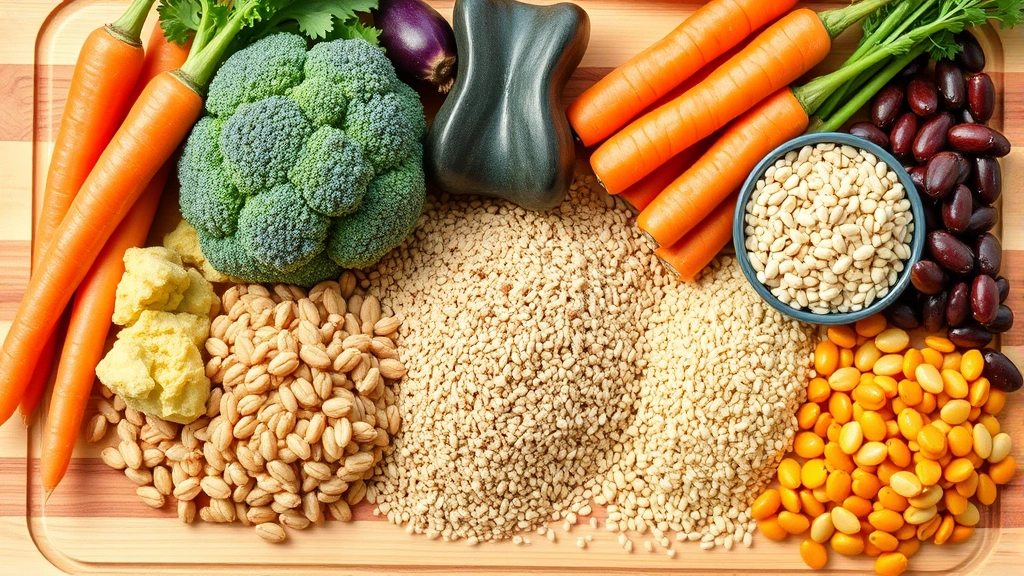
Adequate fiber intake—from whole grains, vegetables, fruits, legumes, and seeds—promotes regular bowel movements, feeds beneficial gut bacteria, and increases satiety, which naturally supports weight management. Aiming for 25 to 35 grams daily is more effective than aggressive cleansing for maintaining healthy bowel function.
Proper hydration supports digestion, helps prevent constipation, and aids weight loss by increasing satiety and supporting metabolic processes. Drinking water before meals reduces calorie intake, and adequate hydration maintains energy levels during physical activity.
Fermented foods like yogurt, kefir, sauerkraut, kimchi, and kombucha provide probiotics that support gut bacteria diversity. A healthy microbiome improves digestion, supports immune function, and may influence weight regulation through various metabolic pathways.
Limiting processed foods, added sugars, and artificial additives reduces inflammation and supports a healthy gut environment. These foods often contain compounds that disrupt microbiota balance and increase intestinal permeability.
Managing stress through regular physical activity, meditation, adequate sleep, and social connection supports digestive health. The gut-brain axis demonstrates that stress directly impacts digestive function and food choices, making stress management integral to both digestive and metabolic health.
For those seeking motivation and inspiration on their weight loss journey, weight loss quotes can provide daily encouragement. Additionally, reviewing before and after weight loss pictures from individuals who achieved sustainable results through lifestyle changes—not cleanses—demonstrates what’s genuinely possible.
FAQ
Do colon cleanses really help with weight loss?
Colon cleanses produce temporary weight loss from water and stool elimination, not fat loss. Any weight lost returns within days of resuming normal eating and hydration. Medical experts confirm they provide no lasting weight loss benefits.
Are colon cleanses safe for everyone?
No. Colon cleanses carry risks including electrolyte imbalances, dehydration, disrupted gut bacteria, and potential intestinal damage. People with digestive conditions, those taking medications, and anyone with existing health issues should avoid them without medical approval.
What’s the difference between a colon cleanse and a laxative?
Colon cleanses are specifically marketed detoxification products combining laxatives with herbs and supplements. Standard laxatives are medications used to treat constipation. Both work through similar mechanisms but colon cleanses often contain additional unregulated ingredients.
Can colon cleanses improve digestion?
No. Healthy colons manage their own cleansing through normal bowel movements. Aggressive cleansing disrupts beneficial bacteria and can impair normal digestive function. Supporting digestion through fiber, hydration, and whole foods is far more effective.
What should I do instead of a colon cleanse for weight loss?
Focus on evidence-based approaches: maintain a moderate calorie deficit, eat adequate protein, exercise regularly, prioritize sleep, manage stress, and work with a registered dietitian. These strategies produce real, sustainable fat loss and improved health markers.
Do I need a colon cleanse before a colonoscopy?
Your doctor will provide specific bowel prep instructions before colonoscopy, which differ from commercial cleanses. Follow medical guidance precisely for accurate screening results.


