
Colon Cleanse for Weight Loss? Expert Insights on Effectiveness and Safety
The promise of colon cleanses for rapid weight loss has captured the attention of millions seeking quick solutions to their weight management struggles. From commercial detox kits to herbal supplements, the colon cleanse industry generates billions in annual revenue. However, the critical question remains: does a colon cleanse actually help with weight loss, or is it merely a temporary fix that may harm your digestive health?
In this comprehensive guide, we’ll examine what scientific research reveals about colon cleanses, separate fact from marketing hype, and explore evidence-based approaches to sustainable weight loss. Whether you’re considering a cleanse or simply curious about digestive health, understanding the truth behind these products is essential for making informed decisions about your body.
Before considering any colon cleanse product, it’s important to understand how your digestive system naturally works and why the marketing claims often don’t align with medical evidence. This article draws on insights from registered dietitians, gastroenterologists, and published clinical research to provide you with reliable information.
What Is a Colon Cleanse?
A colon cleanse, also called a colonic irrigation or colon detoxification, refers to products or procedures designed to remove waste and toxins from your large intestine. Proponents claim these cleanses eliminate accumulated fecal matter, promote digestive health, and facilitate weight loss. The concept stems from the ancient belief that a buildup of waste products in the colon causes various health problems—a theory not supported by modern gastroenterology.
Colon cleanse products typically come in several forms: oral supplements containing herbs, fiber, or magnesium; powdered drinks mixed with water; enemas administered at home; or professional colonics performed at specialized clinics. Each promises to “flush out” your system and reset your digestive health. The marketing language often emphasizes detoxification and cleansing, terms that resonate emotionally with people seeking health improvements but lack precise medical definitions.
The fundamental claim underlying colon cleanses is that your body accumulates toxic sludge in your colon that prevents weight loss and causes disease. However, your colon is a sophisticated organ with its own natural cleaning mechanisms that function continuously throughout the day and night.
Types of Colon Cleanses Available
Understanding the different colon cleanse products on the market helps you recognize the variety of approaches being marketed for weight loss:
- Oral supplements: These include capsules, powders, and teas containing ingredients like senna, cascara sagrada, psyllium husk, bentonite clay, and activated charcoal. Many are sold as dietary supplements without FDA approval for cleansing claims.
- Herbal drinks and juices: Marketed detox beverages combining fruits, vegetables, and herbal ingredients, often requiring several-day consumption protocols.
- Enemas: Home kits using water, coffee, or herbal solutions administered rectally to stimulate bowel movements.
- Colonic irrigation: Professional procedures performed by practitioners using specialized equipment to flush the entire colon with large volumes of water, sometimes combined with herbs or probiotics.
- Fiber-based products: While fiber serves legitimate digestive purposes, some products marketed as cleanses are essentially high-fiber supplements with added detox claims.
- Combination protocols: Many commercial cleanse programs combine supplements, dietary restrictions, and lifestyle modifications sold as comprehensive detoxification systems.
The variety of products reflects the largely unregulated nature of the cleansing industry. Unlike prescription medications, dietary supplements face minimal FDA oversight before reaching consumers, allowing manufacturers considerable freedom in their marketing claims.
The Weight Loss Connection: Myth or Reality?
When people report weight loss following a colon cleanse, several factors explain the results—none of which represent true, sustainable fat loss:
Water weight and temporary fluid loss: Colon cleanses stimulate bowel movements and can cause dehydration, resulting in rapid but temporary weight loss. Once you rehydrate and eat normally, this weight returns immediately. This explains why people often regain several pounds within days of completing a cleanse.
Caloric restriction: Many cleanse protocols recommend reducing food intake, often dramatically. Any weight loss during this period results from eating fewer calories, not from the cleanse itself. You could achieve identical results by simply reducing calories through normal, sustainable methods.
Removal of stool: Your colon naturally contains stool, and stimulating bowel movements removes this material temporarily. However, your body will produce more stool as you continue eating—this isn’t true fat loss.
Psychological factors: The ritual and perceived “reset” of a cleanse can motivate temporary behavioral changes, such as eating healthier for a few days. However, without addressing underlying habits, weight returns when the cleanse ends.
The critical distinction is between weight loss and fat loss. Colon cleanses may produce weight loss on the scale, but this represents water, stool, and temporary changes—not the reduction in body fat that constitutes meaningful, healthy weight loss. For sustainable weight management, you need to focus on approaches that support long-term lifestyle changes, such as weight loss without exercise through dietary modifications or incorporating best drinks for weight loss into your daily routine.
What Does Scientific Research Show?
When examining peer-reviewed medical literature, the evidence for colon cleanses is remarkably limited and largely negative:
Lack of toxin accumulation: Research from the American Journal of Gastroenterology confirms that the healthy colon doesn’t accumulate toxic sludge as claimed by cleanse manufacturers. Your colon’s epithelial lining regenerates every 3-5 days, and your body continuously eliminates waste through normal bowel movements and liver function.
No proven weight loss benefit: A comprehensive review published in the American Journal of Clinical Nutrition found no scientific evidence supporting colon cleanses for weight loss. The authors concluded that any weight loss observed is temporary and results from water loss or caloric restriction, not from cleansing effects.
Disruption of beneficial bacteria: Studies demonstrate that aggressive colon cleansing can damage your gut microbiome—the beneficial bacteria essential for digestive health, immune function, and even mental health. Research in Nature has shown that disrupting gut flora can actually impair weight management and metabolic health.
Electrolyte imbalances: Medical case reports document serious complications from colon cleanses, including electrolyte imbalances, dehydration, and in severe cases, organ damage.
The consensus among gastroenterologists is clear: colon cleanses are unnecessary for health, ineffective for weight loss, and potentially harmful. Your body has sophisticated systems for eliminating waste—your liver, kidneys, and colon work continuously to process and remove toxins without requiring special products.
Potential Risks and Side Effects
Beyond ineffectiveness, colon cleanses carry genuine health risks that deserve serious consideration:
- Dehydration: Aggressive bowel stimulation can cause fluid loss faster than your body can compensate, leading to dizziness, weakness, and in severe cases, dangerous electrolyte imbalances.
- Electrolyte depletion: Loss of sodium, potassium, and magnesium can disrupt heart rhythm, muscle function, and kidney performance.
- Microbiome damage: Killing beneficial bacteria disrupts digestion, immune function, and may increase susceptibility to infections and digestive disorders.
- Intestinal perforation: Colonic irrigation procedures, though rare, can cause tears in the intestinal wall—a medical emergency requiring hospitalization.
- Allergic reactions: Herbal ingredients in cleanse products can trigger allergic responses, particularly in people with sensitivities.
- Medication interactions: Cleanse ingredients may interfere with prescription medications, reducing their effectiveness or causing harmful interactions.
- Dependency: Frequent use of stimulant laxatives can lead to bowel dependency, where your colon requires increasingly strong stimulation to function normally.
- Rectal bleeding: Repeated enemas or aggressive cleansing can damage rectal tissue, causing bleeding and discomfort.
- Abdominal pain and cramping: Most cleanse products cause significant digestive distress, including severe cramping, bloating, and nausea.
People with existing digestive conditions, kidney disease, heart problems, or those taking medications should be especially cautious. Even healthy individuals can experience serious complications, and the risk-benefit analysis strongly favors avoiding colon cleanses.
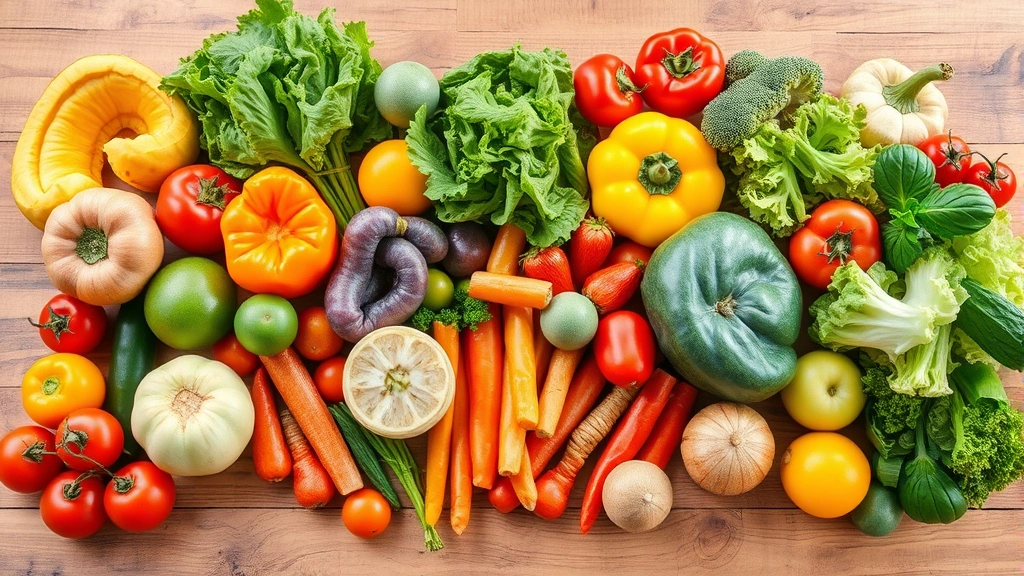
Your Colon’s Natural Cleansing System
Understanding how your digestive system actually works reveals why colon cleanses are unnecessary. Your body is equipped with remarkable self-cleaning mechanisms that operate continuously:
The colon’s natural function: Your colon absorbs water and electrolytes from digestive waste while moving material toward elimination. This process is highly efficient and requires no external assistance. The muscular contractions of your colon (peristalsis) naturally propel waste forward, and your body sheds the intestinal lining regularly, removing any accumulated material.
Liver detoxification: Your liver is your body’s primary detoxification organ. It neutralizes toxins through multiple enzymatic pathways, making them water-soluble for elimination through urine and bile. This process happens automatically—no special products required.
Kidney filtration: Your kidneys continuously filter blood, removing waste products for elimination in urine. They maintain fluid and electrolyte balance essential for all body functions.
Immune system vigilance: Your gut is home to 70% of your immune system. Beneficial bacteria and immune cells patrol your intestines, identifying and eliminating harmful organisms and substances. Disrupting this system with aggressive cleanses actually weakens your natural defenses.
Epithelial regeneration: The lining of your colon completely regenerates every 3-5 days, naturally eliminating any accumulated material. This elegant system needs no intervention.
If you’re concerned about supporting your natural detoxification systems, focus on evidence-based approaches: stay hydrated, eat fiber-rich whole foods, exercise regularly, manage stress, and get adequate sleep. These lifestyle factors support your body’s natural cleansing processes far more effectively than any commercial product.
Better Alternatives for Sustainable Weight Loss
Rather than pursuing ineffective colon cleanses, invest your time and money in approaches supported by scientific evidence. Sustainable weight loss requires addressing the factors that actually drive weight gain: caloric intake, physical activity, sleep, stress, and long-term lifestyle habits.
Dietary modifications: Focus on whole, minimally processed foods rich in fiber, protein, and nutrients. Increase vegetable and fruit intake, choose whole grains over refined carbohydrates, and reduce added sugar and ultra-processed foods. These changes support healthy digestion naturally while promoting fat loss.
Hydration: Drinking adequate water supports your liver and kidney function, aids digestion, and often reduces overeating by promoting satiety. Explore best drinks for weight loss that provide hydration without excessive calories.
Fiber intake: Rather than aggressive cleanse products, gradually increase your fiber intake through whole foods. Fiber promotes healthy digestion, supports beneficial bacteria, and enhances satiety—all supporting sustainable weight loss.
Regular physical activity: Exercise builds muscle, increases calorie expenditure, improves metabolic health, and supports mental wellbeing. Even moderate activity significantly impacts weight management and overall health. If you prefer alternatives, our guide on weight loss without exercise offers practical strategies.
Sleep optimization: Poor sleep disrupts hunger hormones, increases cravings, and promotes weight gain. Prioritizing 7-9 hours of quality sleep nightly significantly improves weight management outcomes.
Stress management: Chronic stress elevates cortisol, promoting abdominal fat storage and overeating. Meditation, yoga, time in nature, and social connection support both mental health and weight management.
Behavioral support: Working with a registered dietitian or health coach provides personalized guidance, accountability, and strategies for lasting change. Professional support significantly improves long-term success rates compared to self-directed approaches.
Nutritional beverages: If you enjoy meal replacement options, meal replacement shakes for weight loss can support calorie control when chosen wisely. Similarly, smoothies for weight loss recipes offer nutritious, satisfying options when made with whole ingredients.
Technology support: Evidence-based weight loss and fitness apps can help track progress, provide motivation, and deliver personalized recommendations based on your goals and preferences.
Motivation and mindset: Sustainable weight loss requires patience and self-compassion. Exploring weight loss motivation quotes and developing a growth mindset helps maintain commitment through inevitable challenges.
These approaches address the root causes of weight gain and support lasting transformation. While slower than the false promise of colon cleanses, they produce real, sustainable results that improve your health and confidence long-term.

FAQ
Do colon cleanses help you lose weight?
Colon cleanses may produce temporary weight loss of 1-5 pounds, primarily from water loss and stool elimination. However, this weight returns within days of resuming normal eating. True fat loss requires caloric deficit sustained over time through dietary changes and physical activity. Any weight loss during a cleanse results from reduced food intake, not from the cleanse itself.
Is it safe to do a colon cleanse for weight loss?
Colon cleanses carry genuine health risks including dehydration, electrolyte imbalances, microbiome disruption, allergic reactions, and in rare cases, serious intestinal complications. Most gastroenterologists recommend avoiding colon cleanses entirely. People with digestive conditions, kidney disease, or those taking medications face elevated risks and should absolutely avoid cleanses without medical supervision.
What do gastroenterologists say about colon cleanses?
The medical consensus is clear: colon cleanses are unnecessary, ineffective for weight loss, and potentially harmful. Your colon naturally cleanses itself through normal bodily functions. Gastroenterologists recommend supporting digestive health through adequate fiber, hydration, physical activity, and stress management rather than commercial cleanse products.
Can colon cleanses improve digestive health?
Ironically, colon cleanses often harm digestive health by disrupting beneficial gut bacteria essential for digestion, immune function, and overall wellbeing. If you’re experiencing digestive issues, consult a gastroenterologist or registered dietitian for evidence-based solutions rather than pursuing cleanses.
What’s the difference between a colon cleanse and a colonic irrigation?
Colon cleanses refer to oral products (supplements, drinks, enemas) you use at home, while colonic irrigation involves professional procedures using specialized equipment to flush the colon with large water volumes. Both are unnecessary and carry similar risks, though professional colonics pose greater risk of serious complications due to the volume and pressure of fluid introduced.
Are herbal colon cleanses safer than chemical ones?
“Natural” or herbal cleanses carry the same risks as other colon cleanse products. Herbal ingredients can cause dehydration, electrolyte imbalances, allergic reactions, and medication interactions. The term “natural” doesn’t guarantee safety—many plants are toxic, and herbal products lack the safety testing required for prescription medications.
How long does weight loss from a colon cleanse last?
Weight loss from colon cleanses typically lasts 1-3 days. As soon as you resume eating normally and your colon refills with stool, the weight returns. This temporary fluctuation can actually be discouraging for long-term weight loss efforts, as it sets unrealistic expectations and may lead to repeated cleanse cycles.
What should I do instead of a colon cleanse for weight loss?
Focus on sustainable approaches: eat whole foods rich in fiber and protein, drink adequate water, exercise regularly, prioritize sleep, manage stress, and consider working with a registered dietitian. These evidence-based strategies produce real fat loss, improve health markers, and create lasting lifestyle change—far superior to the temporary, ineffective results of colon cleanses.


