
Cordova Weight Loss Tips: Local Expert Insights from Memphis, TN
Located in the heart of Shelby County, Cordova, Tennessee offers residents access to quality healthcare and wellness resources for sustainable weight loss. Whether you’re managing your weight for the first time or returning to healthy habits after life changes, understanding evidence-based strategies tailored to the Memphis area can make a significant difference in your success. This guide provides practical, science-backed insights from local experts and registered dietitians who understand the unique lifestyle factors affecting weight management in Cordova and surrounding communities.
The journey toward a healthier weight isn’t about quick fixes or extreme restrictions—it’s about building sustainable habits that fit your life. In Cordova, residents benefit from access to excellent medical facilities, fitness centers, and nutrition professionals who can support your goals. By combining local resources with proven weight loss strategies, you can achieve meaningful, lasting results that improve your overall health and quality of life.
Understanding Weight Loss Fundamentals in Cordova
Successful weight loss in Cordova begins with understanding the basic science behind how your body manages weight. The fundamental principle is creating a caloric deficit—consuming fewer calories than your body burns—but this oversimplifies the complex metabolic, hormonal, and psychological factors involved. Local healthcare providers emphasize that sustainable weight loss typically ranges from 1-2 pounds per week, which is considered safe and maintainable for most adults.
Your metabolism isn’t fixed; it’s influenced by age, muscle mass, activity level, hormones, and genetics. A comprehensive guide on improving metabolic rate reveals that building lean muscle through strength training can increase your resting metabolic rate, meaning you burn more calories even at rest. Many Cordova residents benefit from working with certified fitness professionals at local gyms who understand these principles and can design personalized strength programs.
Understanding the connection between weight loss and metabolic syndrome is particularly important for those with metabolic health concerns. Metabolic syndrome—a cluster of conditions including high blood pressure, high blood sugar, excess body fat, and abnormal cholesterol levels—affects many Americans and requires comprehensive lifestyle intervention. Cordova residents with these concerns should consult healthcare providers who can assess individual risk factors and recommend appropriate interventions.

Nutrition Strategies That Work for Memphis Residents
Effective nutrition for weight loss isn’t about deprivation; it’s about making strategic choices that support your goals while remaining enjoyable and sustainable. Protein plays a crucial role in weight management by increasing satiety, preserving lean muscle mass during caloric deficit, and having a higher thermic effect than other macronutrients. A comprehensive guide on weight loss and high protein diet explains how adequate protein intake—typically 0.7-1 gram per pound of goal body weight—supports metabolic health and reduces hunger cravings.
For those seeking structured meal approaches, a 7-day protein diet plan for weight loss can provide a practical framework for understanding portion sizes and macronutrient balance. Many Cordova residents find that meal planning reduces decision fatigue and helps them stay consistent with their nutrition goals. Local registered dietitians in the Memphis area can customize these approaches based on individual preferences, cultural food traditions, and medical history.
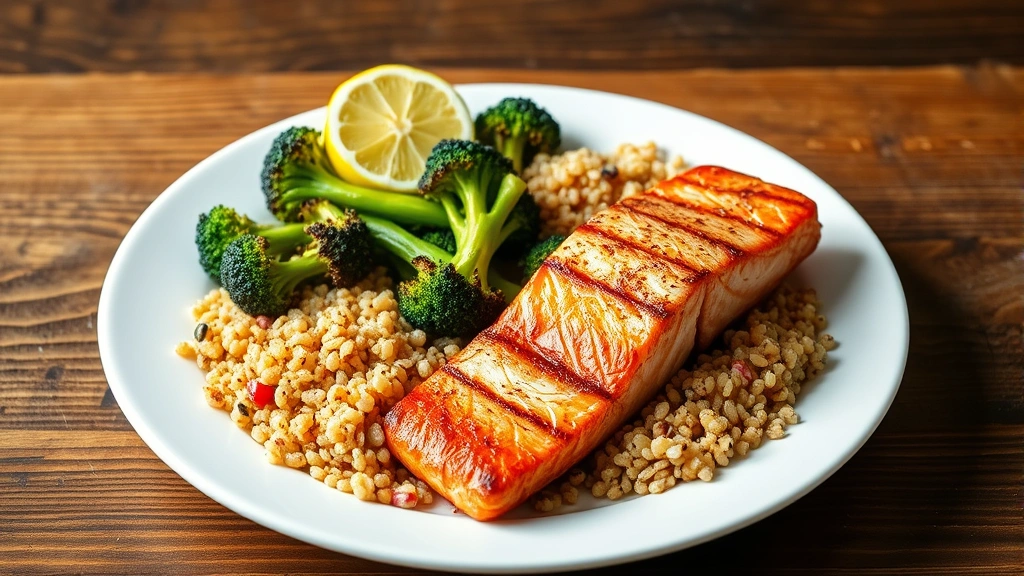
Convenience matters in today’s busy lifestyle. Best frozen meals for weight loss can support your goals when you choose options high in protein and vegetables while low in added sodium and sugar. However, whole foods should form the foundation of your nutrition plan. Focus on:
- Lean proteins: Chicken breast, fish, turkey, Greek yogurt, cottage cheese, and legumes
- Vegetables: Leafy greens, broccoli, bell peppers, cauliflower, and Brussels sprouts—high in nutrients, low in calories
- Whole grains: Oats, quinoa, brown rice, and whole wheat bread for sustained energy and fiber
- Healthy fats: Avocado, olive oil, nuts, and seeds for satiety and hormone health
- Fruits: Berries, apples, and citrus for vitamins, minerals, and natural sweetness
Hydration deserves special attention in the Memphis climate. Drinking adequate water supports metabolism, reduces hunger (thirst is often mistaken for hunger), and aids digestion. Most experts recommend at least half your body weight in ounces daily, adjusting for activity level and climate.
Physical Activity and Local Fitness Resources
Exercise complements nutrition in weight loss success by increasing caloric expenditure, building muscle mass, improving cardiovascular health, and supporting mental wellbeing. The most effective exercise program combines cardiovascular activity, strength training, and flexibility work—and crucially, it’s one you’ll actually do consistently.
Cordova residents have access to several fitness facilities and outdoor recreation areas that support active lifestyles. Consider:
- Strength training 2-3 times weekly: Builds muscle, increases resting metabolic rate, and improves bone density. Local personal trainers can design safe, effective programs regardless of starting fitness level.
- Cardiovascular activity 150+ minutes weekly: Walking, running, cycling, swimming, or group fitness classes improve heart health and increase caloric burn.
- Flexibility and balance work: Yoga, Pilates, or tai chi reduce injury risk and support long-term activity adherence.
- Outdoor activities: Hiking, tennis, or recreational sports in Cordova’s parks provide enjoyable calorie burn and community connection.
The key to exercise adherence is finding activities you genuinely enjoy. Many successful Cordova residents report that group fitness classes, walking clubs, or sports leagues provide both caloric expenditure and social support—two critical factors in long-term success.
Working with Healthcare Professionals
Professional guidance significantly improves weight loss outcomes. Cordova residents should consider working with a team that may include:
Primary Care Physicians: Your doctor can assess overall health, identify underlying medical conditions affecting weight (thyroid disorders, sleep apnea, polycystic ovary syndrome), and monitor progress. They can also screen for contraindications to certain weight loss medications or intensive programs.
Registered Dietitian Nutritionists (RDN): These credentialed professionals hold specialized degrees and pass rigorous certification exams. They provide medical nutrition therapy, create personalized meal plans, and address specific dietary concerns. Many insurance plans cover dietitian services when referred by a physician for weight-related conditions.
Obesity Medicine Specialists: Board-certified physicians with specialized training in weight management can prescribe medications, manage complex medical interactions, and provide comprehensive care. The American Society of Bariatric Physicians maintains a provider directory.
For those seeking convenient access to professional guidance, an online weight loss doctor can provide consultations, prescription management, and ongoing support—particularly valuable for those with busy schedules or limited local specialist access.
The CDC’s obesity prevention resources provide evidence-based information for both patients and healthcare providers, supporting informed decision-making about weight management strategies.
Behavioral Changes for Long-Term Success
Sustainable weight loss requires addressing the behavioral and psychological factors that drive eating patterns. Many Cordova residents find success through:
Self-Monitoring: Tracking food intake, physical activity, and weight provides awareness and identifies patterns. Studies consistently show that self-monitoring is one of the strongest predictors of weight loss success. Apps, journals, or simple note-taking all work—choose what fits your lifestyle.
Mindful Eating: Eating slowly, without distractions, and paying attention to hunger and fullness cues helps distinguish true hunger from emotional eating. This practice reduces overeating and increases satisfaction from meals.
Stress Management: Chronic stress increases cortisol, promoting fat storage and increasing appetite for high-calorie foods. Cordova residents benefit from stress-reduction practices like meditation, yoga, time in nature, or counseling. Mental health support is not a luxury—it’s a critical component of successful weight management.
Sleep Optimization: Poor sleep disrupts hunger hormones, increases appetite, and slows metabolism. Most adults need 7-9 hours nightly. Creating a consistent sleep schedule, limiting screen time before bed, and maintaining a cool sleep environment support better sleep quality.
Social Support: Whether through family, friends, support groups, or online communities, having people who understand your goals and encourage your efforts dramatically improves adherence. Many Memphis-area weight loss programs offer group meetings or online communities for accountability and motivation.
Common Challenges and Solutions
Challenge: Weight Loss Plateaus
After initial success, many people experience plateaus where weight loss stalls despite continued effort. This is normal—your body adapts to caloric deficit. Solutions include: slightly reducing calories, increasing activity intensity, varying your exercise routine, reassessing portion sizes, and ensuring adequate sleep and stress management. Plateaus typically last 2-4 weeks before progress resumes.
Challenge: Emotional Eating
Using food to manage stress, boredom, or emotions undermines weight loss efforts. Address this by: identifying emotional triggers, developing alternative coping strategies (walking, calling a friend, creative hobbies), and potentially working with a therapist experienced in emotional eating.
Challenge: Restaurant and Social Eating
Cordova residents enjoy dining out and social gatherings—and you don’t need to avoid these for weight loss. Instead: review menus beforehand, choose grilled proteins and vegetable sides, request dressings and sauces separately, practice portion control by sharing or requesting half-portions, and focus on enjoying social connection rather than food quantity.
Challenge: Inconsistency and Motivation Loss
Initial motivation naturally fades; sustainable change requires building habits and systems. Create accountability through tracking, social support, scheduled exercise times, and meal planning. Remember that consistency matters more than perfection—missing one meal or workout doesn’t derail progress. The goal is returning to your plan immediately, not abandoning it after a single misstep.
FAQ
How quickly can I expect to lose weight in Cordova’s weight loss programs?
Safe, sustainable weight loss typically ranges from 1-2 pounds weekly. This varies based on starting weight, caloric deficit, exercise, metabolism, and individual factors. More rapid initial loss (often water weight) may occur in the first 1-2 weeks. Expect realistic timeframes: losing 20 pounds safely takes approximately 3-5 months.
Are weight loss medications appropriate for Cordova residents?
FDA-approved weight loss medications can be helpful tools when combined with lifestyle changes, particularly for those with significant weight to lose or weight-related health conditions. However, they’re not appropriate for everyone. A physician specializing in obesity medicine can assess whether medications like GLP-1 receptor agonists or other options are suitable for your situation. Medications work best when combined with nutrition and exercise changes.
Should I try a specific diet like keto, intermittent fasting, or low-carb?
The best diet is one you can sustain long-term while meeting nutritional needs. Keto, intermittent fasting, and low-carb approaches can work for weight loss by creating caloric deficit and improving satiety, but they’re not inherently superior to other approaches. Many people find moderate approaches—like the Mediterranean diet or balanced macronutrient approaches—more sustainable. Work with a registered dietitian to find an approach matching your preferences, health status, and lifestyle.
How important is exercise for weight loss?
Exercise is valuable for overall health, cardiovascular fitness, muscle preservation, and mental wellbeing. However, weight loss primarily results from caloric deficit through nutrition. The most effective approach combines modest caloric reduction with regular physical activity—this creates deficit without requiring extreme dietary restriction and preserves muscle mass during weight loss.
What if I have medical conditions affecting weight loss?
Thyroid disorders, hormonal imbalances, medications, and other conditions can significantly impact weight management. Always inform your healthcare provider about your weight loss goals. They can screen for treatable conditions, adjust medications if appropriate, and ensure your approach is medically safe. A registered dietitian can also account for medical conditions when creating meal plans.
How do I maintain weight loss after reaching my goal?
Weight maintenance requires continuing the habits that created the loss—not reverting to previous patterns. Most successful maintainers continue monitoring intake (though less strictly), exercising regularly, and practicing the behavioral strategies that supported their loss. Many find that maintenance requires slightly higher calories than the active weight loss phase but lower than pre-loss baseline. Working with professionals during transition to maintenance improves long-term success.


