
Accutane and Weight Loss: Dermatologist Insights
Accutane (isotretinoin) is one of the most powerful acne medications available, prescribed for severe cystic acne that hasn’t responded to other treatments. As a patient considering this medication or currently taking it, you may have noticed changes in your weight or appetite. The relationship between Accutane and weight loss is complex, involving multiple physiological factors that dermatologists and patients need to understand thoroughly.
This comprehensive guide explores what dermatologists know about Accutane’s effects on weight, metabolism, and body composition. We’ll examine the science behind these changes, discuss why some patients experience weight fluctuations, and provide practical strategies for maintaining healthy weight management during treatment.
Understanding Accutane and Its Mechanisms
Accutane is a retinoid medication derived from vitamin A that works by reducing sebum production and normalizing skin cell growth. It’s prescribed for severe acne because it can provide long-term remission or even permanent clearing of acne in many patients. However, its potency comes with significant side effects that affect multiple body systems.
The medication accumulates in fatty tissues and affects various metabolic pathways. Its systemic effects extend beyond the skin, influencing lipid metabolism, liver function, and nutrient absorption. Understanding these broader effects is crucial for predicting and managing weight-related changes during treatment.
Dermatologists must carefully monitor patients on Accutane through regular blood work, checking liver enzymes, lipid levels, and triglycerides. These biomarkers often change during treatment, reflecting the medication’s systemic impact on metabolism and how your body processes nutrients and fats.
Does Accutane Cause Weight Loss?
The direct answer is nuanced: Accutane doesn’t universally cause weight loss, but it can contribute to appetite suppression and metabolic changes that lead to weight reduction in some patients. Clinical observations show that weight changes vary significantly among individuals taking the medication.
Research indicates that approximately 20-30% of Accutane users experience appetite suppression, which can lead to unintentional weight loss. However, others maintain stable weight, and some patients actually gain weight during treatment. This variability depends on individual factors including baseline metabolism, dosage, treatment duration, and how the medication affects your specific body chemistry.
One of the most commonly reported side effects is reduced appetite and changes in taste perception. Patients often describe food tasting metallic or unpleasant, making eating less appealing. This sensory change, combined with potential nausea and gastrointestinal effects, can naturally reduce caloric intake without deliberate dieting.
Why Weight Changes Occur During Treatment
Appetite Suppression: The most direct mechanism linking Accutane to weight loss is appetite reduction. The medication can affect appetite-regulating hormones and neurotransmitters, particularly those involved in hunger signaling. This isn’t intentional weight loss but rather a side effect that reduces food intake.
Altered Taste and Smell: Many patients report that foods taste different or unpleasant during Accutane treatment. This dysgeusia (altered taste) can make meals less enjoyable, naturally reducing consumption. Some describe a persistent metallic taste that makes even favorite foods unappealing.
Gastrointestinal Effects: Accutane frequently causes nausea, abdominal discomfort, and changes in bowel movements. These GI symptoms can decrease appetite and nutrient absorption, contributing to weight loss. The medication may affect the gut microbiome and intestinal function.
Metabolic Alterations: The medication influences lipid metabolism and can affect how your body processes and stores fats. Changes in triglyceride levels and liver function reflect broader metabolic shifts that may increase calorie expenditure or reduce energy storage.
Increased Energy or Restlessness: Some patients report feeling more energetic or experiencing mild anxiety during treatment, which could increase daily activity levels and calorie burn. This psychological effect varies considerably among individuals.
Nutrient Malabsorption: Accutane’s effects on the digestive system may reduce the absorption of certain nutrients and calories, meaning fewer calories are actually assimilated from food consumed.
Metabolic Effects and Side Effects
Beyond appetite changes, Accutane affects metabolism through several pathways. The medication is hepatotoxic, meaning it can stress liver function, and the liver is central to metabolism regulation. Elevated liver enzymes during treatment indicate metabolic strain that may alter how efficiently your body processes nutrients.
Accutane significantly affects lipid profiles, often increasing triglyceride and cholesterol levels. This lipid dysregulation reflects changes in how your body handles fats at a cellular level. Interestingly, while some patients experience increased blood lipids, they may simultaneously lose weight, suggesting the medication’s effects on appetite override its effects on fat storage.
The medication can also cause mood changes, including depression and anxiety in some patients. These psychological effects can suppress appetite or, conversely, lead to emotional eating. The relationship between mental health and appetite during Accutane treatment is bidirectional and highly individual.
Dry skin and mucous membranes are hallmark side effects, reflecting the medication’s systemic drying effects. This dryness extends to the GI tract, potentially affecting digestion and nutrient absorption. Additionally, the medication can cause headaches, joint pain, and muscle aches, which might reduce physical activity levels and affect metabolism.
Managing Weight While Taking Accutane
If you’re taking Accutane and concerned about weight changes, proactive management is essential. First, establish baseline measurements before starting treatment. Track not just weight but also how clothes fit, energy levels, and appetite patterns. This comprehensive approach captures changes that the scale alone might miss.
Monitor Appetite Patterns: Keep a food and appetite log to identify when hunger decreases or food aversions develop. This awareness helps you distinguish between intentional dietary choices and medication-related appetite suppression.
Prioritize Nutrient-Dense Foods: Since appetite is reduced, make every calorie count. Focus on foods rich in vitamins, minerals, and protein. Nutrient density becomes crucial when eating less overall. Consider incorporating weight loss smoothie recipes that pack nutrition into easily consumable forms, especially if you’re experiencing taste changes.
Maintain Consistent Eating Schedules: Even without hunger cues, eating at regular intervals ensures adequate nutrition. Set meal times and stick to them, eating smaller portions if appetite is suppressed. This prevents the energy crashes that can occur with irregular eating patterns.
Stay Hydrated: Accutane causes dehydration, and thirst signals can be confused with hunger. Drinking adequate water supports metabolism, skin health during treatment, and helps manage appetite. Aim for at least 8-10 glasses daily, adjusting for your activity level.
Communicate with Your Dermatologist: Report significant weight changes, appetite loss, or nausea to your prescribing dermatologist. These symptoms may require dosage adjustments or additional support. Your dermatologist can assess whether weight loss is problematic or within acceptable ranges given your treatment goals.
Nutritional Considerations During Treatment
Accutane requires careful nutritional planning because the medication affects nutrient absorption and has specific interactions with certain nutrients. The medication must be taken with fatty foods for optimal absorption, which means your dietary fat intake directly impacts treatment efficacy.
Fat Solubility: Accutane is fat-soluble, requiring dietary fat for absorption. Taking it with a meal containing 20+ grams of fat enhances bioavailability. This requirement means that very low-fat diets can reduce medication effectiveness while potentially contributing to weight loss through caloric restriction.
Vitamin A Supplementation: Never supplement with vitamin A while taking Accutane, as the combination can cause vitamin A toxicity. The medication itself provides high-dose vitamin A effects. This restriction eliminates one common supplement approach to skin health.
Liver Support: Since Accutane stresses liver function, supporting hepatic health through nutrition is important. Focus on antioxidant-rich foods like berries, leafy greens, and cruciferous vegetables. Adequate protein supports liver repair and regeneration.
Omega-3 Fatty Acids: These anti-inflammatory fats may help manage the inflammation and lipid dysregulation caused by Accutane. Including fatty fish, flaxseeds, or algae-based supplements (after consulting your dermatologist) can support metabolic health.
B Vitamins: B vitamins are crucial for metabolism and energy production, particularly important if you’re experiencing appetite suppression and reduced caloric intake. Ensure adequate intake through whole grains, legumes, and lean proteins.
Understanding the weight loss and insulin resistance connection is relevant, as Accutane can affect glucose metabolism and insulin sensitivity in some patients, particularly those predisposed to metabolic disorders.
Exercise and Physical Activity
Exercise during Accutane treatment requires careful consideration because the medication can cause joint pain, muscle aches, and reduced bone density with long-term use. However, appropriate physical activity is valuable for maintaining weight, supporting metabolism, and promoting overall health.
Low-Impact Cardio: If you’re experiencing joint pain from Accutane, low-impact aerobic exercise is preferable. Swimming, cycling, and elliptical training provide cardiovascular benefits without excessive joint stress. Explore best aerobic exercises for fat loss to find options that work within your physical limitations during treatment.
Strength Training: Resistance exercise is particularly important during Accutane treatment because it supports bone health and maintains muscle mass during potential weight loss. Strength training also boosts metabolism and helps preserve lean body mass if caloric intake is reduced.
Flexibility and Recovery: Incorporate stretching and gentle yoga to manage medication-related joint and muscle pain. Recovery activities are crucial because Accutane can impair tissue healing, making adequate rest and recovery essential.
Listen to Your Body: During Accutane treatment, pay close attention to how exercise affects your symptoms. If joint pain worsens, reduce intensity or frequency. The goal is sustainable movement that supports health without exacerbating medication side effects.
Consistency Over Intensity: Moderate, consistent activity is more valuable than intense exercise during Accutane treatment. Aim for 150 minutes of moderate cardio weekly plus 2-3 strength training sessions, adjusting based on how you feel.
For sustained motivation during your treatment journey, explore weight loss motivation quotes that resonate with your personal goals and health vision.

” alt=”Person doing low-impact cardio exercise in bright, modern gym setting with natural light streaming through windows”>
When to Seek Medical Guidance
Significant weight loss during Accutane treatment warrants medical attention. While some weight loss is normal, rapid or substantial weight loss can indicate malnutrition or medication intolerance. Your dermatologist needs to assess whether symptoms are manageable or require intervention.
Contact your healthcare provider if you experience:
- Weight loss exceeding 10% of baseline body weight within a month
- Severe nausea or vomiting preventing adequate nutrition
- Persistent appetite loss lasting weeks
- Signs of malnutrition including fatigue, hair loss, or muscle weakness
- Dizziness, lightheadedness, or fainting episodes
- Severe abdominal pain or changes in bowel movements
Your dermatologist may recommend nutritional counseling with a registered dietitian experienced in medication side effects. A dietitian can develop personalized strategies to maintain adequate nutrition while managing appetite suppression and other GI symptoms.
If you’re considering Hims weight loss reviews or other weight loss interventions while on Accutane, discuss these with your dermatologist first. Some weight loss medications and supplements interact with Accutane or complicate your treatment.
Post-Treatment Weight Considerations
After completing Accutane treatment, weight often stabilizes as appetite returns to normal. This post-treatment period is important for reassessing your weight and making intentional choices about nutrition and exercise going forward.
Many patients find that appetite suppression resolves within weeks of finishing treatment. This return to normal appetite can lead to weight gain if eating patterns aren’t mindfully managed. The key is establishing healthy habits during treatment that persist afterward.
Some patients experience lingering GI effects or metabolic changes even after stopping the medication. These typically resolve over weeks to months as your body clears the medication and metabolic function normalizes.
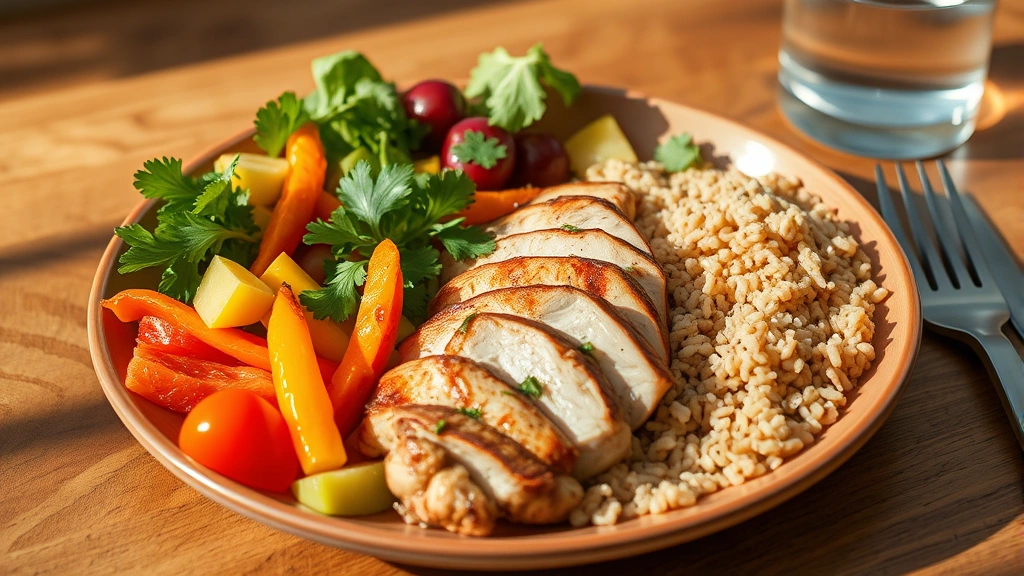
” alt=”Healthy meal plate with colorful vegetables, lean protein, and whole grains on wooden table with water glass and fresh herbs”>
FAQ
Can Accutane cause permanent weight loss?
Accutane itself doesn’t cause permanent weight loss. The medication may suppress appetite during treatment, leading to temporary weight reduction. Once you stop taking it, appetite typically returns to normal. Permanent weight loss would require maintaining the dietary and exercise habits you develop during treatment.
Is weight loss a normal side effect of Accutane?
Weight loss occurs in some patients, particularly those experiencing appetite suppression, taste changes, or nausea. However, it’s not universal. Some patients maintain stable weight or gain weight during Accutane treatment. Any significant weight change should be discussed with your dermatologist.
Should I try to lose weight while on Accutane?
Intentional dieting while on Accutane is generally not recommended. The medication already affects appetite and nutrient absorption, and deliberate caloric restriction could lead to malnutrition. Instead, focus on eating nutritious foods when hungry and maintaining overall health. If weight management is a concern, discuss it with your dermatologist.
How much weight do people typically lose on Accutane?
Weight loss varies significantly. Some patients lose 5-15 pounds over the course of treatment, while others experience no change. The amount depends on the medication’s appetite-suppressing effects, dosage, treatment duration, and individual metabolic factors. Your dermatologist can help assess whether your weight changes are within expected ranges.
Will my appetite return after stopping Accutane?
Yes, for most patients, appetite returns to normal within weeks of stopping Accutane. The medication is gradually cleared from your system, and appetite-regulating mechanisms normalize. If appetite loss persists beyond a month after treatment completion, consult your healthcare provider.
Can I take weight loss supplements while on Accutane?
Most weight loss supplements are not recommended during Accutane treatment. Many contain ingredients that may interact with the medication, stress the liver further, or complicate side effect management. Always discuss any supplements with your dermatologist before use.
Does Accutane affect metabolism permanently?
Accutane’s metabolic effects are typically temporary. Lipid changes, liver enzyme elevation, and other metabolic alterations usually normalize after treatment completion. However, some patients may experience prolonged effects lasting weeks to months. Regular follow-up blood work after treatment helps monitor metabolic recovery.


