Dog Diets: Vet-Approved Weight Loss Tips for Healthier Pets
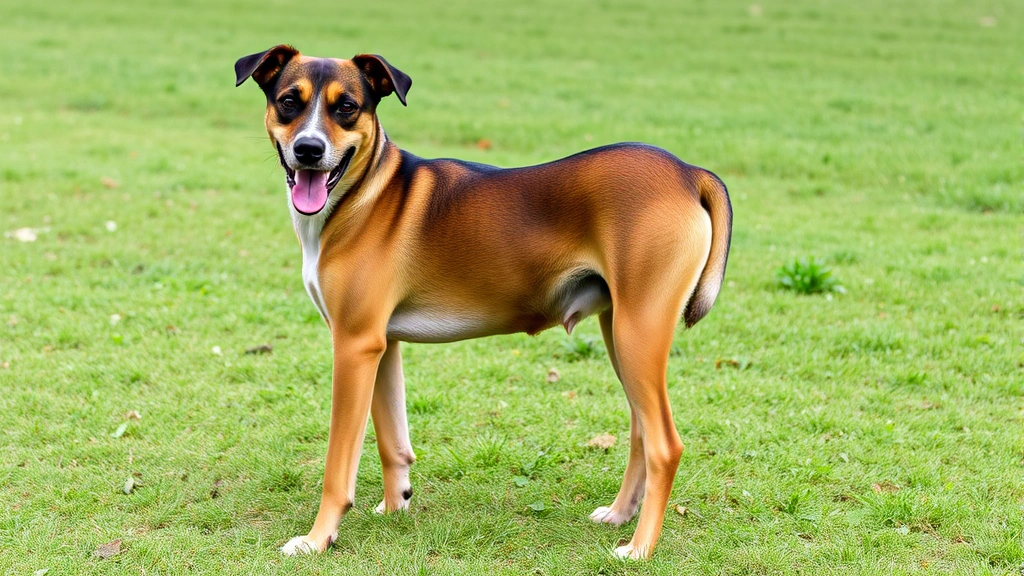
Just like humans, dogs can struggle with weight management, and obesity in pets has become a significant health concern affecting millions of dogs worldwide. A dog carrying excess weight faces increased risks of diabetes, joint problems, heart disease, and reduced lifespan. The good news is that with proper nutrition planning and veterinary guidance, your furry companion can achieve and maintain a healthy weight through carefully designed dog diets for weight loss.
Weight management for dogs isn’t simply about feeding less—it requires understanding your pet’s specific caloric needs, choosing appropriate foods, and implementing sustainable lifestyle changes. This comprehensive guide explores science-backed strategies that veterinarians recommend to help dogs shed excess pounds while maintaining muscle mass and overall health.
Understanding Canine Obesity and Health Risks
Canine obesity affects approximately 56% of dogs in developed countries, according to veterinary research. When dogs carry excess weight, their bodies work harder to perform basic functions, leading to inflammation, metabolic dysfunction, and accelerated aging. Understanding these health implications motivates pet owners to take action with evidence-based dog diets for weight loss.
Overweight dogs experience increased stress on their joints, particularly in the hips, knees, and elbows, leading to arthritis and mobility issues. Additionally, excess adipose tissue produces inflammatory compounds that can trigger or worsen conditions like diabetes mellitus, which requires lifelong management through insulin injections or medications. The respiratory system also suffers—obese dogs often develop breathing difficulties and reduced exercise tolerance, creating a vicious cycle where they move less and gain more weight.
Veterinary organizations, including the American Animal Hospital Association, emphasize that maintaining ideal body weight is one of the most impactful interventions for extending a dog’s lifespan and improving quality of life. A landmark study found that dogs maintaining lean body condition lived approximately 1.8 years longer than overweight counterparts.
Calculating Your Dog’s Ideal Weight and Caloric Needs
Before implementing any weight loss strategy, establish your dog’s target weight through veterinary assessment. Your vet will evaluate your dog’s body condition score (BCS), a standardized 9-point scale where 5 represents ideal weight. Dogs scoring 7-9 are overweight to obese and require intervention.
Calculating daily caloric requirements involves several factors: current weight, target weight, age, metabolism, activity level, and any underlying health conditions. The basic formula uses resting energy requirements (RER) multiplied by an activity factor. For weight loss, vets typically recommend reducing calories to 70-80% of maintenance needs, which creates a deficit without causing metabolic shutdown or muscle loss.
Consider consulting a board-certified veterinary nutritionist for personalized calculations, especially if your dog has medical conditions. They can develop customized meal plans ensuring adequate protein, essential fatty acids, and micronutrients while achieving weight loss goals. This professional approach parallels how humans benefit from consulting with registered dietitians, similar to the principles outlined in our guide on weight loss and high protein diet strategies.
Best Foods for Dog Weight Loss
Selecting appropriate foods is crucial for successful weight management. Prescription weight loss diets formulated by veterinary nutritionists contain controlled calories while maximizing satiety through increased fiber and protein content. These foods help dogs feel fuller longer, reducing hunger-related begging and food-seeking behaviors.
High-Protein, Lower-Fat Options: Premium weight loss diets typically contain 25-30% protein and 8-12% fat. Protein supports muscle preservation during calorie restriction and increases thermogenesis—the energy required to digest food. This mirrors the principles discussed in our comprehensive article about high protein diets for weight loss, which applies to both humans and dogs.
Fiber-Rich Foods: Increased dietary fiber promotes digestive health and satiety. Ingredients like beet pulp, cellulose, and vegetable fiber help dogs feel satisfied with fewer calories. High-fiber diets slow gastric emptying, maintaining longer-lasting fullness between meals.
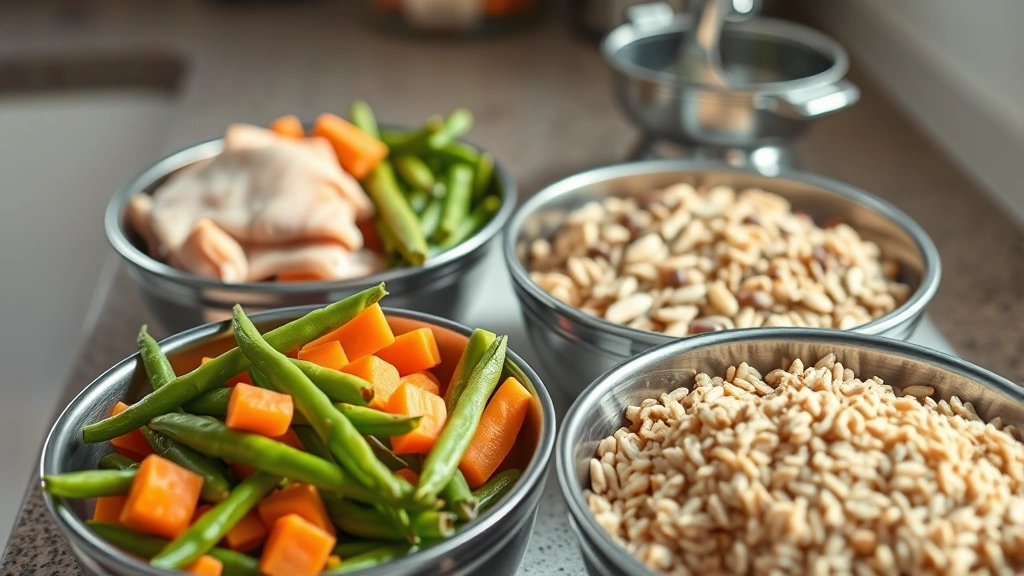
Whole Food Alternatives: Some owners prefer fresh, whole-food diets under veterinary supervision. Lean proteins (chicken breast, turkey, lean beef), non-starchy vegetables (green beans, carrots, broccoli), and controlled portions of healthy carbohydrates create balanced, satisfying meals. Always ensure complete nutritional profiles with appropriate calcium, phosphorus, and vitamin balances.
Limited Ingredient Diets: For dogs with food sensitivities, limited ingredient weight loss formulas provide controlled calories without triggering allergic responses. These options maintain nutritional completeness while supporting weight management goals.
Portion Control and Feeding Strategies
Accurate portion measurement is fundamental to weight loss success. Many pet owners inadvertently overfeed by using irregular scoops or estimating portions. Use a kitchen scale to weigh food precisely, following veterinary recommendations based on target weight calculations.
Meal Frequency Modifications: Dividing daily calories into two or three smaller meals stabilizes blood sugar and maintains consistent energy levels. This feeding pattern reduces hunger spikes that trigger overeating, similar to intermittent fasting principles discussed in our guide about weight loss with intermittent fasting, though dogs benefit more from consistent meal schedules than fasting protocols.
Eliminate High-Calorie Treats: Treats should comprise no more than 10% of daily calories. Many commercial treats contain 100+ calories per small piece, quickly derailing weight loss efforts. Substitute low-calorie alternatives: plain cooked carrots, green beans, or commercial low-calorie training treats specifically formulated for weight management.
Slow Feeding Methods: Use puzzle feeders, slow-feed bowls, or food-dispensing toys that extend eating time and increase satiety signals. Dogs that eat quickly bypass natural fullness cues, consuming excess calories before their brains register satiation.
Remove Free Feeding: Transition from leaving food available all day to scheduled meal times. This provides portion control and helps establish predictable feeding routines that support weight loss.
Exercise and Activity Modifications
While diet creates the caloric deficit necessary for weight loss, exercise supports metabolic health, muscle preservation, and behavioral improvement. Overweight dogs often have reduced exercise tolerance, requiring gradual activity progression to prevent injury.
Progressive Activity Increases: Begin with short, low-impact walks (10-15 minutes) several times daily, gradually extending duration as fitness improves. Swimming and hydrotherapy provide excellent low-impact exercise for dogs with joint concerns, allowing movement without excessive skeletal stress.
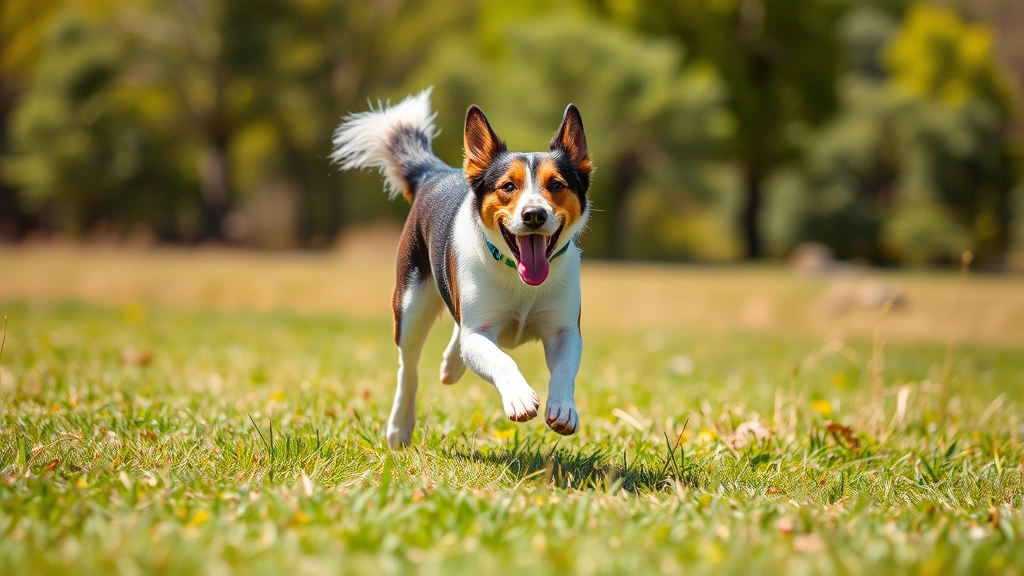
Structured Play Sessions: Incorporate interactive play—fetch, tug-of-war, or agility exercises—to increase calorie expenditure and mental stimulation. These activities strengthen the human-animal bond while supporting weight loss goals.
Environmental Enrichment: Increase daily activity through environmental modifications: climbing stairs, exploring different terrain, or playing with interactive toys that encourage movement and mental engagement.
Consult your veterinarian before significantly increasing exercise, especially for senior dogs or those with pre-existing conditions. They can recommend appropriate activity levels and identify any movement restrictions or health concerns.
Monitoring Progress and Success Metrics
Track weight loss progress through regular veterinary weigh-ins (every 2-4 weeks) and body condition scoring. Photograph your dog from the side and top to visually document body shape changes—these often appear before scale weight decreases due to simultaneous fat loss and muscle gain.
Similar to how humans track progress using body measurements and progress tracking, dog owners should monitor waist definition, rib visibility, and abdominal tuck. Healthy weight loss progresses at 1-2% of body weight weekly. Slower progress indicates metabolic adaptation; faster loss may compromise muscle preservation.
Watch for behavioral improvements: increased energy, improved mobility, reduced panting, and better heat tolerance signal successful weight management. Many dogs exhibit personality changes—increased playfulness, improved mood, and enhanced social engagement—as excess weight burden decreases.
Maintain detailed records including: current weight, body condition score, food type and portions, daily activity duration, treats given, and behavioral observations. This documentation helps veterinarians identify patterns and adjust protocols as needed.
Common Mistakes to Avoid
Reducing Calories Too Drastically: Extreme calorie restriction causes muscle loss, metabolic slowdown, and nutritional deficiencies. Aim for moderate deficits (20-30% below maintenance) that support sustainable weight loss without compromising health.
Inconsistent Portion Sizes: Eyeballing portions undermines weight loss efforts. Consistently measure using scales and follow veterinary recommendations precisely.
Hidden Calorie Sources: Treats, table scraps, flavored medications, and peanut butter-based supplements add unexpected calories. Account for all food sources in daily calculations.
Ignoring Underlying Conditions: Medical issues like hypothyroidism, Cushing’s disease, and medication side effects can impede weight loss. Address underlying health problems through veterinary care.
Lack of Consistency: Weight loss requires sustained commitment from all household members. Inconsistent feeding, unauthorized treats, or sporadic exercise undermines progress. Family communication ensures everyone supports the weight loss program.
Expecting Rapid Results: Healthy weight loss is gradual. Dogs losing weight too quickly often regain it quickly. Patience and consistency produce lasting results.
Frequently Asked Questions
How long does it take for dogs to lose weight on a diet?
Weight loss timelines vary based on starting weight, caloric deficit, and individual metabolism. Most dogs achieve noticeable results within 4-6 weeks, with significant weight loss occurring over 3-6 months. Patience is essential—sustainable weight loss progresses steadily rather than rapidly.
Can dogs eat human weight loss foods?
Many human weight loss foods aren’t appropriate for dogs due to different nutritional requirements and potential toxins. Xylitol (found in sugar-free products) is toxic to dogs. Always use dog-specific formulations designed by veterinary nutritionists.
What if my dog refuses prescription diet food?
Gradual transitions over 7-10 days often improve acceptance. Mix increasing proportions of new food with familiar food. If your dog consistently refuses prescription diets, consult your veterinarian about alternative options or work with a veterinary nutritionist to develop acceptable homemade diets.
Should I use weight loss supplements for my dog?
Discuss supplements with your veterinarian before introducing them. While some supplements support joint health and metabolism, others lack evidence or may interact with medications. Professional guidance ensures safety and efficacy.
How do I prevent weight regain after reaching goal weight?
Maintain the dietary and exercise habits established during weight loss. Continue portion control, limit treats, and sustain regular activity. Schedule periodic veterinary check-ins to monitor weight maintenance and adjust protocols as aging or activity levels change.
Can multiple dogs on different diets live together?
Yes, with careful management. Feed dogs in separate areas, supervise mealtimes, and prevent access to each other’s food. Use separate feeding schedules or crates to ensure each dog receives appropriate portions.
What role does age play in dog weight loss?
Senior dogs may have slower metabolisms and require adjusted caloric calculations. They also benefit from gentler exercise and may need additional joint support supplements. Work with your veterinarian to tailor weight loss programs for age-appropriate needs.


