
Doja Cat’s Weight Loss Tips: Celebrity Trainer Insights
Doja Cat, the Grammy-winning rapper and singer, has been open about her weight loss journey, inspiring millions of fans worldwide. Her transformation wasn’t just about aesthetics—it reflected a commitment to health, confidence, and sustainable lifestyle changes. While celebrity weight loss stories often seem unrealistic or unattainable, Doja Cat’s approach offers practical wisdom that applies to anyone seeking meaningful, long-term results.
The artist has credited her success to consistent training, dietary adjustments, and mental resilience. Rather than following fad diets or extreme measures, her strategy emphasizes balance and persistence. This article explores the evidence-based principles behind her transformation and how you can apply these insights to your own health journey.
The Foundation: Doja Cat’s Fitness Philosophy
Doja Cat’s weight loss journey began with a fundamental shift in mindset. Rather than viewing fitness as punishment for eating, she adopted a health-centered perspective focused on how exercise makes her feel physically and mentally. This psychological reorientation is crucial—research from the American Psychological Association shows that intrinsic motivation (doing something for personal fulfillment) leads to more sustainable results than external motivation alone.
The artist invested in professional support, working with experienced trainers who understood her goals and lifestyle constraints. Having a qualified fitness professional proved invaluable because they could tailor workouts to her schedule, prevent injuries, and adjust programs based on progress. This personalized approach differs significantly from generic online programs—a certified trainer assesses your individual needs, limitations, and objectives.
Doja Cat’s philosophy emphasizes that weight loss is a byproduct of healthy habits, not the primary goal. By focusing on building strength, increasing energy, and improving performance, the weight naturally follows. This mindset reduces the psychological pressure that often sabotages long-term success.

Strength Training and High-Intensity Workouts
Central to Doja Cat’s transformation was a structured strength training program. Unlike cardio-only approaches, she incorporated resistance exercises that build lean muscle mass. This strategy is scientifically sound—muscle tissue burns more calories at rest than fat tissue, effectively increasing your metabolic rate over time.
Her training regimen typically includes:
- Compound movements like squats, deadlifts, and push-ups that engage multiple muscle groups simultaneously
- Progressive overload where weights or resistance gradually increase to challenge muscles and drive adaptation
- High-intensity interval training (HIIT) that alternates intense effort with recovery periods
The benefits of weight loss and interval training are well-documented. HIIT sessions boost your metabolic rate for hours after exercise through the afterburn effect (excess post-exercise oxygen consumption). Studies published in the Journal of Obesity demonstrate that HIIT is particularly effective for reducing visceral fat—the dangerous fat surrounding organs.
Doja Cat’s approach avoided extreme caloric restriction paired with excessive exercise, which often leads to burnout and injury. Instead, she maintained moderate intensity that felt sustainable, allowing her to stay consistent week after week and month after month.
Nutrition Strategy: Protein and Whole Foods
Nutrition formed the second pillar of Doja Cat’s weight loss success. She focused on whole, nutrient-dense foods while being mindful of portion sizes. This isn’t about deprivation—it’s about making intentional choices that support both weight loss and overall wellness.
Weight loss and protein intake became a cornerstone of her dietary approach. Protein serves multiple functions: it increases satiety (keeping you fuller longer), requires more energy to digest than carbs or fats, and preserves lean muscle during weight loss. Most nutrition experts recommend consuming 0.7 to 1.0 grams of protein per pound of body weight daily when actively training.
Her typical nutrition strategy included:
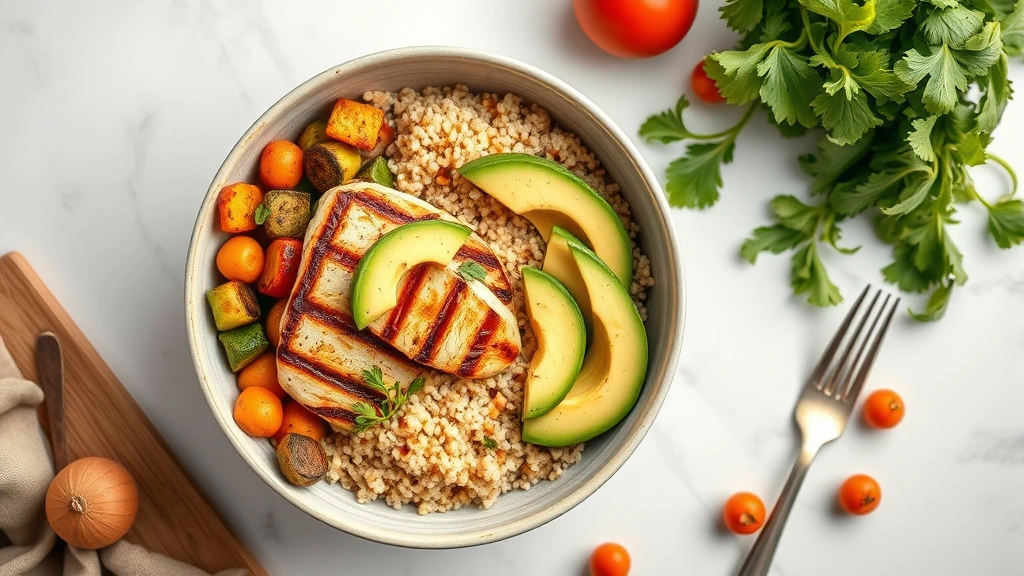
- Lean protein sources such as chicken, turkey, fish, and plant-based options like legumes and tofu
- Complex carbohydrates including brown rice, sweet potatoes, and whole grains that provide sustained energy
- Healthy fats from avocados, olive oil, nuts, and fatty fish that support hormone production and satiety
- Abundant vegetables providing fiber, micronutrients, and volume without excessive calories
Hydration received equal attention. Best drinks for weight loss center on water as the primary beverage, with green tea and black coffee as beneficial additions. These drinks contain compounds that support metabolism and provide minimal calories. Doja Cat avoided sugary beverages, which contribute empty calories without nutritional benefit.
Rather than following rigid meal plans, she adopted flexible eating principles. This approach—sometimes called flexible dieting—allows for occasional treats while maintaining overall nutritional balance. Research shows this flexibility improves adherence compared to strict, all-or-nothing dietary approaches.
The Role of Consistency Over Perfection
Perhaps the most valuable lesson from Doja Cat’s journey is that consistency matters far more than perfection. She didn’t achieve results through extreme measures or temporary changes—she built sustainable habits that became part of her lifestyle.
This perspective aligns with research from the CDC on healthy weight management, which emphasizes that successful long-term weight loss typically involves modest deficits maintained over time rather than dramatic restrictions. Losing 1-2 pounds per week is considered healthy and sustainable, allowing your body to adapt while preserving muscle mass.
Doja Cat’s consistency included:
- Training 4-6 times per week rather than sporadic intense sessions
- Maintaining consistent meal timing to regulate hunger hormones and energy levels
- Tracking progress through multiple metrics beyond just scale weight, such as strength gains and how clothes fit
- Adjusting strategies based on results rather than abandoning efforts during plateaus
Plateaus are normal and temporary. When progress stalls, successful individuals like Doja Cat modify variables—increasing training volume, adjusting calorie intake, or changing exercise types—rather than giving up. Understanding weight loss and metabolic syndrome helps explain why the body adapts to consistent routines and why variation prevents adaptation.
The psychological component cannot be overstated. Doja Cat maintained motivation by celebrating non-scale victories: increased strength, improved energy, better sleep, and enhanced confidence. This holistic view of success sustains motivation through inevitable ups and downs.
Mental Health and Motivation
Doja Cat has openly discussed the mental health aspects of her transformation. Weight loss isn’t purely physical—it requires addressing emotional eating patterns, building resilience, and developing a healthier relationship with food and exercise.
Key mental health strategies she employed:
- Mindfulness practices that increase awareness of hunger cues and emotional eating triggers
- Setting process goals (exercising consistently, eating vegetables daily) rather than only outcome goals (reaching a specific weight)
- Building a support system including trainers, nutritionists, and friends who encourage positive habits
- Practicing self-compassion when deviating from plans rather than engaging in self-criticism that often leads to giving up
The psychological research supporting these approaches is substantial. A study in Appetite Journal found that individuals who practice self-compassion during setbacks are more likely to resume healthy behaviors, while those who engage in self-blame often spiral into abandoning their efforts entirely.
Motivational quotes for weight loss can serve as helpful reminders, but lasting motivation comes from connecting your health goals to deeper values—whether that’s being active with loved ones, feeling confident, or living healthier for longevity.
Sleep, Recovery, and Lifestyle Factors
An often-overlooked aspect of Doja Cat’s success was prioritizing sleep and recovery. Elite trainers understand that transformation happens during rest, not just during workouts. Sleep deprivation sabotages weight loss through multiple mechanisms: it increases cortisol (stress hormone), disrupts hunger-regulating hormones, and reduces motivation for healthy choices.
Optimal sleep supports weight loss by:
- Regulating ghrelin and leptin—hormones controlling hunger and fullness
- Enhancing recovery from strength training, allowing muscles to repair and grow
- Improving decision-making regarding food choices and exercise adherence
- Reducing inflammation and supporting overall metabolic health
Doja Cat prioritized 7-9 hours of quality sleep nightly, viewing it as essential to her fitness goals rather than time away from productivity. This cultural shift—recognizing sleep as performance-enhancing—is crucial for sustainable weight loss.
Beyond sleep, recovery included:
- Active recovery days with light activity like walking or yoga, allowing muscles to repair
- Stress management through meditation, journaling, or activities that bring joy
- Flexibility training improving mobility and reducing injury risk
Understanding how to measure body fat percentage helped her track actual composition changes rather than relying solely on scale weight, which fluctuates based on water retention, muscle gain, and other factors. Body composition analysis provides a more accurate picture of progress.
FAQ
How long did Doja Cat’s weight loss transformation take?
Doja Cat’s transformation occurred over several months to years. She didn’t announce specific timelines publicly, but most sustainable transformations of her magnitude typically require 6-12+ months of consistent effort. This extended timeframe allows for habit formation, metabolic adaptation, and maintaining muscle mass during fat loss.
Did Doja Cat follow a specific diet?
Doja Cat didn’t publicly commit to a specific named diet. Instead, she followed flexible nutrition principles emphasizing whole foods, adequate protein, and portion awareness. This approach is sustainable because it doesn’t eliminate food groups or require rigid adherence.
Can I achieve similar results without a celebrity trainer?
Absolutely. While professional trainers provide valuable guidance and accountability, you can achieve significant results with free resources: reputable YouTube fitness channels, fitness apps, and online communities offer excellent guidance. The key is choosing evidence-based programs and maintaining consistency. Consider investing in at least a few sessions with a certified trainer to learn proper form and create a personalized plan.
What’s the most important factor in weight loss?
Consistency with a calorie deficit is fundamental. However, the most important factor for sustainable weight loss is finding an approach you can maintain long-term. For Doja Cat, this meant choosing exercises she enjoyed, eating foods she liked, and building a lifestyle rather than following a temporary diet.
How does strength training compare to cardio for weight loss?
Both are valuable, but strength training offers unique benefits: it preserves muscle during weight loss, increases resting metabolic rate, and provides metabolic benefits lasting hours post-exercise. A combination of strength training and moderate cardio is optimal for most people.
Is it possible to lose weight without extreme restriction?
Yes. A moderate calorie deficit (500-750 calories below maintenance) combined with strength training and adequate protein typically produces sustainable results of 1-2 pounds weekly. Extreme restriction often backfires, leading to muscle loss, metabolic adaptation, and rebound weight gain.


