
Fruit Shakes for Weight Loss? Nutritionist Approved Recipes and Science
Fruit shakes have become a popular choice for people seeking a convenient, delicious way to support their weight loss journey. But can blended fruit beverages actually help you shed pounds, or are they just sugary traps in disguise? The answer lies in how you prepare them. When crafted thoughtfully with the right ingredients and portion control, fruit shakes can absolutely be a nutritionist-approved addition to a weight loss plan.
The key difference between a weight loss-friendly fruit shake and a calorie-bomb smoothie lies in ingredient selection, portion sizes, and macronutrient balance. A well-designed fruit shake recipe for weight loss incorporates whole fruits, protein sources, healthy fats, and fiber—creating a satisfying beverage that supports your goals rather than sabotaging them. This comprehensive guide explores the science behind fruit shakes, provides tested recipes, and shows you exactly how to make them work for sustainable weight loss.
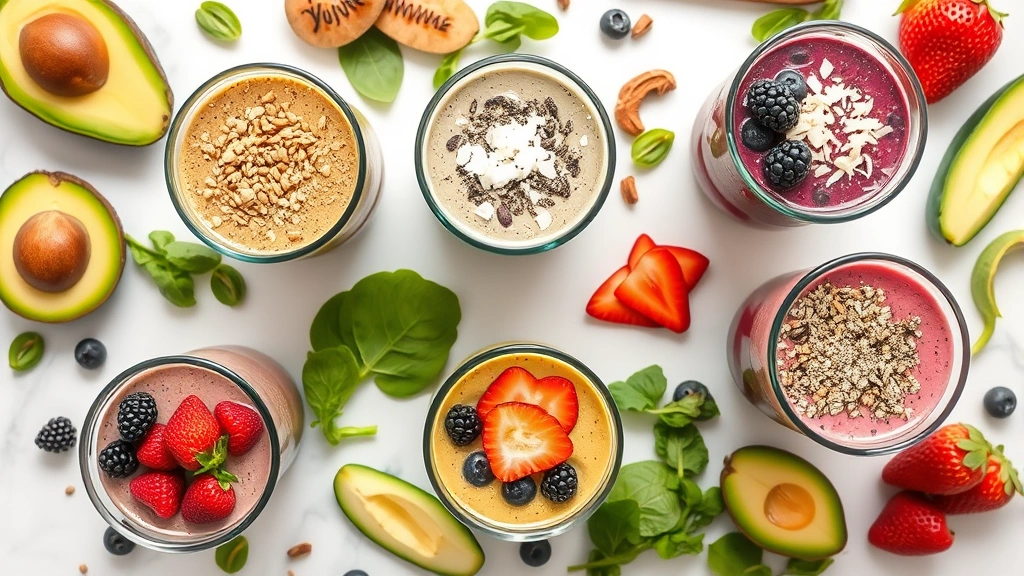
The Science Behind Fruit Shakes and Weight Loss
The relationship between fruit shakes and weight loss isn’t straightforward—it depends entirely on composition. Whole fruits contain fiber, vitamins, minerals, and phytonutrients that support metabolic health and satiety. However, when fruits are blended without additional nutrients, you lose some of the fiber’s benefits and concentrate the natural sugars, which can spike blood glucose and increase calorie intake without proportional satiety.
Research published in the American Journal of Clinical Nutrition shows that beverages consumed with meals don’t trigger the same satiety signals as solid foods. This means a fruit shake alone won’t keep you full as long as eating the whole fruit. However, when you add protein, fiber, and healthy fats to your shake, you significantly improve satiety and blood sugar control.
A study from the National Institutes of Health found that protein-rich beverages consumed between meals can reduce overall calorie intake by increasing feelings of fullness and reducing hunger hormones. This is where strategic fruit shake construction becomes your weight loss ally.
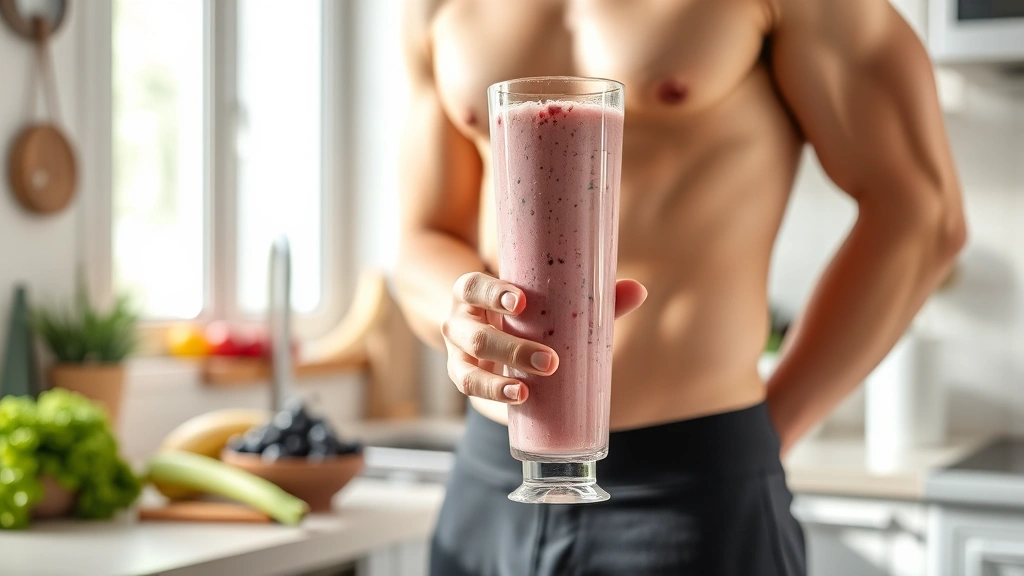
Key Ingredients for Weight Loss Shakes
Creating an effective fruit shake recipe for weight loss starts with understanding each ingredient category and how it contributes to your goals.
Fruit Base (1-1.5 cups)
Choose fruits that offer maximum nutrition with moderate natural sugars. Berries—blueberries, strawberries, raspberries—are nutritionists’ top choice because they contain the lowest sugar content relative to their fiber and antioxidant density. One cup of raspberries contains only 12 grams of carbohydrates but 8 grams of fiber. Compare this to tropical fruits like mango or pineapple, which offer similar portions but double the sugar content with less fiber.
Other excellent choices include:
- Avocado (adds creaminess and healthy fats)
- Watermelon (high water content, low calories)
- Peaches (moderate sugar, good fiber)
- Grapefruit (supports metabolic function)
- Green apple (lower sugar than red varieties)
Protein Source (20-30g)
This is non-negotiable for weight loss shakes. Protein increases thermogenesis (calories burned during digestion), reduces hunger hormones, and preserves lean muscle during weight loss. Your options include:
- Whey protein powder (fast-absorbing, complete amino acid profile)
- Plant-based protein (hemp, pea, or brown rice for vegans)
- Greek yogurt (adds creaminess plus 15-20g protein per serving)
- Cottage cheese (casein protein keeps you full longer)
- Nut butter (almond or peanut, though calorie-dense—use 1-2 tablespoons)
Learn more about weight loss and protein intake to understand optimal daily targets for your specific needs.
Liquid Base (1-1.5 cups)
Choose low-calorie liquids that won’t add empty calories:
- Unsweetened almond milk (30-40 calories per cup)
- Water with electrolytes (zero calories, supports hydration)
- Green tea (adds antioxidants, slight metabolism boost)
- Coconut water (use sparingly—higher sugar than alternatives)
Explore how water intake supports weight loss and why proper hydration enhances your results.
Fiber Boosters (1-2 tablespoons)
Fiber is your secret weapon for satiety and digestive health:
- Ground flaxseed (2g fiber, omega-3 fatty acids)
- Chia seeds (10g fiber per 2 tablespoons)
- Psyllium husk (7g fiber, very filling)
- Oat bran (4g fiber, adds creaminess)
Healthy Fats (½-1 tablespoon)
Small amounts of healthy fats slow digestion and extend satiety:
- Coconut oil (may support metabolism)
- Almond or walnut butter (nutrient-dense)
- Omega-3 supplement (if needed)
Optional Flavor Enhancers (zero calories)
- Cinnamon (may support blood sugar control)
- Vanilla extract
- Unsweetened cocoa powder
- Ginger (aids digestion)
- Turmeric (anti-inflammatory)
Why Protein Matters in Your Shake
The inclusion of protein transforms a fruit shake from a sugary beverage into a legitimate meal replacement or snack. Here’s why nutritionists emphasize protein:
Thermic Effect: Your body burns 20-30% of protein calories during digestion, compared to 5-10% for carbohydrates and 0-3% for fats. This means a 300-calorie shake with 30g protein burns approximately 18-27 calories just during digestion.
Satiety and Hunger Hormones: Protein triggers the release of peptide YY and GLP-1, hormones that signal fullness to your brain. A Cambridge nutrition research review found that high-protein shakes reduced hunger ratings by 40-50% compared to low-protein alternatives.
Muscle Preservation: During weight loss, your body can lose muscle along with fat. Adequate protein intake—especially when combined with aerobic exercises for fat loss—preserves lean tissue and maintains metabolic rate.
Blood Sugar Stability: Protein slows carbohydrate absorption, preventing the blood sugar spikes that lead to energy crashes and cravings. This is particularly important when using fruit-based shakes.
5 Nutritionist-Approved Fruit Shake Recipes
Each recipe below provides 200-350 calories, 25-35g protein, and high fiber content—making them suitable as meal replacements or substantial snacks.
Recipe 1: Berry Blast Protein Shake
Ingredients:
- 1 cup mixed berries (blueberries, raspberries, strawberries)
- 1 scoop vanilla whey protein powder
- 1 cup unsweetened almond milk
- ½ cup plain Greek yogurt
- 1 tablespoon ground flaxseed
- ½ teaspoon cinnamon
- ½ cup ice
Nutrition: 280 calories | 32g protein | 28g carbs | 5g fat | 8g fiber
Benefits: Berries provide anthocyanins (powerful antioxidants), Greek yogurt adds probiotics for gut health, and flaxseed supports satiety. This shake works excellently as a post-workout recovery beverage.
Recipe 2: Green Apple Protein Power
Ingredients:
- 1 medium green apple, chopped
- 1 scoop plant-based protein powder
- 1 cup unsweetened coconut milk
- 1 tablespoon almond butter
- 1 tablespoon chia seeds
- ½ cup fresh spinach (won’t change taste)
- ½ cup ice
Nutrition: 310 calories | 28g protein | 26g carbs | 10g fat | 9g fiber
Benefits: Spinach adds iron and magnesium without affecting flavor, almond butter provides satiety, and green apple’s polyphenols support metabolic health. The chia seeds create a more filling texture.
Recipe 3: Tropical Pineapple Shake (Lower Sugar Version)
Ingredients:
- ¾ cup fresh pineapple chunks
- ½ cup frozen mango
- 1 scoop vanilla protein powder
- ½ cup plain nonfat Greek yogurt
- ¾ cup water or unsweetened coconut water
- 1 tablespoon coconut oil
- 1 tablespoon oat bran
- Ice as needed
Nutrition: 290 calories | 30g protein | 32g carbs | 6g fat | 6g fiber
Benefits: The reduced fruit portion and addition of protein/fat prevents blood sugar spikes while delivering tropical flavor satisfaction. Coconut oil may support ketone production and satiety.
Recipe 4: Peach Cottage Cheese Shake
Ingredients:
- 1 cup frozen peach slices
- ½ cup low-fat cottage cheese
- ½ cup unsweetened almond milk
- ½ cup plain water
- 1 tablespoon ground flaxseed
- ¼ teaspoon vanilla extract
- Pinch of ginger powder
- Ice as needed
Nutrition: 240 calories | 28g protein | 24g carbs | 3g fat | 7g fiber
Benefits: Cottage cheese provides casein protein, which digests slowly and keeps you full for extended periods. This shake is ideal for afternoon snacks because it won’t cause energy crashes.
Recipe 5: Strawberry Avocado Creamy Shake
Ingredients:
- 1 cup fresh strawberries
- ¼ medium avocado
- 1 scoop vanilla protein powder
- 1 cup unsweetened almond milk
- 1 tablespoon raw almonds (or 1 teaspoon almond butter)
- ½ tablespoon chia seeds
- Ice as needed
Nutrition: 300 calories | 26g protein | 22g carbs | 12g fat | 8g fiber
Benefits: Avocado provides monounsaturated fats that support hormone production and reduce inflammation. The combination of healthy fats and protein makes this shake exceptionally satisfying.
Common Mistakes That Sabotage Results
Mistake 1: Using Commercial Smoothie Mixes or Frozen Yogurt
Many commercial fruit smoothies contain 50-80g of sugar—equivalent to 4-6 tablespoons of added sugar. Even “health-focused” brands often sweeten with honey, agave, or fruit juice concentrates. Always make shakes at home where you control ingredients. If you use frozen yogurt, choose plain varieties and measure portions carefully.
Mistake 2: Skipping Protein or Using Insufficient Amounts
A fruit shake without adequate protein is essentially a dessert beverage. You need minimum 20g protein per shake to achieve satiety benefits. If you’re adding protein powder, check the label—some brands hide fillers and only provide 10-15g actual protein per scoop.
Mistake 3: Overestimating Portion Sizes
“Just a handful” of berries quickly becomes 2 cups when blended. Use a measuring cup for the first week until you develop accurate portion intuition. One medium banana contains 27g carbs—if you’re not tracking, you can easily exceed your targets.
Mistake 4: Using Juice as the Liquid Base
Fruit juice, even 100% pure varieties, lacks fiber and concentrates natural sugars. A cup of orange juice contains 26g carbs but only 0.5g fiber. Use water, unsweetened milk alternatives, or brewed green tea instead.
Mistake 5: Adding Sweeteners to Already-Sweet Shakes
Ripe fruit is naturally sweet. Adding honey, agave, or additional sweeteners (even artificial ones) increases calorie intake and trains your palate to expect excessive sweetness. If your shake needs sweetening, reassess your fruit choices—underripe fruit or non-sweet fruit varieties might be the issue.
Mistake 6: Replacing Meals Without Adequate Calories
A 250-calorie shake works as a snack but not as a meal replacement for most adults. If you’re using a shake as a meal, ensure it contains 400-500 calories with balanced macronutrients. Otherwise, you’ll experience excessive hunger within 2-3 hours.
Practical Tips for Success
Timing Your Shakes
The best time to consume your fruit shake depends on your goals and routine. If using as a post-workout shake, consume within 30-60 minutes of exercise to support muscle recovery and replenish glycogen. If using as a meal replacement, pair it with a small snack containing fiber or fat to extend satiety. For snack purposes, consume mid-morning or mid-afternoon to prevent afternoon energy crashes.
Batch Preparation
Prepare shake ingredients in advance by portioning berries, fruits, and powders into individual freezer bags. You can blend directly from frozen—just add liquid and protein, then blend. This approach takes 2 minutes in the morning while maintaining nutritional integrity.
Integrating with Your Weight Loss Plan
Fruit shakes work best as part of a comprehensive approach. Combine them with intermittent fasting strategies if you prefer fewer eating windows, or use them as flexible snacks in traditional calorie-deficit approaches. The key is consistency and tracking—log your shake ingredients in a food app to ensure you’re hitting your calorie and macronutrient targets.
Monitoring Your Progress
Keep a simple log of which shake recipes you use and how satisfied you feel 2-3 hours later. Some people find that cottage cheese shakes keep them full longer, while others prefer whey protein. Individual variation is significant, so experiment to find your optimal formula.
Understand how to maintain weight loss long-term by building sustainable habits around nutritious shakes rather than relying on them as a permanent solution.
Addressing Digestive Concerns
If you experience bloating from high-fiber shakes, increase fiber gradually over 2-3 weeks while ensuring adequate water intake. Some people benefit from adding ginger or fennel to reduce digestive discomfort. If protein powder causes issues, try different brands—many people tolerate plant-based proteins better than whey.
Customizing for Dietary Restrictions
For dairy-free options, use coconut yogurt or silken tofu instead of Greek yogurt. For nut allergies, use sunflower seed butter and sunflower seeds instead of almonds. For vegan approaches, choose plant-based protein powders and replace Greek yogurt with cashew cream or coconut yogurt. The fundamental principle remains: combine fruit, protein, fiber, and healthy fats.
Consider exploring metabolic rate improvement strategies to maximize the effectiveness of your fruit shake routine.
FAQ
Can I drink fruit shakes daily for weight loss?
Yes, you can consume fruit shakes daily if they fit your calorie and macronutrient targets. However, nutritionists recommend variety—rotate between different recipes to ensure diverse micronutrient intake. Consuming the same shake daily can lead to nutrient imbalances and boredom-related non-compliance.
Are frozen fruits as nutritious as fresh fruits in shakes?
Frozen fruits are equally nutritious and often more cost-effective. They’re frozen at peak ripeness, preserving antioxidants and nutrients. The freezing process doesn’t significantly degrade vitamins. For shakes, frozen fruits are actually preferable because they create better texture and don’t require added ice (which dilutes your shake).
How much protein powder should I use per shake?
Use one scoop of protein powder per shake—typically 25-30g protein. Most quality protein powders provide this amount per scoop. Using more than one scoop increases calories unnecessarily and can impact taste. If you need additional protein, add Greek yogurt or cottage cheese instead.
Can I use protein shakes as my only weight loss method?
Protein shakes are a tool within a comprehensive weight loss approach, not a standalone solution. Combine them with whole foods, regular physical activity, and behavioral changes for sustainable results. Relying solely on shakes often leads to nutrient deficiencies and difficulty maintaining weight loss long-term.
What’s the difference between a smoothie and a protein shake for weight loss?
Technically, the terms are interchangeable. The difference lies in composition: weight-loss focused shakes prioritize protein (25-35g), include fiber (6-8g), and limit fruit portions. Traditional smoothies often contain more fruit, less protein, and higher total carbohydrates, making them less suitable for weight loss goals.
Should I drink my shake immediately after blending?
Ideally, yes. Blending breaks down cell walls and exposes nutrients to oxidation. However, you can prepare shakes in advance and refrigerate for up to 8 hours if necessary. For longer storage, freeze in mason jars and thaw in the refrigerator overnight.
Can I add greens like spinach or kale to my fruit shake?
Absolutely. Spinach blends invisibly into fruit shakes and adds iron, magnesium, and calcium. Use 1 cup fresh spinach (or ½ cup frozen). Kale has a stronger flavor—start with ½ cup and gradually increase. These additions don’t significantly impact macronutrients but boost micronutrient density.
What if I’m lactose intolerant or allergic to dairy?
Replace Greek yogurt with coconut yogurt, cashew cream, or silken tofu. Choose plant-based protein powders (pea, hemp, or brown rice). Use unsweetened non-dairy milk alternatives. These substitutions maintain protein and fiber content while eliminating dairy entirely.
How do I know if my fruit shake recipe is truly weight-loss friendly?
Check these criteria: (1) 250-350 calories per serving, (2) 25-35g protein, (3) 6-8g fiber minimum, (4) less than 30g total carbohydrates, (5) 3-5g healthy fats. Use a nutrition app to verify your homemade recipes. If your shake exceeds these targets, reduce fruit portions or add more protein.
Can children consume these weight loss shakes?
Children shouldn’t follow adult weight loss diets. However, protein-rich fruit shakes are nutritious snacks for growing kids. Use smaller portions (½ to ¾ recipe), adjust protein amounts to 10-15g, and consult a pediatrician before introducing protein powders.


