
Hair Loss from Weight Loss? Expert Insights on Telogen Effluvium and Prevention
Experiencing hair loss while pursuing your weight loss goals can feel discouraging and counterintuitive. After all, you’re making positive changes for your health—so why is your hair falling out? The connection between rapid weight loss and hair shedding is real, but it’s also manageable and often temporary. Understanding the science behind this phenomenon empowers you to protect your hair while achieving your wellness objectives.
Hair loss during weight loss is primarily caused by a condition called telogen effluvium, a stress-induced hair shedding that occurs when the body undergoes significant metabolic changes. This isn’t permanent hair loss like alopecia, but rather a temporary disruption in your hair growth cycle. Millions of people experience this when losing weight rapidly, especially through crash diets or extreme caloric restriction. The good news? With proper nutrition, strategic eating patterns, and informed supplementation, you can minimize hair loss while still reaching your weight loss goals.
Understanding Telogen Effluvium and Weight Loss Connection
Telogen effluvium is a dermatological condition where hair prematurely enters the telogen (resting) phase of the hair growth cycle. Normally, about 85% of scalp hair is in the anagen (growth) phase, while only 10-15% is in the telogen phase. When your body experiences significant stress—including rapid weight loss—this ratio shifts dramatically, causing up to 70% of hair to synchronously enter the resting phase simultaneously.
The connection between weight loss and hair loss occurs because your body perceives rapid weight loss as a form of physical stress. During weight loss, your body shifts from building new tissues to breaking down stored energy reserves. This metabolic upheaval affects not just fat and muscle, but also diverts resources away from non-essential functions like hair growth. Hair follicles, being metabolically expensive to maintain, are among the first casualties when your body is in survival mode.
Research published in dermatological journals confirms that telogen effluvium typically develops 2-3 months after a significant stressor—in this case, rapid weight loss. This delayed onset is why you might not notice increased shedding immediately after starting your weight loss journey. Instead, you’ll observe more hair in your brush or shower drain weeks into your program.

Why Rapid Weight Loss Triggers Hair Shedding
Your hair is incredibly sensitive to your metabolic state. When you lose more than 1-2 pounds per week, your body interprets this as a threat to survival and activates stress responses that prioritize immediate energy needs over growth processes. This evolutionary mechanism protected our ancestors during food scarcity, but today it complicates our weight loss efforts.
Several physiological mechanisms explain why rapid weight loss causes hair shedding:
- Caloric deficit stress: Extreme caloric restriction triggers cortisol elevation, a stress hormone that can push hair follicles into telogen phase prematurely.
- Metabolic adaptation: Your metabolism slows during aggressive dieting, and this metabolic shock disrupts hormonal balance necessary for hair growth.
- Nutrient depletion: Restrictive diets often lack essential amino acids, iron, zinc, and B vitamins critical for keratin synthesis and hair follicle health.
- Hormonal fluctuations: Rapid weight loss can alter thyroid function and sex hormone levels, both crucial regulators of the hair growth cycle.
- Reduced blood flow: Severe caloric restriction decreases blood circulation, limiting nutrient delivery to hair follicles.
Crash diets and extreme protocols are particularly problematic. When you lose weight too quickly, your body cannot adapt efficiently, and hair loss becomes more pronounced. This is why best weight loss shakes and structured meal plans that provide adequate calories and nutrients outperform extreme fasting approaches.
Nutritional Deficiencies Behind Hair Loss
Hair is composed primarily of a protein called keratin, making protein intake fundamental to hair health. But protein is only part of the equation. Your hair also requires specific micronutrients that are often compromised during weight loss diets.
Iron deficiency is one of the most common nutritional triggers of telogen effluvium. Iron is essential for hemoglobin production, which carries oxygen to hair follicles. When iron stores deplete—common in restrictive diets—hair growth slows and shedding increases. Women are particularly vulnerable because menstruation creates ongoing iron loss.
Zinc deficiency impairs protein synthesis and immune function in hair follicles. Studies show that people with telogen effluvium frequently have low serum zinc levels. Since zinc is concentrated in animal proteins, vegetarians following restrictive weight loss plans are at higher risk.
B vitamins, particularly biotin, B12, and folate, are cofactors in hair protein synthesis and DNA replication within hair follicles. Crash diets that eliminate whole food groups often lack adequate B vitamin sources, exacerbating hair loss.
Copper and selenium are trace minerals involved in hair pigmentation and antioxidant defense in hair follicles. Deficiency in these minerals can accelerate hair shedding during weight loss.
The solution isn’t supplementation alone—it’s ensuring your metabolic rate is supported through balanced nutrition rather than restriction.
Protein and Hair Health During Weight Loss
Adequate protein intake is non-negotiable when losing weight while protecting hair. Your body needs protein to synthesize new keratin, maintain hair follicle structure, and support the anagen (growth) phase. When protein intake drops below 50 grams daily during weight loss, hair loss risk increases substantially.
The recommended protein intake for people losing weight is higher than sedentary individuals: aim for 1.2-2.2 grams per kilogram of body weight. If you weigh 180 pounds (82 kg), this means 100-180 grams of protein daily. This higher intake preserves muscle mass, supports metabolic function, and provides the amino acids necessary for continuous hair growth.
Quality protein sources include:
- Lean meats and poultry (chicken, turkey, lean beef)
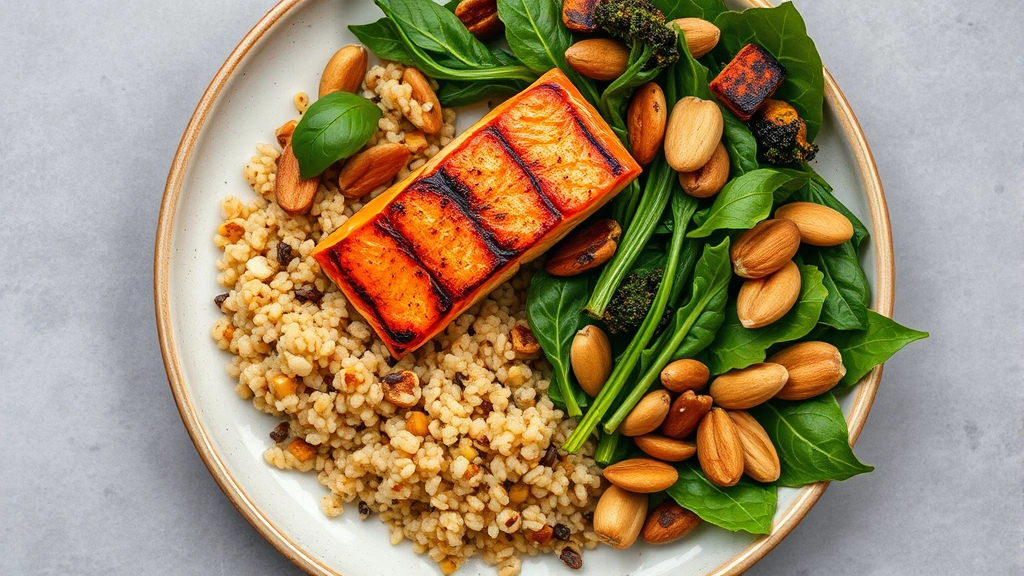
- Fish and seafood (salmon, cod, shrimp—also providing omega-3s)
- Eggs (complete protein with choline for follicle health)
- Greek yogurt and cottage cheese (casein protein with calcium)
- Legumes and beans (plant-based with fiber benefits)
- Nuts and seeds (additional micronutrients and healthy fats)
Consider incorporating nutrient-dense options like weight loss cabbage soup recipes that combine protein sources with micronutrient-rich vegetables. These whole-food approaches provide superior hair-protective benefits compared to extremely low-calorie meal replacements.
Key Micronutrients for Hair Preservation
Beyond protein, specific micronutrients deserve special attention during weight loss:
- Iron: Women should maintain serum ferritin levels above 30 ng/mL. Include heme iron sources (red meat, poultry) and pair non-heme iron (legumes, leafy greens) with vitamin C for enhanced absorption.
- Zinc: Aim for 8-11 mg daily (women-men respectively). Oysters, beef, pumpkin seeds, and cashews are excellent sources.
- Biotin: While biotin supplementation isn’t universally proven, consuming biotin-rich foods (eggs, almonds, sweet potatoes, spinach) supports hair protein synthesis.
- Vitamin D: Emerging research links vitamin D deficiency to telogen effluvium. Maintain levels above 30 ng/mL through sun exposure, fatty fish, or supplementation.
- Selenium: Brazil nuts (just 2-3 daily), seafood, and whole grains provide this hair-critical mineral.
- Copper: Found in shellfish, nuts, seeds, and whole grains; essential for hair pigmentation and follicle health.
- Omega-3 fatty acids: Fish, flaxseeds, and walnuts reduce inflammation and support scalp health.
Rather than taking multiple supplements, prioritize whole foods that naturally contain these nutrients. A registered dietitian can assess your specific deficiency risks based on your diet and health status.
Safe Weight Loss Strategies to Protect Hair
The most effective approach to losing weight without excessive hair loss is adopting a moderate, sustainable strategy rather than pursuing rapid results.
Target 1-2 pounds per week: This rate allows your body to adapt metabolically without triggering severe stress responses. Faster weight loss dramatically increases telogen effluvium risk.
Maintain adequate calories: Never drop below 1,200 calories daily for women or 1,500 for men. Extreme restriction depletes nutrient stores and triggers metabolic adaptation that compromises hair health. Use a body measurements tracking system to monitor progress beyond just scale weight.
Balance macronutrients: Aim for 30-40% protein, 30-40% carbohydrates, and 20-30% fat. Carbohydrates support energy for exercise and metabolic function, while healthy fats enable nutrient absorption and hormone production.
Incorporate resistance exercise: Strength training preserves muscle mass during weight loss and reduces metabolic adaptation. The best time of day to exercise for weight loss is when you’re most consistent—adherence matters more than timing.
Manage stress: Psychological stress compounds the metabolic stress of weight loss, exacerbating telogen effluvium. Practice meditation, adequate sleep (7-9 hours), and stress-reduction techniques. Your weight loss motivation should include mental health strategies, not just dietary changes.
Stay hydrated: Dehydration impairs nutrient transport to hair follicles. Drink at least 8-10 glasses of water daily, adjusted for exercise and climate.
Timeline: When Hair Loss Stops After Weight Loss
Understanding the timeline helps you distinguish between normal shedding and problematic hair loss. Telogen effluvium follows a predictable pattern:
- Weeks 1-8 of weight loss: Minimal visible changes; metabolic stress begins affecting hair follicles.
- Weeks 8-16: Hair begins entering telogen phase; increased shedding becomes noticeable (100-300 hairs daily instead of normal 50-100).
- Weeks 16-24: Peak shedding period; hair loss most pronounced.
- After weight loss stabilizes: Hair shedding gradually decreases over 3-6 months as follicles re-enter anagen phase.
- Full recovery: Complete hair regrowth typically occurs within 6-12 months after stabilizing weight.
This timeline assumes adequate nutrition throughout. With poor nutritional support, hair loss persists longer and may become more severe. Conversely, excellent nutritional practices can reduce shedding intensity and duration.
Expert Recommendations and Prevention Tips
Dermatologists and registered dietitians recommend several evidence-based strategies:
Get a pre-weight-loss assessment: Before starting significant weight loss, consult a healthcare provider or dermatologist through the American Academy of Dermatology to establish baseline hair health and identify existing deficiencies.
Work with a registered dietitian: A nutrition professional can create personalized meal plans that support your weight loss while protecting hair health. The Academy of Nutrition and Dietetics can help you find a credentialed specialist.
Monitor micronutrient levels: Blood tests for iron, zinc, vitamin D, and B12 provide objective data about nutritional status. Address deficiencies before they impact hair.
Choose whole foods: Processed weight loss products often lack the micronutrient density of whole foods. Whole grains, lean proteins, colorful vegetables, and healthy fats provide comprehensive nutritional support.
Consider hair-specific supplementation thoughtfully: While biotin, iron, and zinc supplements may help if deficient, they’re not substitutes for adequate nutrition. Consult your doctor before starting any supplement regimen.
Practice patience: Sustainable weight loss protects hair better than rapid results. A 30-pound loss over 6-9 months with proper nutrition causes minimal hair loss, while the same loss in 8 weeks with crash dieting causes significant shedding.
According to CDC nutrition guidelines, balanced, whole-food-based weight loss approaches support overall health better than restrictive protocols. Hair health is simply one of many benefits.
FAQ
Does all weight loss cause hair loss?
No. Gradual weight loss (1-2 pounds weekly) with adequate nutrition rarely causes noticeable hair loss. Only rapid weight loss (more than 2-3 pounds weekly) or severe caloric restriction typically triggers telogen effluvium.
Can I prevent hair loss completely while losing weight?
Complete prevention is difficult, but you can minimize it dramatically. Combining moderate weight loss pace, adequate protein (100-180g daily), micronutrient-dense foods, stress management, and exercise reduces hair loss risk significantly.
Should I stop losing weight if my hair is falling out?
Not necessarily. Instead, slow your weight loss pace, increase calories slightly, and optimize nutrition. Often, adjusting your approach resolves hair loss while you continue making progress toward your goals.
How much hair loss is normal during weight loss?
Normal daily shedding is 50-100 hairs. During telogen effluvium, this may increase to 150-300 hairs daily. If you’re shedding noticeably more or experiencing bald patches, consult a dermatologist.
Can supplements alone stop weight loss-related hair loss?
Supplements cannot compensate for inadequate overall nutrition or excessive weight loss pace. They’re supportive tools, not solutions. Focus on food quality and weight loss strategy first.
When should I see a dermatologist about hair loss during weight loss?
Consult a dermatologist if shedding persists beyond 6 months after weight stabilization, if you develop bald patches, or if hair loss is accompanied by other symptoms like fatigue or skin changes.


