
Hair loss during weight loss can be a concerning and unexpected side effect that affects many people pursuing their health goals. While shedding some hair is completely normal—we typically lose 50-100 hairs daily—noticeable hair loss alongside significant weight reduction deserves attention and understanding. This phenomenon, often called telogen effluvium, is more common than you might think, and the good news is that it’s usually temporary and manageable with proper care and nutritional support.
Understanding the connection between weight loss and hair loss empowers you to take preventive measures and make informed decisions about your health journey. Whether you’re following a weight loss on keto diet plan or pursuing other dietary approaches, knowing how to protect your hair health is essential for sustainable, holistic wellness.

Why Weight Loss Triggers Hair Loss
The relationship between weight loss and hair loss stems from several interconnected physiological processes. When you lose weight rapidly—particularly through calorie restriction or extreme dieting—your body experiences significant metabolic stress. Hair follicles are extremely sensitive to physiological changes, and they respond quickly when your body perceives threat or imbalance.
Rapid weight loss creates a cascade of biological events: your body shifts into conservation mode, prioritizing essential functions like maintaining organ function and regulating body temperature. Hair growth becomes a secondary concern because it’s not immediately vital for survival. This evolutionary response, while protective in genuine scarcity situations, can result in hair follicles prematurely entering the shedding phase.
The severity of hair loss often correlates with how quickly you lose weight. Gradual weight loss through balanced nutrition and regular best time of day to exercise for weight loss routines typically causes minimal hair shedding. Conversely, crash diets, extreme calorie deficits (below 1200 calories daily for most adults), or very low-carbohydrate approaches can trigger noticeable hair loss within weeks.
Your body also experiences hormonal fluctuations during weight loss. Thyroid function can be affected by restrictive eating, cortisol levels may increase due to stress, and estrogen levels may shift—all factors that influence hair growth cycles. These hormonal changes compound the physical stress of rapid weight loss, making hair loss more pronounced.
Nutritional Deficiencies and Hair Health
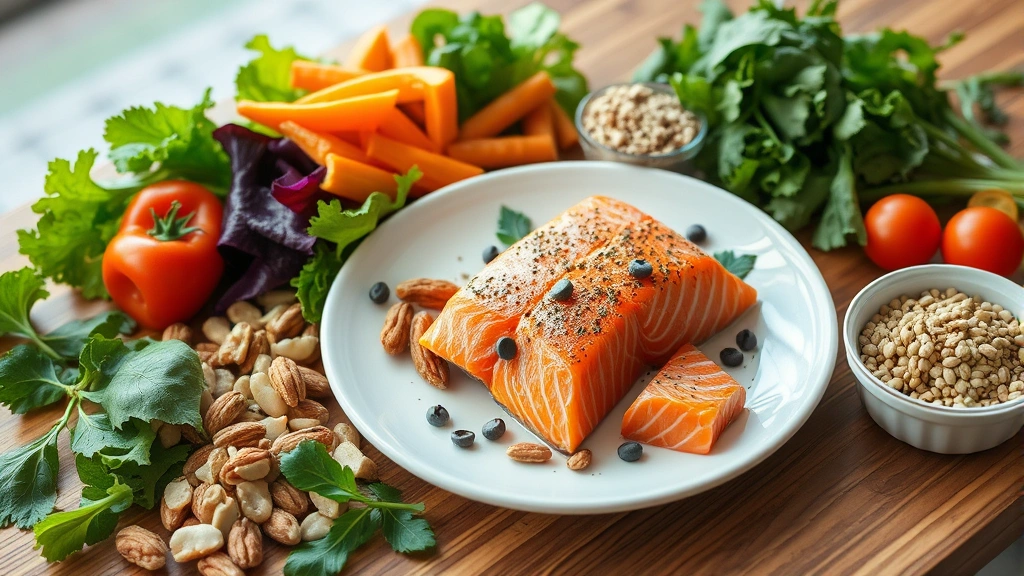
Hair is composed primarily of a protein called keratin, making adequate protein intake absolutely crucial during weight loss. Many people inadvertently reduce protein consumption while cutting calories, which directly compromises hair strength and growth. Your hair follicles require consistent protein availability to maintain the hair growth cycle and prevent premature shedding.
Beyond protein, several micronutrients are essential for healthy hair:
- Iron: Deficiency causes anemia, which restricts oxygen delivery to hair follicles. This is particularly concerning for those following restrictive diets that eliminate iron-rich foods.
- Zinc: Critical for hair growth and immune function. Zinc deficiency is linked to telogen effluvium and increased hair shedding.
- Biotin (B7): Supports keratin production and hair structure. While biotin deficiency is rare, supplementation may help during periods of metabolic stress.
- Vitamin D: Regulates hair follicle cycling. Low vitamin D levels are associated with various forms of hair loss.
- B vitamins: B12, B6, and folate support red blood cell production and nutrient transport to hair follicles.
- Selenium: Works with antioxidants to protect hair follicles from oxidative stress.
When you pursue weight loss through very restrictive diets—especially those lacking whole foods like is shrimp healthy for weight loss options and other nutrient-dense proteins—you risk creating multiple micronutrient deficiencies simultaneously. This compounded deficiency state accelerates hair loss and can extend the recovery period significantly.
The quality of your weight loss diet matters enormously. Diets that maintain adequate protein, include diverse whole foods, and preserve micronutrient density show dramatically lower rates of associated hair loss. This is why working with registered dietitian nutritionists during significant weight loss is valuable—they can ensure your nutritional needs are met while you pursue your goals.
Telogen Effluvium Explained
Telogen effluvium is the medical term for stress-induced hair loss, and it’s the most common type associated with weight loss. To understand this condition, you need to know about hair growth cycles. Hair grows in three phases: anagen (growth phase lasting 2-7 years), catagen (transition phase lasting weeks), and telogen (resting phase lasting months).
Normally, about 85% of your hair is in the anagen phase at any given time. However, when your body experiences significant stress—including the metabolic stress of rapid weight loss—hair follicles prematurely shift into the telogen phase. Weeks or months later, when these hairs naturally shed, you notice increased hair loss all over your scalp.
This is why hair loss from weight loss typically doesn’t appear immediately. Most people experience noticeable shedding 2-3 months after beginning significant weight loss, sometimes extending to 6 months. This delay occurs because the hair that’s shedding entered the telogen phase weeks earlier, and the full cycle takes time to complete.
The good news is that telogen effluvium is reversible. Unlike some forms of hair loss, it doesn’t cause permanent damage to hair follicles. Once the stressor (in this case, rapid weight loss or nutritional deficiency) is removed or resolved, hair follicles return to normal cycling, and regrowth occurs naturally. Most people see significant improvement within 3-6 months of addressing the underlying cause.
Timeline and Recovery
Understanding the timeline of weight loss-related hair loss helps you maintain perspective and avoid unnecessary panic. Here’s what typically happens:
- Weeks 1-4 of weight loss: Hair follicles may begin shifting into telogen phase, but you won’t notice any shedding yet.
- Weeks 8-12: Hair shedding becomes noticeable as telogen hairs complete their cycle. This is when most people first observe increased hair loss.
- Months 4-6: Shedding may peak during this window, especially if weight loss continues or if nutritional deficiencies are present.
- Months 6-12: If the stressor is removed (weight loss slows or stabilizes, nutrition improves), shedding gradually decreases.
- Months 9-18: New hair growth becomes visible as follicles return to anagen phase. Hair regains its normal appearance and density.
Recovery speed depends on several factors: how rapidly you lost weight, how severe nutritional deficiencies were, your overall health status, age, and genetics. Younger people with good overall health typically recover faster than older individuals or those with underlying health conditions.
If you’re experiencing hair loss, continuing your weight loss journey is generally fine if you do so gradually and maintain excellent nutrition. Many people find that slowing their weight loss pace from 2-3 pounds weekly to 1-1.5 pounds weekly significantly reduces hair shedding while still achieving their goals.
Prevention Strategies During Weight Loss
The best approach to weight loss-related hair loss is prevention through thoughtful, sustainable practices:
- Maintain adequate protein: Aim for 0.7-1 gram per pound of your goal body weight daily. Include diverse protein sources and consider smoothie recipes for weight loss that incorporate protein-rich ingredients like Greek yogurt and nuts.
- Avoid extreme calorie restriction: Never drop below 1200 calories daily without medical supervision. Moderate deficits of 300-500 calories produce sustainable weight loss without severe metabolic stress.
- Eat nutrient-dense foods: Prioritize whole foods over processed options. Include colorful vegetables, lean proteins, whole grains, healthy fats, and foods rich in iron, zinc, and B vitamins.
- Consider supplementation strategically: If deficiencies are likely (vegetarian/vegan diets, very restrictive eating), discuss supplementation with your healthcare provider. Iron, B12, and vitamin D are common needs during weight loss.
- Slow your weight loss pace: Aim for 1-1.5 pounds weekly rather than faster rates. This gradual approach minimizes metabolic stress while still producing meaningful results.
- Manage stress holistically: Exercise regularly, practice meditation or yoga, ensure adequate sleep, and address emotional stress. These practices reduce cortisol and support overall health during weight loss.
- Stay hydrated: Proper hydration supports nutrient transport and metabolic function. Aim for 8-10 glasses of water daily, adjusting for activity level and climate.
- Optimize sleep quality: Growth hormone, which supports hair health, is released during deep sleep. Prioritize 7-9 hours of consistent, quality sleep.
If you’re following specific dietary approaches, ensure they’re nutritionally complete. For example, those on weight loss on keto diet plans should be particularly vigilant about micronutrient intake and may benefit from periodic blood work to monitor levels.
When to Seek Professional Help
While weight loss-related hair loss is usually temporary and self-resolving, certain situations warrant professional evaluation:
- Severe or persistent shedding: If you’re losing significant amounts of hair (more than normal clumps in the shower) for more than 6 months, see a dermatologist.
- Bald patches: Sudden appearance of bald patches suggests alopecia areata or another condition requiring medical assessment.
- Scalp symptoms: Itching, redness, scaling, or pain accompanying hair loss needs professional evaluation.
- Hair loss without weight loss: If you’re experiencing hair loss but haven’t been losing weight, other causes should be investigated.
- Concerns about nutritional status: If you suspect deficiencies or have underlying health conditions, consult your healthcare provider or a registered dietitian.
Your dermatologist can perform simple tests to confirm telogen effluvium and rule out other conditions. A pull test (gently pulling 60 hairs to count shedding) and microscopic examination can confirm the diagnosis. Blood work may assess iron, B12, vitamin D, thyroid function, and other relevant markers.
The psychological impact of hair loss shouldn’t be underestimated either. If hair loss is causing significant emotional distress, speaking with a therapist or counselor can provide valuable support alongside medical care. Many people find that motivational quotes for weight loss and community support help them maintain perspective during challenging periods.
For additional evidence-based information on weight loss and health, the CDC’s Healthy Weight Resources provide comprehensive guidance. Research published in The American Journal of Clinical Nutrition regularly covers topics related to diet, weight loss, and nutritional status.
FAQ
How much hair loss is normal during weight loss?
Losing 50-100 hairs daily is normal baseline shedding. During weight loss, you might notice 2-3 times this amount, which becomes visually apparent in your shower drain or brush. If you’re losing entire clumps or can easily pull out many hairs, contact a healthcare provider.
Can I prevent hair loss completely while losing weight?
You can significantly minimize hair loss through gradual weight loss, adequate nutrition, stress management, and proper sleep. Complete prevention isn’t guaranteed because some metabolic stress is inherent to weight loss, but most people following these strategies experience minimal shedding.
Does hair loss mean my diet is unhealthy?
Not necessarily. Even well-planned diets can cause temporary hair loss if weight loss occurs too rapidly. However, persistent or severe hair loss suggests nutritional inadequacy or excessive calorie restriction that should be addressed with professional guidance.
Should I take biotin supplements for hair loss?
While biotin is essential for hair health, supplementation only helps if you’re deficient, which is rare. If you’re eating adequate protein and whole foods, biotin supplementation likely won’t provide additional benefit. Discuss supplementation with your healthcare provider based on your individual needs.
How long does it take for hair to regrow?
After the stressor (rapid weight loss or nutritional deficiency) is resolved, you’ll typically see new growth within 3-6 months. Full recovery to normal hair density usually takes 9-18 months, depending on various individual factors.
Is hair loss from weight loss permanent?
No. Telogen effluvium from weight loss is completely reversible. Hair follicles aren’t permanently damaged; they simply enter a resting phase prematurely. Once conditions normalize, follicles resume normal growth cycles and produce healthy hair.
Should I stop my weight loss if I’m experiencing hair loss?
Not necessarily. Instead, consider slowing your weight loss pace, improving your nutrition, and managing stress. Many people find that adjusting their approach rather than stopping entirely allows them to continue progressing while reducing hair loss.
Can thyroid problems cause weight loss-related hair loss?
Yes. Rapid weight loss can affect thyroid function, particularly if calorie restriction is severe. Low thyroid hormone levels (hypothyroidism) cause hair loss. If you suspect thyroid issues, ask your doctor for thyroid function tests (TSH, free T3, free T4).


