
Can Weight Loss Cause Hair Loss? Dermatologist Insights
Weight loss is celebrated as a health achievement, but some people notice an unwelcome side effect: their hair falling out more than usual. This phenomenon, known as telogen effluvium, affects thousands of individuals pursuing their weight loss goals each year. Understanding the connection between rapid weight loss and hair loss can help you protect your locks while achieving your health objectives.
Hair loss during weight loss isn’t inevitable, nor is it permanent. By learning what causes this condition and how to prevent it, you can maintain both your progress and your hair health. Let’s explore what dermatologists and nutrition experts say about this common concern and discover practical solutions to keep your hair thriving throughout your weight loss journey.
How Weight Loss Triggers Hair Loss
The relationship between weight loss and hair loss is rooted in how your body responds to caloric restriction and metabolic stress. When you lose weight rapidly, your body undergoes significant physiological changes that can affect hair growth cycles. Hair follicles are extremely sensitive to nutritional status, hormonal fluctuations, and metabolic stress.
During weight loss, your body prioritizes survival functions over aesthetic ones. Hair growth is considered non-essential by your metabolic system, so nutrients and energy are redirected to vital organs and processes. This shift can push hair follicles from the active growth phase (anagen) into the resting phase (telogen), leading to increased shedding weeks or months later.
The severity of hair loss depends on several factors: the speed of weight loss, the degree of caloric deficit, your baseline nutritional status, and individual genetic predisposition. Someone losing 2-3 pounds per week is more likely to experience noticeable hair shedding than someone losing 1-2 pounds weekly. This is why dermatologists emphasize the importance of gradual, sustainable weight loss strategies for long-term success.
Understanding Telogen Effluvium
Telogen effluvium is the medical term for hair loss caused by stress on the body, including nutritional stress from rapid weight loss. In this condition, a large percentage of hair follicles prematurely enter the telogen (resting) phase of the hair growth cycle. After 2-3 months in this resting phase, affected hairs shed, which is why you might not notice increased hair loss immediately after starting your weight loss journey.
What makes telogen effluvium particularly concerning for people losing weight is that it can affect 30-70% of scalp hairs simultaneously. This results in noticeable thinning and increased hair shedding when washing or brushing. However, the good news is that telogen effluvium is reversible. Once the stressor is removed—meaning you stabilize your weight and improve your nutritional intake—hair typically regrows within 6-12 months.
According to research published by the American Academy of Dermatology, telogen effluvium accounts for up to 70% of hair loss cases related to systemic stress. The condition is not permanent, and understanding this can provide reassurance to those experiencing it during their weight loss efforts.
Nutritional Deficiencies and Hair Health
Hair is composed primarily of a protein called keratin, along with essential minerals and vitamins. When you restrict calories significantly, you may inadvertently restrict critical nutrients that hair follicles need to thrive. Several nutritional deficiencies are directly linked to hair loss during weight loss:
- Protein deficiency: Hair is made of protein, so inadequate protein intake directly compromises hair structure and growth. Ensure you consume sufficient protein through sources like protein shakes for weight loss or whole foods.
- Iron deficiency: Iron carries oxygen to hair follicles. Low iron levels can trigger telogen effluvium and cause hair thinning, particularly in women of childbearing age.
- Zinc deficiency: Zinc is essential for hair protein synthesis and follicle health. A deficiency can cause premature hair shedding and slow regrowth.
- Vitamin B12 deficiency: B vitamins support hair growth and energy metabolism. Deficiency can lead to hair loss and fatigue during weight loss.
- Biotin and other B vitamins: These support keratin production and overall hair health.
- Selenium deficiency: This mineral protects hair follicles from oxidative stress.
The solution isn’t to abandon your weight loss goals—it’s to ensure your deficit is moderate and your nutrition is optimized. Rather than severe caloric restriction, aim for a deficit of 500-750 calories daily, which supports 1-2 pounds of weight loss weekly while preserving lean muscle mass and hair health.
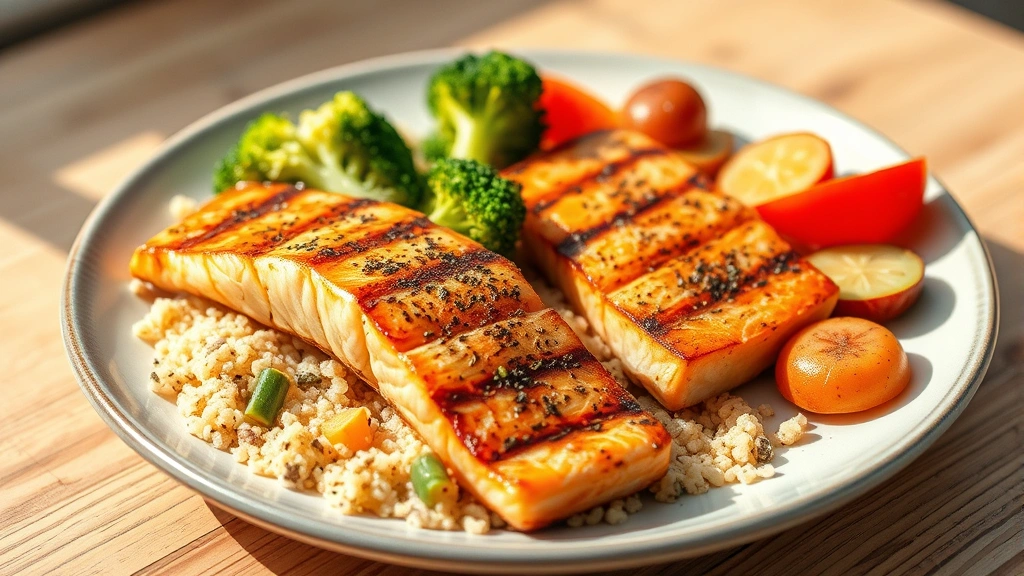
Rapid Weight Loss vs. Gradual Weight Loss
The pace of weight loss significantly impacts your risk of experiencing hair loss. Rapid weight loss—losing more than 3 pounds per week—dramatically increases the likelihood of telogen effluvium. Crash diets, extreme caloric restriction, and rapid-onset weight loss programs are major culprits.
In contrast, gradual weight loss allows your body to adapt metabolically while maintaining nutritional status. When you lose weight slowly and sustainably, your hair follicles experience less shock, and you’re more likely to maintain adequate nutrient intake. This gradual approach also supports better long-term results, as studies show people who lose weight slowly are more likely to maintain weight loss over time.
Research from registered dietitians emphasizes that a sustainable approach combining moderate caloric deficit with resistance training (like the benefits found in aerobic exercises for weight loss) helps preserve muscle mass and nutritional status, both crucial for hair health.
Protecting Your Hair During Weight Loss
You don’t have to choose between achieving your health goals and maintaining healthy hair. These evidence-based strategies help protect your hair while losing weight:
1. Maintain Adequate Protein Intake
Aim for 0.7-1 gram of protein per pound of body weight daily. Protein is essential for hair structure and helps preserve muscle mass during weight loss. Include diverse sources: lean meats, fish, eggs, legumes, dairy, and plant-based options.
2. Slow Your Weight Loss Pace
Target 1-2 pounds per week rather than faster loss. This moderate deficit allows your body to adapt without shocking your hair follicles. A caloric deficit of 500-750 calories daily is ideal—aggressive deficits of 1,200 calories or less significantly increase hair loss risk.
3. Ensure Micronutrient Adequacy
During weight loss, prioritize nutrient-dense foods. Include iron-rich foods (red meat, spinach, lentils), zinc sources (oysters, beef, pumpkin seeds), and selenium-containing foods (Brazil nuts, fish). Consider a multivitamin formulated for hair health, but consult your healthcare provider first. A registered dietitian can assess your specific needs and recommend appropriate supplementation.
4. Stay Hydrated
Proper hydration supports metabolic function and nutrient transport to hair follicles. Aim for at least 8-10 glasses of water daily, adjusting for activity level and climate.
5. Manage Stress
Psychological stress compounds the physical stress of weight loss, potentially worsening hair shedding. Incorporate stress-reduction techniques: meditation, yoga, adequate sleep, and activities you enjoy.
6. Support Overall Health
Regular physical activity supports weight loss without excessive stress. exercise routines for weight loss combined with resistance training help preserve muscle mass and metabolic health. Additionally, certain teas for weight loss provide antioxidants that support hair and scalp health.
7. Monitor Your Blood Pressure and Overall Health
Weight loss affects multiple body systems. Understanding how your weight loss impacts your overall health, including weight loss and blood pressure, helps you adjust your approach if needed. Extreme weight loss can stress your cardiovascular system and exacerbate hair loss.
8. Track Your Body Composition
Rather than focusing solely on scale weight, measure your body fat percentage to ensure you’re losing fat while preserving muscle. Muscle loss accelerates nutrient depletion and hair loss risk.

When to Consult a Dermatologist
While hair loss during weight loss is usually temporary and reversible, certain situations warrant professional evaluation. Consult a dermatologist if:
- Hair loss is severe or affects areas beyond the scalp
- Shedding continues 6-12 months after stabilizing your weight
- You experience scalp pain, itching, or visible inflammation
- Hair loss occurs despite maintaining adequate nutrition
- You have a personal or family history of androgenetic alopecia (pattern baldness)
- You’re experiencing other symptoms like fatigue, weakness, or hormonal changes
A dermatologist can perform a thorough evaluation, potentially including blood work to assess nutritional status, thyroid function, and hormonal balance. They can also recommend targeted treatments if needed and rule out other causes of hair loss unrelated to your weight loss journey.
Dermatologists often recommend consulting with a registered dietitian through the Academy of Nutrition and Dietetics to optimize your nutritional approach during weight loss. This collaborative care ensures you’re losing weight safely while maintaining your health and appearance.
FAQ
How long after weight loss does hair loss occur?
Hair loss typically becomes noticeable 2-3 months after rapid weight loss begins. This delay occurs because hair enters the resting phase but doesn’t shed immediately. If you started an aggressive diet in January, you might notice increased shedding in March or April. Understanding this timeline helps you recognize the connection and adjust your approach accordingly.
Will my hair grow back after weight loss?
Yes, in most cases. Telogen effluvium is reversible. Once you stabilize your weight and optimize your nutrition, hair typically regrows within 6-12 months. The follicles weren’t permanently damaged—they were temporarily stressed. Patience and consistent nutritional support during recovery are key.
Can I prevent hair loss while losing weight?
Absolutely. The primary prevention strategy is losing weight gradually (1-2 pounds weekly) while maintaining adequate protein, micronutrients, and overall calories. Avoid extreme diets, ensure sufficient iron and zinc intake, and consider professional guidance from a registered dietitian. These measures significantly reduce hair loss risk.
Is hair loss from weight loss permanent?
No. Telogen effluvium from weight loss is not permanent. Hair follicles recover once the stressor is removed. However, if you have underlying genetic predisposition to pattern baldness, weight loss might unmask or accelerate it. In that case, consult a dermatologist about options like minoxidil or other treatments.
What blood tests should I get during weight loss?
Consider asking your healthcare provider about testing for iron (ferritin and serum iron), vitamin B12, zinc, selenium, and thyroid function. These tests can identify deficiencies contributing to hair loss and guide supplementation decisions. A registered dietitian can interpret results and recommend dietary adjustments.
Are there supplements that prevent hair loss during weight loss?
While no supplement guarantees prevention, certain nutrients support hair health: biotin, zinc, iron, and B vitamins. However, supplementation should address actual deficiencies, not be a substitute for adequate nutrition. Work with a healthcare provider or registered dietitian to determine what’s appropriate for your situation. Quality matters—choose reputable brands tested for purity and potency.
Does exercise affect hair loss during weight loss?
Strategic exercise actually helps prevent weight loss-related hair loss. Resistance training preserves muscle mass and supports metabolic health, reducing the severity of physiological stress. However, excessive exercise without adequate nutrition and recovery can worsen hair loss. Balance is essential—aim for moderate activity with proper fueling.


