Healthy Chips for Weight Loss? Nutritionist Approved Options & Strategies
The idea of enjoying chips while losing weight sounds almost too good to be true—but it’s actually possible with the right choices and portion control. Millions of people struggle with cravings for savory, crunchy snacks, and completely eliminating them can lead to feelings of deprivation that sabotage weight loss efforts. This guide explores nutritionist-approved healthy chips that can fit into your weight loss plan, along with strategies to enjoy them mindfully.
Weight loss doesn’t require perfection or complete elimination of foods you love. Instead, it’s about making informed choices, understanding nutrition labels, and developing a sustainable approach to eating. When combined with strategies like regular cardio exercise and strength training, choosing better chip options becomes part of a comprehensive wellness strategy.
Can You Eat Chips While Losing Weight?
The short answer is yes—you can eat chips while losing weight, but context matters. Weight loss fundamentally depends on creating a calorie deficit, meaning you consume fewer calories than you burn. This deficit can be achieved through various approaches, and for many people, including reasonable portions of foods they enjoy makes the process more sustainable.
Research in behavioral nutrition shows that restrictive diets often fail because they’re unsustainable. People who completely ban favorite foods tend to experience stronger cravings and are more likely to binge when they eventually give in. A more flexible approach that includes balanced meal planning alongside occasional snacks tends to produce better long-term results.
The key is choosing chips that offer better nutritional profiles—lower in calories, higher in fiber, made with whole grains or legumes, and lower in sodium and unhealthy fats. Pairing them with protein-rich dips and eating them mindfully also makes a significant difference in how they impact your weight loss journey.
What Makes a Chip Healthier
Understanding what separates healthy chips from traditional varieties helps you make smarter choices at the grocery store. Several factors contribute to a chip’s nutritional value:
- Whole Grain Ingredients: Chips made from whole grains like brown rice, quinoa, or whole wheat retain more fiber and nutrients than refined grain versions. Fiber aids digestion, helps you feel full longer, and supports stable blood sugar levels.
- Legume-Based Options: Chips made from chickpeas, black beans, or lentils provide plant-based protein and fiber, making them more satiating than potato chips alone.
- Calorie Density: Some healthy chips are air-popped or baked rather than fried, reducing overall calorie content while maintaining crunch and satisfaction.
- Fat Quality: Chips made with oils higher in unsaturated fats (like olive oil) are preferable to those using trans fats or excessive saturated fats.
- Sodium Content: Lower-sodium options help reduce water retention and support cardiovascular health, important considerations during weight loss.
- Added Ingredients: Avoiding chips with artificial flavors, excessive MSG, or unhealthy additives supports overall wellness goals.
According to The Academy of Nutrition and Dietetics, reading nutrition labels and understanding serving sizes is crucial for making informed snack choices that align with your health goals.
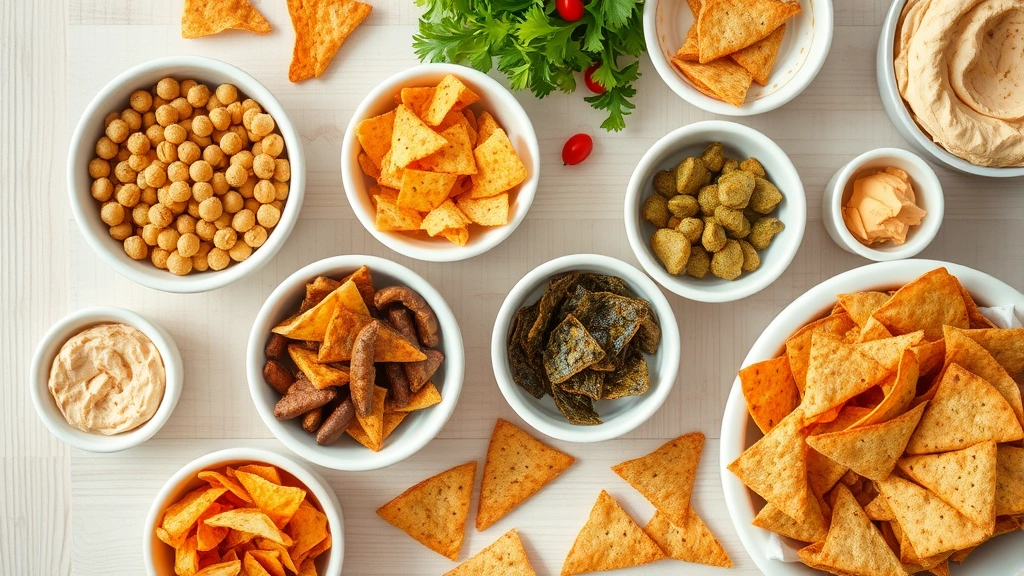
Best Healthy Chip Options
Several brands and varieties have earned recognition from nutrition professionals for offering better options without sacrificing taste:
- Chickpea Chips: These legume-based snacks typically contain 5-7 grams of protein per serving and 3-4 grams of fiber. They’re more satisfying than potato chips and keep blood sugar stable. Popular brands include Bada Bean Bada Boom and Biena.
- Lentil Chips: Lentil-based chips offer similar nutritional benefits to chickpea varieties, with excellent plant-based protein content. They work particularly well for those following vegetarian or vegan weight loss plans.
- Whole Grain Tortilla Chips: Made from whole grain corn or wheat, these offer more fiber and nutrients than traditional refined grain versions. Look for options with minimal added oils.
- Seaweed Snacks: Extremely low in calories (about 30 calories per serving) and high in minerals like iodine and calcium, seaweed chips provide satisfying crunch with minimal caloric impact.
- Vegetable Chips: Chips made from sweet potato, beet, kale, or other vegetables offer micronutrient benefits. Ensure they’re baked rather than fried and watch for added oils.
- Air-Popped Popcorn: While technically not a chip, air-popped popcorn offers a similar satisfying crunch at just 30 calories per cup with whole grain benefits.
- Homemade Kale or Zucchini Chips: Making your own chips allows complete control over ingredients and cooking methods, ensuring minimal oil and salt.
Portion Control Strategies
Even the healthiest chips can contribute to weight gain if consumed in excessive quantities. Implementing portion control strategies makes enjoying chips more compatible with weight loss goals:
- Pre-Portion Snacks: Instead of eating directly from the bag, portion chips into small bowls or snack containers. This creates a natural stopping point and prevents mindless overeating.
- Use Smaller Serving Vessels: Research shows that eating from smaller plates and bowls signals satiety faster. Use a small bowl or cup for your chip serving.
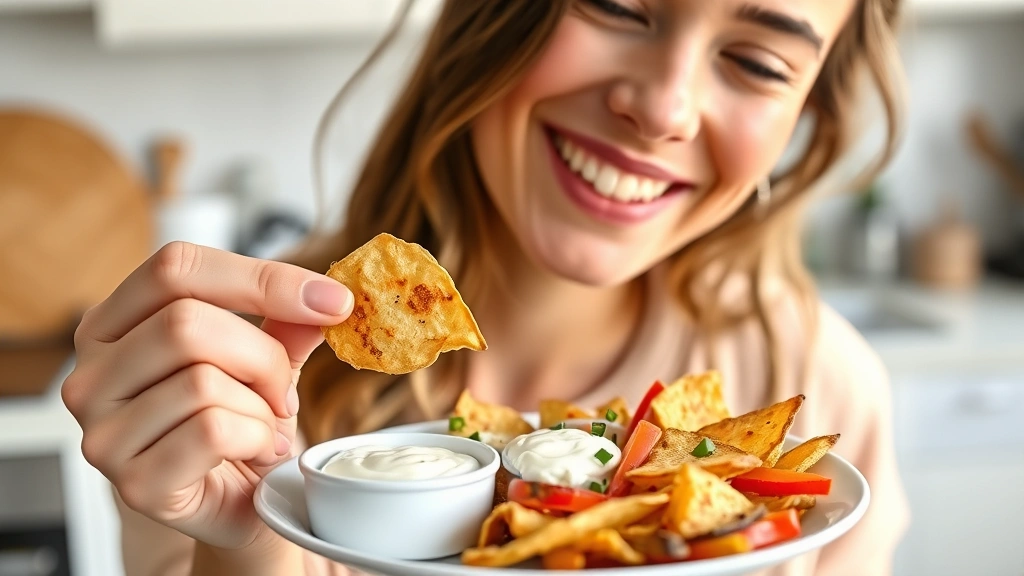
- Pair with Protein: Combine chips with hummus, Greek yogurt dip, or guacamole. The protein and healthy fats increase satiety and slow digestion, preventing blood sugar spikes.
- Set a Specific Time: Rather than snacking throughout the day, designate a specific snack time. This helps prevent grazing and keeps you mindful of consumption.
- Eat Slowly and Mindfully: Put the bag away after portioning. Chew thoroughly and savor each chip, which allows your brain adequate time to register fullness signals (typically 15-20 minutes).
- Track Your Intake: Logging snacks in a food tracking app helps you stay aware of calories and nutrients, supporting accountability.
Pairing Chips with Nutritious Foods
How you pair chips significantly impacts their nutritional value and satiety factor. Smart combinations transform chips from empty calories into balanced snacks:
Protein-Rich Dips: Hummus provides plant-based protein and fiber. Greek yogurt-based dips add probiotics and substantial protein. Bean-based dips like black bean or white bean varieties offer both protein and fiber. These dips increase the nutritional density of your snack while promoting fullness.
Healthy Fat Combinations: Guacamole or mashed avocado provides heart-healthy monounsaturated fats and potassium. Nut butters or tahini offer protein, healthy fats, and minerals. These additions slow digestion and provide sustained energy.
Vegetable Combinations: Fresh vegetables alongside chips increase overall nutrient intake and bulk. Cucumber slices, bell pepper strips, cherry tomatoes, or carrot sticks add vitamins, minerals, and fiber while reducing the proportion of chips in your snack.
This approach aligns with strategies used in comprehensive nutrition planning, where every food choice contributes positively to your health goals.
Comparing Calories and Nutrition
Understanding how different chip options compare helps you choose based on your specific goals and preferences:
Traditional Potato Chips: Approximately 150 calories, 10 grams of fat, 15 grams of carbs, and 2 grams of protein per ounce. Generally high in sodium and low in fiber.
Chickpea Chips: Approximately 120-140 calories, 5-7 grams of fat, 15-18 grams of carbs, 4-7 grams of protein per ounce. Superior protein and fiber content makes them more satiating.
Seaweed Chips: Approximately 30-40 calories per serving (about 5 sheets), minimal fat, 2-3 grams of carbs, 1 gram of protein. Excellent for those seeking minimal caloric impact.
Whole Grain Tortilla Chips: Approximately 130-150 calories, 6-8 grams of fat, 18-20 grams of carbs, 2-3 grams of protein per ounce. Better fiber content than traditional chips.
Research published in the CDC’s nutrition database emphasizes that snack choices significantly impact overall dietary quality and weight management success.
When to Avoid Chips
While healthy chips can fit into a weight loss plan, certain situations warrant avoiding them entirely:
- Binge Eating Triggers: If chips trigger uncontrolled eating episodes, it’s better to avoid them until you’ve developed stronger coping mechanisms. Regular exercise and stress management can help reduce emotional eating.
- During Initial Habit Formation: When first establishing new eating patterns, removing temptations can make the transition easier. Once new habits are solid, reintroducing foods becomes safer.
- High-Stress Periods: During times of significant stress, your willpower is depleted. Removing easy access to problematic foods can prevent stress-eating patterns.
- When Medications Affect Appetite: Certain medications increase hunger or cravings. During these periods, having chips readily available might undermine progress.
- Late-Night Eating: If you struggle with nighttime snacking, keeping chips out of the house prevents impulsive consumption when satiety signals are weakest.
The goal is creating an environment that supports your weight loss efforts while maintaining long-term sustainability. This isn’t about deprivation—it’s about strategic planning.
FAQ
Are baked chips better than fried chips for weight loss?
Baked chips are generally lower in calories and fat than fried varieties, making them a better option for weight loss. However, the difference is often smaller than expected—sometimes only 10-15% fewer calories. The more important factor is the chip’s base ingredient (whole grain, legume, or vegetable) and overall nutritional profile. A legume-based fried chip might be more nutritious than a baked refined grain chip due to higher protein and fiber content.
How many chips can I eat while losing weight?
This depends on your overall calorie goals and the specific chip variety. A reasonable serving is typically one ounce (about 23 potato chips or a small handful of larger chips), containing 100-150 calories. However, if you’re choosing nutrient-dense options like chickpea or lentil chips, you might enjoy slightly larger portions while staying within calorie targets. The key is portioning before eating and pairing with protein and vegetables.
Do healthy chips actually help with weight loss?
Healthy chips themselves don’t cause weight loss, but they can support it by satisfying cravings while fitting into a calorie deficit. Their value lies in helping you stick to your plan long-term. Chips with higher protein and fiber content are particularly beneficial because they increase satiety, potentially reducing overall calorie intake throughout the day. The most successful weight loss approach combines better food choices with regular physical activity and strength training.
What’s the best time to eat chips during the day?
Timing chips with other protein and fat sources optimizes satiety. Mid-afternoon snacking (around 3-4 PM) often works well when paired with protein-rich dips, as this prevents the energy dip many people experience and reduces evening cravings. Avoid eating chips when you’re already hungry or in an emotional state, as this increases the likelihood of overeating. Timing snacks around your exercise schedule can also optimize energy and recovery.
Can I eat chips every day while losing weight?
Yes, you can eat chips daily if they’re portioned appropriately and fit within your calorie and nutrient goals. Legume-based chips with high protein and fiber are ideal for daily consumption because they’re more nutritious and satisfying. However, ensure the rest of your diet is balanced with plenty of vegetables, lean proteins, and whole grains. Daily chip consumption works best when combined with mindful eating practices and regular physical activity.
Are store-bought healthy chips better than homemade?
Both options have advantages. Store-bought healthy chips offer convenience and consistent nutrition information. Homemade chips give you complete control over ingredients, cooking methods, and oil use. Making kale chips, zucchini chips, or sweet potato chips at home typically results in lower oil content than commercial versions. The best choice depends on your schedule and preferences—consistency matters more than the source.


