High Protein Meal Prep Tips: Nutritionist Approved Guide for Weight Loss
Meal prepping with a focus on high protein nutrition is one of the most effective strategies for sustainable weight loss. When you prepare protein-rich meals in advance, you eliminate impulsive food choices and ensure every meal supports your health goals. This evidence-based approach combines convenience with nutritional science, making it easier to stay consistent with your diet plan.
Whether you’re working with a weight loss specialist near me or managing your nutrition independently, high protein meal prep removes barriers to success. Protein increases satiety, boosts metabolism, and helps preserve lean muscle mass during weight loss—three critical factors that research consistently validates.
In this comprehensive guide, we’ll explore practical, nutritionist-approved strategies to transform your meal prep routine into a powerful weight loss tool. From planning and shopping to storage and execution, you’ll discover actionable tips that fit real life.
Why High Protein Meal Prep Works for Weight Loss
High protein nutrition represents a scientifically-supported pillar of effective weight management. According to research published by the Academy of Nutrition and Dietetics, protein intake significantly influences body composition outcomes and metabolic health during caloric restriction.
The thermic effect of protein means your body burns 20-30% of protein calories during digestion, compared to just 5-10% for carbohydrates and 0-3% for fats. This metabolic advantage directly supports weight loss efforts. Additionally, protein preserves muscle tissue—essential because muscle mass drives your resting metabolic rate. When you lose weight without adequate protein intake, you risk losing muscle along with fat.
Meal prepping amplifies these benefits by ensuring consistency. Rather than making impulsive decisions when hungry, you have ready-to-eat meals that align with your nutritional targets. This removes decision fatigue and the temptation to grab convenient but calorie-dense options.
Research from the CDC’s nutrition guidance emphasizes that structured meal planning improves adherence to dietary recommendations. When combined with high protein content, meal prep becomes particularly powerful for weight loss and maintenance.
Essential Equipment and Storage Solutions
Successful high protein meal prep requires minimal but strategic equipment. You don’t need expensive gadgets—focus on functionality and durability.
Essential items include:
- Quality food storage containers (glass or BPA-free plastic) in multiple sizes
- Sharp knives and cutting boards for efficient prep
- Measuring cups and a kitchen scale for portion accuracy
- Slow cooker or instant pot for hands-off cooking
- Sheet pans for batch roasting proteins and vegetables
- Freezer-safe bags for portioning and storing
- Labels and a marker to track prep dates
Storage matters significantly for food safety and meal quality. Glass containers preserve food better than plastic and won’t retain odors or stains. Invest in containers with secure lids that seal properly—this extends freshness and prevents refrigerator odors from contaminating your meals.
Most properly stored, high-protein meals last 3-4 days in the refrigerator. For longer storage, freeze portions in individual containers. Frozen meals maintain quality for 2-3 months, giving you flexibility and backup options for busy weeks.
Strategic Meal Planning and Shopping
Effective meal prep begins with intentional planning. Before shopping, establish your weekly goals: how many meals do you need, what’s your target protein intake per meal, and what cuisines or flavors appeal to you?
Planning strategy:
- Choose 2-3 protein sources for the week (chicken, ground turkey, fish, Greek yogurt, tofu, legumes)
- Select 3-4 vegetables to prep and include in multiple meals
- Identify 2-3 complex carbohydrate bases (brown rice, sweet potato, quinoa)
- Plan flavor profiles and sauces to prevent monotony
- List all ingredients needed, organized by store section
Shopping strategically reduces costs and food waste. Buy proteins on sale and freeze what you won’t use immediately. Choose seasonal vegetables for better prices and quality. Buying in bulk—from rice to canned beans—decreases per-serving costs substantially.
If you’re working with a best weight loss center near me, many offer meal planning consultations that align with your specific caloric and macronutrient targets.
Protein-Rich Food Choices and Portions
Not all proteins are equal nutritionally, though all support weight loss when portioned appropriately. Understanding protein density helps you make informed choices.
Lean protein sources (preferred for weight loss):
- Poultry: Chicken breast (31g protein per 100g), turkey breast (29g protein per 100g)
- Fish: Salmon (25g protein, omega-3 fats), cod (20g protein, minimal fat), tilapia (26g protein)
- Lean beef: Ground sirloin (22g protein per 100g), sirloin steak (26g protein per 100g)
- Eggs: Whole eggs (6g protein each) or egg whites (3.6g protein, zero fat)
- Greek yogurt: Plain, non-fat varieties (10g protein per 100g, minimal calories)
- Cottage cheese: Low-fat versions (11g protein per 100g)
- Plant-based: Tofu (15g protein per 100g), tempeh (19g protein per 100g), lentils (9g protein per cooked cup)
Standard portion guidance: aim for 25-35g of protein per meal for most adults. This amount provides satiety without excess calories. If you’re particularly active or working with a weight loss specialist, your needs may be higher.
When considering protein shakes for weight loss, use them as supplements to whole food meals, not replacements. Whole proteins offer fiber, micronutrients, and greater satiety.
Step-by-Step Meal Prep Process
A systematic approach makes meal prep efficient and sustainable. Set aside 2-3 hours on your chosen prep day—typically Sunday or another quiet day.
Step 1: Prepare Your Workspace
Gather all ingredients, equipment, and containers. Clean your workspace thoroughly. This organization prevents cross-contamination and maintains efficiency.
Step 2: Cook Proteins in Bulk
Start with proteins since they take longest. Bake chicken breasts at 375°F for 20-25 minutes, grill fish, slow-cook ground turkey, or boil eggs. Cooking proteins completely ensures safety and allows proper portioning.
Step 3: Roast or Steam Vegetables
While proteins cook, prepare vegetables. Roasting vegetables like broccoli, Brussels sprouts, and bell peppers at 425°F for 20-25 minutes adds flavor and texture. Steaming is faster but less flavorful. Prep raw vegetables like cucumber, tomatoes, and leafy greens separately to maintain crispness.
Step 4: Cook Complex Carbohydrates
Prepare rice, quinoa, or sweet potatoes according to package directions. These store well and provide sustained energy alongside your protein intake.
Step 5: Prepare Sauces and Seasonings
Mix marinades, dressings, or sauces. Keeping these separate prevents sogginess. Store dressings in small containers to add just before eating.
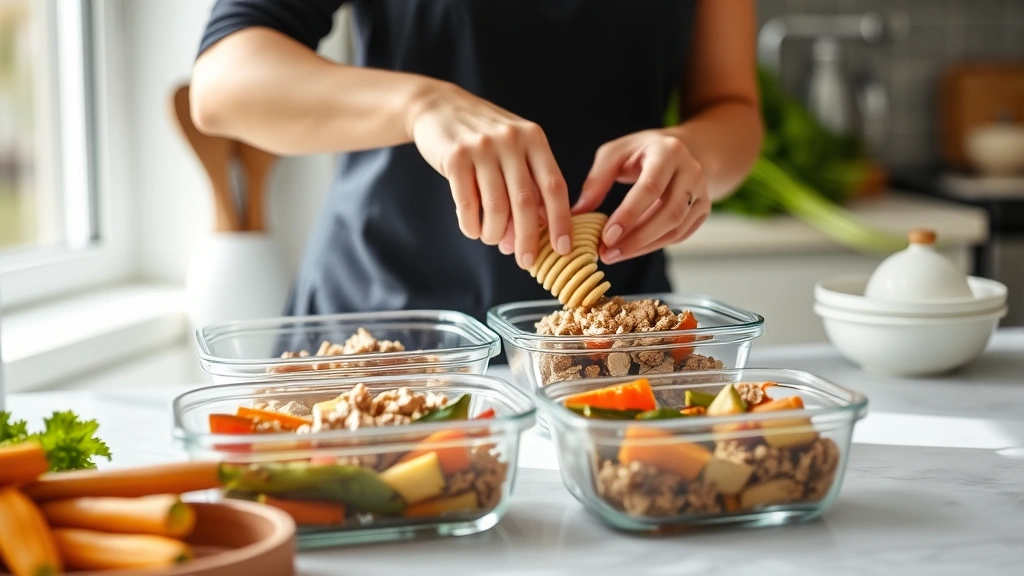
Step 6: Assemble and Portion
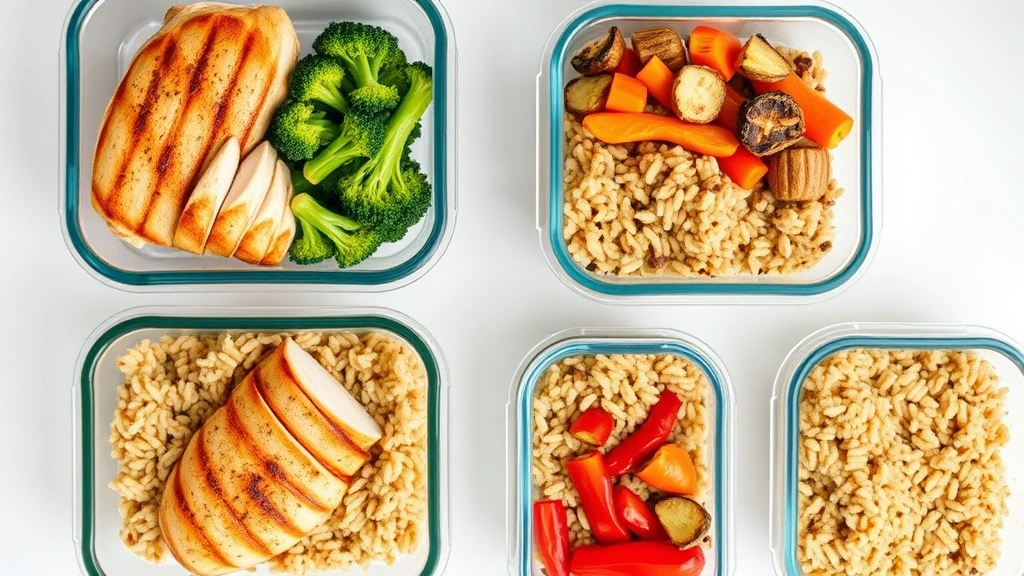
Once everything cools slightly, assemble meals in containers. A typical balanced meal includes: one protein portion, one or two vegetable servings, and one complex carbohydrate serving. This ratio ensures adequate protein while maintaining overall caloric balance.
Step 7: Label and Store
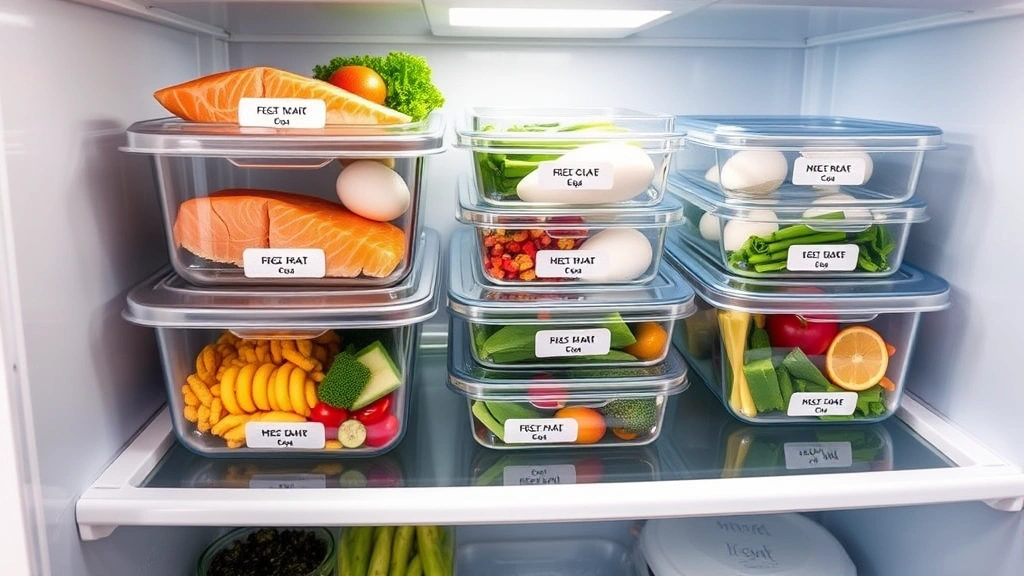
Label each container with contents and date prepared. Refrigerate meals you’ll eat within 3-4 days; freeze the rest. Proper labeling prevents food waste and maintains food safety.
Budget-Friendly High Protein Strategies
Weight loss shouldn’t require spending excessive money on specialty foods. Strategic choices keep costs low while maintaining nutrition.
Cost-effective protein sources:
- Eggs (cheapest complete protein per gram)
- Canned tuna and salmon (shelf-stable, affordable, 20-25g protein per can)
- Frozen chicken breasts (often cheaper than fresh, freeze additional portions)
- Ground turkey (typically less expensive than ground beef)
- Dried beans and lentils (pennies per serving, 8-10g protein per cooked cup)
- Greek yogurt (buy large containers and portion yourself)
- Peanut butter (7g protein per 2 tablespoons, though calorie-dense)
Shopping strategies that reduce costs include buying proteins in bulk, choosing store brands, shopping sales cycles, and purchasing seasonal produce. Frozen vegetables are equally nutritious and often cheaper than fresh while reducing waste.
Incorporating legumes and plant-based proteins dramatically reduces costs. A cup of cooked lentils provides 18g of protein for under a dollar, making them budget champions for high-protein meal prep.
Variety and Flavor Without Added Calories
The primary reason people abandon meal prep is monotony. Strategic variety keeps your plan sustainable and enjoyable.
Flavor-building techniques using zero or minimal calories:
- Spices and herbs: Garlic powder, paprika, cumin, Italian seasoning, curry powder add complexity without calories
- Acid elements: Lemon juice, lime juice, vinegar brighten flavors and aid digestion
- Hot sauce: Most varieties contain 0-5 calories per tablespoon while adding significant flavor
- Marinades: Soy sauce, balsamic vinegar, and mustard-based marinades add taste with minimal calories
- Cooking methods: Grilling, roasting, and pan-searing create more complex flavors than boiling
- Texture variation: Combine soft and crunchy elements to increase satisfaction
Plan different cuisines throughout the week: Mediterranean on Monday, Asian-inspired Tuesday, Mexican Wednesday. This variety prevents boredom while maintaining your high-protein focus.
When exploring options like best frozen meals for weight loss, compare protein content and added sodium. Homemade meal prep typically offers better macronutrient control than commercial options.
Combining Meal Prep with Professional Support
While high-protein meal prep is powerful independently, combining it with professional guidance optimizes results. Weight loss specialist near me services can personalize your meal prep strategy based on your metabolism, health conditions, and weight loss goals.
Registered dietitians can assess your nutritional needs and create meal prep plans aligned with your specific caloric targets. The Academy of Nutrition and Dietetics offers resources for finding credentialed professionals in your area.
Some individuals benefit from medical interventions alongside lifestyle changes. If you’re exploring options like tirzepatide dosing for weight loss, a comprehensive approach combining medication with high-protein meal prep and professional support yields optimal outcomes.
After achieving weight loss success, how to maintain weight loss: effective strategies for long-term success becomes essential. High-protein meal prep adapts seamlessly from weight loss to maintenance phases, making it a sustainable long-term habit.
FAQ
How much protein should I eat daily for weight loss?
Most research supports 0.7-1.0 grams of protein per pound of body weight during weight loss. For a 180-pound person, this means 126-180g daily, distributed across 4-5 meals. Your specific needs depend on activity level, age, and metabolism. A registered dietitian can provide personalized recommendations.
Can I meal prep for the entire week?
You can prep for 4-5 days comfortably, as most refrigerated meals maintain quality during this timeframe. For longer periods, freeze portions. Alternatively, prep twice weekly for maximum freshness. Some people prep proteins and vegetables, then assemble meals daily for optimal freshness.
What’s the best way to reheat prepped meals?
Microwave reheating works well for most meals—usually 2-3 minutes for refrigerated portions. Alternatively, reheat on the stovetop with a splash of water to maintain moisture. Avoid repeatedly heating meals, as this degrades protein quality and nutrient content.
How do I prevent meals from becoming boring?
Rotate proteins, cuisines, and flavor profiles weekly. Prepare sauces and dressings separately to add just before eating. Experiment with different spice blends and cooking methods. Having 3-4 different meal combinations throughout the week maintains interest and adherence.
Is high-protein meal prep suitable for vegetarians?
Absolutely. Plant-based proteins including tofu, tempeh, legumes, Greek yogurt, and cottage cheese provide substantial protein. Combining complementary proteins (legumes with grains) ensures complete amino acid profiles. Many vegetarians successfully use high-protein meal prep for weight loss.
Can I prep high-protein meals on a tight budget?
Yes. Eggs, canned fish, frozen poultry, dried legumes, and Greek yogurt offer excellent protein-to-cost ratios. Buying in bulk, choosing store brands, and incorporating plant-based proteins significantly reduces expenses while maintaining nutritional quality.
How should I store prepped meals to maintain safety?
Cool cooked foods to room temperature before refrigerating. Use airtight containers and store at 40°F or below. Refrigerated meals last 3-4 days; freeze for longer storage. Always label with preparation date. Thaw frozen meals in the refrigerator, never at room temperature.


