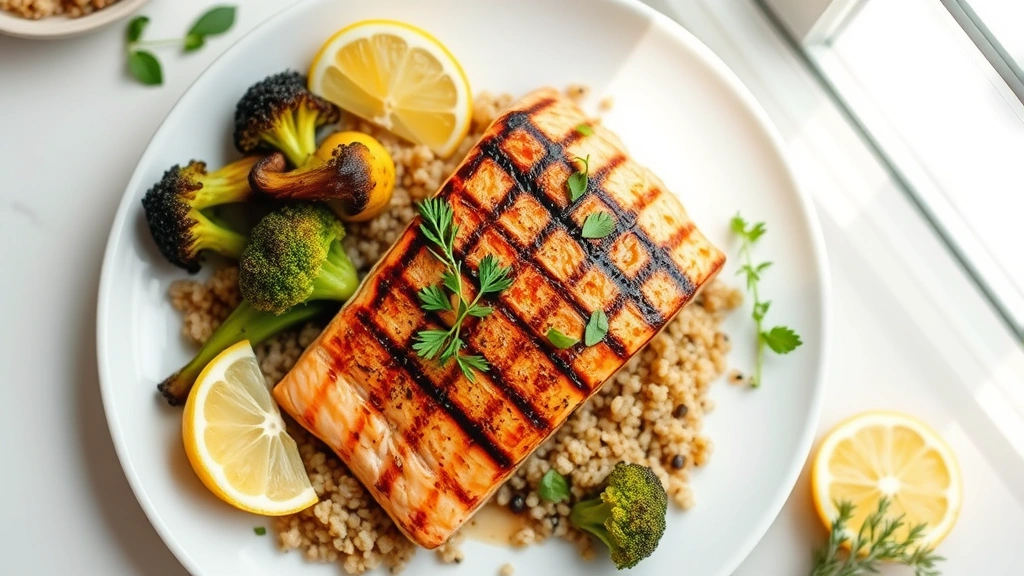
High Protein Recipes for Weight Loss: Chef-Approved Meals That Actually Taste Good
When most people think about weight loss, they imagine bland chicken breasts and sad salads. But the truth is, high protein recipes for weight loss can be absolutely delicious—and they don’t require you to sacrifice flavor for results. The key lies in understanding how protein supports your weight loss goals while keeping you satisfied, energized, and genuinely excited about your meals.
Protein is one of the most powerful nutrients for weight management because it increases satiety, boosts metabolism, and helps preserve lean muscle mass during a caloric deficit. When you combine these benefits with chef-approved cooking techniques and flavorful ingredients, you create meals that support your goals and your taste buds. This guide will walk you through everything you need to know about incorporating high protein recipes into your weight loss journey, complete with practical recipes and expert tips.
Why Protein Matters for Weight Loss
Before diving into recipes, it’s important to understand the science behind protein’s role in weight management. Protein intake fundamentally changes how your body processes food and manages hunger. Unlike carbohydrates and fats, protein has the highest thermic effect, meaning your body burns more calories digesting it—up to 30% of the protein calories you consume.
Research from the National Institutes of Health consistently shows that higher protein diets support greater weight loss and better body composition outcomes. When you eat adequate protein, your body maintains muscle mass even in a caloric deficit, which is crucial because muscle tissue burns more calories at rest than fat tissue.
Additionally, protein stabilizes blood sugar levels and reduces ghrelin—the hormone that triggers hunger. This means you’ll experience fewer cravings and feel satisfied longer between meals. The combination of these factors makes maintaining muscle while losing fat significantly easier when you prioritize protein-rich meals.
Breakfast Recipes to Start Your Day Right
Greek Yogurt Parfait with Berries and Almonds
Start your morning with 1.5 cups of plain, non-fat Greek yogurt (20g protein), layered with fresh blueberries, blackberries, and raspberries. Top with 1 ounce of sliced almonds and a drizzle of raw honey. This combination delivers approximately 28 grams of protein while keeping calories around 250. The natural probiotics in Greek yogurt support digestive health, and the berries provide antioxidants that combat exercise-induced inflammation.
Veggie-Packed Egg White Scramble
Whisk together 4 egg whites with 1 whole egg, then cook in a non-stick pan with 1 cup of spinach, ½ cup diced bell peppers, and ¼ cup diced mushrooms. Season with black pepper, garlic powder, and fresh herbs. This recipe provides 18 grams of protein and roughly 150 calories. The vegetables add volume and nutrients without significant calorie increase, helping you feel fuller on fewer calories.
High-Protein Oatmeal
Combine ½ cup dry old-fashioned oats with 1 cup unsweetened almond milk and cook according to package directions. Stir in 1 scoop of vanilla protein powder (25g protein) and top with cinnamon and 1 tablespoon of natural almond butter. This warming breakfast delivers 35 grams of protein and keeps you satisfied through mid-morning. The combination of complex carbs and protein provides sustained energy for your workout or workday.
Lunch Ideas That Keep You Full
Grilled Chicken Breast with Quinoa and Roasted Vegetables
Season a 6-ounce chicken breast with paprika, cumin, and lime juice, then grill until golden (35g protein). Serve alongside ¾ cup cooked quinoa and 2 cups of roasted vegetables like broccoli, zucchini, and sweet potato. This meal totals approximately 450 calories and 42 grams of protein. The combination of lean protein, complete protein grain, and fiber-rich vegetables creates a balanced meal that sustains energy and hunger control throughout your afternoon.
Turkey and Veggie Lettuce Wraps
Use large iceberg or butter lettuce leaves as wraps for 4 ounces of ground turkey breast (26g protein) seasoned with ginger, garlic, and low-sodium soy sauce. Add shredded carrots, cucumber, and fresh mint. Drizzle with a light sesame-ginger dressing made from 1 tablespoon sesame oil, 1 tablespoon rice vinegar, and spices. This light lunch comes in around 280 calories with 32 grams of protein, making it perfect for those days when you want something refreshing without feeling heavy.
Salmon Power Bowl
Bake a 5-ounce salmon fillet (32g protein) and serve over 1 cup of mixed greens with ½ cup cooked brown rice, avocado slices, cucumber, and cherry tomatoes. Dress with lemon juice and a touch of olive oil. Salmon provides omega-3 fatty acids that reduce inflammation and support heart health—crucial during weight loss when your cardiovascular system is working hard. This meal delivers balanced macronutrients and approximately 420 calories.

Dinner Recipes That Satisfy
Lean Beef and Broccoli Stir-Fry
Use 6 ounces of lean sirloin steak (42g protein) sliced thin and cooked quickly in a hot wok with 3 cups of fresh broccoli florets, garlic, and ginger. Season with low-sodium soy sauce and a touch of sesame oil. Serve over ½ cup of brown rice or cauliflower rice. This dinner is restaurant-quality delicious while remaining aligned with your weight loss goals. The quick cooking method preserves nutrients, and the high protein content supports muscle recovery if you’ve trained that day.
Baked Cod with Herbs and Lemon
Season a 7-ounce cod fillet (38g protein) with fresh dill, thyme, lemon zest, and black pepper. Bake at 400°F for 12-15 minutes alongside roasted asparagus and a side salad dressed with balsamic vinegar. Cod is an exceptional choice for weight loss because it’s extremely lean and provides complete protein with minimal fat. This meal comes in around 280 calories and proves that healthy eating doesn’t mean boring eating.
Turkey Meatball Marinara with Zucchini Noodles
Combine 1 pound ground turkey breast with minced garlic, Italian breadcrumbs, egg white, and Italian seasoning to form 12 meatballs. Bake at 375°F for 20 minutes, then simmer in low-sugar marinara sauce. Serve over 3 cups of spiralized zucchini noodles (about 4g carbs). Six meatballs provide 36 grams of protein in approximately 320 calories. This recipe satisfies cravings for comfort food while keeping you in a caloric deficit. You can batch-cook these meatballs and freeze them for quick weeknight dinners.
Grilled Shrimp Skewers with Quinoa Tabbouleh
Thread 8 ounces of large shrimp (28g protein) onto skewers with bell peppers and red onions, brush with olive oil, garlic, and paprika, then grill until pink and cooked through. Serve with a tabbouleh made from 1 cup cooked quinoa, diced cucumber, tomato, fresh parsley, and lemon-olive oil dressing. Shrimp cooks quickly, making this an excellent option for busy weeknights. The meal totals around 380 calories with impressive protein content.
Snacks and Sides to Support Your Goals
High-protein snacking prevents the energy crashes that lead to poor food choices. Keep these options readily available:
- Protein-Packed Hummus and Veggies: Blend 1 can chickpeas with tahini, lemon juice, and garlic for a homemade hummus (6g protein per ¼ cup). Serve with bell pepper strips, carrots, and cucumber. This snack combines plant-based protein with satisfying crunch.
- Cottage Cheese Bowl: Mix ½ cup low-fat cottage cheese (14g protein) with fresh berries and a sprinkle of granola. This classic combination provides sustained satiety and works as either a snack or light breakfast.
- Protein Smoothie: Blend 1 scoop protein powder (25g protein), 1 cup unsweetened almond milk, ½ banana, and 1 tablespoon almond butter for a portable snack around 220 calories. Smoothies are convenient post-workout options when whole foods aren’t practical.
- String Cheese and Apple: One low-fat string cheese (7g protein) paired with one medium apple creates a balanced snack around 150 calories that combines protein, fiber, and natural sweetness.
- Roasted Chickpeas: Toss canned chickpeas with olive oil, paprika, and garlic powder, then roast at 400°F for 25 minutes until crispy. This crunchy snack delivers 12 grams of protein per cup and satisfies chip cravings.
For sides, consider roasted Brussels sprouts with balsamic vinegar, cauliflower rice stir-fried with ginger and garlic, or a simple green salad with olive oil and vinegar dressing. These additions increase meal volume and nutrient density without significantly impacting calories.
Chef Tips for Flavorful Protein Cooking
Professional chefs understand that flavor comes from technique and seasoning, not fat and calories. Here are their proven strategies:
Master Dry Heat Cooking Methods
Grilling, baking, and pan-searing create flavorful crusts on proteins through the Maillard reaction—a chemical process that develops complex flavors. Use a hot pan or grill, pat your protein dry, season generously, and resist the urge to move it constantly. This technique works beautifully for chicken, fish, beef, and turkey.
Build Flavor Layers with Spices and Herbs
Rather than relying on heavy sauces, use spice blends and fresh herbs to create depth. Experiment with cumin, paprika, and chili powder for Mexican-inspired dishes; Italian herbs and garlic for Mediterranean flavors; or ginger, garlic, and low-sodium soy sauce for Asian-inspired meals. Fresh herbs added at the end of cooking provide bright, vibrant flavors without extra calories.
Use Acidic Ingredients Strategically
Lemon juice, lime juice, vinegar, and tomatoes brighten flavors and make dishes taste more satisfying. A squeeze of fresh lemon on grilled fish or a balsamic reduction on lean beef transforms simple preparations into restaurant-quality meals. Acids also aid digestion and help your body absorb certain nutrients.
Marinate for Maximum Flavor and Tenderness
Marinating lean proteins for 30 minutes to several hours infuses flavor and helps tenderize tougher cuts. Create marinades from citrus juice, vinegar, olive oil, garlic, and herbs. This technique is particularly effective for chicken and lean beef, making them more forgiving to cook and more enjoyable to eat.
Incorporate Umami Flavors
Umami—the savory fifth taste—comes from ingredients like mushrooms, tomatoes, aged cheeses, and low-sodium soy sauce. Adding umami-rich ingredients to your high-protein meals increases satisfaction, which research shows helps with long-term adherence to eating plans that support weight loss.
Building Your Weekly Meal Plan
Success with high protein recipes for weight loss comes from planning. Here’s how to structure your week:
Sunday Preparation Strategy
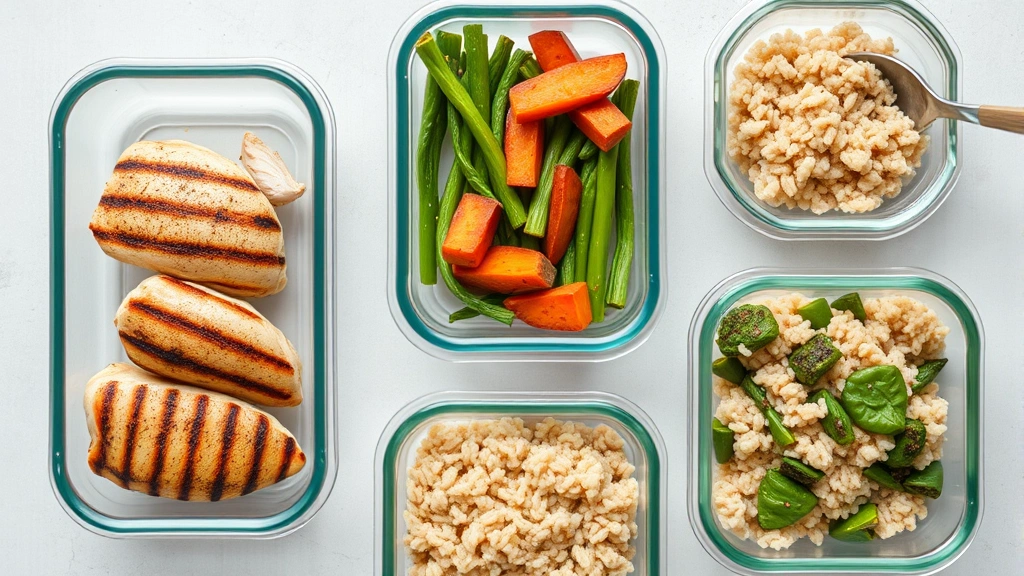
Dedicate 2-3 hours on Sunday to batch cooking. Grill 4-5 chicken breasts, bake several salmon fillets, cook a large batch of ground turkey, and prepare 2-3 cups of quinoa or brown rice. Roast 4-5 cups of mixed vegetables. Store these components in glass containers. Throughout the week, mix and match these prepared items with different seasonings and sides to create variety without additional cooking time.
Create a Rotating Schedule
Plan your week with one protein focus per day: Monday (chicken), Tuesday (fish), Wednesday (turkey), Thursday (beef), and Friday (shrimp). This approach prevents meal boredom while ensuring you benefit from the unique nutritional profiles of different proteins. Variety also ensures you get a complete spectrum of amino acids and micronutrients.
Balance Your Macronutrients
Aim for 25-35 grams of protein per meal and 10-15 grams per snack. Pair proteins with complex carbohydrates for energy and fiber, and include healthy fats for hormone production and nutrient absorption. A balanced plate typically looks like: ½ plate vegetables, ¼ plate lean protein, ¼ plate whole grains or starchy vegetables, and a thumb-sized portion of healthy fat.
Maintain Flexibility for Real Life
Life happens. Restaurant dinners, social events, and unexpected schedule changes occur. Rather than abandoning your plan, focus on protein at each meal regardless of circumstances. Ordering grilled chicken at a restaurant, choosing eggs at brunch, or having a protein shake when plans change keeps you on track without requiring perfection.
Understanding effective strategies for maintaining weight loss includes recognizing that sustainable eating patterns are more important than short-term perfection. High protein recipes work best when they fit your lifestyle and preferences.
For those incorporating strength training into their weight loss approach, combining exercise with high-protein nutrition creates optimal conditions for fat loss while preserving muscle. Progressive resistance training paired with adequate protein intake ensures the weight you lose comes primarily from fat rather than muscle tissue.
Tracking your progress objectively helps maintain motivation. Monitoring body measurements and progress photos often reveals changes that the scale doesn’t capture, especially when you’re building muscle while losing fat through strength training combined with high-protein nutrition.
The recipes and strategies in this guide represent just the beginning of your high-protein weight loss journey. The most important factor is finding preparations and flavor combinations you genuinely enjoy, because sustainable weight loss comes from eating in a way you can maintain long-term. These chef-approved recipes prove that losing weight doesn’t mean sacrificing delicious food—it means cooking smarter.
FAQ
How much protein do I need daily for weight loss?
Most research suggests 0.7-1 gram of protein per pound of body weight, or approximately 25-35 grams per meal. The exact amount depends on your body composition, activity level, and personal goals. Working with a registered dietitian can help determine your specific needs, but starting with these ranges typically supports both weight loss and muscle preservation.
Are high-protein recipes more expensive?
While some premium proteins cost more, budget-friendly options like eggs, canned fish, ground turkey, and beans provide excellent protein at lower prices. Buying in bulk, choosing sales, and incorporating plant-based proteins alongside animal proteins helps manage costs. The investment in quality nutrition often saves money long-term through improved health and reduced medical expenses.
Can vegetarians get enough protein from high-protein recipes?
Absolutely. Eggs, Greek yogurt, cottage cheese, legumes, quinoa, nuts, seeds, and plant-based protein powders provide complete or complementary proteins. Combining different plant-based proteins throughout the day ensures you get all essential amino acids. Many of the recipes in this guide can be adapted by substituting plant-based proteins for animal sources.
How do I prevent boredom with high-protein meals?
Use different cooking methods (grilling, baking, stir-frying, slow-cooking), vary your seasonings and cuisines, and rotate through different protein sources. Meal prep components rather than entire meals so you can create different combinations. Following food blogs and cookbooks focused on healthy cooking provides endless inspiration.
Should I use protein supplements?
Whole foods should form the foundation of your nutrition, but protein supplements like powders and bars offer convenience for busy days, post-workout recovery, or when whole food isn’t available. They’re tools to help you meet your protein goals, not replacements for real food. Choose options with minimal added sugars and artificial ingredients.
Do high-protein recipes work for weight loss without exercise?
Protein supports weight loss through increased satiety and metabolism regardless of exercise. However, combining high-protein nutrition with resistance training produces superior results for body composition because it preserves muscle mass while you lose fat. Even without formal exercise, adequate protein helps you feel fuller longer, making a caloric deficit more sustainable.


