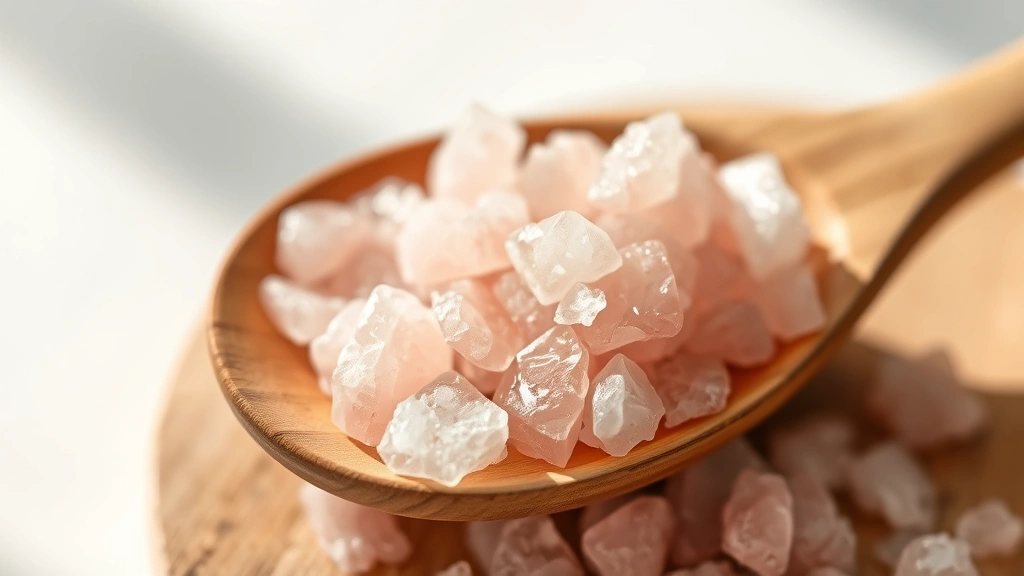
Himalayan Salt for Weight Loss? Expert Insights on Claims vs. Science
Himalayan pink salt has become a wellness darling, with enthusiasts claiming it supports weight loss, boosts metabolism, and offers superior health benefits compared to regular table salt. From trendy salt lamps in yoga studios to pink-hued seasoning in health-conscious kitchens, this mineral-rich salt has captured consumer attention. But does Himalayan salt actually help you lose weight, or is it marketing magic? This comprehensive guide examines the scientific evidence, separates fact from fiction, and explains how salt affects your body composition and health goals.
The weight loss industry thrives on the promise of simple solutions—one ingredient that will transform your body and health. Himalayan salt marketing often taps into this desire, suggesting its unique mineral profile can enhance metabolism and facilitate fat loss. However, understanding salt’s actual role in weight management requires looking beyond marketing claims to peer-reviewed research and nutritional science. Whether you’re tracking calories with weight loss and fitness apps or planning a comprehensive dietary approach, salt intake deserves careful consideration.

What Is Himalayan Salt and Why the Hype?
Himalayan pink salt comes from ancient salt deposits in the Punjab region of Pakistan, near the Himalayas. Mined from crystalline rock formations believed to be 250 million years old, this salt contains sodium chloride (97%) plus trace minerals including potassium, magnesium, calcium, and iron. The distinctive pink color comes from iron oxide and other mineral compounds.
Marketing narratives claim Himalayan salt provides superior health benefits because of these trace minerals. Weight loss promoters suggest it can increase metabolism, reduce appetite, improve digestion, and even balance electrolytes more effectively than conventional salt. Some wellness influencers recommend consuming Himalayan salt water (sole) first thing in the morning to “detoxify” and boost metabolism. These claims have created a multi-million dollar market for Himalayan salt products, from gourmet seasoning to salt lamps and supplements.
However, the mineral content that makes Himalayan salt appealing also requires scrutiny. The trace minerals present in quantities so small they contribute negligibly to daily nutritional requirements. A typical serving of Himalayan salt contains minerals in amounts far below recommended daily intakes, making the “superfood” designation questionable from a nutritional standpoint.

The Mineral Myth: Does Composition Matter for Weight Loss?
One core claim about Himalayan salt centers on its mineral superiority. Proponents argue that trace minerals like potassium and magnesium support metabolism and weight loss. While these minerals are genuinely important for health, the quantity present in Himalayan salt is insufficient to meaningfully impact your body’s mineral status or metabolic function.
Consider potassium: a teaspoon of Himalayan salt contains approximately 200-300 mg of potassium, while the recommended daily intake for adults is 2,600-3,400 mg. You would need to consume 10-15 teaspoons of Himalayan salt daily just to meet potassium requirements—an amount that would provide dangerous levels of sodium. This makes Himalayan salt an inefficient source of these minerals. Whole foods like bananas, spinach, sweet potatoes, and beans deliver these minerals in meaningful quantities without excessive sodium.
Magnesium, another mineral featured in Himalayan salt marketing, appears in trace amounts. While magnesium does play a role in metabolic function and muscle performance, getting adequate magnesium through Himalayan salt is impractical. The mineral content simply doesn’t support the weight loss claims marketed around this product.
Research from the National Center for Biotechnology Information demonstrates that mineral supplementation alone—without addressing calorie intake and overall lifestyle—does not produce meaningful weight loss. Any metabolic benefit would come from the minerals themselves, not specifically from their presence in Himalayan salt form.
Salt’s True Role in Weight Management
To understand whether Himalayan salt supports weight loss, we must examine salt’s actual physiological role. Sodium is essential for nerve function, muscle contraction, and fluid balance. However, excess sodium intake is associated with health concerns including elevated blood pressure, increased cardiovascular disease risk, and fluid retention.
The weight loss connection to salt is indirect and often misunderstood. High sodium intake causes your body to retain water to maintain osmotic balance. This creates temporary weight gain on the scale—not from fat, but from fluid. When people reduce sodium intake, they often lose 1-3 pounds of water weight initially. This is not fat loss, though it may appear encouraging on the scale.
Conversely, some weight loss protocols deliberately manipulate sodium intake before events (like bodybuilding competitions) to reduce water retention temporarily. This practice demonstrates salt’s effect on water retention, but it has no bearing on sustainable fat loss or long-term weight management.
The critical point for weight loss is that salt itself contains zero calories. Whether you use Himalayan salt, table salt, or sea salt, sodium provides no energy. Weight loss fundamentally depends on creating a calorie deficit through reduced intake and increased expenditure. Understanding how to calculate daily calorie needs is far more relevant to weight loss than choosing premium salt varieties.
Sodium and Water Retention: The Weight Loss Connection
The relationship between sodium intake and water retention creates confusion in weight loss discussions. High sodium consumption increases water retention because sodium is osmotically active—it draws water into your bloodstream to maintain proper electrolyte concentration. This effect is temporary and reverses when sodium intake normalizes.
Some weight loss enthusiasts believe that Himalayan salt, despite being sodium chloride, somehow avoids this water-retention effect because of its mineral content. This is biochemically inaccurate. The sodium in Himalayan salt functions identically to sodium in table salt at the physiological level. The trace minerals present cannot override sodium’s osmotic effects.
For sustainable weight loss, moderate sodium intake (2,300 mg daily according to CDC guidelines) supports both water balance and cardiovascular health. Excessive sodium from any source—Himalayan salt included—promotes water retention and may undermine weight loss efforts by making progress on the scale appear slower than actual fat loss.
The practical implication: if you’re trying to lose weight, controlling total sodium intake matters more than the salt source. Whether you use pink Himalayan salt or white table salt, consuming excessive amounts will produce similar water retention effects.
Metabolism, Thyroid Function, and Salt
Some Himalayan salt promoters claim it supports thyroid function and metabolic rate, suggesting these effects facilitate weight loss. This claim warrants examination. The thyroid does require adequate iodine for hormone production, and iodine deficiency can slow metabolism. However, this connection doesn’t support Himalayan salt as a weight loss aid.
Most Himalayan salt contains little to no iodine naturally. Table salt in developed countries is typically iodized—fortified with iodine—specifically to prevent deficiency and support thyroid health. If thyroid function is your concern, iodized table salt or foods like seaweed and fish provide more reliable iodine sources than Himalayan salt.
Research on salt intake and metabolic rate shows that adequate—not excessive—sodium supports normal thyroid function. However, improving metabolic rate for weight loss depends primarily on muscle mass, physical activity, and overall calorie balance, not on salt choice or type.
Studies published in peer-reviewed nutrition journals demonstrate that metabolic differences between salt types are negligible. The source of sodium doesn’t meaningfully affect thyroid function or metabolic rate if overall iodine intake is adequate.
Himalayan Salt vs. Regular Table Salt
A common question asks whether Himalayan salt is “healthier” than table salt. From a weight loss perspective, the answer is nuanced. Both contain sodium chloride as their primary component. The differences lie in processing and mineral content.
Table salt: Refined and often treated with anti-caking agents. Usually iodized in developed countries. Highly processed but provides reliable iodine.
Himalayan salt: Minimally processed, retaining trace minerals. Contains no added iodine. Aesthetically appealing but offers minimal nutritional advantage over table salt.
Sea salt: Evaporated from seawater, contains trace minerals and sometimes iodine naturally. Similar sodium content to other salts.
For weight loss specifically, none of these options has a metabolic advantage. The choice between them should consider iodine content (favoring iodized salt for thyroid health) and personal preference. Some people prefer Himalayan salt’s taste or aesthetics, which is a valid reason to choose it—but not a weight loss reason.
The mineral content differences are so minimal that they’re nutritionally irrelevant. A 2022 analysis in the Journal of Nutrition and Metabolism found that trace mineral quantities in specialty salts contribute less than 1% of daily requirements for most minerals, making them negligible in nutritional calculations.
Safe Salt Intake for Weight Loss Goals
For sustainable weight loss, sodium intake should be moderate and consistent. The American Heart Association recommends limiting sodium to 2,300 mg daily, with an ideal limit of 1,500 mg for some populations. Most Americans exceed these recommendations significantly, consuming 3,400-3,600 mg daily.
Excessive sodium intake from any source—including Himalayan salt—can:
- Increase water retention and bloating
- Elevate blood pressure
- Increase cardiovascular disease risk
- Potentially increase appetite and cravings
- Interfere with weight loss progress on the scale
For weight loss success, focus on reducing overall sodium intake rather than switching salt types. This means limiting processed foods (which account for 70-75% of dietary sodium), monitoring added salt in cooking, and being mindful of condiments and sauces.
When you do use salt—whether Himalayan, table, or sea salt—aim for consistency and moderation. Using Himalayan salt while consuming high-sodium processed foods provides no weight loss benefit. The total sodium intake determines physiological effects, not the salt’s origin or mineral content.
Some weight loss protocols, particularly those emphasizing weight loss and weight training, recommend moderate sodium intake to support muscle function and hydration during exercise. This is valid—adequate sodium supports athletic performance and recovery.
Practical Strategies for Healthy Salt Consumption
Rather than pursuing weight loss through salt selection, focus on evidence-based strategies that actually drive results:
- Reduce processed food consumption: Most dietary sodium comes from packaged foods, restaurant meals, and condiments. Cooking at home with whole ingredients gives you control over sodium content.
- Read nutrition labels: Identify high-sodium products and choose lower-sodium alternatives when available. Many products have reduced-sodium versions.
- Use herbs and spices: Season food with garlic, lemon juice, herbs, and spices instead of relying on salt for flavor. This reduces sodium without sacrificing taste.
- Maintain consistent hydration: Adequate water intake supports healthy fluid balance and can reduce cravings often mistaken for hunger.
- Track overall sodium intake: Use nutrition apps to monitor daily sodium consumption and stay within recommended ranges.
- Choose iodized salt if using salt: If you use salt regularly, iodized table salt provides the mineral your thyroid needs for optimal function.
These strategies work regardless of whether you choose Himalayan salt, table salt, or another variety. The key to weight loss success is addressing the factors that actually drive fat loss: calorie balance, physical activity, sleep quality, and stress management.
For comprehensive weight loss approaches, consider weight loss without exercise approaches that address dietary factors comprehensively. While exercise offers tremendous benefits, dietary management—including sodium control—forms the foundation of sustainable weight loss.
FAQ
Does Himalayan salt speed up metabolism?
No. Himalayan salt contains sodium chloride, which has no metabolic effect that differs from table salt. The trace minerals present in quantities too small to influence metabolic rate. Metabolism is driven by muscle mass, physical activity, age, and genetics—not by salt type.
Can Himalayan salt water (sole) help with weight loss?
Himalayan salt water has no special weight loss properties. It’s simply salt dissolved in water. While staying hydrated supports health, the weight loss benefit comes from hydration itself, not from the salt content. Plain water provides the same hydration benefit without sodium.
Is Himalayan salt better than table salt for health?
For weight loss specifically, there’s no meaningful difference. Table salt has the advantage of being iodized, supporting thyroid health. Himalayan salt offers minimal nutritional advantage despite higher price. Choose based on preference and iodine content, not weight loss potential.
How much sodium should I consume for weight loss?
The American Heart Association recommends limiting sodium to 2,300 mg daily maximum, with an ideal target of 1,500 mg for some populations. This applies regardless of salt source. Lower sodium intake may reduce water retention, making scale weight decrease appear faster, but doesn’t directly affect fat loss.
Will reducing salt help me lose weight?
Reducing excessive sodium intake may produce temporary water weight loss (1-3 pounds initially) and support cardiovascular health. However, salt restriction alone doesn’t create the calorie deficit necessary for fat loss. Weight loss requires managing total calorie intake and expenditure, not just sodium reduction.
Is pink salt better than white salt?
Pink and white salts are compositionally similar (both primarily sodium chloride). The color difference is cosmetic, from trace minerals. Neither offers weight loss advantages. Choose based on iodine content (favoring iodized table salt) and personal preference.


