MCT Oil for Weight Loss: Nutritionist Tips
Medium-chain triglycerides (MCT) oil has become increasingly popular among people pursuing sustainable weight loss strategies. Unlike longer-chain fats, MCTs are metabolized differently by your body, potentially offering unique benefits for energy production and fat burning. This comprehensive guide explores how to use MCT oil effectively for weight loss, backed by nutritional science and practical implementation strategies.
Many individuals struggling with their weight seek natural supplements that complement their overall wellness routine. MCT oil stands out because it may support metabolic function while providing sustained energy without the energy crashes associated with simple carbohydrates. However, understanding proper usage, dosing, and integration into your daily routine is essential for achieving meaningful results.
What Is MCT Oil and How Does It Work
MCT oil contains medium-chain fatty acids with 6 to 12 carbon atoms, distinguishing them from long-chain triglycerides (LCTs) found in most dietary fats. Your digestive system processes MCTs more efficiently than other fat types because they require fewer enzymes for breakdown and absorption. This rapid processing means MCTs travel directly to your liver, where they’re either used immediately for energy or converted into ketones.
The metabolism of MCT oil differs fundamentally from standard dietary fats. When you consume MCTs, your body experiences increased thermogenesis—the heat produced during digestion. This process burns additional calories compared to consuming equivalent amounts of long-chain fats. Research from PubMed Central demonstrates that MCTs increase fat oxidation and energy expenditure, making them valuable for individuals pursuing weight management goals.
MCT oil typically comes from coconut oil or palm oil, with coconut-derived versions being more popular among health-conscious consumers. The oil contains primarily caprylic acid (C8) and capric acid (C10), though formulations vary by manufacturer. Understanding these components helps you select high-quality products that deliver consistent results.
MCT Oil and Ketone Production
One significant advantage of MCT oil is its ability to promote ketone body production, particularly when combined with lower carbohydrate intake. Ketones serve as an alternative fuel source for your brain and muscles, reducing reliance on glucose. This metabolic shift can diminish hunger signals and cravings, supporting your weight loss journey naturally.
When your body enters a state of ketosis—elevated ketone production—appetite regulation improves significantly. The brain recognizes ketones as a stable energy source, reducing the constant hunger signals that typically accompany calorie restriction. MCT oil facilitates this transition more effectively than other fats because of its rapid liver metabolism and ketone conversion efficiency.
For individuals following ketogenic or low-carb approaches, MCT oil becomes particularly valuable. However, you don’t need to follow strict keto protocols to benefit from MCTs. Even moderate carbohydrate reduction combined with MCT consumption can enhance fat burning and improve energy levels throughout your day.

Dosing Recommendations for Weight Loss
Starting with appropriate MCT oil dosing prevents digestive discomfort while allowing your body to adapt to this concentrated fat source. Most nutritionists recommend beginning with 1 teaspoon (5 ml) daily, taken with food to minimize gastrointestinal upset. After 3-5 days of tolerance, gradually increase to 1 tablespoon (15 ml) per day.
For weight loss purposes, effective daily doses typically range from 1-2 tablespoons (15-30 ml), divided into two servings. Taking MCT oil with meals containing protein and fiber slows absorption and provides better satiety. This approach prevents the rapid energy spike and subsequent crash that occurs when consuming MCTs alone.
Individual tolerance varies based on digestive health, overall fat intake, and metabolic factors. Some people thrive on higher doses while others experience optimal results at lower amounts. Consistency matters more than quantity—regular daily consumption produces better results than sporadic high-dose usage. Consider tracking your energy levels, hunger signals, and weight changes to determine your ideal dose.
Important note: MCT oil contains approximately 8.3 calories per gram, or about 120 calories per tablespoon. Incorporate this into your overall caloric intake to avoid unintentionally exceeding your daily needs. While MCTs support weight loss through improved metabolism, excessive consumption without caloric awareness can hinder progress.
Best Ways to Incorporate MCT Oil Daily
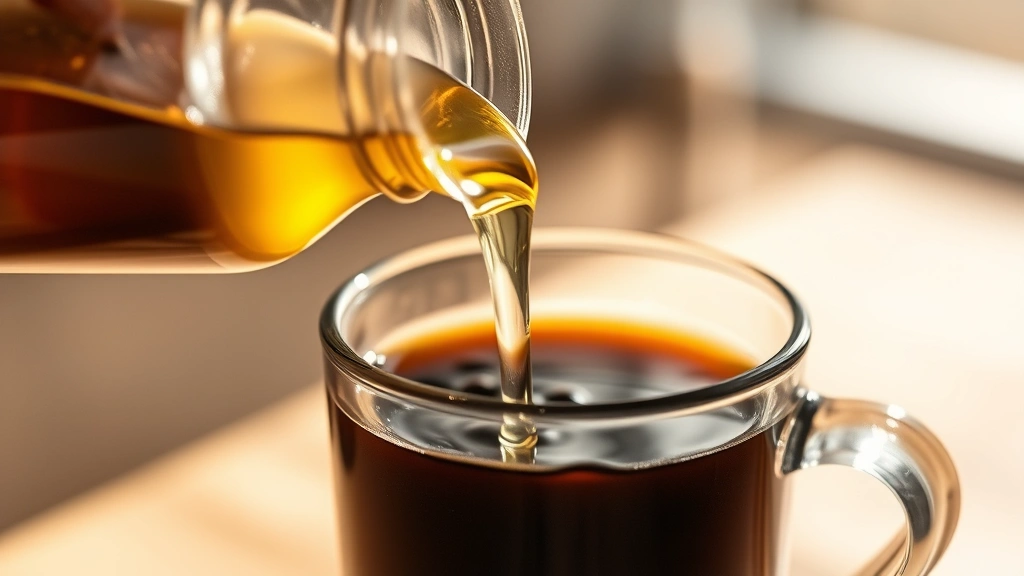
Morning coffee represents one of the most popular MCT oil applications. Adding 1-2 teaspoons to your coffee creates a creamy, satisfying beverage that supports sustained energy without hunger. This approach, popularized by bulletproof coffee enthusiasts, provides mental clarity and appetite suppression lasting several hours.
Smoothies offer excellent MCT oil incorporation opportunities. Combine MCT oil with protein powder, healthy fats like avocado or nut butter, and vegetables for a complete meal replacement. The protein component becomes especially important—learn more about weight loss and protein intake requirements to optimize your smoothie nutrition.
Salad dressings provide another practical application. Mix MCT oil with vinegar, lemon juice, and herbs to create nutritious dressings that enhance nutrient absorption. Fat-soluble vitamins in your salad vegetables require dietary fat for proper absorption, making MCT oil an ideal choice that simultaneously supports your weight loss goals.
Soups and warm beverages work well with MCT oil addition. Stir it into bone broth, vegetable soups, or herbal teas for a metabolism-boosting addition. The warmth of these beverages aids MCT dispersion and prevents separation, creating a homogeneous mixture.
Baking applications exist, though they require careful temperature management since MCT oil has a lower smoke point (approximately 320°F) than many cooking oils. Use it for low-temperature baking or add it to recipes after cooking to preserve its beneficial properties.
Combining MCT Oil with Protein for Maximum Effect
MCT oil’s weight loss benefits amplify significantly when paired with adequate protein intake. Protein increases thermogenesis more than any other macronutrient, meaning your body burns additional calories digesting protein. Combined with MCT oil’s metabolic benefits, this pairing creates a powerful fat loss strategy.
Explore detailed guidance on protein intake for weight loss success to determine your individual requirements. Most nutrition experts recommend consuming 0.8-1.2 grams of protein per pound of body weight during active weight loss phases. When combined with MCT oil consumption, this protein intake supports muscle preservation and metabolic health.
Practical combinations include MCT oil-enhanced protein smoothies, Greek yogurt with MCT oil drizzle and nuts, or scrambled eggs cooked with MCT oil-based herbs. These combinations provide complete amino acid profiles while supporting sustained satiety and metabolic function.
The synergistic effect of MCT oil and protein also supports strength training for weight loss. Protein supports muscle recovery while MCT oil provides efficient energy for workouts. This combination helps preserve lean mass during calorie restriction, maintaining metabolic rate and improving body composition outcomes.

Potential Side Effects and Safety Considerations
Most people tolerate MCT oil well when introduced gradually. Initial side effects typically include mild digestive discomfort, including bloating, cramping, or loose stools. These symptoms usually resolve within 1-2 weeks as your digestive system adapts to processing concentrated MCTs.
Individuals with certain medical conditions should consult healthcare providers before MCT oil use. Those with liver disease, pancreatic disorders, or medium-chain acyl-CoA dehydrogenase (MCADD) deficiency should avoid MCT oil entirely. Pregnant and nursing individuals should seek professional guidance before supplementation.
MCT oil may interact with certain medications, particularly those affecting fat absorption or metabolism. If you take prescription medications, discuss MCT oil supplementation with your healthcare provider to ensure safety and prevent interactions.
Quality matters significantly in MCT oil selection. Choose products from reputable manufacturers that undergo third-party testing for purity and potency. Look for labels specifying C8 and C10 content, as these specific MCTs provide the most weight loss benefit. Avoid products containing unnecessary additives, fillers, or artificial ingredients.
Storage conditions affect MCT oil stability and effectiveness. Keep your oil in a cool, dark place away from direct sunlight and heat sources. Properly stored MCT oil maintains potency for extended periods, typically 12-24 months depending on the specific product.
Scientific Evidence Behind MCT Oil Benefits
Numerous peer-reviewed studies support MCT oil’s effectiveness for weight management. A landmark study published in the Journal of Nutrition found that MCT consumption increased fat burning by approximately 30% compared to long-chain fat consumption. Participants consuming MCTs experienced greater weight loss over 12 weeks despite identical caloric intake.
Research from The Obesity Society demonstrates that MCT oil improves insulin sensitivity and metabolic flexibility. These improvements support long-term weight management and reduce the metabolic adaptation that often derails weight loss efforts.
Clinical evidence also shows MCT oil’s appetite-suppressing effects. Studies measuring hunger hormone levels found that MCT consumption elevated peptide YY and cholecystokinin—hormones that signal fullness to your brain. This physiological response translates to reduced calorie intake without requiring conscious restriction.
A comprehensive review in Frontiers in Nutrition concluded that MCT oil shows promise for weight loss when incorporated into comprehensive nutritional strategies. However, researchers emphasized that MCT oil works best as part of a holistic approach including balanced nutrition, regular physical activity, and behavioral modifications.
The CDC’s weight management resources acknowledge that dietary supplements like MCT oil may support weight loss efforts when combined with lifestyle modifications. However, no supplement replaces fundamental healthy habits including nutritious eating patterns and consistent exercise.
For comprehensive weight loss strategies, consider exploring healthy meal plans for sustainable weight loss and interval training for enhanced fat burning. These evidence-based approaches work synergistically with MCT oil supplementation.
Advanced weight loss approaches, such as tirzepatide for significant weight loss or GLP-1 medications for non-diabetic weight loss, represent additional options for individuals pursuing aggressive weight management. MCT oil complements these approaches by supporting metabolic health and natural appetite regulation.
FAQ
How quickly will I see weight loss results from MCT oil?
Most individuals notice increased energy and reduced hunger within 3-7 days of consistent MCT oil use. Measurable weight loss typically appears within 2-4 weeks when combined with appropriate nutrition and exercise. Results vary based on individual metabolism, starting weight, and overall lifestyle factors. Patience and consistency matter more than expecting rapid transformations.
Can I use MCT oil if I’m vegetarian or vegan?
Yes, MCT oil derived from coconut is suitable for vegetarian and vegan diets. Ensure your chosen product doesn’t contain animal-derived ingredients or additives. Most commercial MCT oils meet these dietary requirements, though reading labels carefully is essential for confirming compatibility with your specific dietary choices.
Is MCT oil safe for daily long-term use?
Research suggests MCT oil is safe for daily consumption when used appropriately. Long-term studies have not identified adverse effects from consistent MCT use in otherwise healthy individuals. However, periodic breaks and monitoring your individual response remains prudent. Consult healthcare providers for personalized guidance regarding your specific health circumstances.
Should I take MCT oil on an empty stomach?
Taking MCT oil with food, particularly meals containing protein and fiber, optimizes tolerance and effectiveness. Consuming MCT oil on an empty stomach may cause digestive discomfort or energy crashes. Food slows MCT absorption, providing more sustained energy and appetite suppression benefits.
Can MCT oil replace other healthy fats in my diet?
MCT oil works best as a supplement to, rather than replacement for, other healthy fats. Omega-3 rich sources like fish, flaxseeds, and walnuts provide essential fatty acids that MCT oil doesn’t contain. A balanced approach incorporating diverse fat sources ensures comprehensive nutritional support for your weight loss and overall health goals.
What’s the difference between MCT oil and coconut oil?
MCT oil is a concentrated extract containing primarily medium-chain triglycerides, while coconut oil is a whole food product containing approximately 60% MCTs plus other compounds. MCT oil provides more potent metabolic effects due to higher concentration, though coconut oil offers additional nutritional benefits. Your choice depends on personal preference and specific weight loss goals.


