
Can Hula Hooping Aid Weight Loss? Fitness Expert Weighs In
Hula hooping has experienced a remarkable resurgence in recent years, transforming from a nostalgic childhood pastime into a legitimate fitness trend embraced by adults worldwide. But beyond the fun factor and social media appeal, many people wonder: can hula hooping actually help with weight loss? The short answer is yes—when incorporated strategically into a comprehensive fitness and nutrition plan. This article explores the science behind hula hooping as a weight loss tool, examining calorie burn, muscle engagement, and how to maximize results.
The fitness industry has long recognized that enjoyable exercise is sustainable exercise. Unlike grinding through monotonous cardio sessions, hula hooping offers a playful, engaging workout that keeps people motivated. Whether you’re a beginner exploring new fitness options or someone seeking to diversify your routine, understanding how hula hooping contributes to weight loss can help you make informed decisions about your health journey.
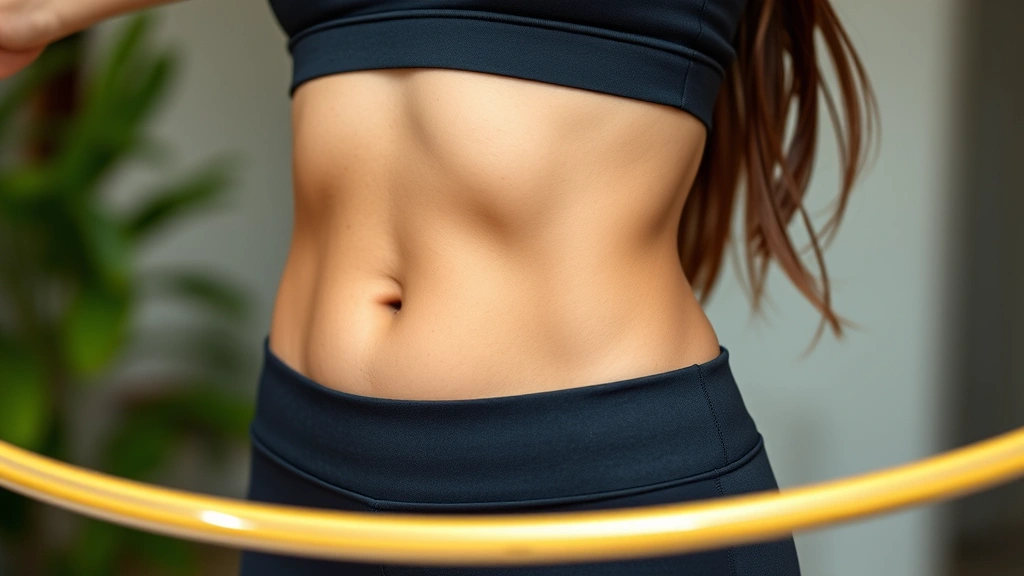
How Hula Hooping Burns Calories
Understanding calorie expenditure is fundamental to any weight loss discussion. Hula hooping is an aerobic activity that elevates your heart rate and increases energy expenditure. Research indicates that a 30-minute hula hooping session can burn between 165 to 300 calories, depending on several variables including body weight, intensity level, and hoop size.
A person weighing 155 pounds typically burns approximately 165 calories during 30 minutes of moderate-intensity hula hooping, while someone weighing 185 pounds might burn closer to 200 calories in the same timeframe. These numbers become significant when you consider that consistent daily hula hooping could contribute to a caloric deficit—the essential requirement for weight loss.
The metabolic impact extends beyond the actual hooping session. Vigorous hula hooping increases your metabolic rate during and after exercise, a phenomenon known as excess post-exercise oxygen consumption (EPOC). This means your body continues burning calories at an elevated rate even after you’ve finished hooping, contributing to overall daily energy expenditure.
To put this in perspective, combining hula hooping with other lifestyle modifications—such as implementing weight loss with intermittent fasting or following healthy meal plans for weight loss—creates a powerful synergy that accelerates progress toward your goals.

Muscles Engaged During Hula Hooping
One of hula hooping’s most significant advantages is its ability to engage multiple muscle groups simultaneously. This comprehensive muscle activation contributes to both calorie burn and body composition changes that extend beyond simple weight loss.
Core Muscles: The primary muscles activated during hula hooping are the abdominal muscles, obliques, and lower back stabilizers. Maintaining the hoop’s rotation requires constant micro-adjustments from your core, essentially providing an isometric workout that strengthens and tones these areas. This engagement is particularly valuable because core strength directly impacts posture, balance, and overall functional fitness.
Hip and Glute Activation: The hip flexors, gluteus maximus, and surrounding musculature work continuously to maintain the hooping motion. This hip and glute engagement helps build lean muscle in areas many people target during weight loss journeys.
Leg Stabilization: Your quadriceps, hamstrings, and calf muscles maintain stability throughout the movement, providing secondary muscle activation that contributes to overall calorie expenditure.
Upper Body Support: While the lower body generates most of the movement, your shoulders, chest, and arms maintain posture and help stabilize the hoop, providing light upper body engagement.
This multi-muscle approach means hula hooping offers benefits similar to best cardio exercises for weight loss, but with the added advantage of targeted core strengthening that traditional steady-state cardio may not provide as effectively.
Hula Hooping vs Other Cardio Exercises
When evaluating hula hooping’s weight loss potential, comparing it to other cardio options provides valuable context. Different exercises offer distinct advantages, and the best choice depends on your preferences, fitness level, and goals.
Hula Hooping vs Running: Running burns approximately 240-355 calories per 30 minutes for a 155-pound person, depending on pace. While running typically burns more calories than hula hooping, it places greater impact stress on joints. Hula hooping offers comparable calorie burn with minimal joint impact, making it more sustainable for people with joint concerns or those seeking lower-impact options.
Hula Hooping vs Cycling: Stationary cycling burns roughly 210-315 calories in 30 minutes. Both activities are low-impact and engaging, but hula hooping uniquely targets core muscles while cycling emphasizes leg strength more heavily. They complement each other well in a balanced fitness routine.
Hula Hooping vs Swimming: Swimming burns 240-355 calories per 30 minutes and provides exceptional full-body engagement. However, swimming requires pool access and coordination skills. Hula hooping offers greater accessibility and can be performed virtually anywhere.
Hula Hooping vs Dancing: Dance workouts burn 150-300 calories per 30 minutes. Both activities are enjoyable and engaging, and they offer similar calorie expenditure. Many people find hula hooping more meditative, while others prefer dance’s social and creative elements.
Rather than viewing hula hooping as a replacement for other cardio, consider it a valuable addition to a diverse fitness routine. Combining hula hooping with other cardio exercises for weight loss prevents workout monotony and ensures comprehensive fitness development.
Getting Started: Choosing the Right Hula Hoop
Not all hula hoops are created equal, and selecting the appropriate hoop significantly impacts your success and enjoyment. Understanding hoop specifications helps you make an informed choice.
Hoop Size: Contrary to childhood toys, adult fitness hoops are considerably larger. Most adults benefit from hoops measuring 38-42 inches in diameter. Taller individuals may prefer 42-48 inch hoops. A properly sized hoop should reach approximately waist height when standing inside it. Larger hoops are generally easier to keep rotating, making them ideal for beginners.
Weight Considerations: Heavier hoops (1-2 pounds) provide more momentum and are easier to control, particularly for beginners. Lighter hoops (0.5-1 pound) require more speed and core engagement, making them suitable for advanced users. If you’re just starting, prioritize ease of use over intensity.
Material Quality: Hoops constructed from durable materials like PVC or aluminum withstand regular use without cracking or warping. Padded hoops add comfort during extended sessions, particularly valuable if you have sensitive skin or plan to hoop for 45+ minutes at a time.
Adjustability: Many modern fitness hoops feature adjustable diameters, allowing you to customize sizing as you progress. This adaptability extends hoop lifespan and accommodates changing preferences.
Investing in a quality hoop demonstrates commitment to your fitness journey and ensures your equipment supports rather than hinders your progress. Once you have the right equipment, combining hula hooping with smoothie recipes for weight loss and proper nutrition creates a comprehensive approach to achieving results.
Maximizing Weight Loss Results
While hula hooping is an effective exercise, maximizing weight loss requires a strategic, multifaceted approach. Exercise alone accounts for only one component of successful weight management.
Create a Caloric Deficit: Weight loss fundamentally requires burning more calories than you consume. Hula hooping contributes to this deficit, but dietary modifications are equally important. Calculate your daily calorie needs and aim for a moderate deficit of 500-750 calories daily, resulting in 1-1.5 pounds of weight loss weekly.
Consistency Over Intensity: Performing hula hooping three to five times weekly for 30-45 minutes delivers superior results compared to sporadic intense sessions. Consistency builds habit, improves cardiovascular fitness, and ensures sustained calorie expenditure.
Progressive Overload: Gradually increase duration, intensity, or hoop weight as your fitness improves. This progressive challenge prevents plateaus and continues driving adaptation and calorie burn.
Nutrition Optimization: Exercise success requires nutritional support. Focus on whole foods, adequate protein intake, and balanced macronutrients. Proper nutrition fuels workouts, supports recovery, and facilitates sustainable weight loss.
Combine with Strength Training: While hula hooping provides cardiovascular benefits and core engagement, adding two weekly strength training sessions builds additional muscle mass. Muscle tissue increases resting metabolic rate, meaning you burn more calories throughout the day.
Track Progress Comprehensively: Track your progress effectively using multiple metrics. Scale weight provides one data point, but body measurements, clothing fit, strength improvements, and how you feel offer equally valuable insights into your transformation.
Realistic Expectations and Timeline
Understanding realistic timelines prevents discouragement and helps you maintain motivation throughout your weight loss journey. Hula hooping contributes meaningfully to weight loss, but results depend on multiple factors.
Initial Phase (Weeks 1-4): During the first month, you’ll likely notice improved energy, better posture, and increased core awareness. Scale weight may fluctuate due to water retention and muscle development. Focus on consistency rather than numbers during this phase.
Intermediate Phase (Weeks 5-12): By week five, noticeable physical changes become apparent. You’ll observe improved muscle definition, particularly in the core and hip areas. Cardiovascular improvements make hooping feel easier, and you may extend sessions or increase intensity naturally. Expect 1-2 pounds of weekly weight loss when combined with proper nutrition.
Long-term Results (3-6 Months): After three months of consistent hula hooping and nutritional discipline, significant body composition changes become evident. Many people report improved clothing fit, visible muscle definition, and substantial strength improvements. Weight loss typically reaches 12-24 pounds, though individual results vary based on starting point, consistency, and dietary adherence.
Research from obesity medicine associations emphasizes that sustainable weight loss of 1-2 pounds weekly represents healthy progress. The CDC recommends combining regular physical activity with dietary modifications for optimal results.
Remember that weight loss isn’t linear. You may experience plateaus lasting 2-3 weeks where scale weight remains stable despite continued effort. These plateaus reflect your body adapting to your fitness level and are completely normal. Adjust your hula hooping duration, intensity, or dietary approach slightly to break through plateaus.
FAQ
How long should I hula hoop daily for weight loss?
Most fitness professionals recommend 30-45 minutes of hula hooping three to five times weekly. This frequency and duration create meaningful caloric expenditure while remaining sustainable for most people. Beginners may start with 15-20 minutes and progressively increase duration as fitness improves.
Can hula hooping alone cause weight loss without dietary changes?
While hula hooping burns significant calories, weight loss requires a caloric deficit. Exercise alone rarely produces substantial results without nutritional modifications. Combining hula hooping with healthy eating habits creates the synergy necessary for meaningful weight loss.
Is hula hooping safe for people with back pain?
Hula hooping strengthens core muscles that support spinal health, often improving back pain over time. However, if you have existing back conditions, consult your healthcare provider before starting. Begin with shorter sessions and focus on proper posture to minimize strain.
What’s the difference between fitness hoops and childhood hoops?
Fitness hoops are significantly larger (38-48 inches) and heavier (0.5-2 pounds) than traditional toys. Their size and weight provide momentum that makes rotation easier while engaging core muscles more effectively. This design specifically supports adult fitness goals.
How quickly will I see results from hula hooping?
Most people notice improved energy and posture within 2-3 weeks. Physical changes like increased muscle definition become visible around 4-6 weeks. Substantial weight loss typically requires 8-12 weeks of consistent effort combined with proper nutrition.
Can I hula hoop if I’m significantly overweight?
Yes, hula hooping is accessible for most fitness levels. Start with a larger, heavier hoop and shorter sessions (10-15 minutes) to build fitness gradually. The low-impact nature makes it particularly suitable for people managing weight loss from higher starting points.
Should I combine hula hooping with other exercises?
Yes, combining hula hooping with strength training and other cardio creates comprehensive fitness development. Variety prevents boredom, reduces injury risk from repetitive movement, and ensures all major muscle groups receive adequate attention.


