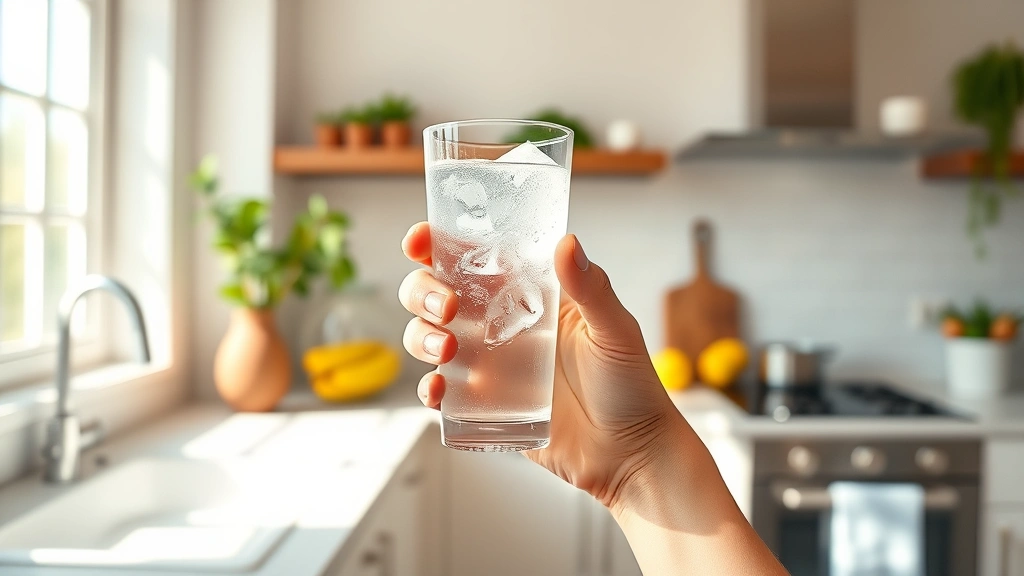
Ice Hack for Weight Loss? Expert Opinions on the Viral Trend
The “ice hack” for weight loss has taken social media by storm, with countless videos claiming that drinking ice water or consuming ice before meals can dramatically boost metabolism and melt away pounds. From TikTok to Instagram, influencers promise that this simple, free trick can accelerate fat burning and help you achieve your weight loss goals without diet changes or exercise. But does the science actually support these claims, or is this another viral trend with more hype than substance?
In this comprehensive guide, we’ll examine what experts in nutrition, metabolism, and obesity medicine have to say about the ice hack phenomenon. We’ll break down the actual science behind cold exposure and calorie burning, explore what research shows, and help you understand whether this trend deserves a place in your weight loss strategy or if your efforts are better spent elsewhere.

What Is the Ice Hack for Weight Loss?
The ice hack typically comes in several variations, but the core premise remains consistent: consuming ice or ice-cold water supposedly triggers your body to burn additional calories through a process called thermogenesis. Some versions claim that drinking ice water before meals reduces appetite and prevents overeating. Others suggest that ice consumption specifically targets belly fat or activates “brown fat” to accelerate weight loss.
The most popular version circulating on social media involves drinking ice water immediately upon waking, before meals, or consuming crushed ice throughout the day. Some influencers pair this with specific timing protocols or claim that certain water temperatures are more effective than others. The appeal is obvious: it’s free, requires no special equipment, and promises significant results without lifestyle changes.
However, the gap between viral claims and actual scientific evidence is substantial. Let’s examine what happens in your body when you consume ice and whether this aligns with how metabolism actually works.
The Science of Cold Exposure and Metabolism
To evaluate the ice hack fairly, we need to understand thermogenesis—the process of heat production in your body. There are several types of thermogenesis: basal metabolic rate (the calories you burn at rest), diet-induced thermogenesis (calories burned digesting food), and cold-induced thermogenesis (calories burned in response to cold exposure).
Cold-induced thermogenesis is real. When your body encounters cold temperatures, it does activate mechanisms to generate heat and maintain core temperature. This process involves shivering and non-shivering thermogenesis, where brown adipose tissue (brown fat) plays a role in generating heat without muscle contractions. Research has shown that cold exposure can increase energy expenditure, and some studies have explored whether regular cold exposure might contribute to weight management.
A study published in the Journal of Clinical Investigation found that regular cold exposure could activate brown fat in humans, potentially increasing metabolic rate. However—and this is critical—the cold exposure in these studies involved significant, sustained cooling, not brief contact with ice water. The participants were exposed to temperatures around 16°C (60°F) for extended periods, not drinking a glass of ice water.
Does Ice Water Actually Burn Calories?
When you drink ice water, your body does expend energy to warm that water to body temperature. This is measurable and real. However, the amount of calories burned is remarkably small. Research on water-induced thermogenesis shows that drinking one liter of cold water might burn approximately 4-5 additional calories—roughly equivalent to a single bite of toast.
To put this in perspective: a pound of body fat contains approximately 3,500 calories. To lose one pound through ice water consumption alone, you’d need to drink enough ice water to burn an additional 3,500 calories, which would require drinking thousands of liters. Even if you drank ice water multiple times daily, the caloric contribution would be negligible compared to your total energy expenditure.
Furthermore, the research on appetite suppression from ice water is limited and inconsistent. While some people report feeling fuller after drinking cold beverages, this sensation is typically temporary and psychological rather than physiological. The satiety from water—cold or room temperature—comes from volume and stomach distension, not from the temperature itself.
Several systematic reviews examining water consumption and weight loss have concluded that while drinking adequate water supports overall health and can indirectly support weight loss by replacing calorie-containing beverages, the temperature of the water makes negligible difference to weight loss outcomes.
Expert Opinions from Weight Loss Professionals
Registered dietitians and obesity medicine specialists are largely skeptical of the ice hack as a meaningful weight loss strategy. The Academy of Nutrition and Dietetics, the leading professional organization for registered dietitian nutritionists, emphasizes that sustainable weight loss requires addressing overall calorie balance, nutrition quality, and lifestyle factors—not quick tricks or hacks.
Dr. Fatima Cody Stanford, an obesity medicine physician at Massachusetts General Hospital and Harvard Medical School, has been vocal about viral weight loss trends. Experts in her field stress that while cold exposure has been researched for potential metabolic effects, the practical application of drinking ice water is far too minimal to meaningfully impact weight. The focus should remain on evidence-based approaches: calorie balance, nutrient density, physical activity, sleep quality, and stress management.
The American Society of Bariatric Physicians acknowledges that while thermogenesis from cold exposure exists scientifically, the magnitude is insignificant for weight loss purposes. They recommend against promoting such trends because they may distract people from implementing genuinely effective strategies.
Researchers studying brown fat activation note that while cold exposure can activate brown adipose tissue, the conditions required are far more extreme than casual ice water consumption. Studies showing meaningful metabolic effects from cold exposure typically involve prolonged exposure to significantly cold environments, not brief contact with beverages.
Comparing Ice Hacks to Evidence-Based Weight Loss Methods
Understanding why the ice hack appeals to people helps us appreciate what actually works. The ice hack promises simplicity, no effort, and no sacrifice—an attractive proposition in a world of complicated diets and demanding exercise programs. However, weight loss fundamentally requires creating a calorie deficit, and there’s no genuine shortcut to this biological reality.
Evidence-based weight loss strategies include:
- Calorie deficit through nutrition: Consuming fewer calories than you expend through intentional dietary changes
- Protein intake: Higher protein consumption increases satiety and preserves muscle during weight loss
- Physical activity: Both cardiovascular exercise and resistance training support weight loss and metabolic health
- Sleep quality: Adequate sleep supports hormonal balance and reduces overeating behaviors
- Stress management: Chronic stress elevates cortisol, which can promote fat storage and overeating
- Behavioral modification: Identifying and changing eating patterns that contribute to weight gain
- Consistent monitoring: Tracking progress and making adjustments based on results
Compare these evidence-based approaches to the ice hack: one requires effort, lifestyle change, and consistency, while the other promises results from a simple beverage. The research overwhelmingly supports the former, not the latter. If you’re looking for sustainable weight loss, consider exploring how to maintain weight loss through effective long-term strategies rather than quick fixes.
Additionally, understanding weight loss and metabolic syndrome can help you appreciate how your metabolism actually functions and why certain approaches work while others don’t.
The Real Keys to Sustainable Weight Loss
If the ice hack won’t significantly impact your weight, what should you focus on instead? Research consistently shows that sustainable weight loss comes from a combination of factors working together synergistically.
Nutrition Quality and Calorie Balance
The foundation of weight loss is consuming fewer calories than you expend. This doesn’t require extreme restriction or eliminating foods you enjoy, but it does require awareness and intentionality. Focus on whole foods, adequate protein, and plenty of vegetables—these support satiety and nutrient density. If you’re looking for practical nutrition strategies, exploring best smoothies for weight loss or weight loss protein shakes can provide nutrient-dense options that support your goals.
Physical Activity and Movement
Exercise serves multiple roles in weight loss: it increases calorie expenditure, preserves lean muscle mass, improves cardiovascular health, and supports mental wellbeing. Both aerobic activity and resistance training are valuable. Even simple approaches like jump rope for weight loss can be effective when combined with proper nutrition.
Sleep and Recovery
Sleep deprivation disrupts hormones that regulate appetite and satiety, making overeating more likely. Prioritizing 7-9 hours of quality sleep nightly supports weight loss efforts substantially. Poor sleep also impairs decision-making and willpower, making it harder to stick to healthy choices.
Stress Management and Mental Health
Chronic stress elevates cortisol, which promotes fat storage, particularly in the abdominal area. Stress also triggers emotional eating and reduces motivation for physical activity. Incorporating stress-reduction practices like meditation, yoga, or simply spending time in nature supports weight loss indirectly but meaningfully.
Behavioral Awareness and Habit Change
Many people struggle with weight not because they don’t know what to eat, but because their eating patterns are driven by habit, emotion, or environmental cues. Working with a registered dietitian or therapist to identify these patterns and develop new habits creates lasting change.
Medical Evaluation and Professional Support
If you’ve struggled with weight loss despite genuine effort, medical evaluation is worthwhile. Conditions like thyroid dysfunction, PCOS, or medication side effects can significantly impact weight. Additionally, determining if you qualify for weight loss surgery might be relevant for some individuals. Professional support from registered dietitians, physicians, or obesity medicine specialists provides personalized guidance and accountability.
Consistency Over Perfection
The most effective weight loss approach is one you can sustain. This might not be the most restrictive diet or the most intense exercise program—it’s the one that fits your life and that you’ll actually follow long-term. Small, consistent changes compound into significant results over months and years.
FAQ
Does ice water really boost metabolism?
Ice water does cause a tiny increase in calorie expenditure as your body warms it to body temperature, but the effect is minimal—approximately 4-5 calories per liter. This is far too small to meaningfully impact weight loss.
Can ice exposure activate brown fat for weight loss?
While research shows that sustained cold exposure can activate brown adipose tissue, the cold exposure required in studies is far more intense than drinking ice water. Brief contact with cold beverages is unlikely to meaningfully activate brown fat or increase metabolism.
Is the ice hack harmful?
For most people, drinking ice water is harmless. However, it’s not an effective weight loss strategy, and relying on it instead of implementing evidence-based approaches may delay meaningful progress.
Why do so many people claim the ice hack works?
People may experience placebo effects, confirmation bias, or coincidental weight loss from other factors (like increased water intake replacing calorie-containing beverages). Additionally, social media algorithms promote sensational claims, creating the illusion of widespread effectiveness.
What’s the best approach to sustainable weight loss?
Sustainable weight loss combines calorie balance through nutrition, regular physical activity, adequate sleep, stress management, and behavioral awareness. Working with healthcare professionals provides personalized guidance and increases success rates.
Should I completely avoid the ice hack?
Drinking ice water isn’t harmful and may have minor benefits (hydration, temporary satiety), but it shouldn’t be your primary weight loss strategy. Use it as one small component of a comprehensive approach, not as a replacement for evidence-based methods.


