
Ice Hack for Weight Loss? Expert Insights on Cold Exposure and Metabolism
The internet has been buzzing about an “ice hack” for weight loss, with claims that exposing your body to cold temperatures can dramatically boost metabolism and melt away pounds. From ice baths to drinking ice water, these trending methods promise rapid fat loss without traditional dieting. But do these claims hold up to scientific scrutiny? As a health and wellness writer focused on evidence-based weight loss strategies, I’ve researched the science behind cold exposure and what experts actually say about its effectiveness.
Cold exposure therapy has gained popularity through social media influencers and wellness gurus, but it’s important to separate fact from fiction. While there is legitimate science exploring how cold affects metabolism, the exaggerated claims about “hacking” your way to weight loss through ice alone are misleading. Understanding the real mechanisms behind thermogenesis and cold-induced fat burning can help you make informed decisions about whether this approach fits your weight loss journey.
What Is the Ice Hack for Weight Loss?
The “ice hack” refers to various methods of deliberately exposing your body to cold temperatures with the goal of increasing calorie burn and promoting weight loss. The most common variations include:
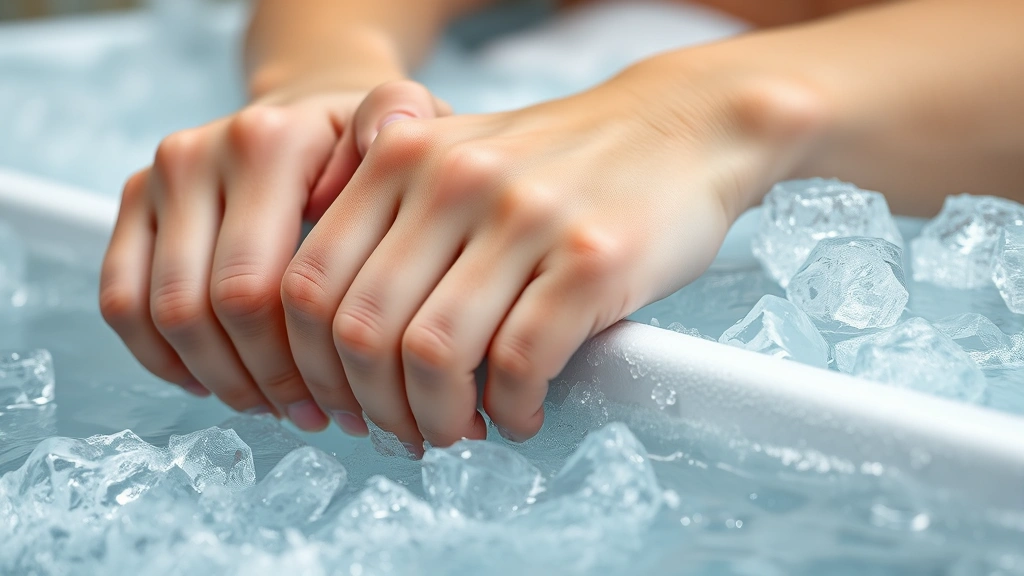
- Ice baths or cold water immersion: Submerging yourself in water temperatures between 50-59°F (10-15°C) for 10-20 minutes
- Cold showers: Exposure to cold water for several minutes daily
- Drinking ice water: Consuming large quantities of ice-cold water throughout the day
- Cryotherapy: Using specialized chambers that expose your entire body to extremely cold air
- Ice vests: Wearing cooling garments that lower core body temperature
Proponents claim these methods can increase metabolic rate by 10-30%, activate brown fat, and lead to significant weight loss. However, the reality is more nuanced than these viral claims suggest. While cold exposure does increase energy expenditure, the actual calorie-burning effect is modest compared to other weight loss interventions.
The Science Behind Cold Exposure and Metabolism
When your body is exposed to cold, it triggers a series of physiological responses designed to maintain core body temperature. This process, called thermogenesis, does require energy and therefore burns calories. Your body generates heat through muscle contractions (shivering) and non-shivering thermogenesis, a process that occurs primarily in specialized fat tissue.
The concept isn’t entirely new—researchers have been studying cold-induced thermogenesis for decades. The mechanism is straightforward: your body must work harder to maintain its normal temperature when exposed to cold, which increases metabolic demands. However, the magnitude of this effect is where marketing claims often diverge from scientific reality.
According to research published in the journal Obesity, cold exposure does activate thermogenesis, but the amount of calories burned is relatively small—typically 50-100 extra calories per session for most people. This is far less than the dramatic claims you’ll see on social media suggesting you can lose pounds per week through ice exposure alone.
Brown Adipose Tissue and Thermogenesis
The key player in cold-induced weight loss is brown adipose tissue (brown fat), which differs significantly from the white adipose tissue that stores excess energy. Brown fat contains numerous mitochondria packed with a protein called uncoupling protein 1 (UCP1), which allows these cells to burn fuel directly as heat rather than storing it as energy.
When exposed to cold, your sympathetic nervous system releases norepinephrine, which activates brown fat cells. These cells then burn both their own stored energy and circulating glucose and fatty acids from your bloodstream, generating heat in a process called non-shivering thermogenesis. This is theoretically how cold exposure could contribute to fat loss.
However, most adults have relatively small amounts of brown fat compared to infants and small children. While exposure to cold can increase brown fat activity and potentially expand brown fat stores over time, the effect is modest. Additionally, individual variation in brown fat quantity and activity is substantial—some people naturally have more metabolically active brown fat than others, which influences how much benefit they might see from cold exposure.
Research Evidence on Cold Exposure
What does the scientific literature actually show about cold exposure and weight loss? A comprehensive review of studies reveals a more modest picture than viral marketing suggests:
- Short-term calorie burn: Cold water immersion increases energy expenditure by approximately 50-100 calories per session, depending on water temperature, duration, and individual factors
- Brown fat activation: Regular cold exposure can increase brown fat volume and activity, but the functional significance for weight loss remains unclear
- Weight loss outcomes: Studies examining actual weight loss from cold exposure alone show minimal results—typically less than 1-2 pounds over several weeks
- Metabolic rate: While acute cold exposure increases metabolic rate, chronic adaptation may reduce this effect over time
A study in the International Journal of Obesity found that while cold exposure does activate brown fat, the contribution to overall daily energy expenditure is relatively small—estimated at only 4-6% of total daily calorie burn even with regular cold exposure.
For context, this is significantly less effective than other evidence-based weight loss approaches. For instance, high protein recipes for weight loss can increase satiety and reduce overall calorie intake much more substantially. Similarly, weight loss workout routines at home burn far more calories than cold exposure and offer numerous additional health benefits.
Those exploring pharmaceutical options should also understand how medications work. For example, understanding compounded semaglutide weight loss dosage chart information or reviewing Mounjaro weight loss by week timelines shows that medical interventions produce significantly greater weight loss than any biohacking method alone.
Practical Cold Exposure Methods
If you’re interested in exploring cold exposure as part of a comprehensive weight loss strategy, here are the most practical and safe methods:
- Cold showers: Begin with 30-60 seconds of cold water at the end of your regular shower, gradually increasing duration. This is the most accessible method with minimal risk
- Ice water consumption: Drinking ice water does require your body to expend energy warming the water to body temperature, though the effect is minimal (approximately 4-7 calories per liter)
- Cold water immersion: If you have access to a cold pool or can prepare a cold bath, 10-15 minutes at 50-59°F provides more significant thermogenic stimulus than showers
- Outdoor cold exposure: Simply spending time in cold weather without excessive layering engages thermogenic mechanisms
- Cooling garments: Specialized cooling vests can provide sustained cold exposure without the discomfort of water immersion
Most experts recommend starting gradually and building tolerance over time. Your body adapts to cold exposure, so consistency is important if you want to maintain thermogenic benefits.

Realistic Expectations and Results
Here’s what you can realistically expect from cold exposure for weight loss:
Best case scenario: With consistent cold exposure (daily cold showers or 2-3 times weekly cold water immersion), you might burn an additional 50-150 calories daily. Over a year, this could theoretically contribute to 5-15 pounds of weight loss, assuming no changes to diet or exercise.
More typical scenario: Most people experience minimal weight loss from cold exposure alone—less than 5 pounds over several months. Any weight loss is usually modest and requires strict dietary adherence simultaneously.
The adaptation problem: Your body adapts to regular cold exposure within weeks to months, meaning the initial thermogenic boost diminishes. This is why cold exposure alone is insufficient for sustained weight loss.
It’s crucial to understand that weight loss fundamentally requires a calorie deficit. Whether those calories come from eating less, moving more, or theoretically from cold-induced thermogenesis, the math remains the same. Cold exposure might contribute a small piece of this puzzle, but it cannot replace proper nutrition and exercise.
For those seeking more substantial results, evidence-based approaches are far more effective. Many people find success with medications like Zepbound weight loss reviews show, which can produce 15-20% body weight loss when combined with lifestyle changes. You could also explore cycling for weight loss, which burns significantly more calories than cold exposure while building cardiovascular fitness.
Combining Cold Exposure with Proven Strategies
Where cold exposure might have real value is as a complementary tool within a comprehensive weight loss program. Here’s how to integrate it appropriately:
- With dietary changes: Cold exposure might enhance the modest calorie deficit created through dietary modification, amplifying overall results slightly
- With exercise: Cold water immersion after workouts may support recovery and provide mild additional calorie burn
- With behavioral modifications: The mental discipline required for cold exposure might strengthen overall commitment to weight loss goals
- With medication: Those using GLP-1 medications or other weight loss drugs could theoretically add cold exposure for marginal additional benefits
The key principle: cold exposure should never replace proven weight loss methods. Instead, use it as a supplementary strategy that might provide 5-10% additional benefit on top of a solid foundation of nutrition, exercise, and behavioral change.
Safety Considerations and Risks
Before attempting cold exposure methods, understand the potential risks:
- Cardiovascular stress: Cold exposure increases heart rate and blood pressure; those with heart conditions should consult their physician first
- Hypothermia risk: Prolonged or excessively cold exposure can dangerously lower core body temperature
- Cold water immersion dangers: Cold shock response can cause involuntary gasping and inhalation of water; never attempt this alone
- Raynaud’s phenomenon: Those with this condition may experience severe pain or tissue damage from cold exposure
- Respiratory issues: Cold exposure can trigger asthma or breathing difficulties in susceptible individuals
- Muscle damage: Excessive cold exposure may cause rhabdomyolysis in extreme cases
Always start conservatively—begin with 30 seconds of cold water and gradually build tolerance. If you have any underlying health conditions, consult a healthcare provider before beginning cold exposure therapy. The American Heart Association recommends medical clearance before cold water immersion, particularly for those over 40 or with cardiovascular risk factors.
FAQ
Does the ice hack actually work for weight loss?
The ice hack has a small scientific basis—cold exposure does increase calorie burn through thermogenesis. However, the effect is modest, burning only 50-150 additional calories daily at most. While this could theoretically contribute to weight loss over time, it’s far less effective than diet, exercise, or evidence-based medications. The “hack” works best as a complementary tool, not a primary weight loss strategy.
How much weight can you lose from cold exposure?
With consistent cold exposure and no other changes, expect minimal weight loss—typically less than 5 pounds over several months. Most weight loss requires a calorie deficit from reduced food intake or increased physical activity. Cold exposure might add 5-10% additional benefit when combined with these proven methods, potentially contributing to 1-2 additional pounds of loss over several months.
Is ice water good for weight loss?
Drinking ice water provides a negligible weight loss benefit—approximately 4-7 calories burned per liter to warm the water to body temperature. While not harmful, relying on ice water for weight loss is ineffective. It’s better viewed as a neutral hydration choice rather than a weight loss tool. The same applies to cold showers, which burn minimal calories but may have other benefits like improved circulation.
How long does it take to see results from cold exposure?
If you’ll experience any thermogenic benefit from cold exposure, you should notice increased energy expenditure within days to weeks. However, your body adapts to regular cold exposure within 4-8 weeks, meaning the initial boost diminishes. Actual weight loss is much slower, typically requiring 2-3 months of consistent cold exposure combined with proper nutrition to see measurable results.
Can cold exposure replace exercise for weight loss?
No. A 30-minute run burns 300-500 calories, while even intensive cold water immersion burns 50-150 calories. Cold exposure cannot replace exercise for weight loss. The best approach combines regular physical activity, proper nutrition, and potentially cold exposure as a supplementary tool. Exercise also provides cardiovascular benefits, muscle building, and mental health improvements that cold exposure cannot match.
Is it safe to take ice baths every day?
Daily ice baths are generally safe for healthy individuals, but some precautions apply. Never exceed 15-20 minutes in water below 50°F, always have someone present, and avoid if you have cardiovascular conditions. Your body adapts to regular cold exposure, so daily immersion may reduce thermogenic benefits over time. Most experts recommend 2-3 times weekly cold water immersion as a sustainable approach.
What’s the difference between the ice hack and cryotherapy?
Cryotherapy uses specialized chambers with extremely cold air (around -200°F) for 2-3 minutes, while ice hacks typically involve water immersion or cold showers. Cryotherapy is more expensive and shows similar thermogenic effects to cold water immersion—modest calorie burn with adaptation over time. Neither provides significant weight loss benefit alone, though both may support recovery when combined with exercise.


