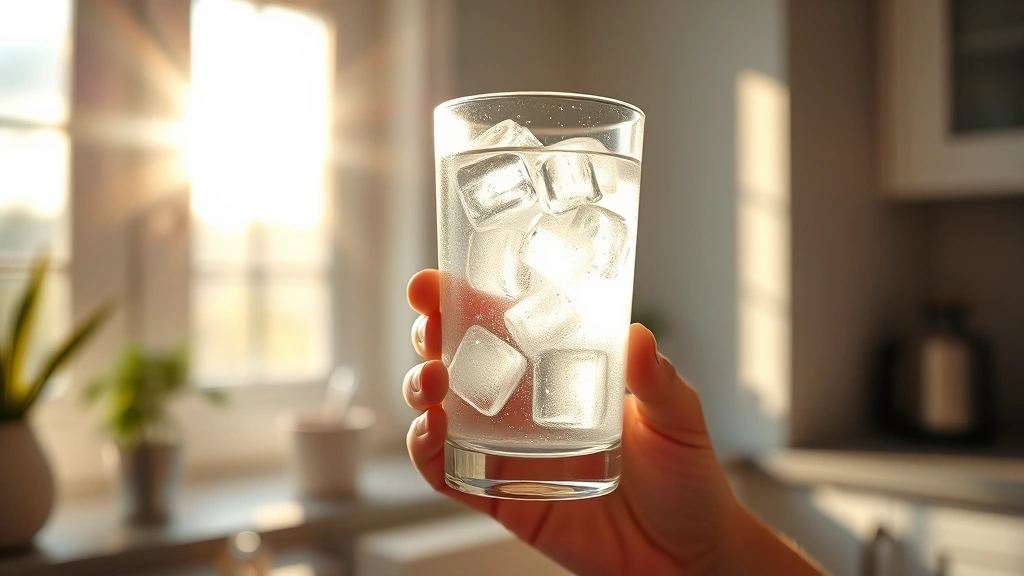
Does Ice Water Aid Weight Loss? Expert Insights
The question of whether ice water can help with weight loss has circulated through fitness communities, health blogs, and social media for years. While it might sound too simple to be true, there’s actually legitimate science behind the idea that drinking ice water could provide a modest boost to your weight loss efforts. However, understanding the reality—separating fact from hype—is essential for anyone serious about sustainable weight management.
Ice water alone won’t transform your body or replace the fundamentals of healthy eating and regular physical activity. That said, when combined with a comprehensive approach to wellness, it may offer a small metabolic advantage. In this guide, we’ll explore the science, examine expert opinions, and help you understand whether ice water deserves a place in your weight loss strategy.
The Thermogenesis Effect: How Ice Water May Boost Metabolism
At the heart of the ice water weight loss discussion lies a physiological process called thermogenesis—the production of heat in the body. When you consume ice water, your body must expend energy to warm that cold liquid to your core body temperature. This process, known as cold-induced thermogenesis or cold thermogenesis, requires your metabolism to work harder, theoretically burning additional calories in the process.
Your body’s metabolic rate increases when it needs to regulate temperature. Think of it this way: your body is like a furnace that must maintain a specific internal temperature. When you introduce something cold, the furnace works harder to bring everything back to normal operating temperature. This requires energy—and energy expenditure means calories burned.
However, it’s crucial to manage expectations here. The number of calories burned through this mechanism is relatively modest. Research suggests that drinking one liter of cold water at approximately 37 degrees Fahrenheit might burn around 8-15 extra calories. While this isn’t insignificant when multiplied across many days, it’s not a game-changer on its own. Combined with other weight loss efforts, though, these small gains can contribute to meaningful results over time.
Scientific Research on Cold Water and Weight Loss
Several peer-reviewed studies have investigated the relationship between cold water consumption and metabolic rate. A landmark study published in the Journal of Clinical Endocrinology & Metabolism found that drinking about 500 milliliters (roughly 17 ounces) of water increased metabolic rate by approximately 30% for about 30-40 minutes afterward. However, this effect occurred regardless of whether the water was cold or room temperature, suggesting that hydration itself—not necessarily the temperature—was the primary factor.
More recent research has focused specifically on cold water’s unique benefits. A study examining cold water immersion and metabolic effects found that exposure to cold does activate brown adipose tissue (brown fat), which burns calories to generate heat. While this research primarily involved cold water immersion rather than drinking ice water, it provides theoretical support for the ice water hypothesis.
According to CDC nutrition research, proper hydration is essential for weight management, though the temperature of that water plays a secondary role. The most important factor is consistently drinking enough water throughout the day, regardless of its temperature.
Experts from the Academy of Nutrition and Dietetics emphasize that while ice water may provide marginal metabolic benefits, these benefits are most noticeable when combined with calorie deficit and regular physical activity. The organization notes that the weight loss industry often overstates the significance of minor metabolic tweaks.
Hydration and Appetite Suppression
Beyond thermogenesis, ice water may support weight loss through appetite suppression. Drinking water—especially before meals—can create a sense of fullness, potentially reducing overall calorie intake. Some research suggests that cold water may have a slightly greater appetite-suppressing effect than warm water, though the difference is modest.
When you drink ice water before eating, you’re physically filling your stomach with a zero-calorie substance. This can help you feel more satisfied with smaller portions. Additionally, the act of drinking water signals satiety to your brain, activating neural pathways associated with fullness and satisfaction.
The temperature factor may matter here too. Cold sensations can activate the parasympathetic nervous system in ways that might influence appetite hormones. However, the practical difference between ice water and room temperature water for appetite suppression is minimal—the key is drinking water consistently and strategically.
If you’re looking to optimize your nutrition for weight loss, consider pairing your ice water consumption with a weight loss and high protein diet, which naturally supports satiety and metabolic function.
Ice Water vs. Room Temperature Water
The fundamental question many people ask is: does ice water offer advantages over room temperature water for weight loss? The honest answer is yes, but the advantages are marginal and often overstated.
Research comparing cold and room temperature water consumption suggests that cold water does require slightly more energy for your body to process. However, the difference is typically only a few extra calories per liter consumed. Over a year, if you consistently drank ice water instead of room temperature water, you might burn an additional 100-200 calories—equivalent to roughly 0.5 pounds of body weight.
The practical implication? If you already enjoy drinking water and prefer it cold, switching to ice water won’t hurt your weight loss efforts. However, if you dislike ice water or it causes discomfort (such as dental sensitivity), there’s no compelling reason to force yourself to drink it. The consistency of hydration matters far more than the temperature.
What really makes a difference is replacing calorie-containing beverages with water—whether cold or room temperature. Swapping sugary sodas, high-calorie coffee drinks, or alcohol for water provides dramatic calorie savings that dwarf any thermogenic benefit from temperature.
How to Incorporate Ice Water Into Your Routine
If you’re interested in maximizing the potential benefits of ice water for weight loss, here are practical strategies:
- Start your day with ice water: Drinking a glass of ice water first thing in the morning jumpstarts your metabolism and begins hydration for the day.
- Drink ice water before meals: Consume 8-16 ounces of ice water 15-20 minutes before eating to promote satiety and reduce overall calorie intake.
- Replace high-calorie beverages: Make ice water your default beverage throughout the day instead of sugary drinks, juices, or high-calorie coffee beverages.
- Keep ice water accessible: Fill a water bottle with ice and keep it with you at work, during workouts, or while running errands to encourage consistent consumption.
- Add natural flavor: If plain water seems boring, add lemon, lime, cucumber, or berries to make ice water more appealing without adding significant calories.
- Drink during workouts: Ice water is particularly refreshing during and after aerobic exercises for fat loss, supporting both hydration and performance.
The key is making ice water consumption a consistent habit rather than an occasional practice. Small, consistent actions compound over time to produce meaningful results.
Combining Ice Water With Other Weight Loss Strategies
While ice water alone won’t produce dramatic weight loss, its benefits multiply when combined with evidence-based weight loss strategies. Consider these complementary approaches:
Protein and Nutrition: Combine ice water consumption with high protein diet principles for enhanced satiety and metabolic support. Protein increases thermogenesis more than carbohydrates or fats, creating a synergistic effect with ice water’s thermogenic properties.
Regular Exercise: Ice water consumption pairs well with regular physical activity. Staying hydrated during aerobic exercise routines improves performance and recovery while supporting metabolic function. Cold water may also feel particularly refreshing during and after workouts.
Health Monitoring: Track your progress by monitoring weight loss and blood pressure changes, which often improve together with consistent lifestyle modifications. Ice water supports hydration, which is essential for cardiovascular health during weight loss.
Long-Term Sustainability: Remember that maintaining weight loss requires consistent strategies beyond initial weight reduction. Making ice water a permanent habit supports long-term hydration and metabolic health.
Technology Support: Consider using fitness apps to track water consumption, calories, and exercise, creating accountability and awareness that drives better decision-making.
Potential Drawbacks and Considerations
While ice water is generally safe and beneficial for most people, certain considerations apply:
Dental Sensitivity: People with sensitive teeth may experience discomfort from consuming very cold water regularly. If this applies to you, room temperature water is a perfectly valid alternative.
Digestive Concerns: Some individuals find that consuming large quantities of very cold water causes digestive discomfort, bloating, or cramping. Listen to your body and adjust accordingly.
Mineral Content: Very cold water may affect mineral absorption slightly, though this effect is negligible for most people. If you have specific mineral deficiencies or health conditions, consult with a healthcare provider.
Not a Substitute for Fundamentals: It’s crucial to understand that ice water is a supplement to, not a replacement for, proper nutrition, regular exercise, and adequate sleep. No beverage—no matter how cold—can compensate for a consistently poor diet or sedentary lifestyle.
Individual Variation: The thermogenic effect of cold water varies between individuals based on factors like age, body composition, metabolic rate, and overall health status. What works significantly for one person may have minimal effect on another.
According to the American Society of Bariatric Physicians, sustainable weight loss results from comprehensive lifestyle changes rather than single interventions. Ice water can be one small piece of a larger puzzle.
FAQ
How much ice water should I drink daily for weight loss benefits?
There’s no magic number, but aim for at least 8-10 glasses (64-80 ounces) of water daily, as recommended by general health guidelines. You can drink this as ice water, room temperature water, or a combination. The consistency matters more than the specific quantity or temperature.
Will ice water alone help me lose weight?
No. Ice water can provide a modest metabolic boost and support satiety, but it won’t produce significant weight loss without calorie deficit and regular physical activity. Think of it as a helpful supplement to a comprehensive weight loss strategy, not a standalone solution.
Is ice water better than other beverages for weight loss?
Ice water is superior to sugary drinks, high-calorie coffee beverages, and alcohol because it contains zero calories. Whether ice water is better than room temperature water for weight loss is debatable—the temperature difference produces only marginal additional calorie burn.
Can ice water boost my metabolism permanently?
No. The thermogenic effect of cold water is temporary, lasting approximately 30-40 minutes after consumption. However, consistent hydration supports overall metabolic health and function.
Does ice water help with belly fat specifically?
No. You cannot target fat loss to specific body areas through any beverage or food. Weight loss occurs throughout the body based on genetics and overall calorie deficit. Ice water supports general weight loss efforts, not spot reduction.
Are there any risks to drinking ice water daily?
For most healthy people, daily ice water consumption is safe. However, people with dental sensitivity, certain digestive conditions, or specific health concerns should consult healthcare providers. Pregnant women and those with particular medical conditions may have individual considerations.
How does ice water compare to ice baths for weight loss?
Ice baths expose your entire body to cold, potentially triggering more significant cold thermogenesis than drinking ice water alone. However, ice baths are uncomfortable, impractical for daily use, and carry risks of overcooling. Drinking ice water is safer and more sustainable for long-term weight management.
Conclusion: Ice water can modestly support weight loss efforts through thermogenesis and appetite suppression, but it’s not a magic solution. When combined with proper nutrition, regular exercise, and healthy lifestyle habits, ice water contributes to a comprehensive weight management strategy. The most important principle is consistency—whether you’re drinking ice water, room temperature water, or pursuing any other health habit. Focus on building sustainable practices that work for your body and preferences, and remember that successful weight loss is a marathon, not a sprint. If you’re serious about achieving lasting results, consider implementing multiple evidence-based strategies simultaneously, and don’t hesitate to consult with qualified healthcare professionals for personalized guidance.


