Infant Weight Loss Tips? Pediatrician Insights
Watching your infant’s weight fluctuations can be concerning for any parent. Unlike adults pursuing intentional healthy meal plans for weight loss, infants experience natural weight changes during their first months of life. Understanding what constitutes normal infant weight loss versus concerning patterns is essential for every caregiver. Pediatricians recognize that newborn weight loss in the first week is expected and physiological, but knowing when to seek professional guidance protects your baby’s health and development.
Infant weight management differs fundamentally from adult approaches. While parents may explore weight loss and high protein diet strategies for themselves, infants require specialized assessment by healthcare providers. This comprehensive guide explores pediatrician-backed insights about infant weight changes, when weight loss is normal, and how to support optimal growth during critical developmental years.
Understanding Normal Newborn Weight Loss
Newborns typically lose weight during their first few days of life—a phenomenon that surprises many first-time parents but represents completely normal physiology. Most healthy full-term infants lose between 7-10% of their birth weight within the first week, with some losing up to 15% depending on feeding method and individual factors. This weight loss occurs as babies expel meconium (their first stool), urine, and excess fluids accumulated in utero.
The mechanism behind this expected weight loss involves fluid redistribution. During pregnancy, babies exist in an aqueous environment and accumulate extra fluid in their tissues. After birth, as infants begin breathing air and their kidneys function independently, they naturally shed this excess fluid through urine and respiration. Additionally, newborns begin feeding gradually, often taking only small amounts of colostrum during initial breastfeeding sessions or formula intake. This combination of fluid loss and minimal caloric intake creates the predictable weight decrease observed in healthy newborns.
Pediatricians typically become concerned only when weight loss exceeds 10% of birth weight or continues beyond the first week without recovery. Most infants begin regaining weight by day 3-5 and typically return to birth weight by 10-14 days of age. Understanding this normal pattern helps parents avoid unnecessary anxiety while remaining vigilant about signs of feeding difficulties. Unlike adults considering best weight loss pills for intentional reduction, infants need support achieving adequate weight gain for healthy development.
Recovery from initial weight loss depends heavily on establishing effective feeding patterns. Whether breastfeeding or formula feeding, successful milk transfer or adequate formula intake determines how quickly infants regain weight. Pediatricians assess feeding effectiveness through observation, infant behavior, and weight gain trajectories during the critical first two weeks.
When Infant Weight Loss Becomes a Concern
While some weight loss is expected, certain patterns warrant immediate pediatric evaluation. Weight loss exceeding 10% of birth weight, continued weight loss beyond day 5, or failure to regain birth weight by 3 weeks of age indicates potential feeding or health issues requiring professional assessment. Additionally, infants who appear lethargic, feed poorly, or show signs of dehydration need urgent evaluation.
Red flags include decreased urine output (fewer than 6 wet diapers daily by day 5), infrequent or hard stools, excessive sleepiness, difficulty awakening for feeds, or a weak cry. These signs suggest inadequate milk or formula intake and demand prompt pediatric consultation. Parents should also watch for maternal pain during breastfeeding, engorgement, or concerns about milk supply, as these factors directly impact infant feeding success.
Premature infants have different weight loss expectations than full-term babies. Preemies often experience greater initial weight loss and require longer recovery periods. Their smaller birth weights mean even modest weight loss represents a larger percentage, necessitating more careful monitoring. Pediatricians use specialized growth charts for premature infants, calculating their age from their due date rather than birth date for the first two years.
Certain medical conditions can cause problematic infant weight loss. Jaundice, infections, heart defects, metabolic disorders, and gastrointestinal issues may manifest as inadequate weight gain or continued weight loss. Pediatricians screen for these conditions during routine newborn exams and follow-up visits, using clinical judgment to determine whether weight patterns suggest underlying health concerns requiring further investigation.

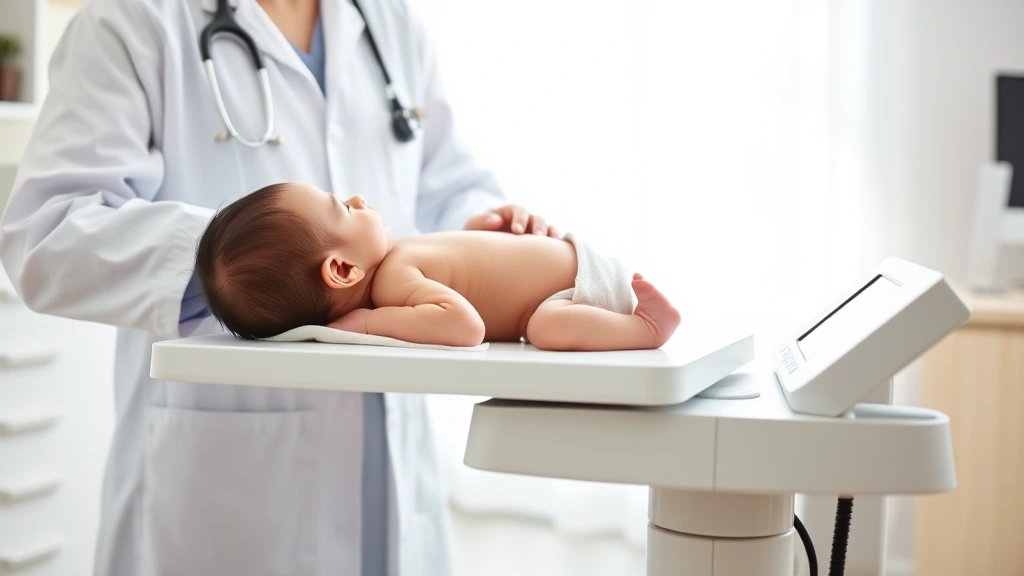
” alt=”Pediatrician measuring infant weight during routine wellness check”>
Feeding Assessment and Support
Effective feeding is the cornerstone of healthy infant weight gain. Pediatricians assess feeding through multiple approaches: observing latch and suckling, evaluating milk transfer signs (audible swallowing, adequate drainage), and monitoring infant behavior. For breastfeeding families, lactation consultants provide specialized support addressing latch difficulties, positioning concerns, or milk supply questions that impact infant weight gain.
Breastfeeding success requires proper technique and adequate frequency. Newborns typically feed 8-12 times daily, though frequency varies individually. Signs of effective breastfeeding include audible swallowing, soft breasts after feeding, and infant contentment. If concerns arise, ACOG (American College of Obstetricians and Gynecologists) recommends lactation support before supplementation becomes necessary, though supplementation may be needed in specific situations.
Formula-feeding parents need guidance on preparation, storage, and appropriate volumes. Newborns typically consume 1-3 ounces per feeding initially, increasing gradually to 4-5 ounces by one month. Parents should never dilute formula to extend supply, as this reduces critical nutrients and can cause serious complications. Following manufacturer guidelines ensures infants receive appropriate nutrition supporting optimal weight gain and development.
Combination feeding (breast and formula) can work successfully when managed appropriately. Some families introduce expressed breast milk or formula supplements due to milk supply concerns, maternal health issues, or returning to work. Pediatricians help families develop sustainable feeding plans that support both infant nutrition and parental wellbeing. Unlike adults exploring best cardio exercises for weight loss, infants require calorie-dense nutrition supporting growth rather than restriction.
Feeding challenges sometimes require specialized intervention. Tongue-tie, cleft palate, or oral motor difficulties may impair feeding effectiveness, necessitating evaluation by pediatric specialists. Early identification and treatment of these conditions prevents prolonged feeding struggles and associated weight gain problems.
Growth Tracking and Monitoring
Pediatricians use standardized growth charts to track infant weight gain over time, comparing each baby’s trajectory to population norms. The CDC and WHO provide growth charts for different populations, recognizing that genetic background influences growth patterns. Rather than focusing on absolute numbers, pediatricians emphasize consistent growth along established percentile channels. A baby tracking the 25th percentile who remains stable there shows healthy growth, while a baby dropping from the 75th to 25th percentile warrants investigation despite “normal” absolute weights.
Weight gain velocity—how quickly infants gain weight—provides crucial information about feeding adequacy. Healthy newborns typically gain 20-30 grams daily during the first month, with variation based on individual factors. Pediatricians calculate weight gain between visits, identifying concerning trends early. Growth faltering in early infancy requires prompt evaluation and intervention, as adequate nutrition during this critical period supports brain development and long-term health outcomes.
Regular pediatric visits at 3-5 days, 2 weeks, 1 month, 2 months, 4 months, and 6 months allow systematic growth monitoring. These appointments provide opportunities for feeding assessment, developmental evaluation, and parent education. Parents should bring infant weight records from home scales to appointments, though clinical measurements provide the most accurate data for growth assessment.
An infant weight loss calculator used by pediatricians helps standardize assessment of early weight loss and recovery. These tools, based on clinical evidence, help distinguish normal variation from concerning patterns. However, clinical judgment considering individual circumstances remains essential, as no calculator replaces comprehensive pediatric evaluation.
Common Causes of Problematic Weight Loss
Insufficient milk transfer represents the most common cause of inadequate infant weight gain in breastfed babies. Latch problems, positioning issues, tongue-tie, or maternal factors like inverted nipples can impair milk removal and transfer. Mothers experiencing severe pain, engorged breasts, or concerns about supply need prompt lactation support. International Lactation Consultant Association (ILCA) can help parents locate qualified lactation professionals in their area.
Maternal factors significantly influence breastfeeding success. Postpartum depression, exhaustion, or medical complications may reduce feeding frequency or duration. Additionally, certain medications affect milk supply or infant feeding. Mothers struggling with these challenges benefit from comprehensive support addressing both physical and emotional aspects of postpartum adjustment.
Low milk supply, though less common than perceived, does occur in some women. Causes include inadequate gland development, hormonal issues, previous breast surgery, or insufficient feeding frequency. Mothers concerned about supply should work with lactation specialists and pediatricians to assess actual production through infant output and weight gain rather than relying on subjective feelings.
Infant oral motor difficulties, including tongue-tie, cleft palate, or neurological conditions, impair feeding effectiveness. Premature infants may struggle with coordination of sucking, swallowing, and breathing. These babies require specialized feeding approaches and sometimes temporary alternative feeding methods while developing necessary skills. Early identification prevents prolonged feeding struggles and associated weight concerns.
Infection or illness causes problematic weight loss in previously stable infants. Urinary tract infections, ear infections, respiratory illnesses, or other conditions may reduce feeding interest or increase caloric expenditure. Pediatricians systematically evaluate infants with unexplained weight loss, ensuring underlying medical issues receive appropriate treatment.
Professional Guidance and Resources
Pediatricians serve as primary resources for infant weight concerns, conducting comprehensive evaluations combining weight measurements, feeding assessment, developmental screening, and physical examination. They identify problematic patterns early, distinguish normal variation from concerning trends, and connect families with appropriate support services. Regular pediatric visits remain essential, not optional, for monitoring infant growth and development.
Lactation consultants provide specialized support for breastfeeding families, offering evidence-based strategies addressing latch, positioning, milk supply, and feeding efficiency. Academy of Lactation Professionals maintains directories of certified lactation consultants in most areas. Insurance often covers lactation services, particularly when pediatricians refer due to documented feeding difficulties.
For families exploring broader health topics, resources like weight loss challenge programs and motivational quotes for weight loss serve adult audiences, but infant care requires specialized pediatric guidance. Parents addressing their own postpartum weight concerns should pursue those goals through appropriate adult programs while ensuring infant feeding receives dedicated attention.
American Academy of Pediatrics (AAP) provides evidence-based guidelines for infant feeding, growth monitoring, and management of common feeding challenges. Their resources help parents understand normal development and identify when professional evaluation is warranted. Many pediatric offices provide AAP-endorsed educational materials supporting parent understanding of infant health topics.

” alt=”Mother and infant bonding during peaceful feeding time at home”>
Support groups for new parents offer valuable peer connection and practical advice. La Leche League, WIC programs, and hospital-based parent groups provide education, encouragement, and community. These resources help parents feel less isolated while learning from others’ experiences, though they complement rather than replace professional pediatric care.
Documentation of feeding patterns, infant behavior, and parental concerns helps pediatricians provide targeted support. Parents should track wet diapers, stools, feeding frequency, and any concerns between appointments, bringing this information to pediatric visits. Detailed information enables pediatricians to assess feeding adequacy more accurately than relying on memory alone.
FAQ
Is it normal for newborns to lose weight?
Yes, healthy newborns typically lose 7-10% of birth weight during the first week as they expel meconium and excess fluids. Weight loss exceeding 10% or continuing beyond day 5 warrants pediatric evaluation.
When should I be concerned about my infant’s weight loss?
Consult your pediatrician if your infant loses more than 10% of birth weight, shows continued weight loss beyond day 5, fails to regain birth weight by 3 weeks, has fewer than 6 wet diapers daily by day 5, or appears lethargic or feeds poorly.
How can I tell if my baby is getting enough milk?
Signs of adequate feeding include audible swallowing during breastfeeding, soft breasts after feeding, 6+ wet diapers daily by day 5, 3+ stools daily (more frequently in early weeks), and steady weight gain after initial loss. Your pediatrician can formally assess feeding adequacy.
What if my baby isn’t gaining weight properly?
Contact your pediatrician immediately for evaluation. They’ll assess feeding, rule out medical conditions, and may refer you to a lactation consultant or feeding specialist. Interventions depend on underlying causes but may include feeding technique adjustments, supplementation, or treatment of medical issues.
Do growth charts accurately predict my baby’s adult size?
Growth charts show how infants compare to population norms but don’t precisely predict adult height. Genetic factors, nutrition, health, and environmental factors influence growth throughout childhood. Pediatricians use charts to monitor healthy growth patterns rather than predict future outcomes.
Should I use a home scale to monitor my infant’s weight?
Home scales often lack accuracy needed for detecting small weight changes in infants. Clinical scales at pediatric offices provide reliable measurements. Frequent home weighing can increase parental anxiety without providing actionable information. Rely on pediatric office weights taken at scheduled visits.


