Inositol for Weight Loss? Nutritionist Insights on This Emerging Supplement
Inositol has gained significant attention in the weight loss and metabolic health community over the past few years. This naturally occurring compound, often classified as a B-vitamin-like substance, is being studied for its potential role in supporting healthy weight management and metabolic function. If you’re exploring supplement options alongside low carb diets for weight loss or other lifestyle changes, understanding inositol’s mechanisms and evidence base is essential for making informed decisions.
As a nutritionist resource, this article examines the current scientific understanding of inositol, its different forms, how it may support weight loss efforts, and what you should know before adding it to your wellness routine. We’ll explore the research, address common questions, and provide practical guidance on whether this supplement might be right for your individual health goals.
What Is Inositol and How Does It Work?
Inositol is a naturally occurring compound found in many foods, including fruits, beans, grains, and nuts. While technically not a true vitamin, it’s classified alongside B vitamins due to its similar functions in the body. Your body can also synthesize inositol from glucose, meaning you don’t rely entirely on dietary sources. This compound plays crucial roles in cell signaling, neurotransmitter function, and importantly for our discussion, insulin regulation.
The primary mechanism through which inositol may support weight loss involves its role as a second messenger in insulin signaling pathways. When cells respond more effectively to insulin, glucose metabolism improves, potentially reducing fat storage and supporting healthy weight management. Inositol also influences hormone production and neurotransmitter balance, which can affect appetite regulation and mood—both important factors in sustainable weight loss.
Research published in the Journal of Clinical Endocrinology & Metabolism has shown that inositol supplementation can enhance insulin sensitivity at the cellular level. This improvement in how your cells handle glucose and insulin may create a metabolic environment more conducive to fat loss, particularly when combined with other evidence-based strategies like strength training exercises for weight loss.
Types of Inositol: Myo-Inositol vs. D-Chiro-Inositol
Not all inositol is created equal. The two most studied forms for weight loss and metabolic health are myo-inositol and D-chiro-inositol, and understanding their differences is important for choosing the right supplement.
Myo-Inositol is the most abundant form in nature and the human body. It comprises approximately 99% of total body inositol and is the primary form involved in insulin signaling. Most clinical research on weight loss and metabolic health has focused on myo-inositol, making it the most evidence-backed form for these purposes.
D-Chiro-Inositol is another naturally occurring form that works synergistically with myo-inositol. While present in smaller quantities in the body, D-chiro-inositol plays a specific role in insulin signaling and has shown promise in studies, particularly for individuals with insulin resistance. Some research suggests a ratio of 40:1 myo-inositol to D-chiro-inositol may be optimal, though this ratio can vary based on individual needs.
For weight loss purposes, myo-inositol alone has more extensive research support, but combination formulas containing both forms may provide complementary benefits for certain individuals. The choice between them should ideally be made in consultation with a healthcare provider based on your specific metabolic profile.

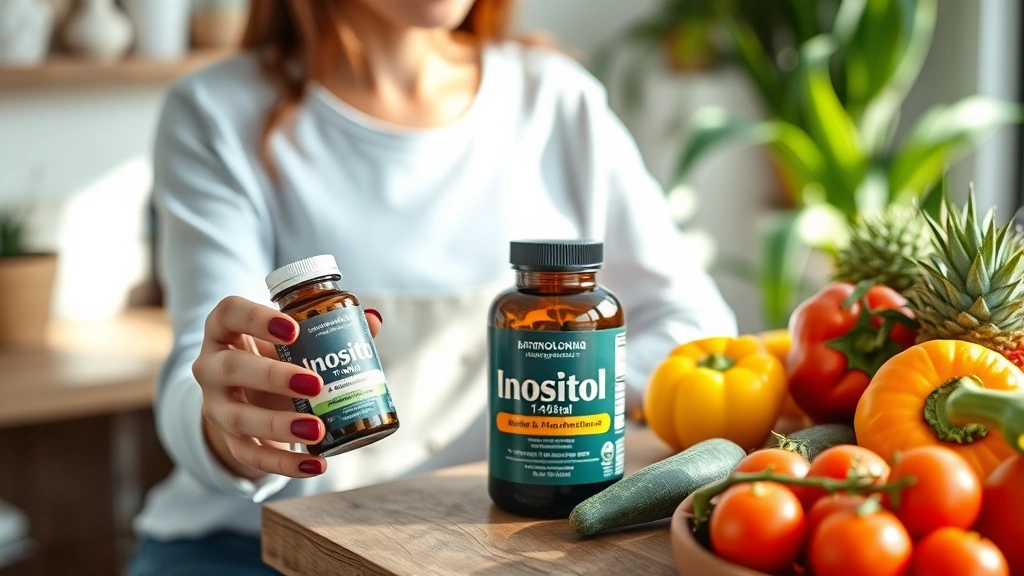
” alt=”Nutritionist examining supplement bottles and healthy foods in a wellness setting” />
Metabolic and Weight Loss Benefits
The potential weight loss benefits of inositol stem from its multifaceted effects on metabolism. Beyond insulin sensitivity, inositol influences several pathways relevant to weight management:
- Improved insulin signaling: Enhanced cellular response to insulin means more efficient glucose uptake and reduced fat storage
- Reduced insulin resistance: Lower circulating insulin levels can decrease hunger and cravings for refined carbohydrates
- Lipid metabolism: Inositol may influence how your body processes fats, potentially supporting healthier cholesterol and triglyceride levels
- Appetite regulation: Through effects on neurotransmitters like serotonin, inositol may help reduce emotional eating and improve satiety
- Energy production: Better glucose utilization can lead to improved energy levels, supporting more consistent exercise adherence
- Hormonal balance: Particularly important for women, inositol can help regulate hormones that influence weight distribution and metabolism
A systematic review published in Nutrients Journal found that inositol supplementation was associated with modest but meaningful reductions in body weight and waist circumference in multiple studies. While these benefits were generally more pronounced when combined with lifestyle modifications, the data suggests inositol can be a useful complementary tool rather than a standalone solution.
When considering weight loss supplements, it’s important to remember that inositol works best as part of a comprehensive approach that includes proper nutrition, physical activity, and behavioral strategies. Think of it as one component of a larger toolkit—similar to how weight loss shakes can support but not replace a balanced diet.
Insulin Sensitivity and Blood Sugar Control
Insulin resistance is increasingly recognized as a central factor in weight gain and metabolic dysfunction. When your cells don’t respond properly to insulin, your pancreas produces more of it to compensate, creating a vicious cycle that promotes fat storage and makes weight loss more difficult. This is where inositol’s primary benefit becomes most relevant.
Inositol enhances insulin receptor signaling, helping your cells respond more effectively to insulin. This improvement in insulin sensitivity has several downstream effects beneficial for weight management. First, it helps normalize blood sugar levels throughout the day, reducing the energy crashes that often trigger overeating and cravings for quick-energy foods.
Second, lower circulating insulin levels reduce the hormonal drive toward fat storage. Insulin is inherently anabolic—it signals your body to store energy as fat. By improving insulin sensitivity, you reduce this storage signal, making it easier for your body to access stored fat for energy.
Third, stable blood sugar supports stable mood and cognitive function. Many people experience mood swings, brain fog, and increased anxiety with blood sugar dysregulation, which can trigger stress eating and undermine weight loss efforts. By stabilizing blood sugar through improved insulin sensitivity, inositol may indirectly support better dietary choices and emotional eating patterns.
Research from the National Institutes of Health has documented these effects extensively. Studies show that individuals with insulin resistance who supplemented with inositol experienced improvements in fasting insulin levels, HOMA-IR scores (a measure of insulin resistance), and overall metabolic markers.
What Does the Research Show?
The scientific evidence for inositol and weight loss is encouraging, though researchers emphasize that it’s not a magic solution. Here’s what the current body of research indicates:
Weight Loss Studies: Multiple clinical trials have shown that myo-inositol supplementation, typically at doses of 2-4 grams daily, leads to modest weight loss—generally in the range of 2-5 pounds over 8-12 weeks when combined with dietary intervention. While this may seem modest, it’s comparable to many pharmaceutical weight loss interventions and represents a clinically meaningful improvement.
Metabolic Markers: Research consistently shows improvements in insulin sensitivity, fasting glucose, and triglyceride levels. A landmark study published in Reproductive Sciences found that women supplementing with myo-inositol showed significant improvements in insulin sensitivity and reductions in abdominal fat distribution.
Safety Profile: Inositol has an excellent safety profile with minimal side effects, even at high doses. This makes it an attractive option for long-term use compared to some pharmaceutical alternatives.
Synergistic Effects: The most impressive results occur when inositol is combined with lifestyle modifications including reduced calorie intake, increased physical activity, and behavioral support. This underscores that supplements work best within a comprehensive program.
External research from the CDC’s nutrition research division and various obesity medicine associations consistently shows that metabolic optimization through improved insulin sensitivity is foundational to sustainable weight loss.
Inositol and PCOS: A Special Connection
One of the most compelling applications of inositol supplementation is for individuals with Polycystic Ovary Syndrome (PCOS), a condition that significantly increases weight loss difficulty. PCOS is characterized by insulin resistance, hormonal imbalances, and metabolic dysfunction—all factors that inositol directly addresses.
Women with PCOS often struggle with weight gain despite dietary efforts, largely due to underlying insulin resistance. Inositol supplementation has become a standard recommendation from reproductive endocrinologists and fertility specialists for PCOS management. Studies show that women with PCOS who supplement with inositol experience more significant weight loss, improved ovulatory function, and better metabolic markers compared to placebo.
If you have PCOS and are interested in weight loss, inositol is worth discussing with your healthcare provider. The combination of inositol supplementation with other strategies like low carb approaches and regular exercise has shown particularly strong results for this population.
Beyond PCOS, anyone with documented insulin resistance or prediabetes may benefit from inositol supplementation as part of their metabolic health strategy.
Dosage, Safety, and Side Effects
If you’re considering inositol supplementation, understanding proper dosage and safety considerations is essential.
Recommended Dosing: Most clinical research has used doses of 2-4 grams of myo-inositol daily, typically divided into two doses with meals. Some studies examining PCOS used doses up to 4 grams daily. For combination formulas containing both myo-inositol and D-chiro-inositol, total inositol content typically ranges from 2-4 grams daily.
Duration: Research studies typically examine effects over 8-12 weeks, though many practitioners recommend 12-16 weeks for optimal results. Some individuals continue supplementation long-term for ongoing metabolic support.
Safety Profile: Inositol is remarkably safe. It’s a naturally occurring compound that your body produces and obtains from food. Side effects are rare and generally mild when they occur, including occasional mild gastrointestinal effects like nausea or bloating, particularly when doses are increased rapidly.
Interactions: Inositol has minimal known drug interactions. However, individuals taking medications for diabetes or psychiatric conditions should discuss supplementation with their healthcare provider, as improved insulin sensitivity or neurotransmitter effects could theoretically influence medication requirements.
Pregnancy and Breastfeeding: Inositol is generally considered safe during pregnancy and breastfeeding, and some evidence suggests it may benefit glucose metabolism during pregnancy. However, dosing decisions during these periods should be made with your obstetrician or midwife.
Quality matters when purchasing inositol supplements. Look for products from reputable manufacturers that have been third-party tested for purity and potency. This ensures you’re getting what the label claims without unwanted contaminants.
Combining Inositol with Other Weight Loss Strategies
Inositol works best as part of a comprehensive weight loss strategy. Here’s how to integrate it effectively with other evidence-based approaches:
Nutritional Foundation: Focus on whole foods, adequate protein, and fiber. Inositol helps optimize how your body processes nutrients, but it can’t overcome a poor diet. Consider how inositol fits with your overall nutritional approach—whether that’s low carb diets or other evidence-based eating patterns.
Physical Activity: Combine inositol with consistent exercise. Strength training exercises for weight loss are particularly valuable, as they build muscle tissue that improves insulin sensitivity and metabolic rate. Aim for at least 150 minutes of moderate-intensity cardio and 2-3 sessions of resistance training weekly.
Behavioral Support: Address eating patterns, stress management, and sleep quality. Inositol can help with some aspects of appetite regulation, but behavioral strategies remain foundational. Many people find that as their blood sugar stabilizes through improved insulin sensitivity, they naturally make better food choices.
Monitoring Progress: Track not just weight but also body fat percentage and how your clothes fit. Weight loss with improved insulin sensitivity often involves favorable body composition changes—losing fat while maintaining or building muscle.
Complementary Supplements: Consider discussing other supplements with your healthcare provider. Chromium, alpha-lipoic acid, and berberine have complementary mechanisms for supporting metabolic health, though inositol alone may be sufficient for many individuals.
Skin Health: As you lose weight with inositol and lifestyle changes, preventing loose skin after weight loss becomes relevant. Adequate protein, hydration, and gradual weight loss support skin elasticity.
Cardiovascular Health: Weight loss through improved metabolic health naturally supports cardiovascular health improvements. Inositol’s effects on lipid metabolism and blood pressure may provide additional cardiovascular benefits beyond weight loss.
Meal Replacement Options: Some individuals find that weight loss shakes help with portion control and meal consistency. Inositol can be taken alongside these tools without any concerns.
FAQ
How quickly will I see weight loss results from inositol?
Most clinical studies show measurable results within 8-12 weeks of consistent supplementation combined with dietary and lifestyle modifications. Individual results vary based on baseline insulin sensitivity, overall diet quality, exercise consistency, and other factors. Patience and consistency are more important than expecting rapid changes.
Can inositol help with weight loss if I don’t have PCOS or insulin resistance?
Yes, inositol can benefit anyone with suboptimal insulin sensitivity, which is quite common in individuals struggling with weight loss. However, the effects are generally most pronounced in those with documented insulin resistance or metabolic dysfunction. If you have normal insulin sensitivity, other interventions might be prioritized.
Is inositol a stimulant that will make me jittery?
No. Inositol is not a stimulant and doesn’t contain caffeine or other stimulating compounds. It works through metabolic and hormonal pathways rather than nervous system stimulation, making it suitable for people sensitive to stimulants.
Can I take inositol if I’m on diabetes medications?
You should consult your healthcare provider before starting inositol if you take diabetes medications. Because inositol improves insulin sensitivity, your medication requirements might need adjustment. This is actually a positive development, but it requires professional oversight to ensure safety and proper dosing.
What’s the difference between inositol supplements and getting inositol from food?
Food sources of inositol (beans, nuts, whole grains, citrus fruits) provide inositol along with other beneficial nutrients. However, the amounts in food are typically lower than therapeutic doses used in research. Supplements allow for consistent, controlled dosing to achieve the levels shown effective in clinical studies. An ideal approach combines both—eating inositol-rich foods while supplementing to reach therapeutic doses.
Are there any vegan or allergen-free inositol supplements?
Yes. Inositol supplements are typically derived from plant sources or synthesized and are naturally vegan. Most are free from common allergens, though you should verify ingredient lists and manufacturing practices for your specific needs.
Can I take inositol long-term?
Yes, inositol is safe for long-term use. Many individuals continue supplementation indefinitely as part of their metabolic health maintenance. However, periodic check-ins with your healthcare provider ensure continued appropriateness and allow for dose adjustments if needed.
Will inositol work without diet and exercise changes?
While inositol can provide metabolic benefits independently, research shows the most significant weight loss results occur when combined with dietary modifications and physical activity. Think of inositol as optimizing the metabolic environment—your diet and exercise create the stimulus for change, and inositol helps your body respond more effectively.


