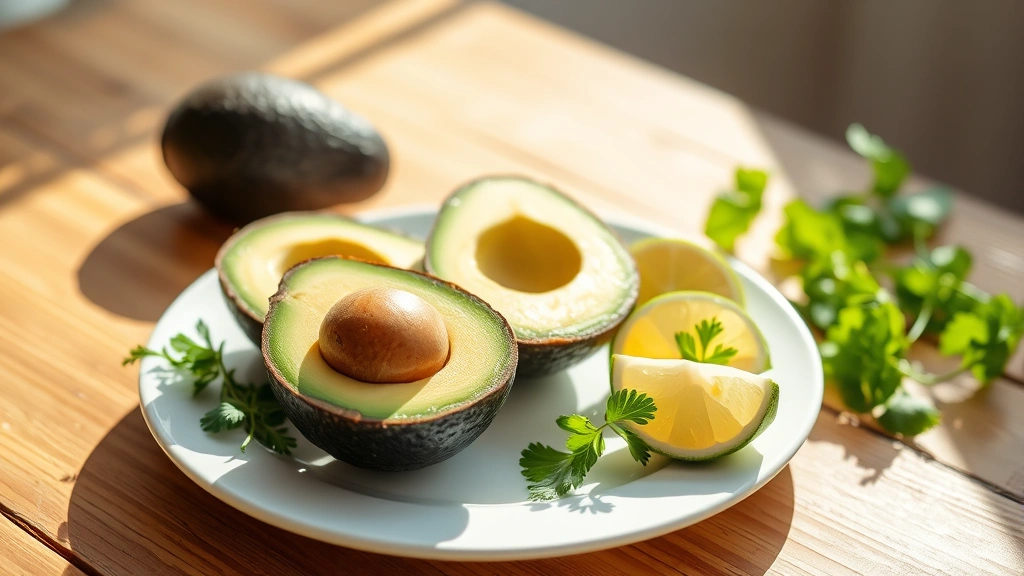
Avocado and Weight Loss: Nutritionist Explains
Avocados have earned a reputation as a superfood, but many people wonder whether this creamy fruit can actually support weight loss goals. The answer is nuanced: avocados can be an excellent addition to a weight loss plan when consumed strategically and in appropriate portions. As a nutritionist perspective, avocados offer unique nutritional benefits that align with evidence-based weight management principles, though understanding how to incorporate them properly is essential for success.
The confusion around avocados and weight loss often stems from their high calorie and fat content. At approximately 240 calories and 22 grams of fat per medium avocado, many people assume they’re counterproductive for shedding pounds. However, the quality of those calories and fats matters significantly. This comprehensive guide explores the science behind avocados, their role in sustainable weight loss, and practical strategies for including them in your nutrition plan without derailing your goals.
Nutritional Profile of Avocados
Understanding what makes avocados unique requires examining their complete nutritional composition. A medium avocado (approximately 100 grams) contains approximately 160 calories, 15 grams of fat, 9 grams of carbohydrates, and 7 grams of fiber. What distinguishes avocados from other high-fat foods is the type of fat they contain: predominantly monounsaturated fat, the same heart-healthy fat found in olive oil.
Avocados are exceptionally rich in dietary fiber, providing about 7 grams per medium fruit. This fiber content is crucial for weight loss because fiber promotes satiety, slows gastric emptying, and helps regulate blood sugar levels. Additionally, avocados contain potassium (more than bananas), vitamin K, vitamin E, and various B vitamins. They also provide lutein and zeaxanthin, powerful antioxidants that support eye health and reduce inflammation throughout the body.
The micronutrient density of avocados means you’re not just consuming empty calories; you’re fueling your body with nutrients that support metabolic health. Research published in the National Institutes of Health database indicates that the polyphenols and phytonutrients in avocados have anti-inflammatory properties that may benefit weight management by reducing metabolic inflammation.
How Avocados Support Weight Loss
The relationship between avocados and weight loss operates through several physiological mechanisms. First, the high fiber content creates a feeling of fullness that lasts for hours after consumption. When you feel satiated, you’re less likely to snack between meals or overeat at subsequent meals, naturally reducing your overall calorie intake without feeling deprived.
Second, avocados contain compounds that support healthy digestion and gut function. A healthy microbiome is increasingly recognized as essential for weight management, as your gut bacteria influence metabolism, appetite hormones, and energy storage. The prebiotic fiber in avocados feeds beneficial bacteria, promoting a diverse and healthy gut ecosystem.
Third, the monounsaturated fats in avocados improve insulin sensitivity and help stabilize blood sugar levels. This is particularly important because blood sugar stability reduces cravings for refined carbohydrates and sugary foods—a major obstacle for many people attempting weight loss. When your blood sugar remains steady, your energy levels are more consistent, and you’re less likely to experience the energy crashes that trigger unhealthy eating patterns.
Research from registered dietitian organizations shows that including healthy fats in meals actually enhances nutrient absorption. The fat-soluble vitamins A, D, E, and K require dietary fat for proper absorption. When you pair avocado with other nutrient-dense foods like leafy greens or colorful vegetables, you maximize the nutritional benefit of your entire meal.
Additionally, avocados contain glutathione, a powerful antioxidant that supports liver function. Since your liver is responsible for processing fats and regulating metabolism, supporting liver health indirectly supports your weight loss efforts. Some research suggests that oxidative stress and inflammation can contribute to weight gain and metabolic dysfunction, making the anti-inflammatory properties of avocados particularly valuable.
Many people successfully incorporate avocados into weight loss with intermittent fasting protocols, where the satiety-promoting properties of avocados help during eating windows. The combination of fiber and healthy fats makes avocados ideal for breaking fasts in a way that won’t cause blood sugar spikes.
Portion Control and Calorie Considerations
While avocados offer significant nutritional benefits, portion control remains essential for weight loss success. One medium avocado contains approximately 240 calories—a substantial portion of most people’s daily calorie budget. For someone following a 1500-calorie weight loss plan, a whole avocado represents 16% of their daily intake. This doesn’t mean you can’t eat avocados; it means being intentional about portions.
A practical approach involves consuming half an avocado (about 120 calories) as part of a balanced meal rather than consuming an entire avocado as a standalone snack. This portion size provides meaningful satiety benefits without excessive calories. Alternatively, you can measure avocado servings using a quarter-avocado increment, which equals approximately 60 calories and offers reasonable nutritional value.
The key principle is treating avocado as a healthy fat source rather than a “free food.” Just as you would account for olive oil, nuts, or other healthy fats in your calorie calculations, avocado portions should be measured and tracked. Many people inadvertently consume excess calories by eating avocado without portion awareness, particularly when spreading guacamole on toast or adding whole avocados to salads.
Context matters significantly. If you’re consuming avocado with best vegetables for weight loss, the additional fiber, water content, and nutrients from vegetables amplify satiety benefits while keeping your overall meal calorie-dense but nutrient-rich. However, pairing avocado with high-calorie additions like full-fat dairy, excessive oils, or refined carbohydrates can quickly push meals into calorie excess territory.
Tracking your avocado intake using a food logging app for at least a few weeks helps develop portion awareness. Many people are surprised to discover how many calories they’ve been consuming when they measure portions precisely. Once you’ve calibrated your sense of appropriate portions, you can often track more loosely while maintaining weight loss progress.
Best Ways to Incorporate Avocados
Strategic incorporation of avocados into your diet maximizes their weight loss benefits while preventing calorie excess. Here are evidence-based approaches:
- Breakfast additions: Add quarter or half-avocado slices to eggs, whole grain toast, or oatmeal. The combination of protein from eggs and fiber from avocado creates exceptional satiety that sustains you through the morning.
- Salad toppings: Incorporate avocado slices into large vegetable salads. The healthy fats help absorb fat-soluble vitamins from leafy greens while adding creamy texture without dressing.
- Smoothie ingredient: Blend avocado into smoothie recipes for weight loss for creamy texture and sustained energy. Avocado smoothies work particularly well with berries, spinach, and unsweetened almond milk.
- Sandwich spreads: Replace mayonnaise with mashed avocado on sandwiches or wraps. You’ll reduce calories while increasing fiber and nutrient density.
- Guacamole in moderation: Make homemade guacamole with avocado, lime, cilantro, and minimal salt. Use measured portions (about 3 tablespoons) with vegetable crudités rather than high-calorie chips.
- Soup garnish: Top vegetable or legume soups with thin avocado slices just before serving. The healthy fats help you absorb fat-soluble vitamins while adding nutritional value.
The most successful approach combines avocado with protein sources. Whether it’s eggs, fish, poultry, legumes, or Greek yogurt, pairing avocado with protein creates meals with optimal macronutrient balance. This combination triggers the strongest satiety signals and helps preserve lean muscle mass during weight loss.
Avocados in Different Diet Approaches
Avocados fit seamlessly into virtually every evidence-based weight loss framework. Within weight loss with intermittent fasting approaches, avocados provide substantial satiety during eating windows, making them ideal for breaking fasts. The healthy fats support hormone balance during fasting periods while the fiber promotes digestive health.
For low-carbohydrate or ketogenic diets, avocados are exceptional foods. With only 2 grams of net carbohydrates per ounce (when fiber is subtracted), they fit perfectly within strict carb limits while providing essential electrolytes like potassium that many people lack on low-carb diets.
Mediterranean-style eating patterns, which emphasize healthy fats and plant-based foods, naturally incorporate avocados. Research on Mediterranean diets shows sustained weight loss and improved metabolic markers, and avocados complement these dietary patterns beautifully.
Plant-based and vegetarian weight loss plans benefit tremendously from avocados, which provide the fat-soluble nutrient absorption support and satiety that meat-eaters obtain from animal products. For vegetarians and vegans, avocados become a crucial source of complete monounsaturated and polyunsaturated fats.
Even calorie-restricted approaches, where total intake is carefully monitored, accommodate avocados effectively. The satiety benefits often allow people to maintain lower calorie intake more comfortably when avocados are included strategically.
Common Mistakes to Avoid
Understanding how to avoid common pitfalls helps maximize avocado’s weight loss potential:
- Consuming whole avocados without measuring: Many people eat entire avocados without realizing they’ve consumed 240+ calories. Measure portions using a food scale or visual guides until portion estimation becomes automatic.
- Pairing avocado with high-calorie additions: Guacamole made with sour cream, cheese, and oil-based dips can exceed 300 calories per serving. Stick to simple preparations: avocado, lime, cilantro, and minimal salt.
- Assuming avocado is “free” because it’s healthy: While nutritious, avocados contain calories that must be accounted for in your overall intake. “Healthy” doesn’t mean unlimited.
- Neglecting meal balance: Eating avocado without adequate protein or non-starchy vegetables reduces satiety benefits. Balance matters as much as portion size.
- Choosing convenience over quality: Pre-made guacamole often contains added oils, preservatives, and excess sodium. Make your own or choose whole avocado slices when possible.
- Ignoring hydration: Some people experience constipation when increasing fiber intake without adequate weight loss and water intake. Drink sufficient water when incorporating avocados.
Comparing Avocados to Other Healthy Fats
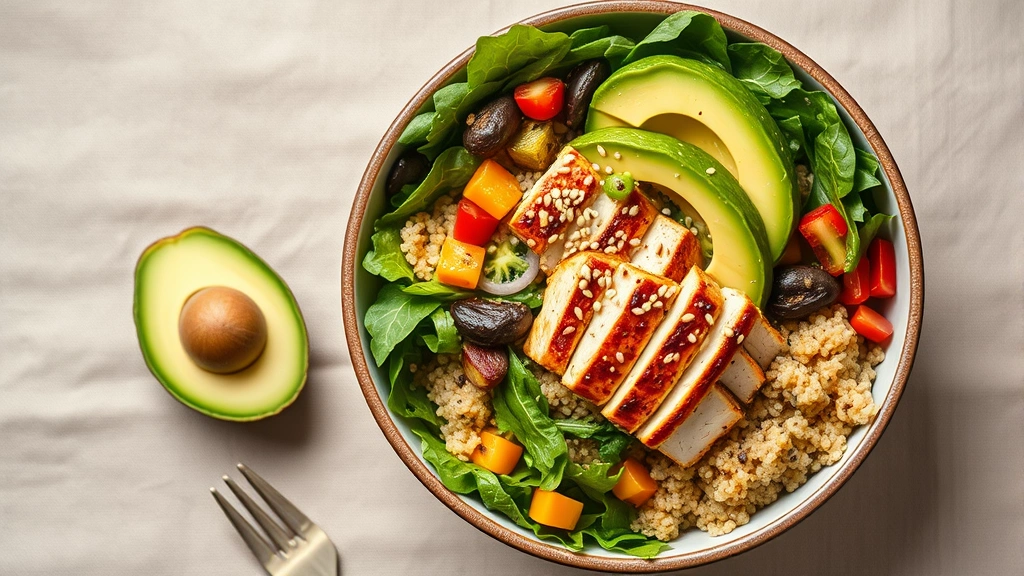
Understanding how avocados compare to other healthy fat sources helps you make optimal food choices for your specific situation. Avocados, olive oil, nuts, seeds, and fatty fish all provide health benefits, but they differ in practical applications.
Compared to olive oil (120 calories per tablespoon), avocado provides more fiber, vitamins, and minerals while delivering similar healthy fats in a whole-food form. However, olive oil offers more concentrated fat and works better for cooking applications. For weight loss, whole-food sources like avocado typically promote greater satiety than oils.
Nuts and seeds provide similar monounsaturated and polyunsaturated fats but with higher calorie density and less fiber. A quarter-cup of almonds (about 23 nuts) contains 206 calories, similar to a half-avocado’s calorie count but with less fiber and more calories per unit weight. Both can support weight loss, but avocado’s higher water and fiber content typically promotes greater satiety.
Fatty fish like salmon provides omega-3 fatty acids that avocados lack, making fish valuable for anti-inflammatory benefits and cardiovascular health. Ideally, your diet includes multiple healthy fat sources rather than relying exclusively on avocados.
For individuals managing Mounjaro weight loss or other pharmaceutical interventions, avocados pair excellently with these approaches. The nutrient density supports overall health while the satiety benefits complement medication effects.
The most practical approach involves rotating healthy fat sources. Some meals feature avocado, others include nuts or seeds, and still others incorporate fish or olive oil. This variety ensures you obtain the diverse micronutrient and phytochemical benefits each source provides while preventing monotony.
FAQ
Can I eat avocado every day for weight loss?
Yes, you can include avocado daily if portion-controlled. A quarter to half-avocado daily fits comfortably within most weight loss plans. However, ensure portions are measured and the remainder of your diet supports your calorie goals. Variety in food choices also ensures you obtain diverse nutrients.
How much avocado should I eat per day?
For weight loss, consuming half an avocado (approximately 120 calories) daily is reasonable. Some people do well with a quarter-avocado (60 calories) if their calorie budget is tight. Listen to your body’s satiety signals and adjust portions accordingly.
Is avocado oil better than whole avocado for weight loss?
Whole avocado is superior for weight loss because it contains fiber, water, and nutrients that promote satiety. Avocado oil provides 120 calories per tablespoon with no fiber. While avocado oil offers health benefits, whole avocado better supports weight loss goals.
Can avocado help with belly fat specifically?
While no food targets fat loss in specific body areas, avocado’s anti-inflammatory properties and support for metabolic health may help reduce overall body fat, including abdominal fat. Consistent weight loss through calorie deficit combined with healthy eating patterns produces the most dramatic results.
What’s the best time to eat avocado for weight loss?
Timing matters less than total daily intake, but incorporating avocado at breakfast or lunch provides extended satiety throughout the day. Some people find avocado in smoothies works well for sustained energy, while others prefer it in salads or with eggs.
Does avocado increase metabolism?
While avocado doesn’t directly “boost” metabolism, its nutrient density supports optimal metabolic function. The fiber content requires energy for digestion, and the healthy fats support hormone production essential for metabolic regulation.
Is guacamole as healthy as whole avocado?
Homemade guacamole made with whole avocado, lime, cilantro, and minimal added ingredients retains the nutritional benefits. However, commercial guacamole often contains added oils, preservatives, and excess sodium. Additionally, guacamole’s smooth texture reduces satiety compared to whole avocado slices.
Can I eat avocado if I’m doing low-carb weight loss?
Absolutely. Avocado contains only 2 grams of net carbohydrates per ounce, making it ideal for ketogenic and low-carbohydrate approaches. The potassium content also helps with electrolyte balance during low-carb adaptation.
How does avocado compare to is walking or running better for weight loss for overall health?
Avocado and exercise address different aspects of weight loss. Avocado supports nutrition and satiety while exercise builds muscle and improves cardiovascular health. Both are essential for comprehensive weight management and overall wellness.
Should I count avocado calories when tracking food intake?
Yes, absolutely. While avocado is nutrient-dense, it contains calories that must be accounted for in your total daily intake. Accurate tracking helps ensure you maintain the calorie deficit necessary for weight loss.


