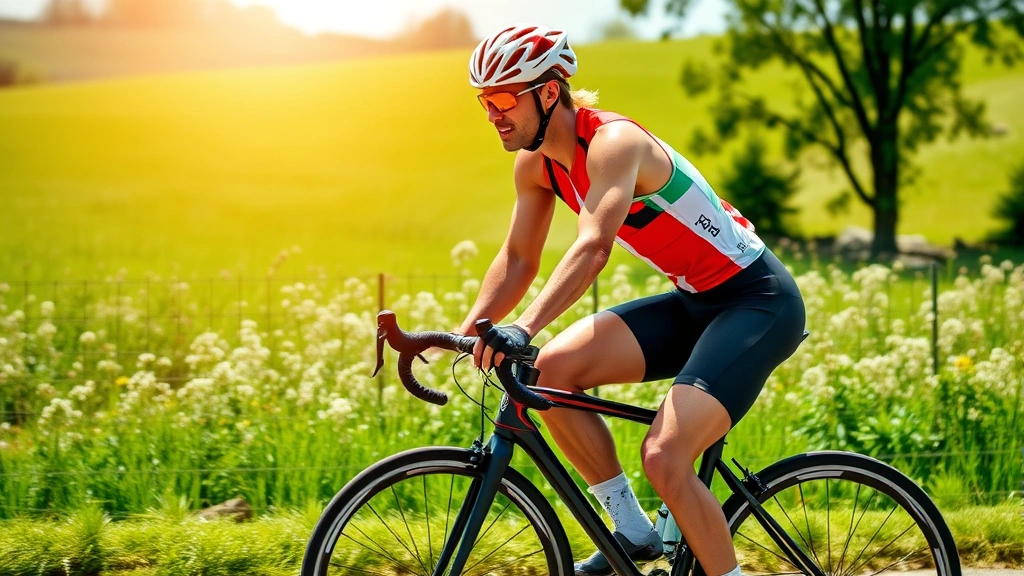
Is Bike Riding Good for Weight Loss? What Fitness Experts Say
Cycling has emerged as one of the most accessible and effective cardiovascular exercises for weight loss. Whether you’re commuting to work, enjoying weekend rides, or crushing intense indoor cycling sessions, bike riding offers a unique combination of calorie burn, muscle engagement, and sustainability that makes it an excellent choice for anyone looking to shed pounds. Unlike high-impact exercises that can strain your joints, cycling provides a low-impact workout that you can maintain consistently—a critical factor for long-term weight loss success.
The question isn’t whether bike riding is good for weight loss; rather, it’s how to maximize its benefits while creating the caloric deficit necessary for sustainable weight reduction. Fitness experts and sports scientists consistently point to cycling as a legitimate tool in any comprehensive weight loss program, particularly because it’s an activity people actually enjoy and can stick with over time.
How Many Calories Does Cycling Burn?
The calorie-burning potential of bike riding depends on several factors: your body weight, cycling intensity, duration, terrain, and fitness level. A person weighing 155 pounds can burn approximately 260 calories during 30 minutes of moderate-intensity cycling on a stationary bike, while the same person cycling outdoors at moderate intensity burns around 298 calories in that timeframe. For heavier individuals, calorie expenditure increases proportionally—a 185-pound person burns roughly 355 calories during the same 30-minute moderate ride.
High-intensity interval training (HIIT) on a bike can dramatically increase these numbers. Research published in the Journal of Obesity demonstrates that vigorous cycling can burn 400-600 calories per hour depending on intensity and individual factors. This is why many fitness professionals recommend cycling as a primary cardio method for weight loss—it delivers significant calorie expenditure without the joint stress of running.
The beauty of cycling for weight loss is that even moderate-intensity rides accumulate substantial calorie burns over time. Three 45-minute cycling sessions per week can create a meaningful weekly caloric deficit, especially when combined with intermittent fasting strategies or dietary adjustments. This consistency is often more sustainable than sporadic intense workouts.
The Metabolic Benefits Beyond Calorie Burning
While immediate calorie burn matters, cycling offers metabolic advantages that extend far beyond the time spent pedaling. Regular cycling increases your basal metabolic rate (BMR)—the number of calories your body burns at rest. This happens because cycling builds lean muscle mass, particularly in the quadriceps, glutes, hamstrings, and calf muscles. Muscle tissue is metabolically active, meaning it burns calories even when you’re not exercising.
According to research from the American College of Sports Medicine, consistent aerobic exercise like cycling improves insulin sensitivity and glucose metabolism. This is particularly important for weight loss because better insulin function helps regulate blood sugar levels, reducing cravings and promoting more stable energy throughout the day. When your body manages blood sugar effectively, you’re less likely to experience the energy crashes that lead to overeating.
Cycling also influences hormonal balance in ways that support weight loss. Regular aerobic exercise reduces cortisol (the stress hormone) and increases endorphins, which can decrease emotional eating and improve mood. Additionally, cycling increases adiponectin production, a hormone that improves insulin sensitivity and fat metabolism. These metabolic shifts create an internal environment more conducive to weight loss, even on days when you’re not actively riding.
Intensity Matters: Different Cycling Styles for Weight Loss
Not all cycling is created equal when it comes to weight loss. The intensity at which you ride significantly impacts results. Fitness experts recognize three primary cycling intensities, each offering distinct benefits:
Steady-State Moderate Intensity: This is cycling at a conversational pace—you can talk but not sing. It typically represents 60-70% of your maximum heart rate. This intensity is sustainable for 45-90 minutes and is excellent for building aerobic capacity while burning substantial calories. Many people find this the most enjoyable form of cycling because it’s not exhausting, making it easier to maintain as a regular habit.
Tempo or Threshold Cycling: Slightly harder than moderate intensity, tempo cycling is performed at 75-85% of maximum heart rate. You can speak only in short phrases. This intensity burns more calories per minute and builds muscular endurance. Most people can maintain this for 20-40 minutes. Research shows that regular tempo cycling accelerates weight loss compared to purely moderate-intensity work.
High-Intensity Interval Training (HIIT): This involves alternating between intense efforts (85-95% max heart rate) and recovery periods. A typical HIIT session might include 30 seconds of all-out effort followed by 90 seconds of easy pedaling, repeated for 20-30 minutes total. Despite shorter duration, HIIT burns exceptional calories and creates an “afterburn effect” (excess post-exercise oxygen consumption) where your metabolism remains elevated for hours post-workout.
For optimal weight loss results, experts recommend combining these intensities throughout the week. You might do one HIIT session, two steady-state rides, and one tempo ride weekly. This variation prevents adaptation plateaus and maintains engagement with the activity.

Combining Cycling with Proper Nutrition
Cycling alone cannot create weight loss without addressing nutrition. You cannot out-ride a poor diet, as the saying goes. To lose weight through cycling, you must create a caloric deficit—burning more calories than you consume. However, this doesn’t mean restrictive eating. In fact, sustainable weight loss requires fueling your cycling performance while maintaining a moderate caloric deficit.
Many people make the mistake of severely undereating while increasing cycling volume. This backfires because inadequate nutrition compromises workout quality, increases injury risk, and triggers excessive hunger and cravings. Instead, focus on nutrient-dense foods that support both cycling performance and weight loss: lean proteins, whole grains, vegetables, fruits, and healthy fats.
Protein deserves special attention for cyclists pursuing weight loss. Adequate protein intake (1.6-2.2 grams per kilogram of body weight for active individuals) preserves muscle mass during caloric deficit, maintains satiety between meals, and supports recovery. Many people find that protein shakes for weight loss provide a convenient way to meet daily protein targets without excess calories.
Timing matters too. Eating a small carbohydrate-rich snack 30-60 minutes before cycling provides energy for better workout performance, which directly translates to more calories burned and greater training stimulus. Post-ride nutrition (within 30-60 minutes) should include both protein and carbohydrates to support recovery and muscle adaptation. This isn’t sabotaging weight loss—it’s optimizing the training stimulus that drives long-term metabolic improvements.
For those interested in advanced nutritional strategies, exploring approaches like intermittent fasting with exercise can amplify results, though this requires careful planning to ensure adequate fuel for cycling sessions.
Building Consistency and Long-Term Sustainability
The most effective weight loss tool is the one you’ll actually use consistently. This is where cycling excels compared to many other exercises. Unlike running, which can be hard on joints and feels punishing to many people, cycling feels more like recreation than punishment. You can cycle while enjoying scenery, listening to music or podcasts, or socializing with friends. This psychological advantage translates to better adherence.
Research from CDC fitness studies consistently shows that exercise adherence is the strongest predictor of weight loss success. People who genuinely enjoy their chosen activity maintain it for years, not weeks. If cycling brings you joy, you’re far more likely to ride consistently, accumulate substantial weekly calorie expenditure, and maintain weight loss long-term.
Building consistency requires realistic expectations. Start with 2-3 rides per week if you’re new to cycling, gradually increasing frequency and duration as fitness improves. This progressive approach prevents burnout and injury. Many successful cyclists find that mixing environments—some outdoor rides, some stationary bike sessions—prevents boredom and targets different muscle groups slightly differently.
Tracking progress beyond the scale matters significantly. Monitor metrics like cycling duration, distance, average speed, and power output. Often, these metrics improve before scale weight decreases, providing motivation during plateaus. Many cyclists find that tracking these performance improvements keeps them engaged even when weight loss temporarily stalls.
Common Mistakes That Limit Weight Loss Results
Mistake 1: Insufficient Intensity Variation Many cyclists stick exclusively to comfortable, moderate-intensity rides. While these are valuable, adding periodic higher-intensity sessions significantly boosts weight loss. If you’ve been cycling for several months at the same easy pace, introducing tempo work and intervals can reignite progress.
Mistake 2: Excessive Caloric Restriction Some people combine aggressive cycling with severe caloric restriction. This combination triggers metabolic adaptation, increased fatigue, and eventual burnout. A moderate deficit (500 calories per day, creating 1 pound weekly loss) combined with consistent cycling is far more sustainable than extreme restriction.
Mistake 3: Ignoring Strength Training While cycling builds leg strength, it doesn’t comprehensively develop upper body and core musculature. Adding 1-2 weekly strength sessions targeting major muscle groups increases overall metabolic rate and prevents imbalances that can lead to injury. This enhances cycling performance and weight loss results.
Mistake 4: Neglecting Recovery and Sleep Weight loss happens during recovery, not during the workout itself. Inadequate sleep increases hunger hormones and cravings while decreasing satiety hormones. Aim for 7-9 hours nightly and include at least one full recovery day weekly where you don’t do intense exercise.
Mistake 5: Underestimating Nutrition’s Role Some cyclists assume their workouts grant license for poor eating habits. This sabotages results. For every hour of cycling burned, it’s easy to consume those calories back through mindless snacking or large portions. Maintaining awareness of total caloric intake remains essential.
For those using medical interventions alongside exercise and nutrition, understanding how medications interact with training is important. Resources like reviews of weight loss medications can provide context for comprehensive weight management approaches.

FAQ
How often should I cycle for weight loss?
Most fitness experts recommend 150-300 minutes of moderate-intensity cycling weekly, or 75-150 minutes of vigorous-intensity cycling weekly, combined with 2 days of strength training. For weight loss specifically, aim for 3-5 cycling sessions per week with varied intensities. Beginners should start with 2-3 sessions weekly and progress gradually.
Is stationary biking as effective as outdoor cycling for weight loss?
Both are highly effective. Stationary bikes offer advantages like controlled resistance, safer intervals, and convenience. Outdoor cycling engages stabilizer muscles more and provides varied terrain. Many successful cyclists use both, alternating based on weather and preference. The best bike is the one you’ll ride consistently.
How long before I see weight loss results from cycling?
Most people notice increased energy and improved fitness within 2-3 weeks. Visible weight loss typically appears within 4-6 weeks when combined with appropriate nutrition. However, body composition improvements (increased muscle, decreased fat) may occur before scale weight decreases. Be patient and focus on how you feel and perform.
Can I lose weight cycling without changing my diet?
Technically possible if you cycle intensely enough to create a large caloric deficit, but it’s inefficient and unsustainable. Combining cycling with even modest dietary improvements produces faster, more sustainable results. You don’t need extreme restriction—just mindful eating habits.
Should I do cycling for weight loss on an empty stomach?
For moderate-intensity cycling, fasted riding is acceptable and some research suggests it may enhance fat adaptation. However, for high-intensity or longer sessions, eating a small pre-ride snack improves performance and total calorie burn. Listen to your body and fuel appropriately for the planned intensity.
What if I have joint problems but want to cycle for weight loss?
Cycling is excellent for people with joint issues because it’s low-impact. However, proper bike fit is critical—poor positioning can create knee or lower back strain. Invest in a professional bike fit assessment. Additionally, combining cycling with strength training that supports joint health ensures sustainable long-term training.
How does cycling compare to other cardio for weight loss?
Running burns slightly more calories per unit time but creates greater joint impact. Swimming is similarly low-impact and excellent for overall fitness. Rowing provides upper body engagement. The reality is that the best cardio for weight loss is whichever you’ll do consistently. Cycling’s advantages are its low impact, accessibility, and enjoyment factor for many people.
Can I combine cycling with supplements for better weight loss?
While certain supplements may provide modest support, they’re never a substitute for cycling and nutrition. Some people explore complementary approaches like ashwagandha for weight loss support to manage stress-related eating, but evidence is limited. Focus first on exercise consistency and nutrition quality before adding supplements.
What about loose skin after significant weight loss from cycling?
Extended weight loss, especially when substantial, can result in loose skin. Combining cycling with strength training helps build muscle that fills out skin and improves appearance. Additionally, adequate protein, hydration, and gradual weight loss support skin elasticity. For more information, see our guide on preventing loose skin after weight loss.


