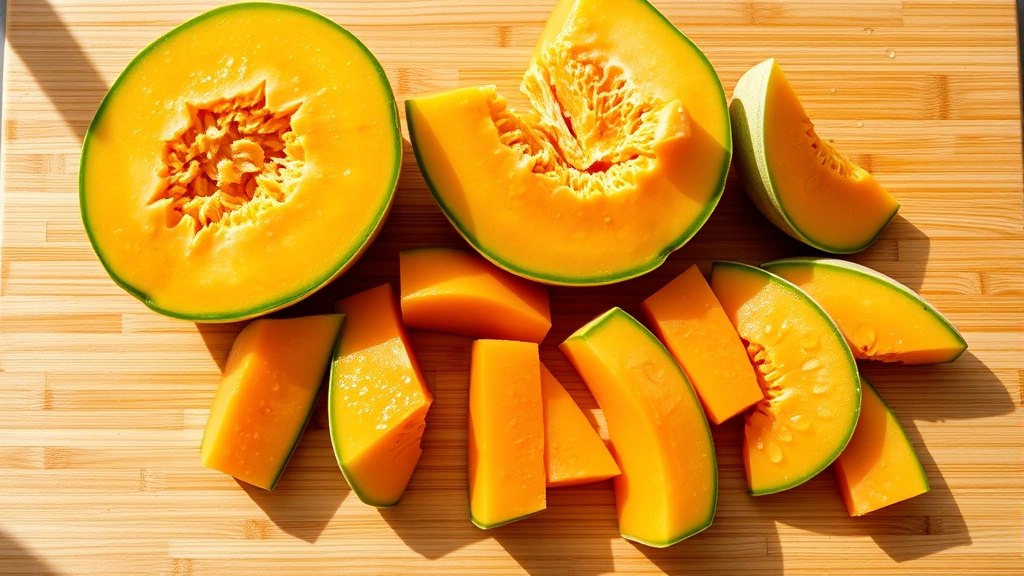
Is Cantaloupe Good for Weight Loss? Nutritionist Insight
Cantaloupe is a delicious summer fruit that many people enjoy, but does it actually support weight loss goals? As a nutritionist specializing in weight management, I can tell you that cantaloupe offers genuine benefits for anyone looking to shed pounds—though it works best as part of a comprehensive approach rather than a standalone solution. This orange melon contains impressive nutritional properties that align with evidence-based weight loss principles, including high water content, natural fiber, and essential micronutrients.
The question of whether specific foods help or hinder weight loss is more nuanced than simple yes-or-no answers. Cantaloupe’s role in a weight loss journey depends on how you incorporate it into your overall eating pattern, portion sizes, and individual metabolic factors. Understanding the science behind this fruit’s nutritional profile can help you make informed decisions about including it in your diet.
Whether you’re exploring dietary approaches, considering medical interventions like tirzepatide dosing for weight loss, or simply wanting to optimize your nutrition, knowing which foods genuinely support your goals matters tremendously. Let’s dive into what the research tells us about cantaloupe and weight management.
Cantaloupe’s Nutritional Profile
One cup of fresh cantaloupe cubes (approximately 160 grams) contains roughly 54 calories, making it an exceptionally low-calorie food by volume. This caloric efficiency is one reason registered dietitians frequently recommend melons for weight management. The fruit provides substantial nutrition without excessive energy intake, which is fundamental to achieving a caloric deficit—the cornerstone of weight loss.
Beyond calories, cantaloupe delivers impressive micronutrient density. A single serving provides over 100% of your daily vitamin A requirement, supporting eye health and immune function. The fruit also contains significant amounts of vitamin C, which plays roles in metabolism and collagen synthesis. These nutrients become especially important during weight loss without exercise phases, when your body needs comprehensive nutritional support despite reduced calorie intake.
Cantaloupe also provides potassium, a mineral crucial for maintaining healthy blood pressure during weight loss. Many people experience blood pressure fluctuations when changing their eating patterns, so incorporating potassium-rich foods helps maintain cardiovascular stability. The fruit contains approximately 473 mg of potassium per cup, contributing meaningfully to daily intake recommendations.
Low Calorie Density Benefits
Calorie density—the number of calories per unit weight of food—is a critical concept in weight loss nutrition. Cantaloupe’s high water content (about 90% by weight) creates exceptionally low calorie density. This means you can eat a satisfying volume of cantaloupe without consuming excessive calories, which helps with satiety and meal satisfaction.
Satiety is the feeling of fullness that signals your body to stop eating. Foods with low calorie density but significant volume tend to promote greater satiety than calorie-dense foods. Research published in Nutrition Reviews demonstrates that people consuming lower-calorie-density diets naturally eat fewer total calories without requiring conscious restriction. This psychological ease makes weight loss more sustainable long-term.
Comparing cantaloupe to other foods illustrates this principle clearly. A cup of cantaloupe (54 calories) versus a cup of granola (500+ calories) shows why food choices profoundly impact weight outcomes. When building meals around low-calorie-density foods, you create an environment where weight loss becomes easier to maintain without constant willpower expenditure.
Water and Fiber Content
The water content in cantaloupe serves multiple weight loss functions. First, water adds volume to your digestive tract, triggering stretch receptors that signal fullness to your brain. Second, water has zero calories, so you’re essentially getting “free” volume that satisfies hunger without energy cost. Third, proper hydration supports metabolic function and helps your body process nutrients efficiently.
While cantaloupe isn’t exceptionally high in fiber compared to whole grains or legumes, each cup provides about 1.4 grams—a meaningful contribution, especially when combined with other fiber sources throughout the day. Dietary fiber slows gastric emptying, meaning food moves through your digestive system more gradually, extending satiety between meals. This is particularly valuable during weight loss for PCOS management, where hormonal factors can increase hunger signals.
Fiber also feeds beneficial gut bacteria, which emerging research suggests influences weight regulation through microbial metabolism and signaling compounds. A diverse gut microbiome appears associated with healthier metabolic rates and better weight management outcomes. Including fiber-containing foods like cantaloupe supports this microbial diversity, creating metabolic advantages beyond simple calorie counting.
The combination of water and fiber in cantaloupe creates a synergistic effect: high volume with low calories and gentle metabolic support. This makes cantaloupe particularly useful for people who struggle with hunger during caloric deficits.
Metabolism-Supporting Nutrients
While cantaloupe isn’t a “metabolism booster” in the dramatic sense sometimes claimed in popular media, it does provide nutrients that support normal metabolic function. Vitamin C participates in carnitine synthesis, a compound involved in fat metabolism. B vitamins present in cantaloupe serve as cofactors in energy production pathways. These nutrients ensure your metabolism operates optimally rather than becoming sluggish from restrictive dieting.
The antioxidants in cantaloupe, including beta-carotene and other carotenoids, help reduce oxidative stress that can impair metabolic efficiency. When your body experiences excessive oxidative stress, inflammation increases, which can interfere with insulin sensitivity and weight regulation. By consuming antioxidant-rich foods, you’re supporting the cellular environment that enables healthy weight management.
Cantaloupe also contains small amounts of choline, a nutrient crucial for liver function. Your liver plays central roles in metabolism, fat burning, and detoxification. Supporting liver health through adequate choline intake helps ensure your metabolic machinery functions optimally. This becomes especially important when losing weight, as your body mobilizes stored fat and needs efficient processing systems.
Smart Portion Strategies
While cantaloupe offers weight loss benefits, portions still matter. A whole cantaloupe contains approximately 215 calories and significant natural sugars. Eating an entire melon daily would contribute substantially to total calorie intake, potentially hindering weight loss despite the fruit’s healthfulness. The key is treating cantaloupe as part of a balanced diet rather than an unlimited food.
Practical portion guidance suggests one to two cups of cantaloupe per day for most people pursuing weight loss. This provides meaningful nutritional benefits while remaining calorically modest. Pairing cantaloupe with protein sources—such as cottage cheese, Greek yogurt, or nuts—creates more balanced meals that sustain energy and satiety longer than cantaloupe alone.
Timing cantaloupe consumption strategically can also enhance weight loss outcomes. Eating cantaloupe as a midday snack when hunger typically increases helps you avoid less nutritious options. Including it in breakfast alongside protein and whole grains prevents mid-morning energy crashes. The flexibility of cantaloupe’s flavor profile makes it easy to incorporate into various meal patterns.
One consideration: cantaloupe’s natural sugars, while coming with fiber and water that moderate blood sugar impact, still contribute to total carbohydrate intake. People managing diabetes or following very low-carbohydrate approaches should account for cantaloupe’s carbohydrate content. For most others pursuing weight loss, cantaloupe’s carbohydrates pose minimal concern given the fruit’s overall nutritional profile.
Cantaloupe in Meal Planning
Effective weight loss requires sustainable eating patterns, and cantaloupe fits naturally into various dietary approaches. For those pursuing cycling for weight loss or other structured nutrition protocols, cantaloupe’s flexibility makes it valuable. You can incorporate it into high-carb days for energy, include it in balanced meals, or enjoy it as guilt-free snacking.
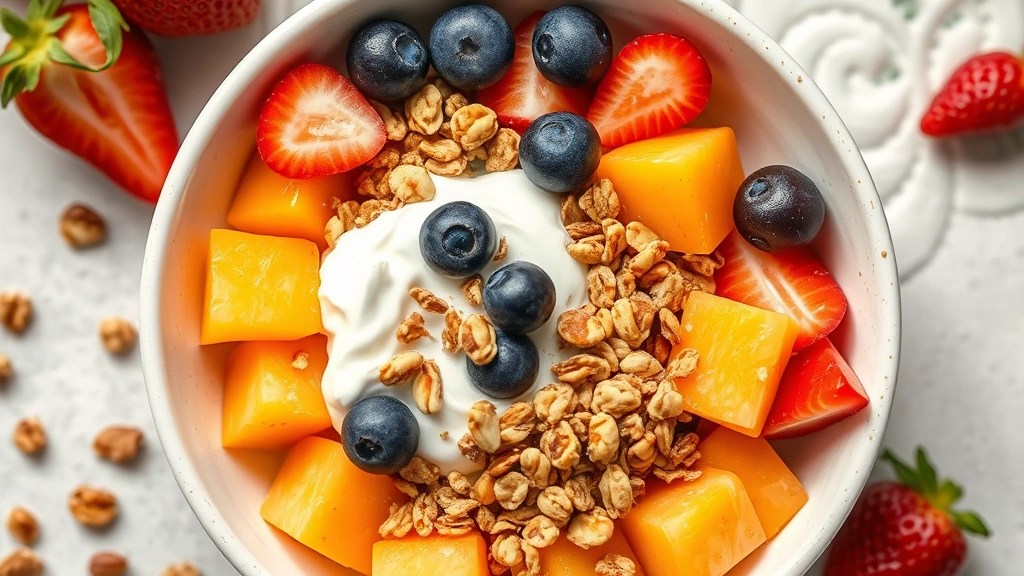
Creating cantaloupe-based meals demonstrates its versatility. A breakfast bowl combining cantaloupe cubes, Greek yogurt, granola, and honey provides protein, fiber, probiotics, and sustained energy. A summer lunch pairing cantaloupe with prosciutto, fresh mozzarella, and balsamic vinegar balances flavors while keeping calories reasonable. Blending cantaloupe into smoothies with protein powder and spinach creates nutrient-dense options requiring minimal preparation.
For people considering medical weight loss interventions like semaglutide weight loss options, cantaloupe becomes particularly valuable. These medications often reduce appetite significantly, making it challenging to consume adequate nutrition. Cantaloupe’s nutrient density relative to calories helps ensure you meet micronutrient needs despite reduced food intake.
Seasonal availability makes cantaloupe a budget-friendly choice during summer months. Purchasing whole melons when in season and preparing them fresh maximizes nutritional value compared to pre-cut options, which lose vitamin C and other nutrients over time. This practical advantage supports long-term dietary adherence and weight loss sustainability.
Weight Loss and Overall Health
The relationship between cantaloupe consumption and broader health outcomes extends beyond simple weight loss. Research from the CDC demonstrates that diets emphasizing whole fruits, vegetables, and nutrient-dense foods correlate with reduced cardiovascular disease risk, lower blood pressure, and improved metabolic health markers.
Cantaloupe’s potassium content particularly supports cardiovascular health during weight loss. As discussed in our comprehensive guide to weight loss and blood pressure management, maintaining adequate potassium becomes crucial when losing weight, as electrolyte balance affects heart function and blood pressure regulation.
Including cantaloupe within a broader whole-foods-based diet supports metabolic health in ways extending beyond weight loss. The antioxidants, minerals, and vitamins work synergistically to reduce inflammation, improve insulin sensitivity, and support healthy aging. Many people find that focusing on whole foods like cantaloupe rather than restriction-based thinking creates sustainable lifestyle changes that maintain weight loss long-term.
According to the Academy of Nutrition and Dietetics, successful weight loss combines calorie awareness with nutrient density, behavioral change, and sustainable eating patterns. Cantaloupe checks multiple boxes in this framework, making it a genuinely useful tool for weight management rather than a mere fad food.

FAQ
How much cantaloupe can I eat daily while losing weight?
Most people can safely enjoy one to two cups of cantaloupe daily as part of a balanced weight loss diet. This provides meaningful nutrition without excessive calories. Pair it with protein sources to maximize satiety. Individual needs vary based on total calorie goals and other foods consumed, so consulting with a registered dietitian helps personalize recommendations.
Does cantaloupe have too much sugar for weight loss?
While cantaloupe contains natural sugars (about 13 grams per cup), the fiber and water content moderate blood sugar impact. These sugars differ fundamentally from added sugars in processed foods. For most people without diabetes, cantaloupe’s sugar content poses minimal concern given its overall nutritional profile. Those managing diabetes should monitor portions and pair with protein and fat.
Can I eat cantaloupe at night while losing weight?
Timing of fruit consumption matters less than total daily intake for weight loss. You can eat cantaloupe at any time that fits your schedule and hunger patterns. Some people find evening fruit helps satisfy sweet cravings while remaining calorically modest. Others prefer it earlier in the day. Choose timing based on your individual hunger patterns and preferences.
Is cantaloupe better than other melons for weight loss?
Cantaloupe, honeydew, and watermelon all support weight loss similarly due to high water content and low calorie density. Cantaloupe offers slightly higher vitamin A content, while watermelon provides lycopene. Choose based on preference and seasonal availability. The best melon is whichever you’ll actually eat consistently as part of a balanced diet.
Should I eat cantaloupe with other foods or alone?
Pairing cantaloupe with protein and healthy fats creates more balanced meals that sustain satiety longer than cantaloupe alone. Combining it with Greek yogurt, cottage cheese, nuts, or prosciutto provides complementary nutrition and steadier blood sugar response. However, eating cantaloupe alone as a snack is perfectly acceptable and still supports weight loss.
Does cantaloupe interact with weight loss medications?
Cantaloupe doesn’t interact adversely with weight loss medications. Its nutrient density makes it particularly valuable for people using medications like GLP-1 agonists, which suppress appetite. Cantaloupe helps ensure adequate nutrition despite reduced overall food intake. Always discuss dietary choices with your healthcare provider, especially when using medications.


