
Watermelon at Night: Dietitian’s Weight Loss View
When you’re working toward weight loss, every food choice feels significant—especially the ones you make in the evening. Watermelon is often celebrated as a healthy, refreshing fruit, but eating it at night raises legitimate questions about timing, hydration, digestion, and whether it genuinely supports your goals. As a registered dietitian perspective, this article explores the science behind nighttime watermelon consumption and how it fits into a comprehensive weight loss strategy.
The truth is more nuanced than a simple yes or no. Watermelon can be part of a weight loss-friendly eating pattern, but the timing and quantity matter. Understanding the nutritional profile, how your body processes it at night, and how it compares to other evening snack options will help you make informed decisions that align with your personal health objectives.
This guide breaks down everything you need to know about watermelon as a nighttime food, backed by nutritional science and practical weight loss principles.
Nutritional Profile of Watermelon
Understanding what you’re actually consuming is the foundation of smart eating choices. A cup of diced watermelon (about 152 grams) contains approximately 46 calories, making it one of the lowest-calorie fruits available. This low caloric density is largely due to its water content—watermelon is roughly 92% water by weight.
Beyond calories, here’s what a serving provides:
- Carbohydrates: 11 grams (mostly simple sugars like glucose and fructose)
- Fiber: 0.6 grams (relatively low)
- Protein: 0.9 grams (minimal)
- Fat: 0.3 grams (negligible)
- Vitamin C: 12% of daily value
- Potassium: 5% of daily value
- Lycopene: A powerful antioxidant linked to heart health
The macronutrient composition reveals an important consideration: watermelon is carbohydrate-dominant with minimal protein and fiber. This matters significantly when evaluating its role in a weight loss plan, especially compared to approaches emphasizing weight loss and protein intake. The limited fiber content means watermelon won’t provide substantial satiety benefits—you could eat a larger volume without feeling full.
The glycemic index of watermelon is moderate to high (around 72), meaning it causes a relatively quick rise in blood sugar. This is important context for evening consumption, as we’ll explore further.
[IMAGE_1]
Watermelon and Weight Loss: The Science
Can watermelon genuinely support weight loss? The answer depends on how it fits into your overall caloric intake and eating patterns. Research from the CDC on nutrition and added sugars emphasizes that whole fruits—even those with natural sugars—are generally preferable to processed alternatives because they contain beneficial compounds and fiber.
Watermelon’s caloric lightness is a legitimate advantage. If you’re prone to evening snacking, choosing a large serving of watermelon (say, two cups for roughly 90 calories) over cookies, chips, or ice cream creates a meaningful caloric deficit. For weight loss, creating a consistent deficit through food choices like this compounds over time.
However, the protein deficiency in watermelon is a consideration. Adequate protein intake is crucial for preserving muscle mass during weight loss and maintaining satiety throughout the day. If watermelon is your sole evening snack, you’re missing an opportunity to consume satiating nutrients.
A 2019 study published in Nutrients found that watermelon consumption was associated with improved cardiovascular markers and lower blood pressure, supporting its role in a health-conscious diet. Additionally, the high water and low calorie combination can contribute to feelings of fullness when consumed in moderate quantities, though this effect is temporary.
The research consensus: watermelon is weight loss-compatible due to its low caloric density, but it’s not a weight loss superfood. It’s a tool that works best as part of a broader strategy that includes adequate protein intake, regular physical activity like aerobic exercises for weight loss, and consistent caloric management.
Timing Matters: Why Night Eating Is Different
The timing of food consumption has become increasingly relevant in weight loss research. Eating watermelon at night involves several physiological considerations that differ from daytime consumption.
Metabolic Rate and Digestion: Your metabolic rate naturally decreases in the evening as your body prepares for sleep. This doesn’t mean calories consumed at night are “burned differently”—that’s a myth—but it does mean your body is less active and therefore requires fewer calories. Consuming a low-calorie food like watermelon aligns reasonably well with this reduced energy demand.
Blood Sugar and Sleep Quality: Watermelon’s moderate-to-high glycemic index means it causes a relatively quick blood sugar spike. Consuming it too close to bedtime might interfere with sleep quality for some people, though individual responses vary. A 2016 meta-analysis in the Journal of Sleep Research found that high glycemic index foods consumed close to bedtime could delay sleep onset in sensitive individuals.
Digestive Timing: Eating watermelon two to three hours before sleep allows adequate time for initial digestion. Consuming it immediately before bed means your stomach will be actively working while you’re trying to rest, which some people find uncomfortable.
Hydration Considerations: The high water content of watermelon might increase nighttime bathroom visits, disrupting sleep quality. This is particularly relevant if you’re already consuming adequate fluids throughout the day via water intake and hydration strategies.
The practical takeaway: consuming watermelon two to three hours before bedtime is preferable to eating it immediately before sleep, as this allows for better digestion and minimizes sleep disruption.

Hydration and Satiety Effects
One of watermelon’s most celebrated attributes is its exceptional hydration content. With 92% water, a serving of watermelon contributes meaningfully to daily fluid intake, which is important for overall health and metabolic function.
However, the satiety benefit of this high water content is modest and temporary. Research distinguishes between water consumed as a beverage and water in food. A 2015 study in Appetite found that eating water-rich foods like watermelon does provide some satiety benefit, but less than consuming the same volume of water as a drink before a meal.
The reason: your stomach stretches in response to volume, signaling fullness to your brain. Watermelon does create this stretch, but the effect dissipates relatively quickly once digestion progresses. Additionally, because watermelon lacks significant fiber and protein, the satiety signal doesn’t persist as long as it would with more nutrient-dense foods.
For weight loss purposes, this means watermelon is best viewed as a low-calorie snack that contributes to hydration, rather than a food that will suppress your appetite for extended periods. If you’re eating watermelon at night because you’re hungry, pairing it with a source of protein—such as Greek yogurt or cottage cheese—would provide substantially better satiety and support your weight loss goals more effectively.
Practical Guidelines for Evening Consumption
If you decide to eat watermelon in the evening, following these evidence-based guidelines optimizes both weight loss outcomes and overall health:
- Portion Control: Limit servings to one to two cups (152-304 grams). This provides 46-92 calories while keeping carbohydrate intake moderate. Larger portions unnecessarily increase sugar consumption without proportional satiety benefits.
- Timing: Consume watermelon two to three hours before bedtime, allowing adequate digestion time and minimizing sleep disruption from fluid intake.
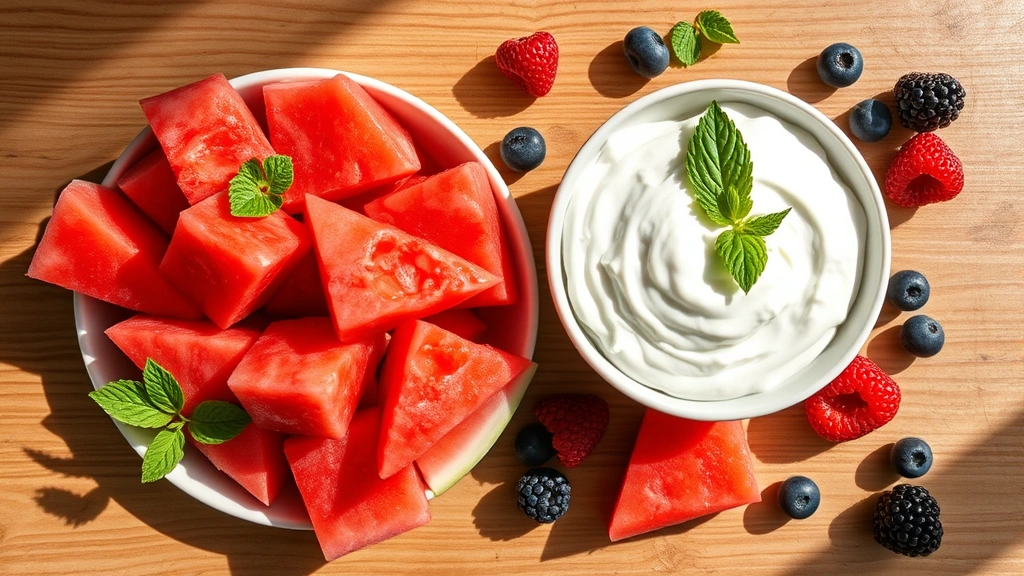
- Pair with Protein: If eating watermelon as an evening snack, combine it with a protein source. A cup of watermelon paired with half a cup of Greek yogurt (approximately 60 calories) creates a balanced snack with better satiety properties than watermelon alone.
- Account for Total Calories: Include watermelon in your daily caloric budget. While low in calories, consistent consumption adds up. Tracking it ensures you maintain your intended deficit for weight loss.
- Monitor Sleep Quality: If you notice watermelon consumption affects your sleep—either through frequent bathroom visits or delayed sleep onset—reduce portions or shift consumption earlier in the evening.
- Choose Fresh Over Processed: Avoid watermelon juice or products with added sugars. Fresh watermelon provides the full benefit of whole fruit with its minimal fiber intact.
Comparing Watermelon to Other Night Snacks
Context is everything in nutrition. How does watermelon stack up against other popular evening snack options for weight loss?
Watermelon vs. Berries: Blueberries, raspberries, and strawberries offer similar or lower calorie counts but with significantly more fiber (2-8 grams per cup) and lower glycemic indices. While less hydrating than watermelon, berries provide superior satiety and more stable blood sugar effects. For weight loss, berries might be the better choice, though both are reasonable.
Watermelon vs. Yogurt: Plain Greek yogurt contains more calories (100-150 per serving) but provides 15-20 grams of protein and probiotics. It creates more substantial satiety and supports muscle preservation during weight loss. Combining watermelon with yogurt creates a superior snack to either alone.
Watermelon vs. Nuts: A small handful of almonds (about 23 nuts) provides 160 calories but also 6 grams of protein and healthy fats. The caloric density is higher, but the satiety benefit is substantially greater. For weight loss, nuts are calorie-dense and require careful portioning, making watermelon preferable for those prone to mindless snacking.
Watermelon vs. Processed Snacks: Compared to cookies, crackers, or chips, watermelon is dramatically superior for weight loss. A single serving of most processed snacks matches or exceeds watermelon’s calories while providing less nutritional value and satiety. This is where watermelon genuinely shines.
For weight loss success, consider what you’re replacing. If watermelon substitutes for higher-calorie options, it’s a positive choice. If it’s added to your diet without reducing calories elsewhere, the weight loss benefit is negligible.
Potential Drawbacks and Considerations
While watermelon is generally healthy and weight loss-compatible, several considerations deserve attention:
Limited Satiety: As discussed, watermelon’s low protein and fiber content means it won’t keep you feeling full for extended periods. For someone struggling with nighttime hunger, watermelon alone may prove insufficient.
Blood Sugar Impact: Individuals with diabetes or prediabetes should be cautious with watermelon due to its moderate-to-high glycemic index. Pairing it with protein or consuming it earlier in the day when insulin sensitivity is higher mitigates this concern, but it’s worth individual consideration.
Digestive Sensitivity: Some people experience bloating or digestive discomfort from high water-content foods. If this applies to you, consuming watermelon earlier in the day or in smaller portions may be preferable.
Sleep Disruption: The combination of high water content and potential blood sugar elevation could interfere with sleep quality in sensitive individuals. Quality sleep is crucial for weight loss success, so this shouldn’t be overlooked.
Cost and Availability: Watermelon is seasonal and can be expensive outside peak months. Relying on it as a regular evening snack may not be practical or economical year-round.
Nutrient Density: While watermelon provides some vitamins and antioxidants, it’s not nutrient-dense compared to other fruits. If you’re choosing watermelon over more nutrient-rich options, you’re missing concentrated nutrition.
For comprehensive weight loss support, consider working with a weight loss coach who can personalize recommendations based on your specific circumstances, health status, and goals.
FAQ
Is watermelon good for weight loss at night specifically?
Watermelon is weight loss-compatible at any time due to its low caloric density, but nighttime consumption has specific considerations. Its high water content might increase bathroom visits, and its moderate glycemic index could affect sleep quality if consumed too close to bedtime. Eating it two to three hours before sleep and pairing it with protein optimizes both weight loss and sleep quality.
How much watermelon can I eat at night without affecting weight loss?
One to two cups (152-304 grams) of diced watermelon is reasonable for an evening snack, providing 46-92 calories. This fits comfortably into most weight loss plans without creating caloric concerns. However, always account for it within your total daily caloric intake.
Does watermelon’s sugar content prevent weight loss?
Watermelon contains natural sugars, but the total sugar content per serving is modest (about 9 grams per cup). For weight loss, total calories matter more than sugar source, and watermelon’s low caloric density makes it weight loss-friendly despite its sugar content. However, those with diabetes or prediabetes should monitor portions.
Should I eat watermelon with something else at night?
Yes, pairing watermelon with protein—such as Greek yogurt, cottage cheese, or a small amount of nuts—significantly improves satiety and creates a more balanced snack. This combination is more effective for weight loss than watermelon alone.
Does watermelon speed up metabolism?
No. Watermelon doesn’t have special metabolism-boosting properties. While all food requires energy to digest (the thermic effect of food), watermelon’s contribution is minimal due to its low protein content. Weight loss comes from caloric deficit, not from foods that “speed metabolism.”
Can I drink watermelon juice instead of eating whole watermelon at night?
Whole watermelon is preferable to juice. Juice lacks the fiber of whole fruit and is more rapidly absorbed, causing a quicker blood sugar spike. Additionally, juice is easier to overconsume—you might drink the equivalent of three to four cups of watermelon without feeling as full as eating whole fruit. For weight loss, whole watermelon is the better choice.
What’s the best time to eat watermelon if I’m trying to lose weight?
While timing is less important than total caloric intake, consuming watermelon two to three hours before sleep is optimal for minimizing sleep disruption. Some evidence suggests slightly better insulin sensitivity earlier in the day, so consuming watermelon in the afternoon or early evening rather than immediately before bed is reasonable.
How does watermelon compare to other fruits for weight loss?
Watermelon is among the lowest-calorie fruits, making it excellent for weight loss in terms of calories per volume. However, berries offer more fiber and lower glycemic indices, making them superior for satiety. The best fruit for your weight loss is the one you’ll consistently choose over higher-calorie alternatives.
Should I avoid watermelon at night if I have sleep issues?
If you experience sleep disruption from nighttime bathroom visits or blood sugar fluctuations, consuming watermelon earlier in the day is wise. Quality sleep is crucial for weight loss success, so prioritizing sleep over any specific food is reasonable. Experiment with timing to determine what works for your individual physiology.
Is watermelon better than other evening snacks for weight loss?
Watermelon is superior to most processed snacks due to its low caloric density and nutritional content. However, it’s not necessarily better than protein-rich options like Greek yogurt or nutrient-dense alternatives like berries. The best snack is one that fits your caloric goals, provides satiety, and supports your overall health—which might be watermelon alone, watermelon with protein, or another option entirely.


