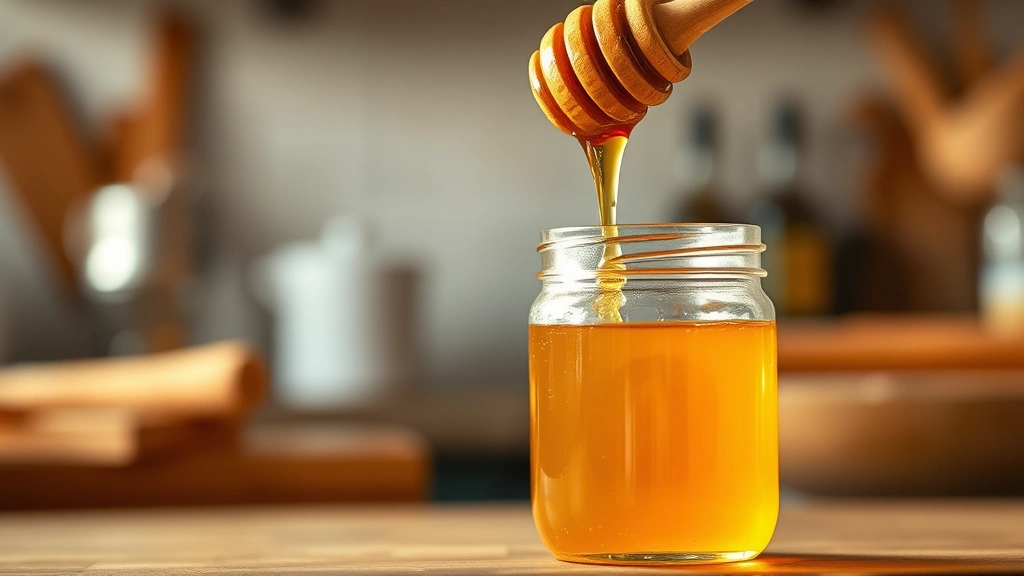
Honey and Weight Loss? What Nutritionists Really Say
When it comes to weight loss, many people search for the perfect food that will help them shed pounds effortlessly. Honey often appears in these conversations—promoted as a natural sweetener that won’t derail your progress. But is honey actually good for weight loss, or is this just another wellness myth? As a nutritionist, I’ve worked with countless clients asking this exact question. The answer is more nuanced than a simple yes or no.
Honey is often presented as a healthier alternative to refined sugar, and in some ways, it is. It contains trace minerals and antioxidants that table sugar lacks. However, when your primary goal is weight loss, the nutritional profile matters less than how honey affects your calorie intake, blood sugar levels, and overall eating patterns. Let’s break down what the science actually tells us about honey and whether it belongs in a weight loss plan.
Understanding Honey’s Nutritional Profile
Honey is composed primarily of glucose and fructose, making it a concentrated source of carbohydrates. One tablespoon (21 grams) of honey contains approximately 64 calories and 17 grams of carbohydrates, with virtually no fiber, protein, or fat. This macronutrient breakdown is important to understand because it directly impacts how honey affects your body during weight loss.
What sets honey apart from table sugar is its micronutrient content. Honey contains small amounts of B vitamins, magnesium, potassium, and polyphenols—powerful antioxidants. A study published in the Journal of the American College of Nutrition found that honey has antioxidant and anti-inflammatory properties that refined sugar completely lacks. However, the quantities of these beneficial compounds are relatively modest, and you’d need to consume substantial amounts of honey to gain significant nutritional benefits.
The enzymes present in raw honey, such as amylase and invertase, may offer minor digestive support, though these enzymes are largely deactivated during the digestion process. While these nutritional advantages are real, they don’t translate into a weight loss advantage when total calorie intake exceeds your needs.
Honey vs. Other Sweeteners: How Do They Compare?
To properly evaluate honey for weight loss, we need to compare it against other sweetening options. When placed side-by-side with table sugar, honey offers slightly different fructose-to-glucose ratios. Table sugar is 50% fructose and 50% glucose, while honey is approximately 40% fructose and 30% glucose (with additional water and compounds making up the remainder).
Why does this matter? Fructose is metabolized differently than glucose. Research from the National Institutes of Health indicates that excessive fructose consumption may promote fat storage and increase liver triglycerides more readily than glucose. However, the differences between honey and sugar in this regard are relatively modest when consumed in typical portions.
Compared to artificial sweeteners like aspartame or sucralose, honey contains actual calories and carbohydrates, making it less suitable for strict calorie restriction. However, some people find honey more satisfying than artificial sweeteners, which can improve dietary adherence. Compared to coffee and weight loss strategies, honey adds calories that black coffee doesn’t, so it’s a trade-off between satisfaction and caloric efficiency.
Versus whole fruit sources like dates or raisins, honey lacks the fiber content that makes whole fruits beneficial for weight loss and satiety. A medium apple contains approximately 95 calories with 4 grams of fiber, while the same caloric amount of honey provides zero fiber and offers less satisfaction.
The Glycemic Index and Blood Sugar Impact
The glycemic index (GI) measures how quickly foods raise blood sugar levels. Honey has a medium to high glycemic index, ranging from 55 to 84 depending on the variety and processing. This is higher than table sugar (GI of 65) for some honey types and lower for others. The variation depends on the flower source and whether the honey is raw or processed.
When blood sugar spikes rapidly, your pancreas releases insulin to bring levels back down. While this is a normal physiological response, rapid blood sugar fluctuations can trigger increased hunger shortly afterward, making it harder to maintain a calorie deficit. For weight loss, stable blood sugar is preferable because it reduces cravings and supports consistent energy levels.
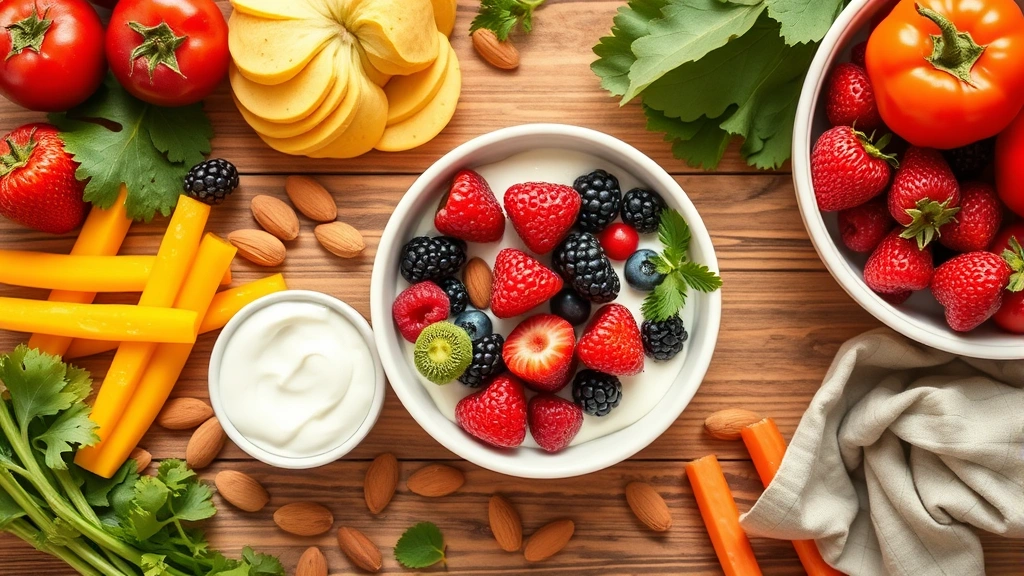
Research from the American Diabetes Association shows that combining honey with protein or fat can significantly reduce its glycemic impact. For example, honey drizzled on Greek yogurt causes a smaller blood sugar spike than honey consumed alone. This is an important consideration if you do choose to include honey in your weight loss plan.
Individuals with insulin resistance or prediabetes should be particularly cautious with honey, as stable blood sugar management becomes even more critical for their health and weight management goals.
” alt=”Close-up of golden honey being drizzled from a wooden honey dipper into a glass jar, showing the glossy amber liquid against a soft kitchen background” />
Honey’s Calorie Content and Portion Control
From a pure caloric standpoint, honey is calorie-dense. At approximately 3 calories per gram, it’s only slightly less dense than oil (9 calories per gram) but significantly more dense than most whole foods. A single tablespoon contains 64 calories—the same as a medium apple or a cup of cooked vegetables, but with entirely different satiety effects.
The challenge with honey isn’t just the calories themselves; it’s how easily those calories are consumed. It’s simple to add an extra tablespoon of honey to tea or oatmeal without consciously registering the addition. This “invisible calorie” problem makes honey particularly problematic for weight loss when portion control isn’t strict.
When you’re in a calorie deficit for weight loss, every calorie counts. Spending 64 calories on a tablespoon of honey means you have 64 fewer calories available for nutrient-dense foods that will actually keep you full. This is why many nutritionists recommend limiting or eliminating honey during active weight loss phases, regardless of its other properties.
Honey is also problematic in liquid form. Liquid calories don’t trigger the same satiety signals as solid foods, meaning a glass of honey-sweetened beverage won’t make you feel full despite its caloric content. This is documented in multiple studies examining the satiety effects of liquid versus solid carbohydrates.
Can Honey Support Weight Loss Goals?
The honest answer is: honey doesn’t actively support weight loss, but under specific circumstances, it doesn’t have to sabotage it either. If you’re maintaining a calorie deficit and account for honey within your daily calorie goals, including small amounts won’t prevent weight loss. The key word is small amounts and intentional inclusion.
Some people find that including a small amount of honey makes their diet more sustainable long-term. If you’re someone who craves sweetness and find yourself overeating other foods when completely deprived, a measured amount of honey might actually support adherence to your overall plan. This is where individual psychology matters as much as nutrition science.
Research on weight loss and metabolic syndrome shows that sustainable dietary patterns matter more than individual food choices. If honey helps you stick to a plan you can maintain, it has indirect value. However, if honey triggers uncontrolled sweet cravings or leads to portion creep, it’s best avoided.
The most successful weight loss approaches focus on whole foods and nutrient density. Incorporating high fiber foods for weight loss typically provides better satiety and weight management outcomes than using any sweetener, including honey. Fiber creates bulk, slows digestion, and promotes stable blood sugar—all advantages that honey cannot provide.
Practical Ways to Use Honey if You’re Losing Weight
If you decide to include honey in your weight loss plan, implementation matters. Here are evidence-based strategies:
- Measure it precisely: Use a measuring spoon rather than pouring directly from the bottle. This prevents the portion creep that makes honey problematic for weight loss.
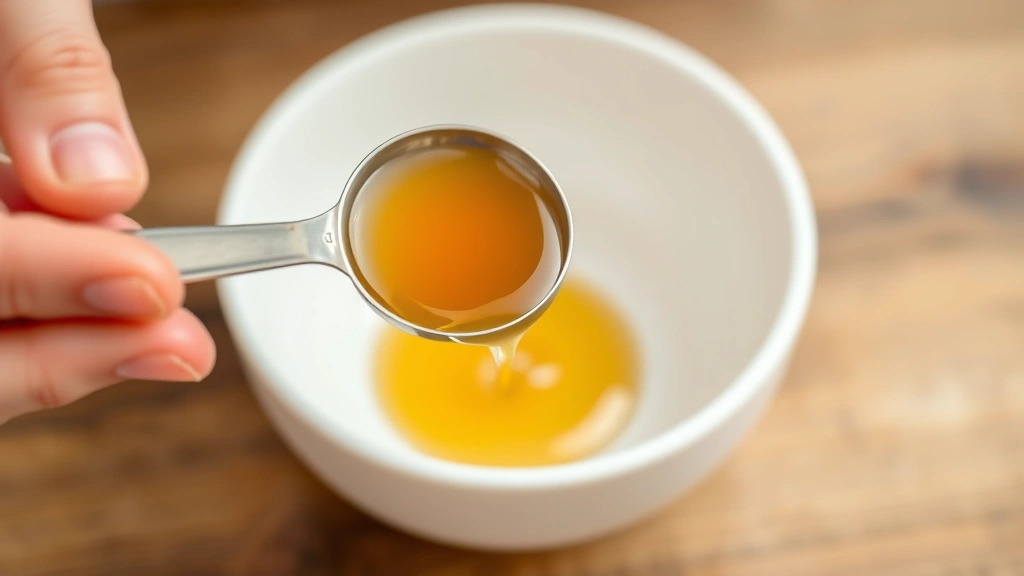
- Pair it with protein and fat: Add honey to Greek yogurt, cottage cheese, or nuts. This combination slows sugar absorption and increases satiety.
- Use it as a cooking ingredient: A small amount of honey in a marinade or sauce for a family meal distributes the calories across multiple servings, reducing per-serving impact.
- Limit liquid applications: Avoid honey in beverages where you won’t feel its caloric impact. If you need sweetness in tea or coffee, consider alternatives.
- Pre-portion and track: If you use honey regularly, pre-measure daily amounts and track them in a food app to maintain awareness of total intake.
- Consider timing: Some people find that including small amounts of honey post-workout supports recovery without derailing weight loss, as the carbohydrates can be utilized for glycogen replenishment.
When Honey Becomes Problematic for Weight Loss
Certain situations make honey particularly counterproductive for weight loss:
When it replaces nutrient-dense foods: If you’re choosing honey over whole fruits, vegetables, or protein sources, you’re making a trade-off that doesn’t serve your weight loss goals.
When portions spiral: Honey has an insidious quality of portion creep. What starts as one tablespoon becomes two, then three. If you can’t maintain consistent portions, honey is better avoided.
When it triggers cravings: Some people find that consuming any sweet taste, even from natural honey, increases their desire for other sweets. If you’re this person, complete avoidance may be more effective than moderation.
For those with blood sugar dysregulation: People with diabetes, prediabetes, or insulin resistance should minimize honey and choose best weight loss shakes or whole-food options that provide better blood sugar control.
When weight loss has plateaued: If you’ve hit a plateau, eliminating honey is one of the first adjustments many nutritionists recommend. Those “hidden” calories often make the difference.
” alt=”Overhead shot of a wooden table with various weight loss friendly foods including berries, nuts, Greek yogurt, and vegetables, arranged naturally without any text or measurements visible” />
FAQ
Is raw honey better for weight loss than processed honey?
Raw and processed honey have essentially identical calorie and macronutrient content. Raw honey may contain slightly more enzymes and antioxidants, but the amounts are negligible. From a weight loss perspective, there’s no meaningful difference between them. Both should be used in the same limited quantities.
Can I use honey instead of sugar for weight loss?
Honey and sugar are nutritionally similar enough that substituting one for the other won’t meaningfully impact weight loss. Both are concentrated carbohydrates with minimal fiber. If you’re trying to reduce sweetness overall, this is a better strategy than swapping between two similar sweeteners.
How much honey can I eat while losing weight?
This depends on your total calorie goals, but generally, nutritionists recommend limiting honey to no more than 1-2 tablespoons daily during active weight loss, or avoiding it entirely if you struggle with portion control. Track it within your daily calorie budget like any other food.
Is honey better than artificial sweeteners for weight loss?
This is debated among nutritionists. Artificial sweeteners contain virtually no calories, while honey provides 64 calories per tablespoon. However, some research suggests that artificial sweeteners may affect appetite regulation differently than natural sweeteners. From a pure weight loss standpoint, artificial sweeteners allow more caloric flexibility, but individual tolerance varies.
Can honey help with hunger during weight loss?
No, honey is unlikely to help with hunger. As a liquid carbohydrate, it doesn’t promote satiety and may actually increase hunger shortly after consumption due to blood sugar spikes. For hunger management, focusing on sustainable lifestyle approaches that include adequate protein, fiber, and whole foods is far more effective.
Should I avoid honey completely for weight loss?
Complete avoidance isn’t necessary if you can include small amounts within your calorie goals and maintain portion control. However, if you find honey triggers cravings or portion creep, avoidance is the simpler and more effective strategy. Many successful weight loss clients eliminate honey entirely and don’t miss it once they’ve adjusted.


