Pineapple for Weight Loss? What Nutritionists Actually Say
Pineapple has earned a reputation as a tropical superfood, often touted as a weight loss aid by wellness enthusiasts and social media influencers. But does this sweet, juicy fruit actually deserve a starring role in your weight loss journey? The answer is more nuanced than a simple yes or no. While pineapple offers genuine nutritional benefits, it’s not a magic bullet for shedding pounds—and understanding how it fits into a comprehensive weight loss strategy is essential.
As a nutritionist, I’ve worked with countless clients who ask about pineapple’s role in their diet. The truth is that pineapple can be a supportive addition to a healthy eating plan, but only when paired with proper calorie management, regular physical activity, and sustainable lifestyle changes. In this guide, we’ll explore what the science actually says about pineapple and weight loss, separating fact from marketing hype.
Nutritional Profile of Pineapple: What You’re Actually Eating
Before we discuss weight loss, let’s examine what pineapple actually contains. One cup of fresh pineapple chunks (approximately 165 grams) provides roughly 82 calories, making it a relatively low-calorie food. This modest calorie count is one reason people consider it weight-loss friendly.
Beyond calories, pineapple delivers several important nutrients:
- Vitamin C: Over 100% of the daily recommended value, supporting immune function and collagen production
- Manganese: Essential for bone health and metabolism regulation
- Fiber: About 2.3 grams per cup, contributing to digestive health
- Bromelain: A proteolytic enzyme unique to pineapple that has generated considerable weight loss discussion
- B vitamins: Including B6 and thiamine for energy metabolism
The micronutrient density of pineapple is genuinely impressive. However, nutritional value alone doesn’t determine weight loss effectiveness. You could eat the most nutrient-dense food in the world, but if you consume it in excessive quantities, weight loss won’t occur. This principle applies to pineapple as much as it does to any other food.
Bromelain and Metabolism: Separating Science from Hype
The enzyme bromelain is where most pineapple weight loss claims originate. This protease breaks down proteins and has been studied for various health applications. However, the reality of bromelain’s weight loss potential is far less dramatic than marketing suggests.
Research published in the Journal of the Science of Food and Agriculture shows that bromelain aids protein digestion, which theoretically could improve nutrient absorption and support metabolic function. However, here’s the critical limitation: bromelain is a digestive enzyme. Once you consume pineapple, your stomach acid and your body’s own digestive enzymes break down bromelain itself. The enzyme doesn’t survive intact to perform significant metabolic magic in your system.
Studies examining bromelain’s direct impact on weight loss are surprisingly limited and often show modest results at best. A PubMed search on bromelain and weight management reveals that most evidence is indirect or preliminary. The enzyme may support digestion and reduce bloating, which could make you feel lighter, but this isn’t the same as actual fat loss.
Additionally, bromelain is most concentrated in the pineapple core—the part most people discard. The flesh contains significantly less of this enzyme. So even if bromelain did dramatically boost metabolism (which it doesn’t), you’d need to consume the woody core to get meaningful amounts, which most people find unpalatable.
The bottom line: bromelain is a useful digestive aid, but it’s not a weight loss accelerator. Don’t choose pineapple specifically for this enzyme expecting dramatic results.
Fiber Content and Satiety: The Real Weight Loss Connection
Where pineapple actually contributes to weight loss is through its fiber content and the satiety it can provide. While 2.3 grams of fiber per cup isn’t enormous, it does contribute to your daily intake—most Americans fall short of the recommended 25-35 grams daily.
Fiber serves several weight loss-supporting functions:
- Slows digestion: Helps maintain stable blood sugar and prevents rapid hunger spikes
- Promotes fullness: Fiber adds bulk to meals without adding calories, helping you feel satisfied longer
- Supports gut health: A healthy microbiome is increasingly linked to healthy weight management
- Reduces calorie absorption: Some research suggests fiber can slightly reduce overall calorie extraction from food
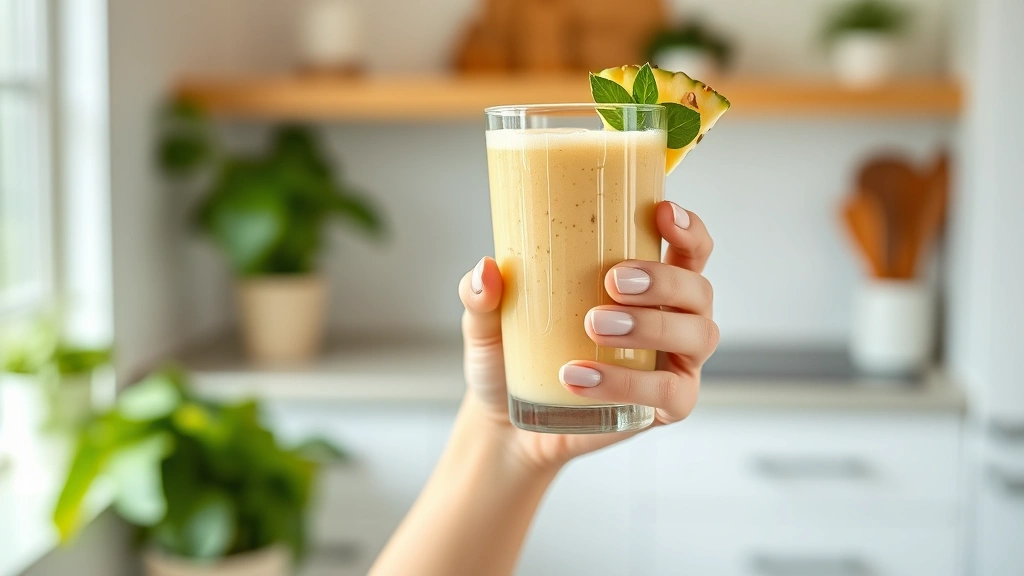
When you pair pineapple with protein-rich foods—such as in weight loss smoothie recipes—you enhance its satiety effect. A pineapple smoothie with Greek yogurt, protein powder, and a handful of spinach becomes a genuinely satiating meal that supports calorie reduction without leaving you hungry.
This is where pineapple’s weight loss value truly emerges: as part of a balanced approach to eating, it can help you feel fuller on fewer calories. But this benefit applies to most whole fruits, not exclusively to pineapple.
Sugar Content: The Weight Loss Concern You Can’t Ignore
Here’s where the pineapple weight loss conversation becomes complicated. While pineapple is nutrient-dense, it’s also relatively high in natural sugars. That same one-cup serving contains about 22 grams of carbohydrates, with roughly 16 grams from natural sugars (fructose, glucose, and sucrose).
For weight loss purposes, this sugar content matters significantly. When you consume concentrated fruit like pineapple, you’re getting a rapid carbohydrate load without the moderation that whole fruit provides. Compare this to eating a whole apple (which you eat slower and feel fuller from) versus drinking apple juice—the juice delivers concentrated sugars without satiety.
Excessive sugar consumption, even from natural sources, can:
- Trigger insulin spikes that promote fat storage
- Fail to activate satiety hormones as effectively as other macronutrients
- Contribute to energy crashes and subsequent overeating
- Increase inflammation when consumed in excess
This doesn’t mean you must avoid pineapple. Rather, it means treating it as a carbohydrate source that requires portion control. A half-cup serving is reasonable; consuming multiple cups daily while maintaining a calorie deficit becomes problematic.
People following lower-carbohydrate approaches to weight loss often find pineapple challenging to include regularly due to its sugar density. If you’re tracking macronutrients or managing blood sugar as part of your weight loss strategy, pineapple requires conscious portioning.
How to Include Pineapple in Your Weight Loss Plan Effectively
If you enjoy pineapple and want to include it in your weight loss journey, here are evidence-based strategies:
- Practice portion control: Limit fresh pineapple to one-half to three-quarters cup per serving. This provides fiber and nutrients while keeping sugar intake reasonable.
- Pair with protein: Combine pineapple with protein sources like cottage cheese, Greek yogurt, or nuts. Protein increases satiety and moderates blood sugar response to the fruit’s natural sugars.
- Choose fresh over processed: Fresh pineapple is vastly superior to canned varieties (often packed in heavy syrup) or pineapple juice (which concentrates sugars and removes fiber).
- Use in balanced meals: Add pineapple to lean protein dishes, stir-fries with vegetables, or best protein shakes for weight loss rather than consuming it alone.
- Time strategically: Consume pineapple earlier in the day when you’re more active and can utilize the carbohydrates for energy.
- Track your intake: If counting calories or carbs, log pineapple like any other food rather than treating it as a “free” food.
These strategies transform pineapple from a hyped superfood into a reasonable component of a sustainable weight loss diet. The key is context and moderation, not the fruit itself.
Pineapple vs Other Weight Loss Fruits: How It Compares
To put pineapple’s weight loss potential in perspective, let’s compare it to other commonly recommended fruits:
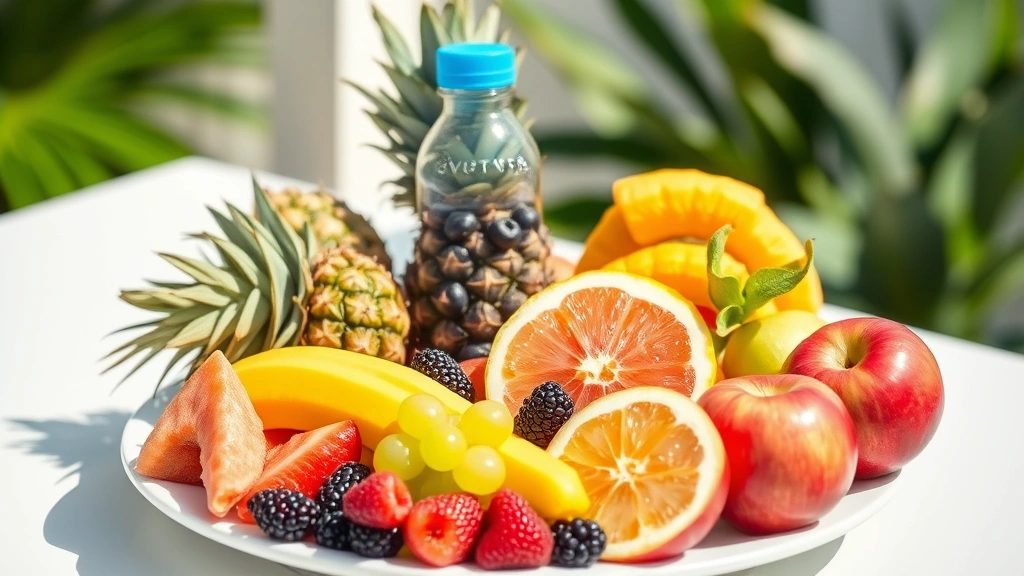
Pineapple vs Berries: Blueberries, raspberries, and strawberries contain fewer calories per cup (50-60 calories vs 82), less sugar, and more fiber per ounce. Berries are generally superior for weight loss due to their lower sugar density and higher antioxidant concentration.
Pineapple vs Apples: A medium apple contains 95 calories and 25 grams of carbohydrates but has 4.4 grams of fiber—nearly double pineapple’s fiber content. The fiber-to-sugar ratio makes apples slightly more favorable for sustained weight loss.
Pineapple vs Watermelon: Watermelon has fewer calories (46 per cup) and less sugar (11 grams), making it more hydrating and lighter. However, pineapple provides more fiber and a better nutrient density profile.
The reality: pineapple occupies a middle ground among fruits. It’s not the worst choice, but it’s not the best choice for weight loss either. The “best” fruit is ultimately the one you’ll consistently eat as part of a balanced diet, replacing higher-calorie processed foods.
Real Weight Loss Success: Beyond Single Foods
This is the crucial insight that changes everything: no single food—not pineapple, not acai berries, not any superfood—creates weight loss. Weight loss results from consistent calorie deficit, proper nutrition, and lifestyle habits.
Research from obesity medicine associations consistently shows that successful weight loss depends on:
- Caloric awareness: Understanding how much you eat, even when eating nutritious foods
- Protein intake: Adequate protein supports muscle preservation during weight loss and enhances satiety
- Regular physical activity: Best aerobic exercises for weight loss combined with resistance training create sustainable results
- Sleep and stress management: Poor sleep and chronic stress undermine weight loss efforts regardless of diet quality
- Behavioral consistency: Sustainable habits matter more than perfect nutrition
If your weight loss strategy relies on pineapple or any single superfood, you’re building on an unstable foundation. Pineapple can support weight loss as one component of a comprehensive approach, but it cannot carry the entire burden.
For those interested in additional support, exploring options like GLP-1 weight loss for non-diabetic individuals or working with registered dietitians can provide personalized guidance beyond food-specific recommendations.
Additionally, understanding metrics like how to measure body fat percentage helps track meaningful progress beyond scale weight. And recognizing connections between weight loss and blood pressure demonstrates how comprehensive health improvement extends beyond aesthetics.
FAQ
Is pineapple good for weight loss?
Pineapple can support weight loss as part of a balanced diet due to its low calorie count, fiber content, and nutrients. However, it’s not a magic weight loss food. Its relatively high natural sugar content requires portion control. Success depends on overall calorie intake and lifestyle habits, not on consuming pineapple specifically.
How much pineapple should I eat for weight loss?
Limit fresh pineapple to one-half to three-quarters cup per serving. This provides benefits without excessive sugar intake. Avoid canned pineapple in syrup or pineapple juice, which concentrate sugars and remove fiber.
Does bromelain burn fat?
No. While bromelain aids protein digestion, it doesn’t directly burn fat or significantly boost metabolism. The enzyme is largely broken down during digestion and doesn’t survive intact to perform metabolic effects. This is one of the most overstated claims about pineapple’s weight loss potential.
Can I eat unlimited pineapple on a diet?
No. While pineapple is nutritious, consuming unlimited quantities would provide excessive calories and sugar. Weight loss requires awareness of total calorie intake. Treat pineapple like any other carbohydrate source requiring portion control.
Is fresh pineapple better than canned for weight loss?
Absolutely. Fresh pineapple contains fiber and nutrients without added sugars. Canned pineapple, especially in heavy syrup, adds significant sugar and calories. If choosing canned, select varieties packed in water or light juice and rinse before eating.
What’s the best way to eat pineapple for weight loss?
Pair pineapple with protein sources like Greek yogurt, cottage cheese, or nuts. This combination increases satiety and moderates blood sugar response. Include it in balanced meals rather than consuming it alone, and practice portion control by limiting servings to one-half to three-quarters cup.


