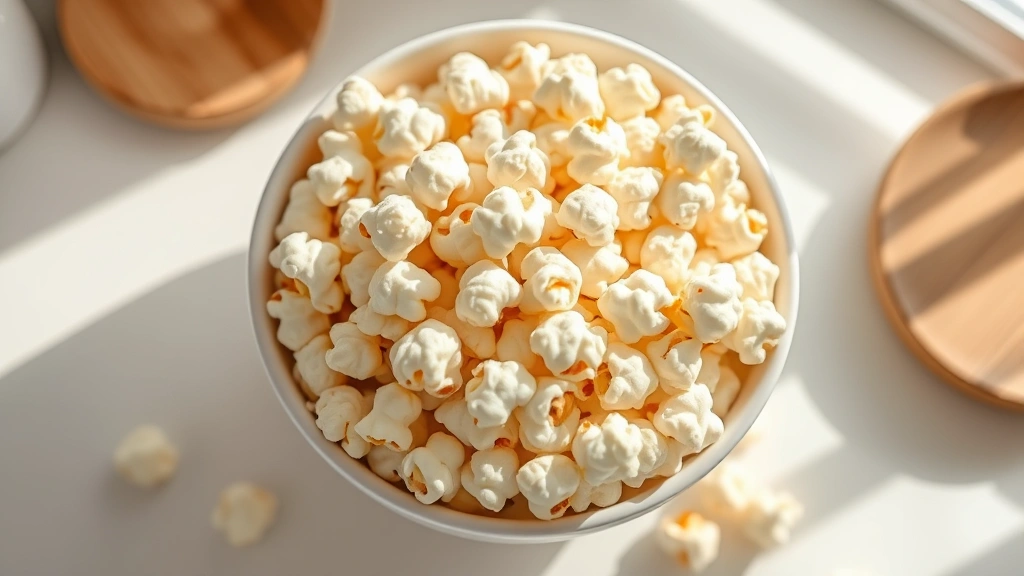
Is Popcorn Good for Weight Loss? Nutritionist Weighs In
Popcorn often gets a bad reputation in weight loss circles, lumped together with other snack foods that derail diet plans. But the truth is more nuanced. When prepared correctly, popcorn can actually be a surprisingly effective tool for weight loss and healthy eating. As a whole grain snack with impressive nutritional credentials, popcorn offers benefits that many processed alternatives simply cannot match. In this comprehensive guide, we’ll explore the science behind popcorn’s weight loss potential, examine how preparation methods affect its calorie content, and provide practical strategies for incorporating this satisfying snack into your weight management journey.
The key to making popcorn work for your weight loss goals lies in understanding its nutritional profile and mastering preparation techniques that keep calories in check while maximizing satiety. Whether you’re looking to complement other strategies like weight loss with intermittent fasting or enhance your overall diet quality, popcorn deserves a place in your snacking arsenal.
Popcorn’s Nutritional Profile: Breaking Down the Numbers
Popcorn is fundamentally a whole grain, and whole grains are cornerstones of evidence-based nutrition for weight management. A 3-cup serving of air-popped popcorn contains approximately 93 calories, 3.5 grams of protein, 18 grams of carbohydrates, and 3.5 grams of fiber. This macronutrient composition is remarkably balanced for a snack food, offering sustained energy without the blood sugar spikes associated with refined carbohydrates.
The fiber content deserves special attention. That 3.5 grams of fiber per serving represents about 14% of the recommended daily intake, making popcorn one of the most fiber-dense snack options available. Fiber plays a crucial role in weight management by promoting satiety, slowing gastric emptying, and supporting healthy gut microbiota. Research published in the American Journal of Clinical Nutrition demonstrates that high-fiber foods significantly enhance feelings of fullness, reducing overall calorie intake throughout the day.
Beyond macronutrients, popcorn provides essential micronutrients including manganese, phosphorus, magnesium, and B vitamins. The polyphenol antioxidants found in popcorn hulls offer anti-inflammatory benefits that support metabolic health. When you compare popcorn to typical processed snacks like chips or cookies, the nutritional advantage becomes immediately apparent.

Why Popcorn Can Support Weight Loss
Several scientific mechanisms explain why popcorn can be an effective weight loss tool when incorporated strategically into your eating plan. First, popcorn’s high volume-to-calorie ratio creates an illusion of abundance. Three cups of air-popped popcorn provide substantial visual quantity on a plate or in a bowl, which psychologically satisfies the eating experience while delivering fewer calories than denser snacks.
The satiety factor cannot be overstated. Studies examining the satiety index of various foods consistently rank popcorn near the top, exceeded only by potatoes. This means popcorn delivers exceptional fullness per calorie consumed. When you’re managing hunger throughout your weight loss journey—whether through resistance training for fat loss or other dietary approaches—foods that maximize satiety become invaluable.
Popcorn’s whole grain status also supports metabolic health. Whole grains have been associated with improved insulin sensitivity, reduced inflammation, and better long-term weight management outcomes. A meta-analysis from Harvard’s School of Public Health involving over 45 studies found that whole grain consumption was inversely associated with body weight gain and obesity risk.
The mechanical act of eating popcorn also contributes to its weight loss benefits. The required chewing increases meal duration, allowing adequate time for satiety signals to reach your brain. This extended eating time, combined with the need to handle individual kernels, creates a more mindful eating experience that naturally reduces overeating.
Additionally, popcorn serves as an excellent alternative to more calorie-dense habit snacks. If you typically reach for chocolate, candy, or fried snacks, substituting popcorn can create a calorie deficit of 150-300 calories daily, translating to significant weight loss over time without requiring restrictive dietary measures.
Preparation Methods That Matter: Air-Popped vs. Microwave vs. Stovetop
How you prepare popcorn dramatically impacts its suitability for weight loss. Not all popcorn preparation methods are created equal, and understanding the differences empowers you to make choices aligned with your health goals.
Air-Popped Popcorn: This remains the gold standard for weight loss. Air-popping uses no oil whatsoever, delivering popcorn at its nutritional best. Three cups of air-popped popcorn contains merely 93 calories with zero added fat. An air popper requires a minimal upfront investment (typically $20-40) and pays dividends through consistent, healthy snacking. If you’re serious about incorporating popcorn into your weight loss strategy, an air popper is the single best investment you can make.
Stovetop Popping: This traditional method offers excellent control and minimal cost. Using just 1-2 teaspoons of oil for a full batch keeps the calorie addition modest—typically adding only 40-60 calories total. The key is using measured amounts of oil rather than pouring freely. Coconut oil, avocado oil, or olive oil all work well, each contributing their own nutritional profiles. Stovetop popping also allows immediate seasoning while the popcorn is warm, improving flavor absorption.
Microwave Popcorn: Commercial microwave popcorn bags present complications for weight loss efforts. While some brands offer relatively reasonable calorie counts (around 100-150 per serving), many contain concerning additives. The chemical diacetyl, historically used in butter flavoring, has raised health concerns. Additionally, microwave bags often encourage overconsumption through ambiguous serving sizes. However, if you choose microwave popcorn, opt for brands explicitly labeled “light” or “natural” with transparent nutrition labels.
Oil-Heavy Methods to Avoid: Movie theater popcorn and heavily buttered varieties can contain 400-600 calories per serving, primarily from added oils and artificial butter flavoring. These preparations completely undermine weight loss efforts and should be reserved for occasional treats rather than regular snacking.
Calorie Comparison: Healthy Popcorn vs. Movie Theater Varieties
Understanding the dramatic calorie differences between preparation methods illuminates why popcorn’s reputation varies so widely. Here’s a realistic comparison of typical serving sizes:
- Air-Popped Popcorn (3 cups): 93 calories, 0g fat, 3.5g fiber
- Stovetop with 1 tsp oil (3 cups): 130 calories, 5g fat, 3.5g fiber
- Movie Theater Popcorn (large, buttered): 600-900 calories, 50-60g fat, minimal fiber
- Microwave “Butter” Popcorn (3 cups): 150-180 calories, 9-12g fat, 2g fiber
- Cheese-Flavored Popcorn (3 cups): 180-220 calories, 12-15g fat, 2.5g fiber
The contrast is striking. A single large movie theater popcorn contains more calories than most people should consume as a snack—more than six times the calories of air-popped popcorn. This explains why popcorn developed an unhealthy reputation; most people’s experience with popcorn occurs in contexts where it’s prepared in the least healthy manner possible.
For weight loss, the air-popped or lightly stovetop-popped varieties create a sustainable snacking option that allows you to eat substantial quantities while maintaining calorie control. This abundance mentality supports long-term adherence to weight loss plans, as you’re never feeling deprived when you can enjoy multiple cups of satisfying, flavorful popcorn.
IMAGE_2
Practical Strategies for Weight Loss Success
Incorporating popcorn into your weight loss plan requires intentional strategies that maximize benefits while preventing common pitfalls. First, establish a consistent preparation method. Choose air-popping or stovetop preparation and commit to it. This removes decision fatigue and ensures you always have a reliable, low-calorie snack available.
Portion control remains important despite popcorn’s favorable calorie profile. A reasonable snack serving is 3-4 cups, providing 100-130 calories and meaningful satiety. Pre-portion your popcorn into containers or bags immediately after preparing it, preventing the mindless overconsumption that can occur when eating directly from a large bowl.
Time your popcorn snacking strategically. Consuming popcorn 30-60 minutes before meals can enhance satiety signals, reducing overall meal intake. Alternatively, enjoy popcorn as a post-dinner snack when cravings typically strike, satisfying the desire to eat without significant calorie addition. This strategy pairs well with approaches like coffee and weight loss, where strategic snacking supports overall calorie management.
Combine popcorn with protein to enhance satiety further. Sprinkling nutritional yeast (which contains B vitamins and adds umami flavor) or a small amount of grated Parmesan cheese creates a more satiating snack. You might also enjoy popcorn alongside best protein shakes for weight loss, creating a balanced snack that combines complex carbohydrates with protein for sustained energy.
Avoid eating popcorn directly from the preparation vessel or large bowl. This disconnects you from portion awareness and facilitates overconsumption. Use a dedicated snack bowl or container, allowing you to monitor quantity visually and practice mindful eating.
If you’re following specific dietary approaches, popcorn integrates well into various frameworks. For those interested in weight loss and the paleo diet, popcorn presents a grain-based consideration, though some paleo practitioners include it as a whole grain exception. Those optimizing how to improve metabolic rate benefit from popcorn’s whole grain content and minimal processing.
Delicious Seasoning Ideas Without the Calories
The greatest threat to popcorn’s weight loss credentials is boredom. Without appealing flavors, you’ll eventually abandon popcorn for more indulgent snacks. Fortunately, countless calorie-light seasoning options transform plain popcorn into genuinely delicious treats.
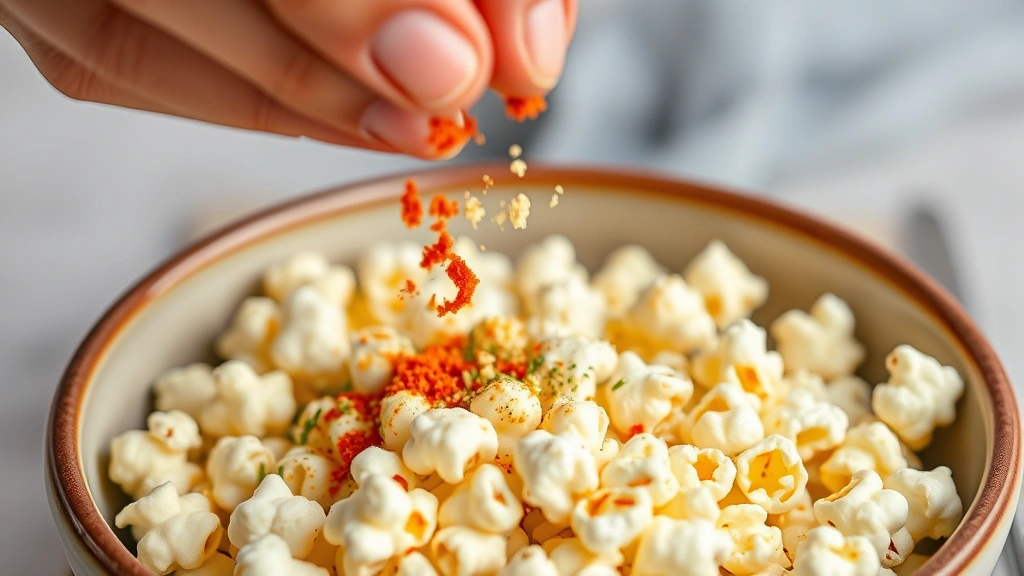
Savory Seasonings: Nutritional yeast provides cheesy flavor with only 20 calories per tablespoon. Combine it with garlic powder, onion powder, and sea salt for a savory-umami profile. Wasabi powder, paprika, cumin, and chili powder each add distinctive flavors with negligible calories. Italian seasoning blends, everything bagel seasoning, and za’atar all work beautifully on popcorn.
Sweet Seasonings: Cinnamon and a light dusting of monk fruit sweetener creates a satisfying sweet treat with virtually no calories. Vanilla extract mixed with a tiny amount of honey (applied while popcorn is warm) provides indulgent flavor. Cocoa powder combined with cinnamon and a touch of stevia delivers chocolate satisfaction without sugar.
Spicy Options: Cayenne pepper, sriracha powder, and tajín seasoning transform popcorn into exciting, metabolism-supporting snacks. The capsaicin in spicy seasonings may provide minor thermogenic benefits while adding virtually no calories.
The key principle: flavor comes from seasonings and spices, not added fats or sugars. A single tablespoon of most seasonings adds fewer than 10 calories while delivering substantial flavor impact. Experiment freely to discover your preferred combinations, ensuring you never tire of popcorn as a weight loss tool.
IMAGE_3
FAQ
Can you eat popcorn every day while losing weight?
Yes, popcorn can be consumed daily as part of a weight loss plan, provided portions remain controlled and preparation methods stay healthy. Air-popped or lightly stovetop-popped popcorn with minimal added fat fits comfortably into daily calorie budgets. Most people can enjoy 3-4 cups daily without compromising weight loss. However, vary your snacks to ensure nutritional diversity and prevent monotony.
How many calories are in air-popped popcorn?
Three cups of air-popped popcorn contains approximately 93 calories with zero grams of added fat. This makes it one of the lowest-calorie snack options available. Even generous portions of 4-5 cups remain under 150 calories, making air-popped popcorn exceptionally weight-loss-friendly.
Is popcorn better than chips for weight loss?
Absolutely. Air-popped popcorn significantly outperforms chips nutritionally. A 1-ounce serving of potato chips contains 150-160 calories with minimal fiber and substantial saturated fat. The equivalent volume of air-popped popcorn provides only 30-40 calories with 1+ grams of fiber. Popcorn’s superior satiety index means you’ll feel fuller longer on fewer calories.
What’s the best oil for stovetop popcorn?
Avocado oil and refined coconut oil both work well for popcorn, offering high smoke points and neutral flavors. Olive oil works but has a lower smoke point, risking burnt flavor. Use 1-2 teaspoons maximum for a full batch to keep added calories minimal—typically 40-60 calories total.
Does popcorn cause bloating or digestive issues?
Popcorn rarely causes problems for most people, though the high fiber content may initially increase digestive activity in those unaccustomed to fiber-rich foods. Increase popcorn consumption gradually and ensure adequate water intake. The hulls can occasionally irritate sensitive gums, but this is individual and manageable by choosing hull-free popcorn varieties if needed.
How does popcorn compare to other whole grain snacks?
Popcorn excels among whole grain snacks due to its exceptional volume-to-calorie ratio and fiber density. Whole grain crackers typically contain 120-150 calories per serving with less fiber. Whole grain bread offers nutrition but denser calories. Popcorn’s unique preparation expands the grain dramatically, delivering more food for fewer calories than alternatives.
Can popcorn help with hunger management during weight loss?
Yes. Popcorn’s high satiety index and substantial volume make it particularly effective for hunger management. The combination of fiber, whole grains, and required chewing creates prolonged satiety signals. Many people find popcorn more satisfying than other low-calorie snacks, making it valuable for appetite control during calorie restriction.


