Is Rice Good for Weight Loss? Nutritionist Explains
Rice is one of the most consumed grains worldwide, serving as a dietary staple for billions of people. However, when it comes to weight loss, many individuals wonder whether rice should be included in their diet or eliminated entirely. The answer is more nuanced than a simple yes or no. Rice can absolutely be part of a successful weight loss journey—but the type of rice, portion size, and how you prepare it make all the difference.
The truth is that rice itself isn’t inherently bad for weight loss. What matters most is understanding the nutritional profile of different rice varieties, how they affect your blood sugar and hunger levels, and how to incorporate them strategically into a calorie-conscious eating plan. In this comprehensive guide, we’ll explore the science behind rice and weight loss, helping you make informed decisions about whether and how to include this grain in your diet.
Rice Nutritional Profile and Calories
Understanding the basic nutritional content of rice is the foundation for determining whether it fits into your weight loss goals. One cup of cooked white rice contains approximately 206 calories, 45 grams of carbohydrates, 4 grams of protein, and less than 1 gram of fat. Brown rice, on the other hand, has slightly more calories at around 215 per cooked cup, but offers more fiber and nutrients.
The calorie content of rice is moderate compared to other foods, but it’s important to remember that portion sizes matter significantly. Many people underestimate how much rice they’re consuming, which can quickly add up in terms of total daily calorie intake. A serving size of rice is typically considered to be half a cup of cooked rice, yet most people serve themselves one to two cups or more.
Rice is primarily a carbohydrate-based food, which means it provides energy but limited protein and fat. For weight loss, this composition can be problematic if rice makes up the bulk of your meal without adequate protein and fiber to support satiety. However, when combined properly with lean proteins and vegetables, rice can be a perfectly acceptable part of a healthy meal plan for weight loss.
Different Types of Rice: Which Is Best?
Not all rice is created equal when it comes to weight loss potential. The variety you choose significantly impacts how your body processes it and how satisfied you feel after eating.
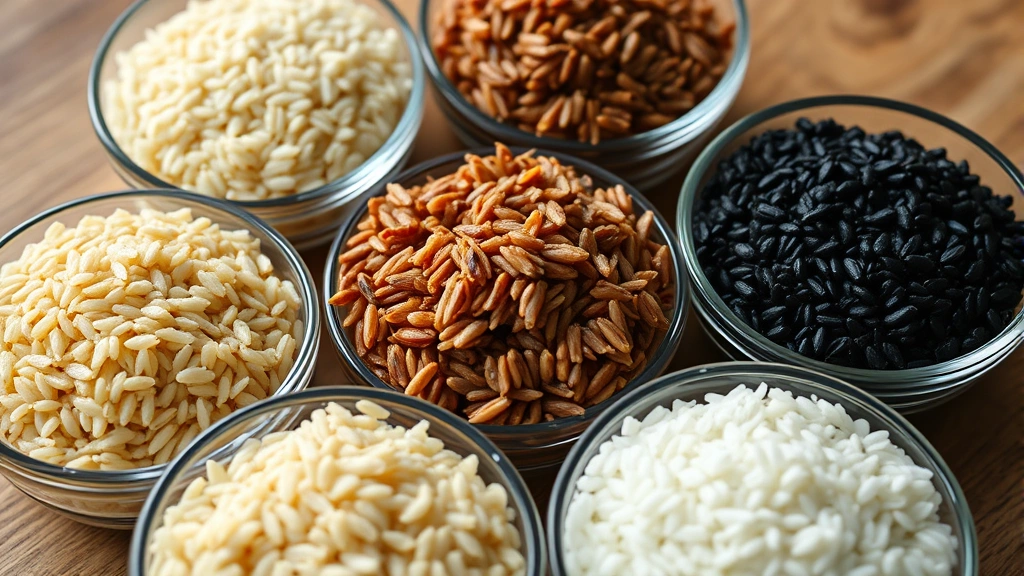
White Rice: This is the most processed form of rice, with the bran and germ removed. While it’s convenient and has a pleasant texture, white rice is digested quickly and doesn’t provide much fiber or sustained satiety. It has a high glycemic index, meaning it causes rapid spikes in blood sugar.
Brown Rice: Containing the bran and germ, brown rice is significantly more nutritious than white rice. It provides more fiber (approximately 3.5 grams per cooked cup), magnesium, and B vitamins. The extra fiber helps promote feelings of fullness and supports digestive health, making it a better choice for weight loss than white rice.
Wild Rice: Despite its name, wild rice isn’t actually rice but a grass seed. It’s higher in protein (about 6.5 grams per cooked cup) and fiber than traditional rice varieties, making it an excellent option for weight loss. It also has a lower glycemic index and provides sustained energy.
Basmati and Jasmine Rice: These aromatic varieties are white rice variants with slightly different nutritional profiles. Basmati rice has a lower glycemic index than regular white rice, making it a moderately better choice for blood sugar control.
Black Rice (Forbidden Rice): This heirloom variety is rich in anthocyanins, antioxidants that give it its dark color. It’s more nutritious than white rice and has a lower glycemic index, though it’s less commonly available and more expensive.
Glycemic Index and Blood Sugar Control
One of the most important factors in weight loss is managing blood sugar levels and maintaining stable energy throughout the day. The glycemic index (GI) measures how quickly foods raise blood sugar levels after consumption.
White rice has a high glycemic index (around 73), which means it causes rapid blood sugar spikes. These spikes trigger insulin release, and when insulin levels are elevated, your body is more likely to store excess calories as fat rather than burn them. Additionally, the quick spike followed by a crash can leave you feeling hungry again soon after eating.
Brown rice and wild rice have lower glycemic indices (around 68 and 35, respectively), meaning they cause more gradual increases in blood sugar. This steadier energy release keeps you feeling fuller longer and reduces the likelihood of reaching for snacks shortly after eating. If you’re concerned about how to improve insulin resistance, choosing lower glycemic index grains like brown rice and wild rice is a smart strategy.
Research published in the American Journal of Clinical Nutrition has demonstrated that diets emphasizing lower glycemic index foods are associated with greater weight loss and improved metabolic markers. This doesn’t mean you must eliminate white rice entirely, but it does suggest that choosing brown or wild rice more frequently will better support your weight loss efforts.
Portion Control and Weight Loss Strategy
Even with the best type of rice, portion control remains crucial for weight loss success. The standard serving size of rice is half a cup of cooked rice, which contains approximately 100-110 calories. However, many people consume two to three times this amount in a single meal.
A practical approach to portion control is using the hand method: one closed fist of cooked rice per meal is a reasonable portion for most people. This typically translates to about half to three-quarters of a cup. For weight loss, this portion size combined with adequate protein and vegetables creates a balanced, satisfying meal.
Consider building your plate using the plate method: fill half your plate with non-starchy vegetables, one-quarter with lean protein (chicken, fish, tofu, beans), and one-quarter with rice or another whole grain. This approach naturally controls portion sizes while ensuring you get adequate nutrients and fiber for satiety.
How to Prepare Rice for Weight Loss
The way you prepare rice significantly impacts its suitability for weight loss. Cooking methods can actually alter the glycemic index of rice and affect how many calories your body absorbs.
Cooking Method Matters: Research has shown that cooling cooked rice after cooking and then reheating it increases the amount of resistant starch, a type of carbohydrate that behaves more like fiber in your digestive system. Resistant starch is absorbed more slowly, doesn’t spike blood sugar as dramatically, and may even provide some prebiotic benefits for gut health.
Avoid Added Fats: Many traditional rice preparations involve cooking rice in butter, oil, or coconut milk, which significantly increases the calorie content. For weight loss, cook rice in water or low-sodium broth instead. This keeps the focus on the rice’s natural nutritional content without adding unnecessary calories.
Mix with Other Ingredients: Cooking rice with legumes creates a complete protein that provides all essential amino acids. A mixture of half rice and half beans or lentils increases the protein and fiber content substantially while reducing the overall glycemic load of the dish.
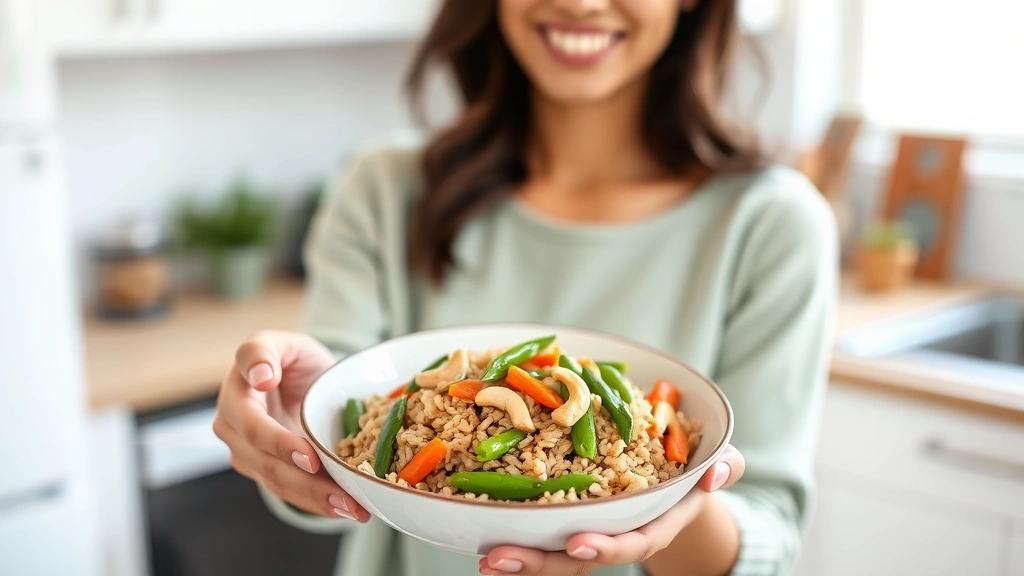
Add Vegetables: Mix cooked rice with plenty of vegetables like broccoli, bell peppers, carrots, and peas. This increases the volume of your meal, adds nutrients and fiber, and helps you feel satisfied with a smaller portion of rice.
Rice vs. Other Grains
To determine whether rice is the best grain choice for your weight loss journey, it’s helpful to compare it with alternatives. Fruits and vegetables should form the foundation of your diet, but when choosing grains, consider these options:
- Quinoa: Contains 8 grams of protein per cooked cup and is a complete protein. Higher in fiber and more satiating than rice, though also higher in calories.
- Oats: Rich in soluble fiber (beta-glucans) that promotes satiety and supports digestive health. Lower glycemic index than white rice.
- Barley: High in fiber and has a low glycemic index. Studies show barley consumption is associated with improved weight management.
- Whole Wheat: Contains more protein and fiber than white rice, supporting better satiety and blood sugar control.
- Lentils and Beans: While technically legumes rather than grains, these provide significantly more protein and fiber than any grain, making them superior for weight loss.
This doesn’t mean you should never eat rice, but incorporating a variety of grains and legumes provides more nutritional diversity and may better support weight loss goals.
How to Incorporate Rice Into Your Diet
Rice can be successfully incorporated into a weight loss diet when approached strategically. Here are practical ways to make rice work for your goals:
Choose Brown or Wild Rice Primarily: Make brown rice or wild rice your default choice. These varieties provide more nutrition, fiber, and sustained energy compared to white rice. Reserve white rice for occasional meals or mix it with brown rice to gradually transition your palate.
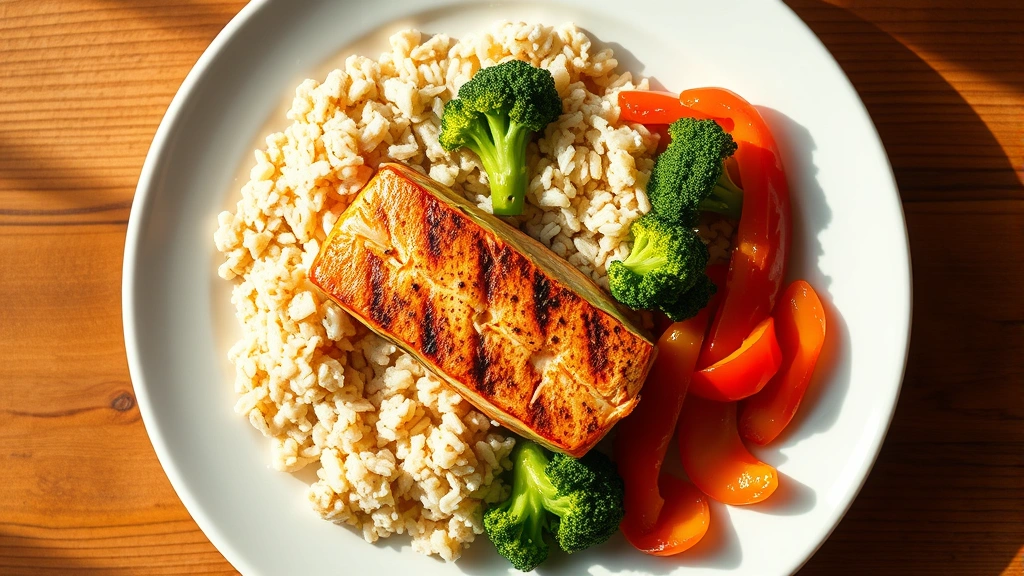
Build Balanced Meals: Always pair rice with lean protein and abundant vegetables. A typical meal might include one-quarter cup of cooked brown rice, 4-6 ounces of grilled chicken breast, and two cups of steamed broccoli with a light sauce. This combination provides approximately 400-450 calories with good protein, fiber, and micronutrient content.
Watch Liquid Additions: Be mindful of sauces, oils, and cooking liquids added to rice dishes. A tablespoon of oil adds 120 calories, and creamy sauces can double or triple the calorie content of a rice-based meal. Choose broth-based dishes, light soy sauce, or simple seasonings instead.
Practice Portion Awareness: Measure your rice portions initially to develop an accurate sense of appropriate serving sizes. Using a small bowl or rice cooker cup helps maintain consistency and prevents portion creep.
Combine with Exercise: Aerobic exercises for weight loss paired with a balanced diet including controlled rice portions creates a synergistic effect for weight loss. Physical activity increases calorie expenditure and improves insulin sensitivity.
Stay Hydrated: Water intake plays a crucial role in weight loss success. Drinking adequate water supports metabolism, reduces appetite, and helps your body process carbohydrates more efficiently.
Plan for Long-Term Success: Rather than viewing rice as something to eliminate, develop sustainable eating patterns that include rice in appropriate portions. This approach supports effective strategies for maintaining weight loss long-term.
FAQ
Is white rice bad for weight loss?
White rice isn’t inherently bad for weight loss, but it’s less ideal than brown or wild rice. White rice has a high glycemic index, causing rapid blood sugar spikes that can increase hunger shortly after eating. However, if you enjoy white rice and can control portions, it can still be part of a weight loss diet. For better results, choose brown rice or wild rice more frequently, or mix white and brown rice together.
How much rice can I eat per day for weight loss?
A reasonable daily rice intake for weight loss is approximately one to one-and-a-half cups of cooked rice spread across meals. This translates to roughly 200-330 calories from rice. Remember that this should be part of a balanced meal that includes protein and vegetables. Individual needs vary based on total calorie goals, activity level, and other dietary factors, so consulting with a registered dietitian can provide personalized guidance.
Can I lose weight eating rice every day?
Yes, you can lose weight eating rice daily if you control portions, choose whole grain varieties, and maintain a calorie deficit. The key is making rice part of a balanced meal rather than the main component. Pair it with lean protein and plenty of vegetables, and ensure your total daily calorie intake supports weight loss. Many cultures where rice is a daily staple have populations with healthy weights, demonstrating that rice consumption and weight loss can coexist.
Is brown rice better than white rice for weight loss?
Brown rice is generally better than white rice for weight loss due to higher fiber content (3.5 grams vs. 0.6 grams per cup), lower glycemic index, and better satiety. The fiber in brown rice slows digestion, keeps you feeling full longer, and provides more stable energy. However, brown rice does have slightly more calories, so portion control remains important. For optimal results, make brown rice your primary choice while occasionally including other grains and legumes.
Should I avoid rice if I have insulin resistance?
If you have insulin resistance, white rice should generally be avoided or minimized due to its high glycemic index. Brown rice, wild rice, and basmati rice are better choices due to their lower glycemic indices. Additionally, always combine rice with protein and fiber-rich vegetables to further slow carbohydrate absorption. Working with a registered dietitian who specializes in metabolic health can help you develop an appropriate eating plan. Learn more about improving insulin resistance through dietary strategies.
Can rice cause bloating during weight loss?
Some people experience bloating from rice, particularly white rice, due to its low fiber content and how quickly it’s digested. Brown rice, with its higher fiber content, may actually help reduce bloating by supporting digestive health. If you experience bloating, try brown rice instead of white rice, ensure adequate water intake, and include other high-fiber foods in your diet. Cooking rice with a small amount of ginger or cumin may also help reduce digestive discomfort.
What’s the best rice for weight loss?
Wild rice is arguably the best choice for weight loss due to its highest protein content (6.5 grams per cup), high fiber, and lowest glycemic index. Brown rice is an excellent second choice, offering good nutrition and fiber at a more affordable price point and easier availability. Basmati rice is acceptable if you prefer white rice, as it has a lower glycemic index than standard white rice. The best rice for you personally depends on your taste preferences, budget, and individual metabolic response.


