
Is Salmon Good for Weight Loss? Nutritionist Explains
Salmon has become a staple in health-conscious diets, but does it actually support weight loss? The short answer is yes—salmon can be an excellent addition to a weight loss plan when prepared thoughtfully and consumed as part of a balanced diet. This fatty fish offers a unique combination of nutrients that work synergistically to support your body composition goals, boost metabolism, and keep you satisfied between meals.
In this comprehensive guide, we’ll explore the science behind salmon’s weight loss benefits, examine its nutritional profile, and provide practical strategies for incorporating this nutrient-dense food into your daily routine. Whether you’re just beginning your weight loss journey or looking to optimize your current approach, understanding how salmon fits into the bigger picture will help you make informed dietary choices.
Salmon’s Nutritional Profile: What Makes It Weight Loss Friendly
A 3-ounce serving of cooked Atlantic salmon contains approximately 175 calories, 19 grams of protein, and 10 grams of fat, making it a nutrient-dense choice for those watching their caloric intake. Unlike many other protein sources, salmon provides complete amino acids alongside beneficial micronutrients including vitamin D, selenium, and B vitamins—all essential for optimal metabolic function and overall health.
The calorie-to-nutrient ratio in salmon is particularly favorable for weight loss. You’re getting substantial nutritional value without excessive calories, which means your body receives the building blocks it needs to function optimally while maintaining a caloric deficit. This is fundamentally different from processed foods that deliver empty calories without supporting satiety or health outcomes.
Salmon also contains astaxanthin, a powerful antioxidant responsible for its pink color. This compound has been studied for its potential role in reducing inflammation and supporting cardiovascular health—important considerations since chronic inflammation can interfere with weight loss efforts. When you choose salmon, you’re investing in multiple layers of nutritional support.
The vitamin D content in salmon deserves special attention. Research indicates that adequate vitamin D levels may support healthy body composition and metabolic function. Many people, particularly those in northern climates or with limited sun exposure, struggle with vitamin D deficiency—making salmon a practical dietary source of this crucial nutrient.
Protein Content and Satiety Benefits
Protein is the most satiating macronutrient, and salmon delivers an impressive amount per serving. With nearly 20 grams of protein in a modest 3-ounce portion, salmon helps suppress hunger hormones like ghrelin while promoting the release of peptide YY, a hormone that signals fullness to your brain. This hormonal support means you’re less likely to experience intense cravings or overeat at subsequent meals.
When you incorporate salmon into your meals, you’re essentially creating a natural appetite suppressant without relying on willpower alone. This is why protein-rich foods are so effective for sustainable weight loss—they work with your body’s natural signaling systems rather than against them. If you’re interested in exploring more high protein recipes for weight loss, salmon-based options offer versatility and satisfaction.
The thermic effect of protein is another advantage. Your body burns approximately 20-30% of protein calories during digestion, compared to just 5-10% for carbohydrates and 0-3% for fats. This means that when you eat salmon, you’re actually burning more calories during the digestive process itself—a small but cumulative benefit that supports your overall energy deficit.
Beyond immediate satiety, protein supports lean muscle mass preservation during weight loss. When you’re in a caloric deficit, your body risks breaking down muscle tissue for energy. Adequate protein intake, particularly from complete protein sources like salmon, signals your body to preserve muscle while preferentially mobilizing fat stores. This distinction is crucial because muscle tissue is metabolically active, meaning it burns calories at rest.
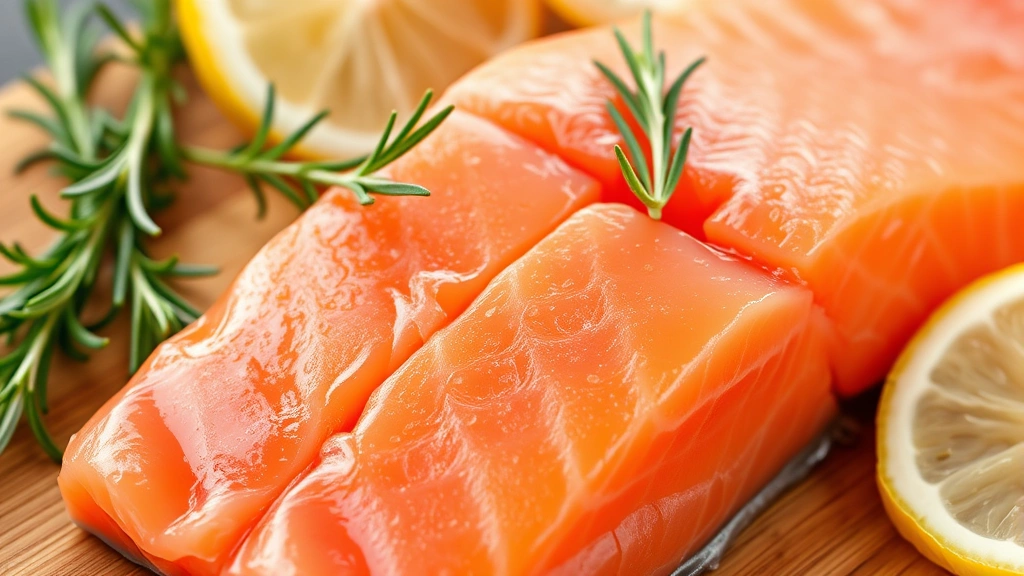
Omega-3 Fatty Acids and Metabolism
Salmon is renowned for its omega-3 fatty acid content, specifically EPA (eicosapentaenoic acid) and DHA (docosahexaenoic acid). These long-chain polyunsaturated fats have been extensively studied for their metabolic effects. Research published in the American Journal of Clinical Nutrition suggests that omega-3 fatty acids may enhance fat oxidation and improve insulin sensitivity—both critical factors in successful weight loss.
The mechanism is fascinating: omega-3 fatty acids influence gene expression related to fat storage and utilization. They help activate pathways that promote fat burning while simultaneously reducing the inflammatory state that often accompanies obesity. This anti-inflammatory effect is particularly important because chronic inflammation can create metabolic resistance and make weight loss more difficult.
Studies examining fish consumption and weight outcomes have found associations between regular salmon intake and healthier body weight. A comprehensive review in the journal Nutrients found that populations consuming more fish, particularly fatty fish like salmon, tend to have lower obesity rates and better metabolic markers. While correlation doesn’t prove causation, the biological mechanisms supporting these observations are well-established.
Omega-3 fatty acids also support cardiovascular health, which becomes increasingly important as you lose weight and your body composition changes. These fats help maintain healthy blood pressure, reduce triglycerides, and support overall heart function—benefits that extend far beyond weight loss itself.
How Salmon Supports Fat Loss
The weight loss benefits of salmon operate through multiple interconnected pathways. First, the high protein content creates and maintains satiety, reducing overall caloric intake without requiring restrictive eating patterns. Second, omega-3 fatty acids enhance the body’s capacity to mobilize and burn fat stores. Third, the nutrient density ensures your metabolism remains optimized even in a caloric deficit.
When combined with consistent physical activity, particularly resistance training for weight loss, salmon provides the amino acids necessary for muscle recovery and growth. This is important because building or maintaining muscle mass increases resting metabolic rate—the number of calories you burn simply existing.
Salmon also supports stable blood sugar levels due to its protein and healthy fat content. When blood sugar remains stable, you experience fewer energy crashes and cravings for quick carbohydrates. This stability makes it easier to maintain consistent nutrition throughout the day and avoid the overeating that often follows blood sugar spikes.
The nutrient profile of salmon—particularly its B vitamins—supports energy production and metabolic efficiency. Vitamin B6 and B12 are essential for converting food into usable energy. When these vitamins are adequate, your metabolism operates optimally, maximizing the effectiveness of your weight loss efforts.
Best Ways to Prepare Salmon for Weight Loss
How you prepare salmon significantly impacts its weight loss effectiveness. The healthiest methods preserve nutrients while avoiding excess calories from added fats and sauces. Baking salmon at 400°F for 12-15 minutes requires minimal added fat and maintains nutritional integrity. Poaching salmon in water or low-sodium broth is another excellent option that keeps calories minimal while preserving protein and omega-3 content.
Grilling salmon imparts excellent flavor without requiring additional fats. Simply season with herbs, lemon juice, and minimal salt, then cook over medium heat for 4-5 minutes per side. This method creates a satisfying meal with minimal caloric addition. Steaming is another overlooked preparation method that preserves nutrients while keeping the fish moist and flavorful.
Avoid preparations that involve heavy sauces, deep frying, or excessive butter. A single tablespoon of butter adds 100 calories and 11 grams of fat—quickly negating some of salmon’s weight loss advantages. Instead, use flavor-building techniques like fresh herbs, citrus, garlic, and spices to create satisfying meals without excess calories.
Raw salmon in sushi or sashimi form is an excellent option if you enjoy it. This preparation method adds virtually no calories while providing complete nutritional benefits. However, ensure you’re sourcing sushi-grade salmon from reputable suppliers to minimize food safety risks.
Portion Control and Calorie Considerations
While salmon is weight loss friendly, portion control remains essential. A standard serving size is 3-4 ounces (about the size of your palm), containing approximately 175-235 calories. For most people aiming for weight loss, incorporating one or two salmon servings weekly provides excellent nutritional support without excessive caloric intake.
If you’re following a specific caloric target, account for salmon within your daily allowance. The beauty of salmon is that its satiety benefits mean you can feel satisfied with reasonable portions. Many people find that eating salmon for lunch or dinner naturally leads to consuming fewer calories at subsequent meals due to prolonged fullness.
Consider your complete meal composition when preparing salmon. Pairing it with non-starchy vegetables like broccoli, spinach, or asparagus adds volume and nutrients without significant calories. A small portion of whole grains like brown rice or quinoa provides sustained energy and fiber. This balanced approach maximizes satiety and nutritional benefit.
Tracking your salmon intake using weight loss and fitness apps can help you maintain awareness of your caloric consumption while ensuring you’re getting adequate protein and nutrients.

Combining Salmon with Other Weight Loss Strategies
Salmon is most effective as part of a comprehensive weight loss approach. Combining salmon-based meals with other proven strategies amplifies results. For instance, incorporating salmon into an intermittent fasting protocol can be particularly effective. When you break your fast with a salmon-based meal, the high protein content provides sustained energy and satiety for hours, supporting your fasting window.
Adequate hydration is another complementary strategy. Water supports metabolic function and helps your body efficiently process nutrients from salmon. Learn more about the synergy between weight loss and water intake to optimize your overall approach.
Regular physical activity, particularly strength training, works synergistically with salmon consumption. The amino acids in salmon support muscle recovery after workouts, while the enhanced metabolic rate from muscle tissue amplifies the benefits of your training. This combination creates a powerful environment for sustainable fat loss.
Consistency matters more than perfection. Rather than viewing salmon as a miracle food, recognize it as a valuable tool in your weight loss toolkit. Including salmon 1-2 times weekly as part of balanced, calorie-controlled meals supports your goals while providing excellent nutrition and enjoyment.
Consider exploring weight loss podcasts that discuss nutrition science and weight loss strategies. Learning from registered dietitians and weight loss experts can deepen your understanding and motivation.
FAQ
Is farmed salmon as healthy as wild-caught salmon for weight loss?
Both farmed and wild-caught salmon support weight loss effectively. Wild-caught salmon typically contains slightly higher omega-3 levels and lower contaminant levels, but farmed salmon remains an excellent, more affordable option. The protein content, satiety benefits, and metabolic support are comparable. Choose based on your budget and preferences—consistency matters more than the source.
How often should I eat salmon for weight loss?
One to two salmon servings weekly is ideal for most people pursuing weight loss. This frequency provides excellent nutritional benefits without monotony. Varying your protein sources—including salmon alongside chicken, turkey, and plant-based options—ensures diverse nutrient intake and prevents dietary boredom.
Can I eat salmon every day while losing weight?
While salmon is nutritious, eating it daily isn’t necessary and may become expensive or monotonous. Daily consumption could also increase mercury exposure slightly, though this is generally not concerning for most adults. Rotating salmon with other lean proteins provides better nutritional variety and sustainability.
Does the preparation method significantly affect salmon’s weight loss benefits?
Yes, preparation method matters considerably. Baking, grilling, steaming, and poaching preserve nutrients while keeping calories minimal. Deep frying or using heavy sauces adds significant calories, reducing weight loss effectiveness. Stick with simple preparations that let salmon’s natural flavor shine.
What’s the best time to eat salmon for weight loss?
The best time is whenever it fits your eating schedule consistently. Some people prefer salmon at lunch for afternoon satiety, while others enjoy it at dinner. If practicing intermittent fasting, consuming salmon during your eating window maximizes its satiating benefits. Consistency and personal preference matter more than timing.
Should I remove the salmon skin before eating?
The skin contains beneficial compounds and omega-3 fatty acids, so keeping it on adds nutritional value. The skin also adds minimal calories (approximately 15-20 extra calories per serving) while significantly enhancing flavor and texture. Consume the skin unless you have specific dietary restrictions.


