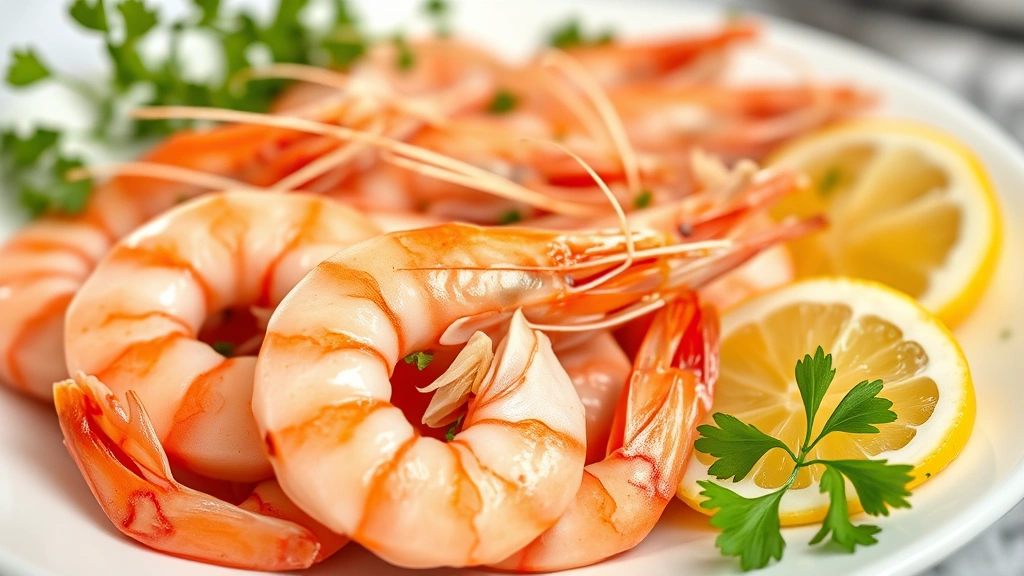
Is Shrimp Good for Weight Loss? Nutritionist Explains
Shrimp is one of the most underrated protein sources for weight loss. While many people assume seafood is either too high in calories or contains too much cholesterol, the reality is quite different. Shrimp is exceptionally lean, nutrient-dense, and can be a powerful addition to any evidence-based weight loss plan. If you’re looking for foods that support your goals without sacrificing taste or satisfaction, shrimp deserves a place on your plate.
As a registered dietitian perspective, shrimp offers unique advantages that make it particularly effective for sustainable weight loss. Beyond just being low in calories, shrimp provides essential nutrients that support metabolic health, muscle preservation, and hormonal balance—all critical components of successful, long-term weight management. This comprehensive guide will explore why shrimp is an excellent choice and how to incorporate it strategically into your nutrition plan.
Nutritional Profile of Shrimp
Understanding what you’re eating is fundamental to making informed dietary choices. A 3-ounce (85-gram) serving of cooked shrimp contains approximately 84 calories, 18 grams of protein, and less than 1 gram of fat. This macronutrient ratio is exceptionally favorable for weight loss because it maximizes satiety while minimizing calorie density.
Shrimp also provides significant micronutrients that support overall health during weight loss. These include selenium (a powerful antioxidant), vitamin B12 (essential for energy metabolism), and phosphorus (important for bone health). The mineral content is particularly valuable because restrictive dieting can sometimes lead to nutrient deficiencies. Shrimp helps prevent this by delivering concentrated nutrition in a very low-calorie package.
Additionally, shrimp contains astaxanthin, a carotenoid pigment responsible for its pink color. This compound has been studied for its anti-inflammatory and antioxidant properties, which may support metabolic health and reduce exercise-induced oxidative stress—particularly important if you’re combining shrimp intake with strength training exercises for weight loss.
Protein Benefits for Weight Loss
Protein is the most satiating macronutrient, meaning it keeps you feeling full longer than carbohydrates or fats. When you’re satisfied, you’re less likely to overeat or reach for unnecessary snacks. Shrimp delivers substantial protein without the calorie burden of fattier protein sources. Compared to beef or pork, shrimp provides similar protein content with dramatically fewer calories.
The thermic effect of protein is another crucial advantage. Your body burns approximately 20-30% of protein calories during digestion, compared to 5-10% for carbohydrates and 0-3% for fats. This means eating shrimp actually increases your energy expenditure slightly. Over time, this contributes meaningfully to weight loss when combined with other strategies to improve your metabolic rate.
Research published in the American Journal of Clinical Nutrition demonstrates that high-protein diets consistently outperform low-protein diets for weight loss, even when total calories are equal. This is because protein preserves lean muscle mass during caloric restriction. When you lose weight, you want to lose fat, not muscle. Shrimp’s protein content helps protect your metabolism and ensures the weight you lose comes primarily from fat stores.
Why Shrimp Is Incredibly Low in Calories
The caloric density of food determines how much you can eat while staying within your calorie goals. Shrimp is exceptionally low in calories because it contains almost no fat and virtually no carbohydrates. This means you can eat a generous portion—say 6-8 ounces—and consume only about 170-225 calories. By contrast, the same weight of chicken thigh would provide 300+ calories.
This low caloric density has profound implications for weight loss success. You can eat filling, satisfying portions without triggering the calorie surplus that prevents weight loss. Many people struggle with weight loss because they feel constantly hungry on restrictive diets. Shrimp solves this problem by allowing substantial portions within reasonable calorie limits.
The water content of shrimp also contributes to its weight loss benefits. Shrimp is approximately 80% water, which adds volume and weight to meals without adding calories. This creates a psychological effect where your brain registers a substantial meal, triggering satiety signals, while your calorie intake remains modest. This is why choosing foods with high water content, similar to best fruits for fat loss, is a cornerstone strategy of evidence-based weight loss.
Metabolic Advantages and Weight Management
Beyond basic calories and macronutrients, shrimp offers specific metabolic advantages. The selenium content supports thyroid function, which is critical for maintaining healthy metabolic rate. An underactive thyroid can slow metabolism and make weight loss significantly more difficult. While shrimp alone won’t treat thyroid disease, ensuring adequate selenium intake supports optimal thyroid performance.
Shrimp also contains choline, a nutrient that supports fat metabolism and liver health. Your liver is central to processing dietary fat and managing body composition. When liver function is compromised, weight loss becomes more difficult and metabolic dysfunction becomes more likely. Choline helps maintain hepatic function, indirectly supporting your weight loss efforts.
The vitamin B12 in shrimp is particularly important if you’re managing insulin resistance, which affects approximately 32% of American adults and significantly impairs weight loss capacity. B12 supports energy metabolism and helps prevent the fatigue that often accompanies dietary changes. This allows you to maintain consistent physical activity and adherence to your nutrition plan.
Best Preparation Methods for Weight Loss
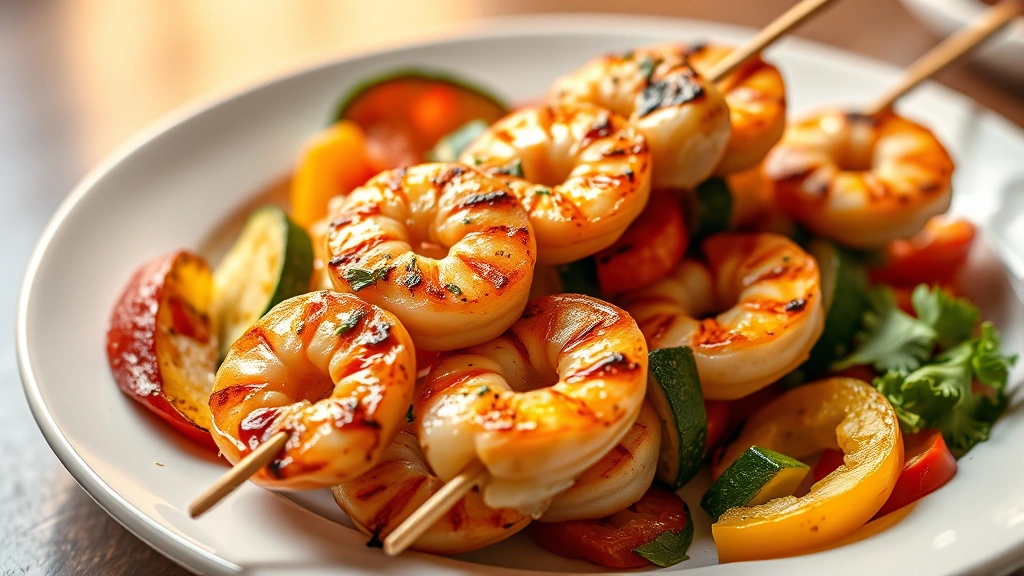
How you prepare shrimp dramatically affects its weight loss potential. Grilling, steaming, boiling, and baking are excellent low-calorie methods that preserve nutritional content without adding calories. A 3-ounce serving of boiled shrimp contains 84 calories and essentially no added fat.
Conversely, preparation methods to minimize include deep-frying, pan-frying in oil, and creamy sauces. Fried shrimp can contain 300+ calories per serving due to absorbed oil during cooking. Creamy preparations add carbohydrates and fats that increase calorie density substantially. If you enjoy richer flavors, use small amounts of flavorful ingredients—garlic, lemon, herbs, hot sauce—rather than oil or cream.
Seasonings are your allies in weight loss. Shrimp has a delicate flavor that pairs beautifully with bold seasonings. Garlic, paprika, cumin, ginger, and chili powder add virtually no calories while making meals more satisfying and enjoyable. This is crucial because sustainable weight loss requires enjoying your food. If you hate what you’re eating, you won’t stick with it long-term.
Consider steaming shrimp with lemon and herbs, grilling with minimal oil, or adding to stir-fries with vegetables and a small amount of low-sodium soy sauce. These preparations keep calories minimal while maximizing flavor and satisfaction.
Practical Meal Ideas and Recipes
Incorporating shrimp into your weight loss plan is straightforward and delicious. A simple shrimp and vegetable stir-fry using 6 ounces of shrimp, mixed vegetables (broccoli, bell peppers, snap peas), and 1 tablespoon of sesame oil provides approximately 300 calories and 30 grams of protein. Serve over cauliflower rice to keep the meal low-carb and filling.
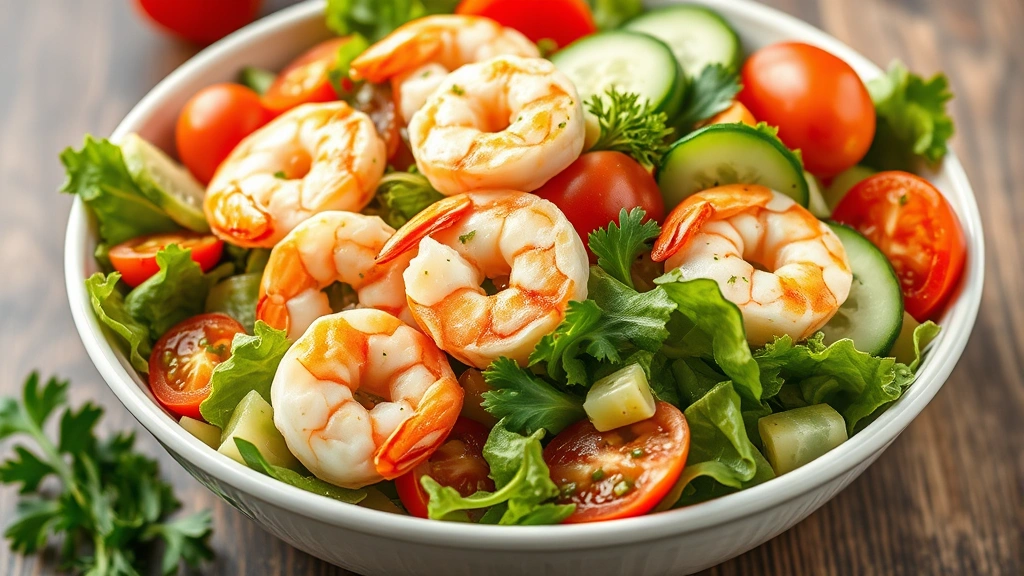
Shrimp salads are another excellent option. Combine 4 ounces of cooked shrimp with mixed greens, cucumber, tomato, and a light vinaigrette. This meal is filling, nutrient-dense, and typically contains under 200 calories. The fiber from vegetables and greens adds volume and supports digestive health.
Shrimp tacos using lettuce wraps instead of tortillas provide satisfying portions with minimal calories. Fill lettuce leaves with seasoned shrimp, salsa, avocado (in moderation), and cilantro. This meal satisfies cravings while supporting weight loss.
For those interested in more comprehensive meal planning, explore cottage cheese recipes for weight loss as complementary protein sources you can combine strategically throughout your week.
Shrimp soup is perfect for cold months. Combine shrimp with low-sodium broth, vegetables, and minimal added fat. The high water content makes this meal exceptionally filling while remaining low in calories. Add spice with cayenne or hot sauce to increase satisfaction without adding calories.
Important Considerations and Concerns
While shrimp is excellent for weight loss, a few considerations deserve attention. Shrimp does contain cholesterol—approximately 166 mg per 3-ounce serving. However, research has consistently shown that dietary cholesterol has minimal impact on blood cholesterol for most people. The saturated fat content is negligible, and shrimp’s protein and nutrient density make it a heart-healthy choice for the vast majority of individuals.
Sodium content can be higher in some shrimp products, particularly frozen varieties. If you’re sensitive to sodium or managing hypertension, rinse frozen shrimp before cooking or purchase fresh shrimp. This simple step significantly reduces sodium intake without compromising nutritional benefits.
Sustainability is another consideration worth addressing. Shrimp farming practices vary considerably in their environmental impact. Seeking responsibly sourced shrimp—look for certifications from the Aquaculture Stewardship Council—ensures your weight loss efforts don’t come at an environmental cost.
Some individuals have shellfish allergies, which can range from mild to severe. If you have any shellfish sensitivity, shrimp is obviously not appropriate for you. However, if you tolerate shrimp well, it’s an excellent addition to your protein rotation.
If you’re considering pharmaceutical interventions for weight loss, such as Mounjaro weight loss reviews, shrimp remains an excellent protein choice to combine with medical treatment for optimal results.
Quality matters when selecting shrimp. Fresh shrimp is superior to some frozen varieties that may contain added sodium or preservatives. If purchasing frozen shrimp, check the ingredient list—it should contain only shrimp, with no added salt or other ingredients.
FAQ
How much shrimp should I eat daily for weight loss?
Most nutrition guidelines recommend 4-6 ounces of shrimp per serving, which provides approximately 100-150 calories and 20-30 grams of protein. This fits comfortably into most weight loss plans. You can include shrimp daily if desired, though rotating protein sources ensures you receive diverse nutrients. Aim for 25-35 grams of protein per meal across 3-4 meals daily, with shrimp being one option among several protein sources.
Does shrimp have carbohydrates?
Shrimp contains virtually no carbohydrates—approximately 0.2 grams per 3-ounce serving. This makes it ideal for low-carb and keto approaches to weight loss. The minimal carbohydrate content means shrimp won’t spike blood glucose or trigger insulin responses that can promote fat storage.
Can I eat shrimp if I have high cholesterol?
Yes, research from the CDC and peer-reviewed studies shows that dietary cholesterol has minimal impact on blood cholesterol for most people. The protein and micronutrient benefits of shrimp outweigh concerns about cholesterol content. However, if your healthcare provider has given you specific dietary restrictions, follow their guidance.
What’s the best way to cook shrimp for weight loss?
Grilling, steaming, boiling, and baking are optimal methods that add no calories. Season with herbs, spices, lemon, and garlic rather than oil or cream. If using oil, measure it carefully—1 tablespoon of oil adds approximately 120 calories. Avoid deep-frying and creamy sauces, which can triple the calorie content.
Is frozen shrimp as good as fresh for weight loss?
Frozen shrimp is nutritionally equivalent to fresh shrimp and often more convenient. The freezing process preserves nutrients effectively. However, check labels for added sodium. Rinse frozen shrimp before cooking to remove excess salt. Frozen shrimp is often more affordable and reduces food waste, making it a practical choice.
How does shrimp compare to chicken for weight loss?
Both are excellent protein sources, but shrimp has advantages. A 3-ounce serving of shrimp contains 84 calories compared to 165 calories for chicken breast. Shrimp allows larger portions within the same calorie budget. However, rotating between protein sources ensures diverse nutrient intake. Neither is inherently superior; variety is the key to comprehensive nutrition.
Can shrimp cause water retention that affects weight loss?
Shrimp’s sodium content could theoretically cause water retention, but this is temporary and doesn’t reflect fat gain. If you’re sensitive to sodium, rinse shrimp before cooking. The protein in shrimp actually supports proper fluid balance and muscle function. Short-term water fluctuations shouldn’t discourage you—focus on consistent habits and long-term trends.


