Is Sourdough Bread Good for Weight Loss? A Nutritionist’s Evidence-Based Analysis
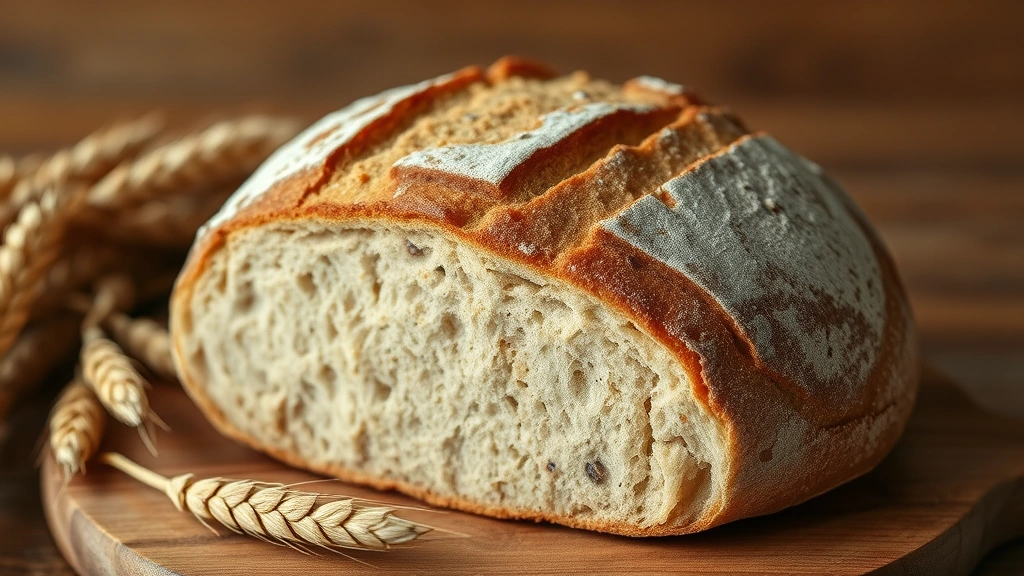
Sourdough bread has gained popularity among health-conscious consumers who wonder if its traditional fermentation process makes it a better choice for weight management. Unlike conventional white bread, sourdough undergoes a slow fermentation process that fundamentally changes its nutritional profile and how your body processes it. This comprehensive guide examines whether sourdough bread truly supports weight loss goals or if it remains a calorie-dense carbohydrate that requires careful portion control.
The question of whether sourdough fits into a weight loss plan isn’t simply yes or no—it depends on how you incorporate it into your overall diet strategy. Understanding the science behind sourdough’s fermentation, its glycemic impact, and its role within low carb diets for weight loss will help you make informed decisions about including this bread in your meals.
How Sourdough Fermentation Changes Bread’s Nutritional Value
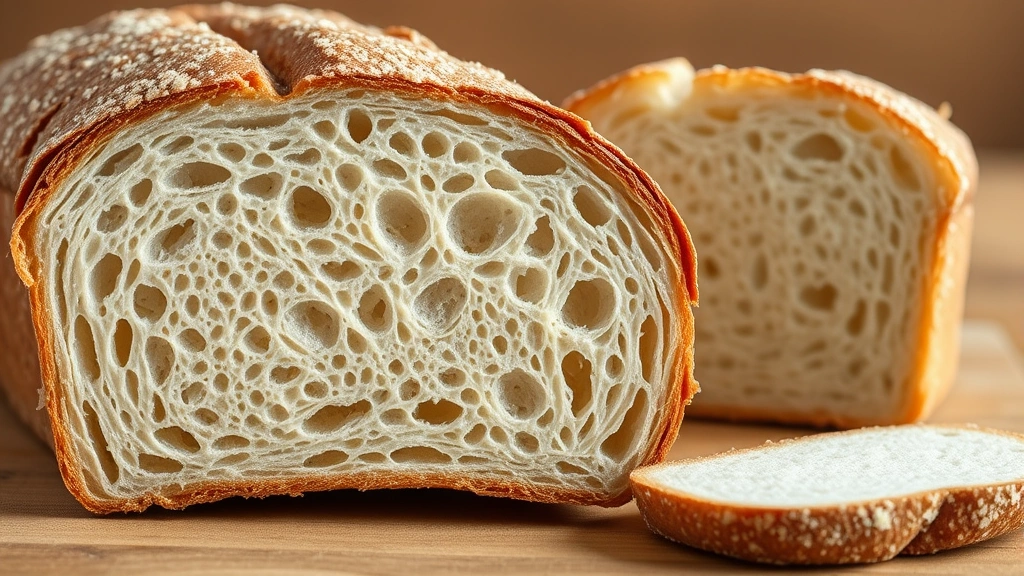
The fermentation process that defines sourdough bread creates a fundamentally different product compared to conventionally leavened bread. During the 12-48 hour fermentation period, wild yeast and lactic acid bacteria break down starches and proteins, creating organic acids that give sourdough its distinctive tangy flavor. This biological transformation offers several metabolic advantages worth understanding.
When sourdough ferments, the bacteria and yeast consume some of the bread’s carbohydrates, effectively reducing the available starches. Research published in the Journal of Cereal Science shows that sourdough fermentation can reduce digestible carbohydrates by up to 20% compared to non-fermented bread. This means fewer calories are available for absorption during digestion, a subtle but meaningful difference for weight management.
The fermentation also increases bioavailability of minerals like iron, zinc, and magnesium by breaking down phytic acid—a compound that normally binds these minerals and prevents absorption. Better nutrient absorption means your body extracts more nutritional value from smaller portions, potentially reducing cravings and supporting satiety.
Additionally, the lactic acid produced during fermentation enhances the bread’s shelf life and creates compounds that may improve your gut microbiome. A healthy digestive system is crucial for weight management because your gut bacteria influence metabolism, appetite hormones, and nutrient absorption efficiency.
Glycemic Index and Blood Sugar Impact
One of the most significant advantages of sourdough for weight loss is its lower glycemic index (GI) compared to regular bread. The glycemic index measures how quickly a food raises blood sugar levels after consumption. Sourdough typically has a GI of 50-55, while whole wheat bread averages 68-72, and white bread reaches 75-100.
This lower GI response matters because stable blood sugar levels reduce insulin spikes, which in turn reduces fat storage and maintains consistent energy throughout the day. When blood sugar crashes after eating high-GI foods, your body triggers hunger signals and cravings for more carbohydrates—a cycle that sabotages weight loss efforts.
According to research from Nutrition & Metabolism journal, the organic acids in sourdough slow gastric emptying (the rate at which food leaves your stomach), leading to prolonged satiety and reduced overall calorie intake. This extended fullness period makes it easier to stick to portion-controlled meals without constant hunger.
The fermentation process also reduces the bread’s starch digestibility. Your small intestine absorbs fewer carbohydrates from sourdough compared to regular bread, meaning the same slice provides fewer usable calories. This “calorie penalty” is one reason why sourdough can fit into weight loss plans better than other bread types.
Calorie Content and Portion Control
Despite its metabolic advantages, sourdough remains a calorie-dense food. A typical slice of sourdough bread contains 150-200 calories, depending on size and density. For weight loss, understanding portion sizes is absolutely critical because no food is calorie-free, regardless of fermentation methods.
The key distinction is that sourdough’s lower glycemic impact and reduced digestible carbohydrates mean your body doesn’t absorb every calorie present. Research suggests that sourdough provides approximately 10-20% fewer available calories than equivalent portions of white bread. While this isn’t a dramatic difference, it compounds over time and supports weight loss when combined with other healthy habits.
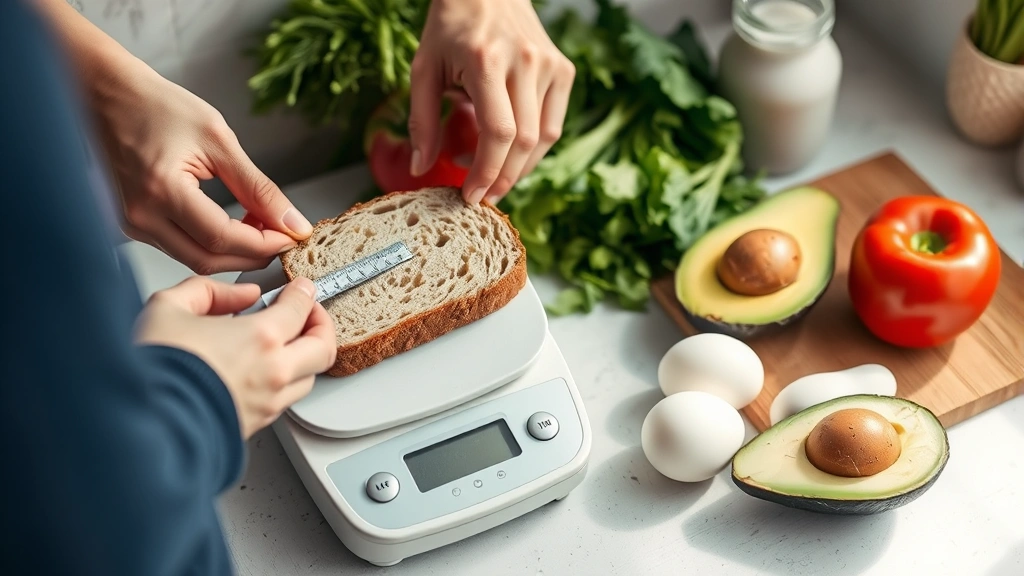
For sustainable weight loss, most nutrition experts recommend limiting bread consumption to one or two slices per meal and pairing it with protein and healthy fats. Combining your sourdough slice with eggs, avocado, or Greek yogurt slows digestion further and provides amino acids that support muscle preservation during weight loss.
Portion awareness becomes even more important when considering that sourdough’s pleasant taste and texture often encourage larger portions. Many people unconsciously eat more sourdough because it feels less “heavy” than regular bread. Measuring portions carefully and using smaller bread slices helps control calorie intake while enjoying sourdough’s benefits.
Digestibility and Gut Health Benefits
Sourdough’s fermentation creates a more digestible bread that your gut microbiome responds to positively. The lactic acid bacteria (primarily Lactobacillus) produce compounds that feed beneficial bacteria in your colon, supporting a diverse and healthy microbiome. A thriving gut microbiome directly influences weight management through multiple mechanisms.
Your gut bacteria produce short-chain fatty acids (SCFAs) like butyrate when they ferment fiber and resistant starch. These SCFAs regulate appetite hormones, increase fat oxidation, and improve insulin sensitivity—all critical for weight loss. Sourdough’s fermentation process actually increases resistant starch content, which feeds these beneficial bacteria more effectively than regular bread.
Many people experience digestive discomfort with conventional bread due to the rapid fermentation and high yeast content. Sourdough’s long, slow fermentation breaks down gluten partially and reduces FODMAPs (fermentable carbohydrates that cause bloating), making it gentler on sensitive digestive systems. When your digestive system functions optimally, nutrient absorption improves and bloating decreases—both factors that support weight loss and overall wellness.
The improved digestibility also means sourdough causes less inflammation in the gut compared to regular bread. Chronic inflammation interferes with weight loss by disrupting leptin signaling (the hormone that tells your brain you’re full) and promoting fat storage. By reducing inflammatory responses, sourdough supports your body’s natural weight regulation mechanisms.
Sourdough vs. Regular Bread for Weight Loss
When comparing sourdough to other bread types, the differences are meaningful but not transformative. Here’s how sourdough stacks up:
- vs. White Bread: Sourdough has significantly lower GI, fewer digestible carbs, better nutrient absorption, and superior satiety. White bread causes rapid blood sugar spikes that promote fat storage and hunger. Sourdough is clearly superior for weight loss.
- vs. Whole Wheat Bread: Both contain similar calories, but sourdough has lower GI and better fermentation benefits. Whole wheat provides more fiber, but sourdough’s resistant starch offers comparable gut health benefits. Choose based on taste preference and digestive tolerance.
- vs. Sprouted Bread: Sprouted grains have reduced anti-nutrients and improved nutrient bioavailability, similar to sourdough. Both are better choices than regular bread. Sprouted sourdough combines both benefits optimally.
- vs. Keto/Low-Carb Bread: Commercial low-carb breads use sugar alcohols and additives that some people don’t tolerate well. If you’re following strict low carb diets for weight loss, regular sourdough provides too many carbs. However, for moderate carb approaches, sourdough offers superior nutrition.
The most important factor is that sourdough is better for weight loss than conventional bread, but it’s not a magic solution. Success depends on overall calorie balance, portion control, and consistent healthy habits—not the bread type alone.
How to Include Sourdough in a Weight Loss Plan
If you want to incorporate sourdough into your weight loss journey, strategic implementation maximizes benefits while maintaining calorie control:
- Choose Quality Sourdough: Authentic sourdough made with long fermentation (18+ hours) offers maximum benefits. Mass-produced “sourdough” from supermarkets often contains added commercial yeast and shorter fermentation times, reducing advantages. Look for local bakeries or make your own.
- Portion Control Strategy: Limit sourdough to one slice per meal, typically at breakfast or lunch rather than dinner. Pair with protein sources like eggs, cheese, or lean meats to enhance satiety and prevent overeating.
- Time Your Consumption: Eat sourdough earlier in the day when your metabolism is highest and activity level is greater. Avoid bread in evening meals when you’re less active and more likely to store excess carbs as fat.
- Combine with Healthy Fats: Top sourdough with avocado, olive oil, nuts, or fatty fish to slow carb absorption further and extend satiety. This combination provides sustained energy and reduces subsequent hunger.
- Track Intake Honestly: Use a food tracking app to log sourdough portions accurately. Many people underestimate bread calories, thinking fermentation eliminates significant calories. Honest tracking prevents accidental overeating.
- Consider Your Carb Tolerance: If you respond well to moderate carbs with stable blood sugar, sourdough fits well. If you have insulin resistance or pre-diabetes, low carb approaches may work better despite sourdough’s advantages.
Some people find success with sourdough-based intermittent fasting, eating sourdough toast with breakfast and then fasting until lunch. The extended satiety from sourdough makes this approach more sustainable than with regular bread.
Potential Drawbacks and Considerations
While sourdough offers advantages for weight loss, several limitations deserve consideration before making it a dietary staple:
Calorie Density Remains High: Sourdough still contains 150-200 calories per slice. For aggressive calorie restriction or low carb diets for weight loss, even sourdough may provide too many carbs. Individual tolerance varies based on metabolism and carb sensitivity.
Individual Fermentation Variation: Fermentation quality depends heavily on starter health, temperature, and time. Underfermented sourdough provides minimal advantages over regular bread. Only well-fermented sourdough from reputable sources delivers maximum benefits.
Sourdough Doesn’t Prevent Weight Gain: If you eat excessive sourdough portions, weight loss won’t occur. The bread’s metabolic advantages apply only when consumed in appropriate quantities within a calorie-controlled diet. Sourdough is a tool, not a solution.
Individual Digestive Responses: Some people experience digestive distress even with sourdough’s improved digestibility. Those with severe gluten sensitivity or celiac disease still need to avoid it entirely. Test tolerance with small portions first.
Cost and Accessibility: Quality sourdough from authentic sources costs more than regular bread. Budget constraints may make regular whole wheat bread a more practical choice, especially since both support weight loss when portions are controlled.
Medication Interactions: If you’re using Mounjaro or Zepbound for weight loss, these medications reduce appetite significantly. Adding sourdough may not be necessary, and your prescribing physician should guide carb intake based on your specific treatment plan.
FAQ
Can I eat sourdough bread every day for weight loss?
Daily sourdough consumption is possible but not optimal for weight loss. One slice daily paired with protein provides benefits without excessive carbs. However, rotating sourdough with other whole grains and non-grain breakfast options creates better metabolic variety and prevents carb dependence.
Does sourdough have fewer calories than regular bread?
Sourdough has similar listed calories but provides 10-20% fewer digestible calories due to fermentation consuming some starches. This difference is real but modest—you can’t rely on sourdough alone for weight loss without controlling portions.
Is homemade sourdough better for weight loss than store-bought?
Homemade sourdough with proper long fermentation (24-48 hours) offers maximum benefits. Store-bought sourdough varies widely; authentic bakery versions are superior to mass-produced supermarket bread. Check fermentation time and ingredients when selecting store-bought options.
Can I eat sourdough on a keto diet?
No. Sourdough contains 30-40g carbs per slice, far exceeding typical keto limits of 20-50g daily. If following strict keto, avoid sourdough and choose low carb alternatives specifically designed for ketogenic approaches.
Does sourdough starter affect the bread’s weight loss benefits?
Yes, starter age and health matter significantly. A mature, active starter (at least 2-3 weeks old) produces better fermentation and maximum benefits. Weak or young starters don’t ferment thoroughly, reducing advantages. Use well-established starters from reputable sources.
Should I choose sourdough over exercise for weight loss?
No. Bread choice is negligible compared to overall calorie balance and physical activity. While sourdough provides modest advantages, consistent exercise like cycling for weight loss creates far greater impact. Combine dietary choices with regular movement for optimal results.
Can sourdough help with cravings during weight loss?
Yes. Sourdough’s lower glycemic response and extended satiety reduce blood sugar crashes that trigger cravings. Better sustained energy means fewer desperate hunger episodes. However, combining sourdough with protein shakes for weight loss or weight loss smoothies for additional satiety creates more powerful craving control.


