
Is Steak Good for Weight Loss? Nutritionist Insight
When it comes to weight loss, steak often gets a bad reputation. Many people assume that red meat is incompatible with shedding pounds, but the reality is far more nuanced. The truth is that steak can absolutely be part of a successful healthy meal plan for weight loss when you make informed choices about portion size, cut selection, and preparation methods. Understanding how steak fits into a weight loss strategy requires looking beyond outdated dietary myths and examining the actual nutritional science.
Steak is packed with high-quality protein, essential amino acids, iron, zinc, and B vitamins that support metabolic function and muscle preservation during weight loss. The key to incorporating steak into your diet isn’t elimination—it’s optimization. By selecting leaner cuts, controlling portions, and pairing steak with nutrient-dense vegetables, you can enjoy this satisfying protein source while steadily moving toward your weight loss goals. This comprehensive guide will help you understand exactly how steak can work for you, not against you.
Nutritional Profile of Steak
Understanding what’s actually in a serving of steak is the first step toward making informed dietary decisions. Steak composition varies significantly depending on the cut, grade, and how it’s trimmed, but most cuts contain roughly 25-30 grams of protein per 3-ounce serving. This high protein content is one of the primary reasons steak can support weight loss efforts when incorporated strategically.
A typical lean steak cut contains approximately 180-250 calories per 3-ounce serving, depending on the specific cut and fat content. While this isn’t negligible, it’s important to contextualize these calories within your overall daily intake and understand that protein calories are metabolized differently than carbohydrates or fats. Research from the Academy of Nutrition and Dietetics shows that protein has a higher thermic effect, meaning your body burns more calories during digestion compared to other macronutrients.
Beyond protein, steak provides micronutrients that are difficult to obtain from plant-based sources alone. Iron in steak is heme iron, which has superior bioavailability compared to non-heme iron found in plant foods. Zinc supports immune function and metabolism, while B vitamins including B12 are crucial for energy production and nervous system health. These nutrients become even more important during caloric restriction, when meeting micronutrient needs becomes challenging.
The fat content in steak deserves special attention. While saturated fat has been demonized in popular nutrition discourse, recent research suggests the relationship between saturated fat and cardiovascular health is more complex than previously believed. A moderate amount of fat in your diet can actually support satiety, hormonal balance, and nutrient absorption. The key is choosing cuts that offer favorable fat-to-protein ratios.

Protein Benefits for Weight Loss
If you’re serious about weight loss, protein should be a cornerstone of your nutritional strategy. Steak delivers complete protein containing all nine essential amino acids, making it particularly valuable for preserving lean muscle mass during caloric restriction. When you’re in a caloric deficit, your body can break down muscle tissue for energy if protein intake is insufficient—steak helps prevent this metabolically counterproductive outcome.
The satiety effect of protein is one of its most powerful weight loss benefits. A high-protein meal keeps you feeling full longer, reducing overall calorie consumption and minimizing between-meal cravings. Studies published in the American Journal of Clinical Nutrition demonstrate that individuals who consume adequate protein report greater satisfaction from meals and have fewer hunger-related eating episodes. This makes steak an intelligent choice for creating sustainable dietary patterns rather than restrictive ones.
Protein also plays a crucial role in maintaining metabolic rate during weight loss. As you lose weight, your body naturally adapts by reducing calorie expenditure—a phenomenon called metabolic adaptation. Adequate protein intake, combined with weight loss workout routines at home that include resistance training, helps counteract this adaptation by preserving muscle tissue that drives your resting metabolic rate.
Understanding weight loss and protein intake: what you need to know is essential for optimizing your dietary approach. Most nutrition experts recommend consuming 0.7-1.0 grams of protein per pound of body weight during weight loss phases, and steak can be an efficient way to meet these targets without excessive calorie consumption.
Best Cuts of Steak for Weight Loss
Not all steak cuts are created equal when weight loss is your goal. Some cuts contain significantly more fat than others, and choosing wisely can mean the difference between sustainable progress and dietary frustration. The leanest cuts of beef include sirloin tip, eye of round, and bottom round, which contain approximately 4-5 grams of fat per 3-ounce serving.
Sirloin steak offers an excellent balance of leanness and flavor. With about 180 calories and 26 grams of protein per 3-ounce serving, sirloin provides substantial protein without excessive fat. It’s also more affordable than premium cuts, making it accessible for regular consumption. The flavor is robust enough to satisfy without requiring heavy sauces or preparation methods that add calories.
Tenderloin (filet mignon) is another excellent choice, though it commands a higher price point. Despite its reputation for richness, tenderloin is actually quite lean, containing roughly 7 grams of fat per 3-ounce serving and 26 grams of protein. The texture is exceptionally tender, which some find more satisfying than chewier cuts, potentially supporting better portion control through increased satiety.
Flank steak deserves mention as an underrated weight loss option. This lean cut contains about 5 grams of fat and 24 grams of protein per 3-ounce serving. Flank steak requires proper slicing against the grain and benefits from marinades, which can add flavor without significant calories. It’s particularly popular in cuisines that emphasize vegetable-forward preparations, naturally supporting balanced meal composition.
Cuts to minimize during weight loss include ribeye, prime rib, and heavily marbled premium cuts. While these are delicious, they contain 15-20+ grams of fat per 3-ounce serving, which can quickly exceed your daily caloric targets. Reserve these indulgences for occasional meals rather than regular consumption, and consider sharing a premium cut with a dining companion to enjoy the experience within reasonable portions.
Portion Control and Serving Size
Even the leanest steak can undermine weight loss if portions spiral out of control. A standard serving of cooked meat is 3 ounces, roughly the size of a deck of cards—significantly smaller than the 8-12 ounce steaks commonly served in restaurants. Understanding proper portions is fundamental to using steak successfully within a weight loss framework.
Visual portion estimation can help you navigate real-world eating situations. Your palm (excluding fingers) is approximately 3 ounces of protein, making it a useful mental reference guide. When ordering steak at a restaurant, consider asking for a 4-6 ounce portion rather than accepting the standard 8-12 ounce serving. Many establishments will accommodate this request, and you’ll save 300-500 calories while still enjoying a satisfying meal.
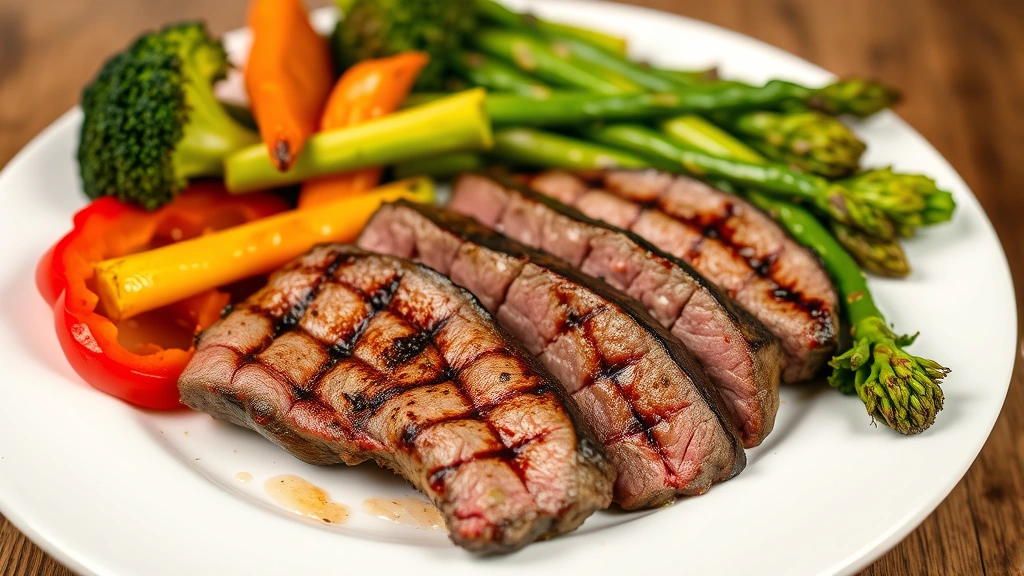
Pairing your steak with substantial vegetables amplifies satiety without adding excessive calories. A 4-ounce steak (180 calories) combined with 2 cups of roasted broccoli (70 calories) and a side salad (50 calories) creates a 300-calorie meal that’s far more filling than the steak alone would be. This strategy supports sustainable weight loss by creating meals that satisfy both physically and psychologically.
Tracking your intake initially helps calibrate your sense of appropriate portions. Using a food scale for the first few weeks of incorporating steak into your diet provides concrete data about what 3-4 ounces actually looks like. This knowledge becomes internalized, allowing you to make accurate estimates in various eating environments without constant measurement.
Healthy Preparation Methods
How you prepare steak dramatically impacts its weight loss compatibility. Grilling, broiling, and pan-searing with minimal added fat are ideal methods that preserve nutritional value while developing delicious crust and flavor through the Maillard reaction. These techniques require no added calories while creating satisfaction through texture and taste complexity.
Grilling is perhaps the optimal preparation method for weight loss-conscious eaters. The high heat creates a flavorful crust while excess fat drips away from the meat. Marinating steak before grilling adds flavor without calories—try combinations of vinegar, citrus juice, herbs, and spices. These flavor builders support adherence because your food remains interesting and satisfying rather than boring and restrictive.
Pan-searing in a cast-iron skillet or stainless steel pan with just a light coating of cooking spray creates excellent crust development. The key is using high heat and resisting the urge to move the steak around—let it sit undisturbed for 3-4 minutes per side to develop proper browning. This technique requires minimal added fat and produces restaurant-quality results in your home kitchen.
Avoid preparation methods that add significant calories. Butter-basted steaks, cream-based sauces, and fried preparations can double or triple the caloric content of your meal. If you enjoy rich sauces, use them sparingly—a tablespoon of béarnaise sauce adds about 90 calories, which is manageable if it’s your only added fat for that meal. Focus on portion control of condiments rather than complete elimination.
Marinades deserve special attention because they add tremendous flavor without calories. Create marinades combining acid (vinegar, citrus), oil (use sparingly, just enough to coat), herbs, spices, and aromatics. Marinating for 30 minutes to 4 hours before cooking infuses flavor that satisfies your palate and makes smaller portions feel more indulgent.
Strategic Meal Pairing
The context in which you eat steak matters enormously for weight loss success. Pairing steak with nutrient-dense vegetables and whole grains creates balanced meals that support satiety, nutrient intake, and sustainable calorie deficits. A well-constructed steak meal is far superior to restrictive approaches that eliminate entire food groups.
Incorporate non-starchy vegetables as the largest component of your steak meal. Roasted Brussels sprouts, grilled asparagus, sautéed mushrooms, steamed broccoli, and roasted bell peppers add volume and nutrition without excessive calories. These vegetables provide fiber for digestive health and satiety, plus vitamins and minerals that support overall health during weight loss. Aim for 2-3 cups of cooked vegetables per meal.
If you include a starch, choose whole grains and measure portions carefully. A half-cup of brown rice or sweet potato (about 100 calories) pairs beautifully with steak and adds satiety. The fiber in whole grains slows digestion and blood sugar response, supporting stable energy and appetite control. This approach is far superior to eliminating carbohydrates entirely, which often leads to unsustainable restriction and eventual rebound weight gain.
Following a 7-day protein diet plan for weight loss that strategically incorporates steak can provide structure while maintaining variety and enjoyment. These structured approaches help many people navigate portion sizes and meal composition without requiring constant decision-making.
Consider steak a vehicle for delivering vegetables. Rather than thinking “I’m having steak,” think “I’m having a steak and vegetable meal where steak provides protein and vegetables provide volume and nutrients.” This cognitive reframing naturally encourages balanced eating patterns that support both weight loss and long-term health.
FAQ
Can I eat steak every day during weight loss?
While steak can be part of daily eating patterns, varying your protein sources ensures diverse nutrient intake. Alternate steak with fish, poultry, legumes, and plant-based proteins to maximize micronutrient diversity. Eating steak 3-4 times weekly is ideal for most people, though daily consumption is possible if portions and cuts are carefully selected. This variety approach also prevents food boredom that undermines long-term adherence.
How much steak should I eat per serving?
A standard serving is 3-4 ounces of cooked steak, providing approximately 180-240 calories and 25-30 grams of protein. This portion size aligns with nutritional guidelines and supports weight loss when combined with vegetables and appropriate whole grains. Some individuals may need slightly larger portions based on their body weight and activity level, but 3-4 ounces is an excellent starting point.
Is grass-fed steak better for weight loss than conventional?
Grass-fed and conventional steak have similar caloric and protein content, so either can support weight loss. Grass-fed steak may offer slightly different fatty acid profiles with more omega-3s, but the practical difference for weight loss is minimal. Choose based on budget, environmental preference, and taste—the best steak is one you’ll actually eat consistently.
Should I avoid the fat on steak?
Trimming visible fat reduces calories and saturated fat content. A 3-ounce sirloin with fat trimmed contains about 180 calories versus 240 calories with fat intact. Trimming is sensible for weight loss, but completely fat-free steak may be less satisfying. A reasonable approach is trimming obvious fat while retaining some marbling for flavor and satiety.
Can steak fit into weight loss without exercise?
Absolutely. Weight loss fundamentally depends on consuming fewer calories than you expend, regardless of exercise status. Steak can absolutely support weight loss without exercise through its protein content and satiety effects. However, combining steak-inclusive eating with weight loss workout routines at home optimizes results by preserving muscle and improving body composition.
What about cholesterol concerns with steak?
Research from the CDC and recent studies suggest the relationship between dietary cholesterol and blood cholesterol is weaker than previously believed. For most people, lean steak consumed in reasonable portions poses no cholesterol risk. If you have specific lipid concerns, consult with a registered dietitian or your healthcare provider about personalized recommendations.
How does steak compare to chicken for weight loss?
Chicken breast is slightly leaner than lean steak (165 calories and 31g protein per 3 oz vs. 180 calories and 26g protein for sirloin), but both support weight loss effectively. Steak offers superior micronutrient density with more bioavailable iron and zinc. The choice depends on preference and budget—varying between both provides nutritional advantages and prevents monotony.
Can I use steak in quick meal prep?
Yes, steak is excellent for meal preparation. Grill or pan-sear steaks, portion into 3-4 ounce servings, and refrigerate for up to 4 days. Reheat gently in a microwave or low oven, or eat cold in salads. Prepared steak paired with pre-cut vegetables creates quick, balanced meals that support consistent adherence to weight loss goals.


