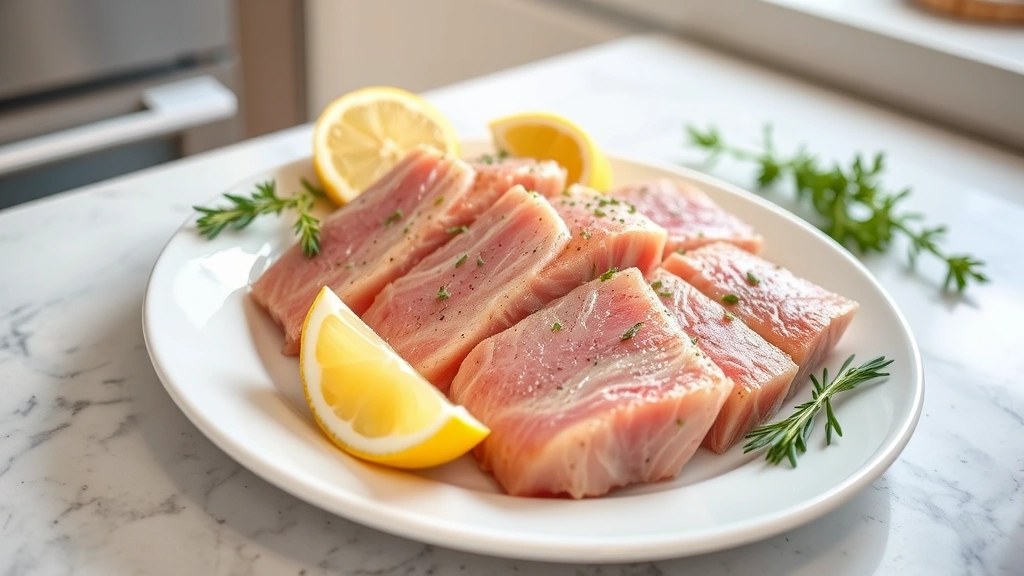
Is Tuna Good for Weight Loss? Nutritionist Explains
Tuna has earned its reputation as a weight loss staple for good reason. This lean protein powerhouse delivers impressive nutritional benefits that can support your journey toward a healthier weight. Whether you’re looking to understand the science behind tuna’s weight loss benefits or searching for practical ways to incorporate it into your meals, this comprehensive guide will provide evidence-based insights to help you make informed dietary choices.
As a registered dietitian-approved food, tuna offers a unique combination of high protein content, low calorie density, and essential nutrients that work synergistically to support weight management goals. But the real question isn’t just whether tuna is good for weight loss—it’s how to use it effectively as part of a balanced nutrition strategy.
Nutritional Profile of Tuna
Understanding tuna’s nutritional composition is essential for appreciating why nutritionists recommend it for weight loss. A 3-ounce (85-gram) serving of canned tuna in water contains approximately 99 calories, 22 grams of protein, less than 1 gram of fat, and virtually no carbohydrates. This macronutrient distribution makes tuna exceptionally efficient for weight management.
The protein content in tuna is particularly noteworthy. High-protein foods like tuna increase satiety, meaning you feel fuller for longer periods after eating. This satiety effect helps reduce overall calorie consumption throughout the day, supporting the caloric deficit necessary for weight loss. Research published in the American Journal of Clinical Nutrition demonstrates that protein-rich foods significantly influence appetite hormones, particularly peptide YY and glucagon-like peptide-1, which signal fullness to your brain.
Beyond macronutrients, tuna delivers essential micronutrients crucial for metabolic health. It contains selenium, a mineral that supports thyroid function and metabolism. Tuna also provides B vitamins, particularly niacin and B12, which play vital roles in energy production and nutrient metabolism. Fresh tuna varieties contain omega-3 fatty acids, specifically EPA and DHA, which have been studied for their role in supporting cardiovascular health and potentially enhancing fat metabolism.
The calorie-to-nutrient ratio in tuna is exceptional. You’re receiving substantial nutritional value without excessive calories, making it an efficient choice for anyone tracking caloric intake or participating in a weight loss challenge.

Why Tuna Supports Weight Loss
Tuna supports weight loss through multiple interconnected mechanisms that work at both physiological and practical levels. The primary mechanism is protein’s thermic effect, also known as diet-induced thermogenesis. Your body requires more energy to digest, absorb, and process protein compared to carbohydrates or fats. Approximately 20-30% of protein calories are burned during digestion, compared to 5-10% for carbohydrates and 0-3% for fats. This means consuming tuna literally burns more calories during the digestive process.
The appetite-suppressing properties of tuna make it particularly valuable for weight management. When you consume tuna, the high protein content triggers the release of hormones that communicate fullness to your hypothalamus, the brain region controlling hunger and satiety. This biological response means you’re less likely to experience cravings or overeating in the hours following a tuna-containing meal. For individuals struggling with portion control, this natural appetite regulation can be transformative.
Additionally, tuna’s low glycemic impact helps maintain stable blood sugar levels. Unlike refined carbohydrates that cause rapid blood sugar spikes and subsequent crashes, tuna has minimal effect on glucose levels. This stability prevents the energy dips and sugar cravings that often lead to poor food choices and overeating. Maintaining consistent blood sugar also supports how to improve your metabolic rate, creating an environment where your body can more efficiently burn stored fat.
Tuna is also a nutrient-dense food, meaning it provides substantial nutrition relative to its calorie content. This nutrient density matters because your body’s nutritional needs don’t decrease when you’re in a caloric deficit for weight loss. By choosing nutrient-dense foods like tuna, you satisfy both your caloric goals and your micronutritional requirements, preventing the deficiencies that can occur during restrictive dieting.
Different Types of Tuna for Weight Management
Not all tuna is created equal when it comes to weight loss. Understanding the differences between varieties helps you make optimal choices for your specific goals.
Canned Tuna in Water is the weight loss champion among tuna products. With minimal added calories from packing liquid and no added oils, water-packed tuna delivers maximum protein with minimal calories. A standard can contains roughly 100-120 calories and 20+ grams of protein. This makes it incredibly convenient for meal preparation and weight loss tracking. However, ensure you’re purchasing tuna packed in water rather than oil, as oil-packed varieties contain 200+ calories per can.
Fresh or Frozen Tuna Steaks offer superior nutritional profiles compared to canned varieties. Fresh tuna contains higher levels of omega-3 fatty acids and allows complete control over preparation methods. A 3-ounce serving of fresh yellowfin tuna contains 99 calories and 22 grams of protein. You can grill, bake, or steam fresh tuna without adding significant calories, making it excellent for weight loss when prepared with minimal added fats.
Canned Tuna in Oil should be approached cautiously during weight loss efforts. While the tuna itself is identical nutritionally to water-packed varieties, the oil significantly increases calorie content. If you prefer oil-packed tuna, drain the oil thoroughly before consuming. Some individuals find the taste superior, and the modest calorie increase may be acceptable if it encourages consistent consumption of this protein source.
Avoid tuna salads and prepared tuna products containing mayonnaise or other high-calorie dressings, as these additions can transform a low-calorie protein source into a high-calorie meal. When making tuna salad at home, use Greek yogurt or mustard-based dressings instead of mayo to maintain weight loss benefits.
How to Incorporate Tuna Into Your Diet
Strategic incorporation of tuna into your meal plan maximizes weight loss benefits while maintaining dietary variety and enjoyment. The key is viewing tuna as a versatile protein source rather than a monotonous diet staple.
Tuna for Breakfast may sound unconventional, but it’s increasingly popular among nutrition-focused individuals. A tuna and vegetable omelet provides 30+ grams of protein before 9 AM, setting the tone for stable blood sugar and reduced cravings throughout the morning. Alternatively, tuna mixed with cottage cheese and fresh vegetables creates a high-protein breakfast that supports sustained energy and weight loss.
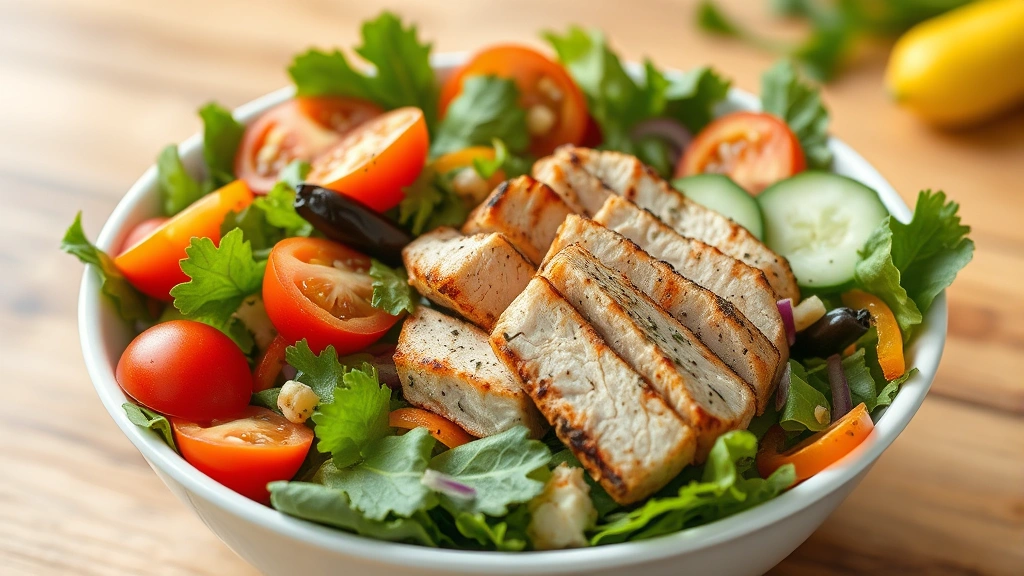
Tuna Salads represent the most popular incorporation method. Layer mixed greens with canned tuna, colorful vegetables like bell peppers, cucumbers, and tomatoes, then dress with lemon juice and a small amount of olive oil. This approach combines tuna’s protein with the fiber and micronutrients from vegetables, creating a filling meal under 300 calories. Add complex carbohydrates like whole grain crackers or brown rice if you’re exercising regularly or following an exercise cycle for weight loss program.
Tuna Sandwiches can support weight loss when prepared thoughtfully. Use whole grain bread, limit high-calorie condiments, and load with vegetables. A tuna sandwich on whole grain bread with mustard, lettuce, and tomato provides substantial nutrition and satiety within a reasonable calorie range. This approach works particularly well for individuals pursuing weight loss without exercise, as portable, satisfying meals reduce reliance on convenience foods.
Tuna Pasta Dishes require modification for weight loss optimization. Instead of traditional pasta with heavy cream sauces, use whole wheat pasta or vegetable-based alternatives like zucchini noodles. Combine with tuna, fresh tomatoes, and herbs for a satisfying meal that maintains protein intake while reducing calorie density. This approach provides the comfort food satisfaction that supports long-term adherence to weight loss efforts.
Tuna Wraps and Bowls offer contemporary options for tuna incorporation. Use large lettuce leaves or whole grain wraps as the base, add tuna, then layer with vegetables, brown rice, and a measured amount of healthy dressing. These customizable options allow you to control portions precisely and create meals matching your specific macro targets.
Potential Concerns and Considerations
While tuna is excellent for weight loss, several important considerations deserve attention.
Mercury Content represents the primary health concern with tuna consumption. Larger tuna species, particularly albacore (white tuna), contain higher mercury levels than smaller varieties like skipjack (light tuna). The FDA recommends limiting albacore tuna consumption to 6 ounces weekly for most adults, while light tuna can be consumed up to 12 ounces weekly. This distinction matters because some individuals consuming excessive tuna for weight loss might inadvertently exceed safe mercury intake. Varying your protein sources—including best protein shakes for weight loss and other lean proteins—helps mitigate this concern while maintaining weight loss momentum.
Sodium Content in canned tuna warrants consideration, particularly for individuals with hypertension or sodium sensitivity. Canned tuna typically contains 300-400 mg of sodium per serving. While this isn’t excessive, consuming multiple servings daily could approach or exceed recommended limits. Rinsing canned tuna with water reduces sodium content by approximately 30%, making this simple step valuable for sodium-conscious individuals.
Omega-3 to Omega-6 Ratio differs between tuna types. While fresh tuna contains beneficial omega-3 fatty acids, canned tuna often contains added soybean oil, which is high in omega-6 fatty acids. An excessive omega-6 to omega-3 ratio may promote inflammation. Choosing water-packed varieties and limiting processed additions helps maintain a healthier fatty acid balance.
Sustainability Concerns have emerged regarding tuna fishing practices. Several tuna species face overfishing pressure. Choosing sustainable tuna products from certified sources supports both personal health and environmental responsibility. Look for certifications from organizations like the Marine Stewardship Council when purchasing fresh or canned tuna.
Tuna Combined With Other Weight Loss Strategies
Tuna achieves maximum weight loss impact when integrated into comprehensive lifestyle strategies rather than viewed as a standalone solution.
Combining Tuna With Strength Training optimizes body composition changes. Tuna’s high protein content supports muscle protein synthesis, the process where your body builds and repairs muscle tissue. During strength training, adequate protein consumption from sources like tuna ensures that weight loss results in fat loss rather than muscle loss. This distinction matters because muscle tissue burns more calories at rest than fat tissue, creating a metabolic advantage that extends beyond your weight loss journey.
Pairing Tuna With Hydration amplifies weight loss effects. Protein metabolism requires substantial water, and adequate hydration supports the thermic effect of protein consumption. Additionally, proper hydration helps distinguish true hunger from thirst, reducing unnecessary calorie consumption. Drinking water before meals containing tuna may further enhance satiety, reducing overall meal size.
Using Tuna Within Caloric Deficit Frameworks ensures sustained weight loss. While tuna is an excellent food choice, weight loss ultimately depends on consuming fewer calories than you expend. Tuna helps achieve this deficit by providing substantial nutrition and satiety within a limited calorie budget. Tracking your consumption using weight loss and fitness apps provides objective feedback on whether your tuna-inclusive diet is creating the necessary deficit.
Rotating Tuna With Other Lean Proteins prevents dietary monotony while optimizing micronutrient intake. Chicken breast, turkey, fish, and legumes each offer unique nutritional profiles. Varying your protein sources throughout the week ensures you’re receiving diverse micronutrients while maintaining the high protein intake essential for weight loss success.
Timing Tuna Consumption Strategically can enhance weight loss outcomes. Consuming protein-rich meals like tuna earlier in the day may amplify satiety throughout the day, reducing overall calorie consumption. Research suggests that front-loading protein intake supports better appetite control and potentially greater fat loss compared to consuming protein primarily at dinner.
FAQ
Can I eat tuna every day for weight loss?
While tuna is nutritious, consuming it daily isn’t necessary or optimal for weight loss. The FDA recommends limiting albacore tuna to 6 ounces weekly due to mercury content. Light tuna can be consumed up to 12 ounces weekly. Varying your protein sources—including chicken, fish, lean beef, and plant-based proteins—ensures diverse micronutrient intake while supporting weight loss. Eating tuna 2-4 times weekly provides excellent weight loss benefits without exceeding mercury safety recommendations.
Is canned tuna better than fresh tuna for weight loss?
Both canned and fresh tuna support weight loss effectively. Canned tuna in water offers convenience and similar protein content (20+ grams per serving, 100-120 calories). Fresh tuna provides higher omega-3 fatty acids and allows complete preparation control. Choose based on your lifestyle: canned tuna for convenience and meal prep efficiency, fresh tuna for superior omega-3 content and culinary flexibility. The best choice is whichever you’ll consume consistently.
How much tuna should I eat daily for weight loss?
A single 3-ounce serving of tuna provides 20-22 grams of protein and approximately 100 calories. Most nutritionists recommend 0.7-1.0 grams of protein per pound of body weight during weight loss. For a 150-pound individual, this means 105-150 grams of protein daily. A single tuna serving provides roughly one-fifth of this requirement. Incorporating tuna into 2-3 meals weekly, combined with other protein sources, creates a balanced, sustainable approach supporting weight loss.
Does tuna cause water retention that masks weight loss?
Canned tuna contains sodium, which can temporarily increase water retention. However, this represents water weight, not fat gain. Once you reduce sodium intake or your body adjusts, this water weight resolves. Additionally, the satiety and metabolic benefits from tuna’s protein content typically outweigh temporary water retention concerns. If you’re concerned about sodium, rinse canned tuna thoroughly and choose water-packed varieties, which contain less sodium than oil-packed options.
Can tuna help with hunger during weight loss?
Absolutely. Tuna’s high protein content triggers satiety hormones, making you feel fuller longer. Studies demonstrate that protein-rich meals like tuna reduce hunger hormones and increase fullness signals more effectively than carbohydrate or fat-based meals. This appetite suppression helps prevent overeating and supports adherence to caloric deficits, making tuna particularly valuable for individuals struggling with hunger during weight loss efforts.
Is tuna better than protein shakes for weight loss?
Both tuna and best protein shakes for weight loss support weight management through high protein content. Tuna offers whole-food nutrition with additional micronutrients like selenium and B vitamins, plus the satiety benefits of solid food. Protein shakes offer convenience and customization. Ideally, use both: tuna for meals requiring whole-food satisfaction and shakes for convenient post-workout nutrition or quick meal replacements.
What’s the best way to prepare tuna for maximum weight loss benefits?
Prepare tuna with minimal added calories: grill or bake fresh tuna without oil, or use water-packed canned tuna. Combine with vegetables, whole grains, and herbs rather than high-calorie condiments like mayonnaise. Drain canned tuna thoroughly and rinse if concerned about sodium. Avoid heavy sauces and creamy dressings. Simple preparations maximize tuna’s weight loss benefits by maintaining the low-calorie, high-protein profile that makes it effective.


