
Is White Rice Good for Weight Loss? A Nutritionist’s Evidence-Based View
White rice has long been a dietary staple worldwide, but when it comes to weight loss, many people wonder whether it belongs on their plate. The truth is more nuanced than a simple yes or no. While white rice isn’t inherently “bad” for weight loss, it requires strategic consumption and proper portion control to fit into a successful weight management plan. As a nutritionist perspective, understanding how white rice affects your body, blood sugar, and overall calorie intake is essential for making informed dietary choices.
The question of whether white rice supports weight loss goals depends on several factors: how much you eat, what you pair it with, your individual metabolic response, and whether it replaces more nutrient-dense foods in your diet. This comprehensive guide explores the nutritional science behind white rice and weight loss, helping you understand how to incorporate it wisely if you choose to include it in your eating plan.
White Rice Nutritional Profile
White rice is created by removing the bran and germ from brown rice, leaving primarily the starchy endosperm. This processing removes significant amounts of fiber, vitamins, and minerals, which is why nutritionists often recommend whole grain alternatives. However, understanding what remains in white rice is important for weight loss planning.
One cup of cooked white rice (about 185 grams) contains approximately:
- Calories: 205 calories
- Carbohydrates: 45 grams
- Protein: 4 grams
- Fat: Less than 1 gram
- Fiber: Less than 1 gram
- Sodium: 2 mg
The macronutrient composition reveals why white rice poses challenges for weight loss: it’s primarily carbohydrates with minimal protein and almost no fiber. This combination means white rice alone doesn’t provide sustained satiety, which is crucial for maintaining a calorie deficit. The low fiber content is particularly significant because fiber promotes fullness and helps regulate appetite hormones.
When examining whether to include white rice in your diet, consider that many people consume far more than a single cup. Restaurant portions often contain two to three cups, which would total 400-600 calories from a single carbohydrate source—potentially problematic when pursuing weight loss.
Glycemic Impact and Blood Sugar
White rice has a high glycemic index (GI), meaning it rapidly raises blood sugar levels after consumption. This is one of the primary concerns nutritionists raise regarding white rice and weight loss. When blood sugar spikes quickly, your pancreas releases insulin to manage glucose levels. Elevated insulin has several consequences for weight management:
- Promotes fat storage, particularly in the abdominal region
- Increases hunger and cravings shortly after the blood sugar crash
- May contribute to insulin resistance over time
- Disrupts the hormones that signal fullness to your brain
Research from the American Journal of Clinical Nutrition has demonstrated that diets high in refined carbohydrates like white rice are associated with greater weight gain and difficulty maintaining weight loss. The GI of white rice ranges from 64-72 depending on the variety and cooking method, classifying it as a high-GI food.
However, this doesn’t mean white rice is completely incompatible with weight loss. The glycemic response can be significantly moderated by combining white rice with protein, healthy fats, and fiber-rich vegetables. This combination slows glucose absorption and provides more stable energy levels.
Calorie Density and Portion Control
While white rice isn’t particularly calorie-dense compared to foods like nuts or oils, it’s calorie-dense relative to its nutritional value and satiety factor. This means you get many calories without proportional benefits for fullness or nutrition. For weight loss success, calorie density matters because it affects how satisfied you feel while maintaining a deficit.
Consider these portion comparisons for approximately 200 calories:
- White rice: 1 cup cooked
- Broccoli: 5 cups raw or 2.5 cups cooked
- Chicken breast: 3 ounces
- Whole grain bread: 1-2 slices
The volume difference is striking. You can consume significantly more food by weight and volume if you choose lower-calorie-density foods. Since research shows that eating larger volumes of food contributes to satiety, replacing white rice with vegetables or choosing smaller portions of white rice can help you feel fuller on fewer calories.
For weight loss, portion control is non-negotiable. A reasonable portion of white rice is one-half to three-quarters cup of cooked rice, not the multiple cups many people consume. This reduced portion keeps calories manageable while still allowing you to enjoy rice if desired.
Satiety and Hunger Response
Satiety—the feeling of fullness and satisfaction after eating—is perhaps the most practical factor in weight loss success. Foods that promote satiety help you eat fewer calories naturally without constant hunger and willpower. White rice scores poorly on satiety measures because it lacks fiber and protein, the two nutrients most effective at promoting fullness.
Studies using the Satiety Index show that white rice provides relatively low satiety compared to whole grains, legumes, and protein sources. This means after eating white rice, you’re likely to feel hungry again relatively quickly, potentially leading to overeating later in the day.
The satiety challenge with white rice is why nutritionists recommend pairing it with high-satiety foods. Adequate protein intake significantly enhances fullness signals, while fiber from vegetables slows digestion and stabilizes blood sugar. Together, these additions transform white rice from a weight-loss liability into a manageable carbohydrate choice.
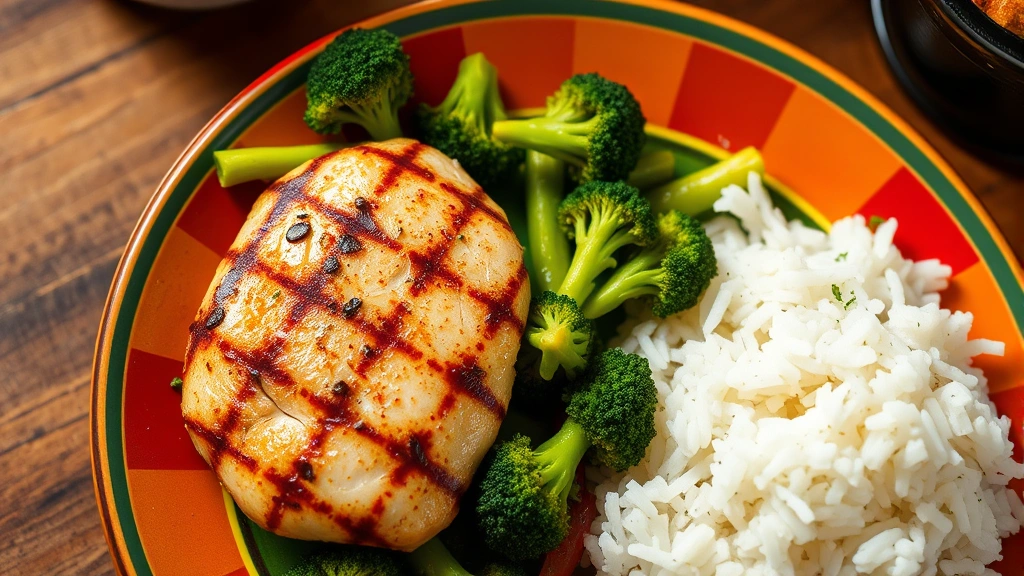
” alt=”Colorful plate with grilled chicken, steamed broccoli, and white rice, demonstrating balanced meal composition for weight loss”/>
How White Rice Compares to Alternatives
To determine whether white rice is “good” for weight loss, comparing it to alternatives provides useful perspective. The alternatives offer distinct advantages:
Brown Rice: Contains the bran and germ, providing 3.5 grams of fiber per cup compared to white rice’s less than 1 gram. This fiber dramatically improves satiety and blood sugar stability. Brown rice has a lower glycemic index (68 versus 72 for white rice), making it a superior choice for weight loss if you’re choosing between rice varieties.
Quinoa: A complete protein containing all nine amino acids, with 8 grams of protein and 5 grams of fiber per cooked cup. These macronutrients make quinoa substantially more satiating than white rice. The higher protein content also supports muscle preservation during weight loss.
Cauliflower Rice: Only 25 calories per cup with 5 grams of carbohydrates, cauliflower rice provides the texture and satisfaction of rice with a fraction of the calories and carbohydrates. It’s an excellent option for those pursuing aggressive weight loss or managing insulin resistance.
Wild Rice: Contains 7 grams of protein and 3 grams of fiber per cup, significantly outperforming white rice in both satiety factors. Wild rice also offers more micronutrients and a lower glycemic index.
Legumes and Beans: Lentils, chickpeas, and black beans provide 15-20 grams of protein and 8-10 grams of fiber per cup, making them vastly superior for weight loss compared to white rice.
The comparison reveals that white rice is among the least optimal grain choices for weight loss. However, this doesn’t mean it’s prohibited—it means it requires more strategic incorporation than alternatives.
Smart Strategies for Including White Rice in Your Weight Loss Plan
If you enjoy white rice and want to include it in a weight loss plan, several evidence-based strategies can minimize its drawbacks:
Portion Control Strategy: Limit white rice to one-half to three-quarters cup per meal. This keeps the calorie contribution manageable (100-150 calories) while still providing satisfaction. Use smaller bowls or plates to make portions feel adequate.
Cooling Effect: Research suggests that cooling cooked rice after cooking and then reheating increases resistant starch, a type of carbohydrate that behaves more like fiber. This modification improves the glycemic response and may provide modest satiety benefits. While the effect is modest, every advantage helps.
The Plate Method: Fill half your plate with non-starchy vegetables, one-quarter with lean protein, and one-quarter with white rice. This ratio ensures you’re consuming plenty of fiber and protein alongside the rice, moderating its blood sugar impact and enhancing satiety.
Timing Consideration: Consuming white rice with or after protein and vegetables rather than as the first food eaten may moderate blood sugar response. The order of food consumption affects glucose absorption rates.
Beverage Pairing: Drinking adequate water with meals supports satiety and prevents mistaking thirst for hunger, common issues when eating white rice.
Combining White Rice with Protein for Better Weight Loss Results
The most practical way to make white rice work for weight loss is combining it with substantial protein sources. Protein provides multiple advantages for weight management:
- Increases satiety more effectively than carbohydrates or fats
- Requires more energy to digest (thermic effect)
- Helps preserve muscle mass during calorie restriction
- Stabilizes blood sugar when consumed with carbohydrates
- Reduces cravings and late-night hunger
Adequate protein intake is one of the most consistently supported dietary factors for successful weight loss. When combining white rice with protein, aim for 25-35 grams of protein per meal to maximize satiety and metabolic benefits.
Excellent protein options to pair with white rice include:
- Grilled or baked chicken breast (31g protein per 3 oz)
- Salmon or other fatty fish (25g protein per 3 oz)
- Lean ground turkey (22g protein per 3 oz)
- Egg whites (17g protein per 5 whites)
- Greek yogurt (15-20g protein per 6 oz)
- Tofu (10g protein per 3 oz)
- Legumes (15g protein per cup cooked)
A practical example meal: 3/4 cup white rice + 4 oz grilled chicken + 2 cups steamed broccoli provides approximately 400 calories, 35 grams of protein, and significant fiber from vegetables. This meal is far more conducive to weight loss than white rice alone or with minimal protein.
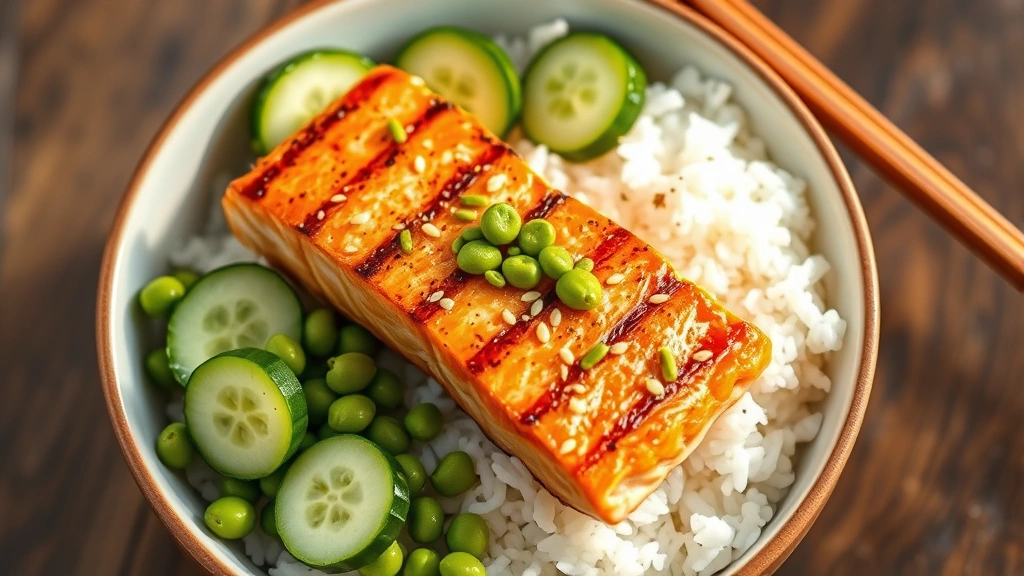
” alt=”Asian-inspired bowl with white rice, grilled salmon, edamame, and colorful vegetables showcasing balanced weight loss meal”/>
FAQ
Can you lose weight eating white rice every day?
Yes, you can lose weight eating white rice daily if you maintain a calorie deficit and practice portion control. However, daily white rice consumption makes maintaining a deficit more challenging due to its low satiety and high glycemic impact. It’s better to limit white rice to a few times per week and choose alternatives like brown rice or quinoa on other days.
Is white rice worse than bread for weight loss?
White rice and white bread are nutritionally similar, both being refined carbohydrates with high glycemic indices and low fiber. Whole grain bread provides more fiber and satiety than white rice, making it slightly better for weight loss. However, both are less optimal than whole grain options. The key is portion control and pairing with protein and vegetables.
How much white rice can you eat on a weight loss diet?
A reasonable portion is one-half to three-quarters cup of cooked white rice per meal, contributing 100-150 calories. This allows you to enjoy rice while keeping calorie intake manageable. Some people following very low-carb approaches may choose to eliminate white rice entirely, while others can include it in moderation.
Does white rice cause weight gain?
White rice doesn’t inherently cause weight gain—excess calories cause weight gain. However, white rice’s high calorie density relative to satiety makes it easier to overeat. People who consume large portions of white rice without adequate protein and fiber are more likely to exceed their calorie needs, leading to weight gain over time.
Is jasmine rice better than regular white rice for weight loss?
Jasmine rice and regular white rice are nutritionally similar, with jasmine rice having a slightly higher glycemic index. Neither offers advantages for weight loss. If choosing between rice types, brown jasmine rice would be superior to white jasmine rice, but alternatives like cauliflower rice or quinoa are better choices for weight loss goals.
Can you eat white rice with weight loss medications?
Yes, you can eat white rice while taking weight loss medications like GLP-1 agonists. However, since these medications enhance satiety, they may make white rice’s low satiety less problematic. Still, choosing higher-fiber and higher-protein alternatives maximizes the medication’s effectiveness. Consult your healthcare provider about dietary recommendations specific to your medication.


