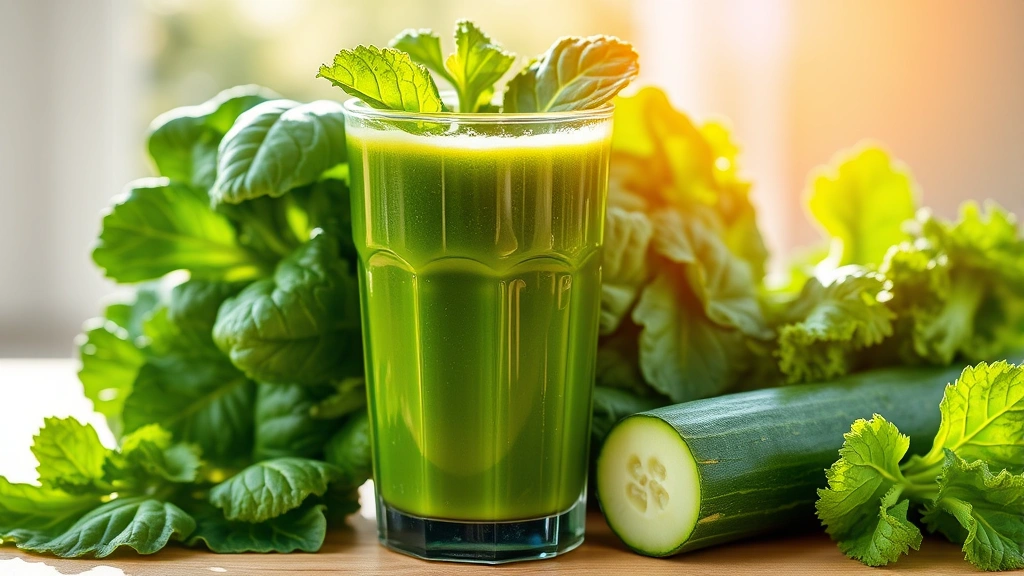
Juicing for Weight Loss: Nutritionist-Approved Recipes
Juicing has become a popular wellness trend, with many people turning to fresh fruit and vegetable juices as a way to boost their nutrition and support weight loss goals. While juice alone won’t create dramatic fat loss, strategically designed juicing recipes can be a valuable addition to a comprehensive weight management plan. The key is understanding which ingredients deliver maximum nutrition with minimal added sugars, and how to incorporate juices into a balanced lifestyle that includes proper hydration, exercise, and whole foods.
Fresh juices offer concentrated micronutrients, enzymes, and phytonutrients that support metabolic health. However, the weight loss benefits depend heavily on ingredient selection and portion control. Many commercial juices contain excessive natural sugars that spike blood glucose and trigger hunger cycles. This guide provides nutritionist-approved juicing recipes specifically formulated for weight loss, along with evidence-based strategies to maximize their effectiveness within a sustainable healthy lifestyle.
Why Juicing Can Support Weight Loss Goals
Fresh vegetable and fruit juices provide a nutrient-dense way to increase your intake of vitamins, minerals, and antioxidants without significantly increasing calorie consumption—when prepared correctly. The weight loss potential of juicing lies not in the juice itself, but in how it replaces less nutritious beverages and supports overall dietary quality.
Research published in nutrition journals demonstrates that increased fruit and vegetable consumption correlates with improved weight management outcomes. Juices made primarily from vegetables (rather than fruits) contain fewer natural sugars while delivering fiber, potassium, and disease-fighting compounds. The act of juicing breaks down cell walls, making nutrients more bioavailable for absorption, which means your body can utilize these compounds more efficiently.
Additionally, fresh juices can support weight loss through multiple mechanisms: they boost satiety when consumed before meals, provide sustained energy that reduces cravings for processed foods, support liver and digestive function, and deliver alkalizing minerals that promote metabolic balance. However, it’s crucial to understand that juicing works best as a complement to a balanced diet, not as a replacement for whole foods or a standalone solution.
Essential Ingredients for Weight Loss Juices
Creating effective weight loss juices requires strategic ingredient selection. The foundation should be vegetables rather than fruits, with specific additions that enhance metabolic function and satiety.
Leafy Greens: Spinach, kale, and Swiss chard are nutritional powerhouses containing minimal calories while delivering iron, calcium, and magnesium. These greens form the base of most nutritionist-approved weight loss juices.
Cruciferous Vegetables: Broccoli, cauliflower, and cabbage contain sulforaphane and other compounds that support detoxification and metabolic health. They’re low in calories and high in fiber.
Root Vegetables: Beets, carrots, and ginger add natural sweetness, antioxidants, and anti-inflammatory benefits. Use moderately as they contain more natural sugars than leafy greens.
Citrus Fruits: Lemon, lime, and grapefruit provide vitamin C and pectin fiber. They enhance flavor without excessive sugar content and support digestive function.
Low-Sugar Fruits: Berries contain antioxidants and fiber with relatively low sugar impact. Green apples provide tartness and polyphenols linked to metabolic improvements.
Metabolism-Boosting Additions: Cayenne pepper, turmeric, ginger, and cinnamon contain thermogenic compounds that slightly increase calorie burn. Apple cider vinegar supports digestive enzymes and blood sugar regulation.
Protein Enhancement: Adding unsweetened plant-based protein powder, Greek yogurt, or nut butters increases satiety and prevents the blood sugar spikes associated with fruit-heavy juices. This transforms juice into a more balanced meal replacement.
Five Nutritionist-Approved Recipes
1. Green Detox Power Juice
Ingredients: 2 cups fresh spinach, 1 cup kale, 1 cucumber, 2 celery stalks, 1 green apple, 1 lemon (juiced), 1-inch ginger root, ½ teaspoon turmeric powder
This recipe delivers approximately 85 calories and provides substantial micronutrient density. Spinach and kale contribute iron and calcium essential for metabolic function, while cucumber and celery provide hydration and silica for connective tissue support. The green apple adds fiber and natural sweetness without excessive sugar impact. Lemon juice enhances absorption of plant-based iron, and ginger provides digestive enzymes. This juice works excellently as a mid-morning beverage that maintains stable blood sugar and supports sustained energy.
2. Metabolism-Boosting Red Juice
Ingredients: 2 medium beets, 3 carrots, 1 small red apple, 1-inch ginger root, ½ teaspoon cayenne pepper, juice of 1 lime
Beets contain betalains, compounds with powerful antioxidant and anti-inflammatory properties that support cardiovascular health during weight loss. Carrots provide beta-carotene and natural sweetness, while the small red apple adds polyphenols. Cayenne pepper contains capsaicin, which research suggests may modestly increase thermogenesis (calorie burn). This recipe yields approximately 120 calories and makes an excellent post-workout juice when combined with a protein source like Greek yogurt.
3. Belly-Bloat Reduction Juice
Ingredients: 1 cup pineapple chunks, 1 cup cucumber, 2 celery stalks, 1 cup fresh mint leaves, 1-inch turmeric root, juice of 1 lemon
Pineapple contains bromelain, an enzyme that supports protein digestion and reduces intestinal inflammation. Cucumber is 95% water and provides electrolytes that support cellular hydration. Celery contains 3-n-butylphthalide, a compound shown to support healthy blood pressure. Mint aids digestive comfort and reduces bloating sensations. This recipe (approximately 95 calories) is particularly effective consumed first thing in the morning to support digestive function throughout the day.
4. Hunger-Control Satiety Juice
Ingredients: 2 cups spinach, 1 cup broccoli florets, 2 celery stalks, 1 green apple, 1 tablespoon ground flaxseed, 1 tablespoon almond butter, juice of ½ lemon
This recipe transforms traditional juice into a more balanced meal by incorporating healthy fats and plant-based protein. Flaxseed provides omega-3 fatty acids and soluble fiber that enhance satiety, while almond butter adds sustained energy and prevents the rapid blood sugar spike associated with fruit juices alone. Total calorie content is approximately 160 calories, making it suitable as a light meal replacement or substantial snack. The combination of nutrients promotes stable hunger hormones (leptin and ghrelin) for extended satiety.
5. Antioxidant Berry Brain Juice
Ingredients: 1 cup fresh blueberries, ½ cup raspberries, 1 cup spinach, 1 cup unsweetened almond milk, 1 teaspoon raw cacao powder, ½ frozen banana, 1 tablespoon chia seeds
Berries contain anthocyanins and resveratrol, powerful antioxidants that support metabolic health and reduce inflammation. This recipe includes almond milk to reduce overall sugar concentration while adding calcium and vitamin E. Raw cacao provides polyphenols and a small amount of natural stimulants that support focus and mood during calorie restriction. Chia seeds add soluble fiber and plant-based omega-3s. This smoothie-juice hybrid contains approximately 180 calories and provides sustained energy for 3-4 hours, making it ideal for breakfast or pre-workout nutrition.

Juicing Best Practices for Sustainable Results
Timing and Portion Control: Consume juices as supplements to balanced meals, not replacements. A 12-16 ounce serving consumed 20-30 minutes before meals can enhance satiety and reduce overall calorie intake. Avoid exceeding 16 ounces daily to prevent excessive natural sugar consumption.
Juice-to-Water Ratio: Dilute juices with filtered water in a 1:1 ratio to reduce sugar concentration while maintaining nutrient delivery. This practice prevents blood sugar spikes and extends hydration benefits. This approach aligns with the science behind weight loss and water intake optimization.
Fresh vs. Processed: Always prepare juices immediately before consumption using cold-press or masticating juicers when possible. These methods preserve heat-sensitive enzymes and nutrients better than centrifugal juicers. Avoid bottled juices, which contain added sugars and lack enzymatic activity.
Whole Food Integration: Remember that juicing removes beneficial insoluble fiber present in whole fruits and vegetables. Incorporate whole produce alongside juices to maintain digestive health and sustained satiety. Consume whole vegetables and fruits at least two meals daily.
Consistency Over Perfection: Sustainable weight loss requires consistent dietary practices over months and years. Rather than intensive juice cleanses, incorporate one nutritionist-approved juice daily as part of a balanced lifestyle. This approach supports long-term weight loss maintenance more effectively than restrictive protocols.
Combining Juicing with Exercise and Hydration
Juicing alone cannot create meaningful weight loss without concurrent lifestyle modifications. Maximum results emerge when juicing integrates with exercise, proper hydration, and protein intake.
Combining strategic juicing with resistance training for fat loss creates a synergistic effect. Fresh vegetable juices provide micronutrients and hydration that support muscle recovery post-workout, while resistance training preserves lean mass during caloric deficit. This combination prevents the metabolic slowdown that often accompanies weight loss.
Additionally, cardio exercise for weight loss combined with nutrient-dense juicing supports cardiovascular health and calorie deficit creation. The micronutrients in fresh juices—particularly potassium from leafy greens and beets—support cardiovascular function during increased exercise volume.
Protein Intake Consideration: While vegetable juices provide vitamins and minerals, they contain minimal protein. Adequate protein intake during weight loss remains essential for preserving muscle mass and maintaining satiety. Ensure your overall diet includes 0.8-1 gram of protein per pound of body weight daily through whole foods, not from juices alone.
Hydration Synergy: Fresh juices count toward daily fluid intake, but should not replace plain water. Aim for 50% of your hydration from pure water and 50% from beverages like unsweetened tea, coffee, and diluted fresh juices. This balance supports optimal kidney function and metabolic processes during weight loss.
Common Juicing Mistakes That Sabotage Weight Loss
Mistake #1: Excessive Fruit Content Many people create juice recipes with predominantly fruit, believing more produce equals better results. However, fruit-heavy juices contain 20-40 grams of natural sugar per serving, spiking blood glucose and triggering insulin release that promotes fat storage. Weight loss juices should be 80-90% vegetables with only small fruit additions for flavor.
Mistake #2: Ignoring Portion Sizes Even nutritious juices contain concentrated calories. Consuming 32 ounces of fresh juice daily adds 300-400 calories that many people don’t account for in their calorie deficit. This unconscious calorie consumption eliminates weight loss progress. Limit juices to 12-16 ounces daily.
Mistake #3: Replacing Meals with Juice Using juice as a meal replacement removes the satiety benefits of whole food structure and fiber. Meals containing whole vegetables, lean proteins, and healthy fats create lasting fullness that liquid nutrition cannot replicate. Juices work best as supplements to complete meals.
Mistake #4: Juice Cleanses and Detoxes Extended juice-only protocols (3-7 days) often backfire, causing muscle loss, metabolic slowdown, nutrient deficiencies, and rapid weight regain. Your liver and kidneys naturally detoxify continuously without extreme interventions. Sustainable daily juicing practices outperform intensive cleanses.
Mistake #5: Neglecting Whole Food Fiber Juicing removes insoluble fiber essential for digestive health, blood sugar regulation, and satiety. Relying exclusively on juices while avoiding whole vegetables creates nutritional imbalance. Consume whole produce at every meal alongside occasional fresh juices.
Mistake #6: Inconsistent Implementation Many people begin intensive juicing programs with enthusiasm, only to abandon them after 2-3 weeks. Sustainable weight loss requires consistent, moderate practices. One fresh juice daily integrated into a balanced lifestyle yields better long-term results than sporadic intensive juicing followed by abandonment.

The research supporting nutritionist-approved approaches to weight management emphasizes the importance of sustainable, evidence-based practices. Organizations like the American College of Sports Medicine and the Academy of Nutrition and Dietetics recommend comprehensive lifestyle modification including dietary quality improvements, regular physical activity, and behavioral strategies. Fresh juicing, when implemented strategically, supports these evidence-based principles.
For comprehensive understanding of how juicing fits into broader weight management strategy, consider consulting a registered dietitian familiar with evidence-based nutrition science. Additionally, understanding skin health during weight loss helps you appreciate how micronutrient-dense juices support overall body composition changes.
FAQ
Can I lose weight with juicing alone?
No. Juicing alone cannot create sustainable weight loss without concurrent dietary modifications, exercise, and behavioral changes. Juice works best as a supplement to a balanced diet containing whole foods, lean proteins, and healthy fats. Weight loss requires a caloric deficit created through multiple strategies, not single interventions.
How much juice should I drink daily for weight loss?
Nutritionists recommend limiting fresh juice to 12-16 ounces daily as a supplement to meals, not a meal replacement. Consuming more than this quantity introduces excessive natural sugars and calories that undermine weight loss efforts. Diluting juice with water further reduces sugar concentration while maintaining nutrient delivery.
Are green juices better than other colors for weight loss?
Green juices made from leafy vegetables offer advantages for weight loss because they contain minimal natural sugars while delivering substantial micronutrients. However, variety matters—red juices from beets provide unique antioxidants, orange juices from carrots offer beta-carotene, and purple juices from berries contain anthocyanins. Rotating juice colors ensures comprehensive nutrient intake.
Should I use a juicer or blender?
Juicers remove fiber and create concentrated nutrient liquids suitable for supplemental consumption. Blenders retain fiber and create thicker smoothies better suited as meal replacements. For weight loss support, a cold-press juicer preserves heat-sensitive enzymes best, though a high-speed blender works well for nutrient-dense smoothies with added protein and healthy fats.
Can juice cleanses help me lose weight quickly?
Juice cleanses create rapid initial weight loss through water loss and reduced calorie intake, but this weight returns quickly once normal eating resumes. More importantly, extended juice-only protocols cause muscle loss, nutrient deficiencies, and metabolic adaptation that makes future weight loss harder. Sustainable daily juicing practices outperform intensive cleanses for long-term results.
How do I prevent blood sugar spikes from juices?
Combine juices with protein sources like Greek yogurt, nuts, or plant-based protein powder to slow sugar absorption. Dilute juices with water to reduce sugar concentration. Consume juices with complete meals rather than alone. Prioritize vegetable-based recipes over fruit-heavy combinations. Include cinnamon, turmeric, or apple cider vinegar, which support healthy blood glucose response.


