
Julie Banderas Weight Loss Tips: Expert Insight
Julie Banderas, the accomplished Fox News anchor and journalist, has long been an inspiration to many for her professional success and polished on-camera presence. Beyond her career achievements, Banderas has also demonstrated a commitment to personal health and wellness that resonates with audiences seeking practical, sustainable approaches to weight management. Her approach combines realistic lifestyle habits with a focus on long-term health rather than quick fixes, offering valuable lessons for anyone interested in achieving their own weight loss goals.
Understanding the principles behind successful weight loss requires looking beyond celebrity headlines and examining the science-backed strategies that contribute to lasting results. While individual circumstances vary greatly, the foundational elements of Banderas’ wellness philosophy—consistency, balance, and prioritizing health over vanity—align with recommendations from leading health professionals and nutrition experts. This comprehensive guide explores evidence-based weight loss strategies inspired by public figures like Banderas who maintain healthy lifestyles while managing demanding careers.
Understanding Sustainable Weight Loss Principles
The foundation of any successful weight loss journey begins with understanding what actually works for long-term results. Sustainable weight loss isn’t about extreme diets or temporary lifestyle changes—it’s about creating habits you can maintain for life. Research from the CDC on healthy weight loss emphasizes that losing 1 to 2 pounds per week is considered safe and sustainable for most adults.
Julie Banderas’ approach to weight management reflects this evidence-based philosophy. Rather than discussing dramatic transformations, she has emphasized the importance of consistent, moderate lifestyle adjustments. This includes understanding that weight loss is fundamentally about creating a caloric deficit—consuming fewer calories than your body expends—while simultaneously ensuring you’re getting adequate nutrition to support your health.
The key to sustainable weight loss involves several interconnected factors: proper nutrition, regular physical activity, adequate sleep, stress management, and behavioral modifications. When these elements work together synergistically, weight loss becomes a natural byproduct of improved overall health rather than a punishment-based endeavor. This holistic approach reduces the likelihood of regaining weight after reaching your goal, as you’ve developed healthier habits that become part of your lifestyle rather than temporary measures.
Understanding your personal metabolic rate, food preferences, schedule constraints, and lifestyle factors is crucial for creating a plan you’ll actually follow. One-size-fits-all diets often fail because they don’t account for individual differences in metabolism, food tolerances, cultural preferences, and daily routines. The most successful approach is one that you can realistically maintain while still enjoying your life and social connections.

Nutrition Strategies for Lasting Results
Proper nutrition forms the cornerstone of any successful weight loss strategy. Rather than restrictive dieting, the focus should be on making informed choices about the foods you consume and understanding how different nutrients support your body’s functions and weight management goals.
Protein intake plays a particularly important role in weight loss success. Adequate protein intake supports muscle preservation during weight loss, helps you feel fuller longer, and has a higher thermic effect than other macronutrients, meaning your body burns more calories digesting it. Aim for protein at each meal, whether from lean meats, fish, eggs, dairy, legumes, or plant-based sources.
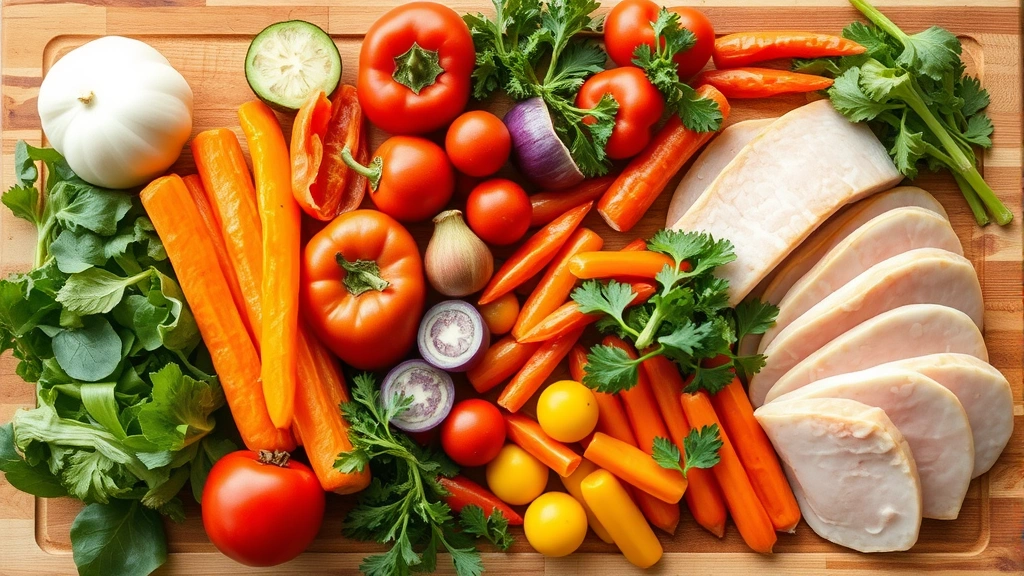
Incorporating more whole foods and minimizing processed options naturally reduces calorie intake while increasing nutritional density. Including plenty of vegetables in your diet provides essential nutrients, fiber, and volume with minimal calories, helping you feel satisfied while maintaining a caloric deficit.
Hydration deserves special attention in any weight loss plan. Staying properly hydrated supports metabolism and can help distinguish between true hunger and thirst, preventing unnecessary calorie consumption. Many people find that drinking water before meals helps them eat appropriate portions.
Rather than completely eliminating foods you enjoy, the sustainable approach involves moderation and portion control. This allows you to maintain social connections around food, enjoy meals with family and friends, and avoid the psychological deprivation that often leads to binge eating. Understanding that all foods can fit into a healthy diet—when consumed in appropriate quantities—reduces the guilt and shame often associated with weight loss attempts.
Meal planning and preparation can significantly support your weight loss goals by ensuring you have healthy options readily available. When nutritious meals are convenient, you’re less likely to rely on takeout or processed convenience foods. Consider dedicating time each week to preparing components that can be mixed and matched throughout the week, making healthy eating practical even during busy periods.
The Role of Physical Activity and Exercise
Regular physical activity complements nutritional changes and contributes significantly to weight loss success. Exercise provides numerous benefits beyond burning calories: it improves cardiovascular health, builds and preserves muscle mass, enhances mental health, and increases overall energy levels.
Cardiovascular exercises effectively burn calories and support heart health during weight loss. These can range from brisk walking and cycling to running, swimming, or dancing—any activity that elevates your heart rate for sustained periods. The best cardio exercise is one you’ll actually do consistently, so choosing activities you enjoy is essential for long-term adherence.
Strength training deserves equal emphasis in a comprehensive fitness plan. Building muscle through resistance exercises increases your resting metabolic rate, meaning you burn more calories even at rest. Additionally, muscle tissue is more metabolically active than fat tissue, so maintaining or building muscle during weight loss helps preserve your metabolism and prevents the metabolic slowdown that sometimes occurs with significant weight loss.
For those with limited time or mobility constraints, it’s worth noting that weight loss without exercise is possible when nutrition is properly managed, though combining exercise with dietary changes typically produces superior results and offers additional health benefits.
Finding ways to increase daily movement beyond formal exercise sessions also contributes meaningfully to total energy expenditure. Taking stairs instead of elevators, parking further away, standing during phone calls, and incorporating movement breaks throughout your day all add up. These non-exercise activity thermogenesis (NEAT) calories can be substantial over time.
The exercise plan that works best is one tailored to your current fitness level, preferences, schedule, and any physical limitations. Starting with manageable intensity and duration, then gradually increasing as your fitness improves, prevents injury and burnout. Consistency matters far more than intensity—regular moderate exercise beats sporadic intense workouts for sustainable weight loss.
Mindset and Behavioral Changes
The psychological aspects of weight loss are just as important as the physical strategies. Developing a healthy mindset and implementing behavioral changes creates the foundation for lasting success.
Self-compassion and patience are essential throughout your weight loss journey. Rather than perfectionism, aim for consistency. If you have a day where you eat more than planned or skip your workout, respond with understanding rather than punishment or abandonment of your goals. Research on behavior change shows that self-criticism often leads to further negative behaviors, while self-compassion supports continued progress.
Understanding your personal triggers for overeating helps you develop strategies to manage them. These might include emotional eating, environmental cues, boredom, or social situations. Once identified, you can implement specific strategies: finding alternative coping mechanisms for emotions, modifying your environment, planning ahead for social events, or developing new habits to replace old patterns.
Setting realistic, specific goals provides direction and motivation. Rather than a vague goal like “lose weight,” specify exactly how much you want to lose, by when, and what behaviors you’ll change to achieve it. Breaking larger goals into smaller milestones makes progress feel more achievable and provides regular opportunities for celebration and reinforcement.
Tracking your progress through measurements, how clothes fit, energy levels, or performance improvements—not just scale weight—provides a more complete picture of your success. Scale weight fluctuates based on water retention, hormonal cycles, and muscle gain, so relying solely on the scale can be discouraging even when real progress is occurring.
Building a support system—whether through friends, family, online communities, or professional guidance—significantly increases success rates. Sharing your goals with others creates accountability and provides encouragement during challenging periods. Many people find that working with a registered dietitian or health coach provides personalized guidance and professional support.
Managing Weight Loss in High-Stress Environments
For professionals like Julie Banderas working in demanding, high-pressure environments, maintaining weight loss focus while managing career stress requires specific strategies. High-stress situations often trigger unhealthy eating patterns and reduce motivation for exercise, making stress management integral to weight loss success.
Stress management techniques should be prioritized as part of your weight loss plan. Regular exercise itself is an excellent stress reducer, but other strategies like meditation, deep breathing, journaling, or spending time in nature also help manage stress without turning to food. When stress is well-managed, the impulse to use food as a coping mechanism diminishes.
Maintaining consistent sleep schedules supports weight loss in multiple ways. Sleep deprivation increases hunger hormones, decreases satiety hormones, and reduces willpower and impulse control. Prioritizing 7-9 hours of quality sleep nightly is as important as diet and exercise for weight management. For people with demanding careers, this might require setting boundaries around work hours and protecting sleep time as non-negotiable.
Planning and preparation become even more critical in high-stress environments. When you’re busy and stressed, having healthy meals and snacks readily available prevents reliance on convenient processed foods. Batch cooking on weekends, using healthy convenience options, and keeping nutritious snacks accessible ensures you can maintain your nutrition plan even during hectic periods.
Realistic expectations during busy seasons help prevent all-or-nothing thinking. You might not make dramatic progress during your busiest work periods, and that’s acceptable. Maintaining your current weight or making slow progress during stressful times is still success—it prevents the typical weight gain that occurs when people abandon their health efforts entirely.
Creating Your Personal Weight Loss Plan
With an understanding of these evidence-based principles, you can create a personalized weight loss plan that aligns with your lifestyle, preferences, and goals.
Step 1: Assess Your Current Habits
Before making changes, spend a week or two documenting your current eating patterns, exercise habits, sleep schedule, and stress levels. This baseline helps you identify which areas need adjustment and provides data to reference as you make changes.
Step 2: Set Clear, Specific Goals
Determine how much weight you want to lose, your timeline, and why this goal matters to you. Connecting your weight loss goal to deeper values—like having more energy to spend time with family, improving health markers, or feeling more confident—provides motivation beyond appearance.
Step 3: Choose Sustainable Dietary Changes
Rather than adopting an extreme diet, identify 2-3 realistic changes you can make to your eating habits. This might include adding more protein, increasing vegetable intake, reducing sugary beverages, or practicing portion control. Start with changes that feel manageable, then build from there. Some people find success with structured approaches like low-carbohydrate eating patterns, while others thrive with different macronutrient distributions—the best approach is one you can maintain.
Step 4: Develop an Exercise Plan
Choose physical activities you enjoy and can realistically fit into your schedule. Aim for at least 150 minutes of moderate-intensity aerobic activity weekly, plus strength training 2-3 times per week, but start where you are and build gradually.
Step 5: Address Behavioral and Lifestyle Factors
Identify stress management techniques that work for you, prioritize sleep, and plan strategies for managing triggers. Consider whether professional support from a therapist, registered dietitian, or health coach would be beneficial.
Step 6: Monitor and Adjust
Track your progress through multiple metrics beyond the scale. After 2-4 weeks, evaluate what’s working and what needs adjustment. Weight loss is rarely linear, and flexibility in your approach helps you overcome plateaus and maintain motivation.
Remember that sustainable weight loss typically takes time. While initial rapid weight loss is common, the goal is steady, consistent progress that you can maintain long-term. Most experts recommend consulting with healthcare providers before beginning significant weight loss efforts, particularly if you have existing health conditions or take medications.
FAQ
How much weight can I realistically expect to lose per week?
The CDC recommends a safe and sustainable weight loss rate of 1-2 pounds per week. This pace is achievable through a combination of dietary changes and exercise, and it’s much more likely to be maintained long-term than rapid weight loss from extreme diets.
Do I need to exercise to lose weight?
While weight loss is possible without exercise through dietary changes alone, combining exercise with nutrition modifications produces better results and provides additional health benefits including improved cardiovascular health, mental wellbeing, and metabolic function.
Is it necessary to follow a specific diet like keto or low-carb?
No single diet works for everyone. While some people find success with specific dietary approaches like ketogenic diets, others do well with different macronutrient distributions. The best diet is one you can follow consistently that provides adequate nutrition and fits your lifestyle and preferences.
What should I do if I reach a weight loss plateau?
Plateaus are normal and don’t indicate failure. Common strategies include reviewing calorie intake to ensure you’re still in a deficit (as your caloric needs decrease as you lose weight), varying your exercise routine, increasing protein intake, managing stress, and improving sleep quality. Sometimes a brief maintenance period allows your body to adapt before continued progress.
How important is hydration for weight loss?
Proper hydration supports weight loss by promoting metabolism, helping distinguish hunger from thirst, and supporting overall health. Aim for adequate water intake throughout the day, and consider drinking water before meals to help with portion control.
Should I work with a professional for weight loss?
Working with a registered dietitian, certified health coach, or other qualified professional can provide personalized guidance, accountability, and support that increases success rates. This is particularly valuable if you have health conditions, take medications that affect weight, or have struggled with weight loss in the past. Many insurance plans cover nutrition counseling when referred by a physician.


