
Lean Weight Loss Tips: Nutritionist’s Guide
Achieving lean weight loss—shedding fat while preserving muscle mass—requires a strategic approach grounded in nutrition science and sustainable lifestyle habits. Unlike rapid weight loss that often sacrifices muscle tissue, lean weight loss focuses on creating a calorie deficit while optimizing protein intake, strength training, and metabolic health. This comprehensive guide draws from evidence-based practices used by registered dietitians and obesity medicine specialists to help you lose weight effectively while maintaining a strong, healthy physique.
The difference between losing weight and losing fat matters significantly for your long-term health and appearance. When you lose weight without a structured plan, up to 25-30% of that loss can come from muscle tissue—not ideal for maintaining metabolism, strength, or body composition. This guide provides you with nutritionist-approved strategies to maximize fat loss while keeping your lean muscle intact, ensuring sustainable results that last.
Understanding Lean Weight Loss vs. Regular Weight Loss
Lean weight loss represents a targeted approach to body composition improvement that prioritizes fat reduction while protecting muscle mass. When you simply “lose weight,” the scale may drop, but you’re not necessarily losing the right type of weight. Muscle tissue is metabolically active—it burns calories at rest—so losing muscle actually slows your metabolism and makes future weight management harder.
The science is clear: research published in the American Journal of Clinical Nutrition demonstrates that resistance training combined with adequate protein intake preserves lean mass during caloric restriction. This is why nutritionists recommend a comprehensive approach rather than relying solely on calorie counting.
Lean weight loss also produces superior aesthetic results. You’ll look more toned and defined because you’re maintaining the muscle that gives your body shape and definition. Additionally, preserving muscle mass helps maintain your metabolic rate, making it easier to keep the weight off long-term.
Calculate Your Caloric Needs and Create a Deficit
Every weight loss journey begins with understanding your current caloric expenditure. To calculate your daily calorie needs, you need to know your Basal Metabolic Rate (BMR)—the calories your body burns at rest—plus your activity level. The Harris-Benedict equation or Mifflin-St Jeor formula are reliable starting points that registered dietitians frequently use.
Once you know your maintenance calories, create a modest deficit of 300-500 calories per day. This typically results in losing 0.5-1 pound per week—a sustainable pace that minimizes muscle loss. Larger deficits (1000+ calories daily) often lead to greater muscle loss, fatigue, and difficulty adhering to the plan long-term.
Track your intake honestly for at least two weeks to understand your baseline. Use apps, food scales, and labels to develop awareness without obsession. Many people underestimate their caloric intake by 20-30%, so accurate tracking is crucial for success. Adjust your deficit every 2-4 weeks based on results; if weight loss stalls, reduce calories by 100-150 rather than drastically cutting.
Prioritize Protein for Muscle Preservation
Protein is the single most important nutrient for lean weight loss. It serves multiple critical functions: building and repairing muscle tissue, increasing satiety (helping you feel full longer), and requiring more energy to digest than carbohydrates or fat (the thermic effect of food).
Aim for 0.8-1.0 gram of protein per pound of your goal body weight, or 25-35% of your total daily calories. For a 150-pound person, this means 120-150 grams daily. Studies from PLOS ONE show that higher protein intake during caloric restriction significantly improves fat loss while preserving lean mass.
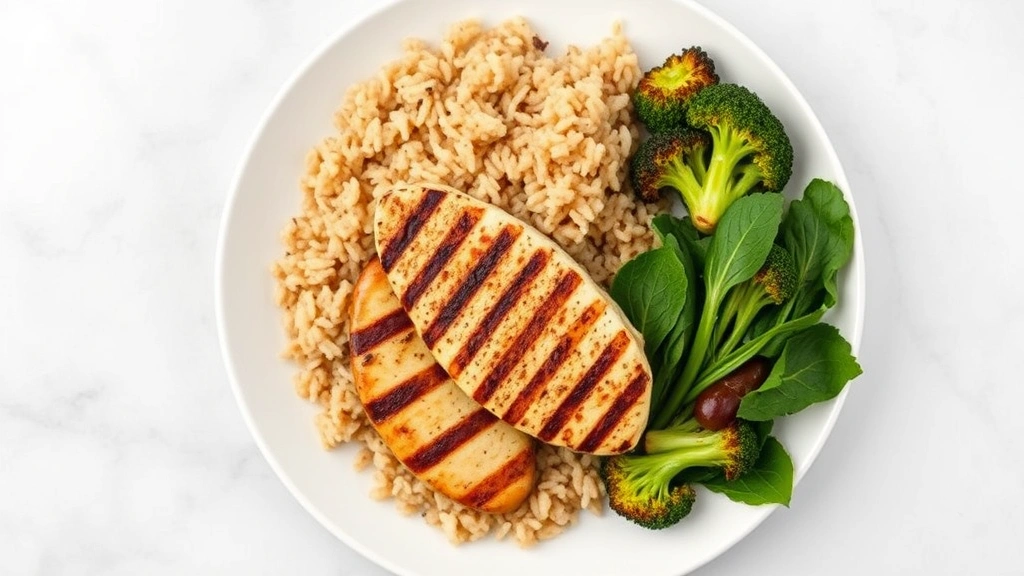
Excellent protein sources include lean meats (chicken, turkey, lean beef), fish and seafood, eggs, Greek yogurt, cottage cheese, legumes, and plant-based options like tofu and tempeh. Distribute protein throughout the day—aim for 25-40 grams per meal—rather than consuming it all at dinner. This distribution optimizes muscle protein synthesis throughout the day and helps maintain steady energy levels.
Strength Training: The Foundation of Lean Loss
Strength training is essential for lean weight loss, not optional. While cardio burns calories, resistance exercise preserves and builds muscle, directly preventing the muscle loss that often accompanies dieting. Aim for 3-4 strength training sessions weekly, targeting all major muscle groups.
Progressive overload—gradually increasing weight, reps, or sets—is crucial. Your muscles adapt quickly, so consistently challenging them signals your body to maintain and build muscle tissue even in a caloric deficit. Compound exercises like squats, deadlifts, bench presses, and rows are most efficient because they engage multiple muscle groups simultaneously.
Combine strength training with moderate cardio (150 minutes weekly of moderate-intensity activity) for optimal results. The strength training preserves muscle while the cardio contributes to your caloric deficit. This combination, supported by CDC physical activity guidelines, produces superior body composition changes compared to either alone.
Optimize Your Macronutrient Balance
Beyond protein, your carbohydrate and fat intake significantly impacts lean weight loss success. Rather than extreme restriction of any macronutrient, find a balance that works for your preferences and lifestyle.
Carbohydrates: Don’t eliminate carbs—they fuel your workouts and provide essential nutrients. Focus on complex carbohydrates: oats, brown rice, sweet potatoes, quinoa, and whole grain breads. These provide sustained energy and fiber, which increases satiety. Time most carbs around your workout for energy and recovery.
Fats: Include healthy fats for hormone production and nutrient absorption. Aim for 0.3-0.4 grams per pound of body weight. Include sources like avocados, olive oil, nuts, seeds, and fatty fish. Don’t fear fat—it’s calorie-dense but essential for health and helps you feel satisfied.
A reasonable macronutrient split for lean weight loss might be: 40% protein, 35% carbohydrates, and 25% fat. However, the best macro ratio is one you’ll actually follow consistently. Some people thrive with higher carbs and lower fat; others prefer the opposite. Low-carb approaches like keto can work for some, but they’re not necessary for everyone.
Hydration and Metabolic Support
Proper hydration supports weight loss through multiple mechanisms. Water increases satiety, boosts metabolism slightly, improves workout performance, and helps your body process fat efficiently. Aim for at least half your body weight in ounces daily, adjusting for activity level and climate.
Drink water before meals—this simple habit can reduce overall calorie intake by 5-10%. Many people confuse thirst with hunger, so staying hydrated prevents unnecessary snacking. Replace sugary beverages with water, unsweetened tea, or black coffee to eliminate liquid calories.
Beyond water, consider supporting your metabolism through proper sleep (7-9 hours nightly), stress management, and micronutrient adequacy. Deficiencies in vitamin D, B vitamins, iron, and zinc can impair metabolism and energy levels. A registered dietitian can assess whether supplementation is appropriate for your individual needs.
Meal Timing and Eating Patterns
While total calorie intake matters most for weight loss, meal timing and eating frequency can influence adherence and performance. There’s no single “best” approach—the optimal pattern is one you’ll maintain consistently.
Meal Frequency: Some people do well with three balanced meals; others prefer smaller, frequent meals or intermittent fasting. Research shows meal frequency doesn’t significantly impact weight loss if calories are equal. Choose what keeps you satisfied and energized.
Pre-Workout Nutrition: Consume 20-40 grams of carbs and 10-20 grams of protein 1-2 hours before strength training. This provides energy for intense exercise and optimizes performance. Examples: banana with peanut butter, Greek yogurt with berries, or oatmeal with eggs.
Post-Workout Nutrition: Within two hours after training, consume protein and carbs to support recovery. A protein shake with fruit, chicken with rice, or cottage cheese with granola all work well. This timing isn’t critical for weight loss but supports muscle preservation and performance.

Sustainable Habits for Long-Term Success
Lean weight loss only matters if you can maintain it. This is where sustainable strategies for long-term weight maintenance become essential. Short-term diets create short-term results; lifestyle changes create lasting transformation.
Build Sustainable Habits: Rather than overhauling everything at once, implement one or two changes weekly. Maybe week one you add a strength training session; week two you increase protein intake; week three you establish a hydration routine. Small, incremental changes compound into major lifestyle shifts.
Practice Flexible Eating: No foods are “forbidden.” Strict restriction typically backfires into binge eating. Include treats you enjoy in moderation within your caloric goals. An 80/20 approach—eating nutritious foods 80% of the time and flexible foods 20% of the time—is sustainable for most people.
Monitor Progress Beyond the Scale: Weight fluctuates daily based on water retention, food timing, hormones, and digestive contents. Track progress through multiple metrics: body measurements, strength gains, how clothes fit, energy levels, and photos. These reveal fat loss even when the scale stalls temporarily.
Plan for Challenges: Life happens. Vacations, holidays, stress, and illness will disrupt your routine. Rather than viewing these as failures, have a plan: maintain some activity, prioritize protein, don’t abandon all structure, and resume your regular approach afterward. Perfection isn’t required for success.
Consider Professional Support: Working with a registered dietitian (RD) provides personalized guidance, accountability, and problem-solving for your specific situation. The investment in professional support often accelerates results and increases long-term success rates significantly.
FAQ
How quickly can I expect to see lean weight loss results?
Most people notice changes within 4-6 weeks: increased strength, better-fitting clothes, and visible muscle definition. Scale weight loss typically reaches 4-8 pounds monthly with a 300-500 calorie daily deficit. Remember that building muscle while losing fat may keep scale weight stable initially—this is ideal progress, not stalled progress.
Can I do lean weight loss without strength training?
Technically yes, but results are significantly compromised. Without resistance exercise, 25-30% of your weight loss comes from muscle. Strength training is the most effective way to preserve muscle during a caloric deficit. Even basic bodyweight exercises (pushups, squats, planks) are better than nothing.
Is lean weight loss suitable for women?
Absolutely. Women often worry that strength training will make them “bulky,” but this is physiologically unlikely due to lower testosterone levels. Lean weight loss helps women achieve toned, defined physiques while maintaining healthy hormone levels and bone density—particularly important as women age.
What’s the difference between lean weight loss and keto or other diets?
Lean weight loss is a framework emphasizing muscle preservation; it’s compatible with various dietary approaches. You can achieve lean weight loss with keto, Mediterranean diet, vegetarian diets, or traditional calorie counting. The key is adequate protein, strength training, and a moderate deficit—not a specific diet name.
How do I know if I’m losing fat or muscle?
Strength progression indicates muscle preservation—if you’re getting stronger, you’re likely maintaining muscle. Body composition analysis (DEXA scan, bioelectrical impedance) provides precise measurements. Visually, if you’re getting more defined and toned while losing weight, you’re losing fat preferentially.
What should I do if my weight loss plateaus?
Plateaus are normal and temporary. First, verify you’re still in a deficit—calorie creep is common. Reduce calories by 100-150 or increase activity slightly. Change your workout routine to prevent adaptation. Ensure adequate sleep and stress management, as poor sleep increases hunger hormones. If plateau persists beyond 3-4 weeks, consult a registered dietitian.


